What Do Kiwis Eat
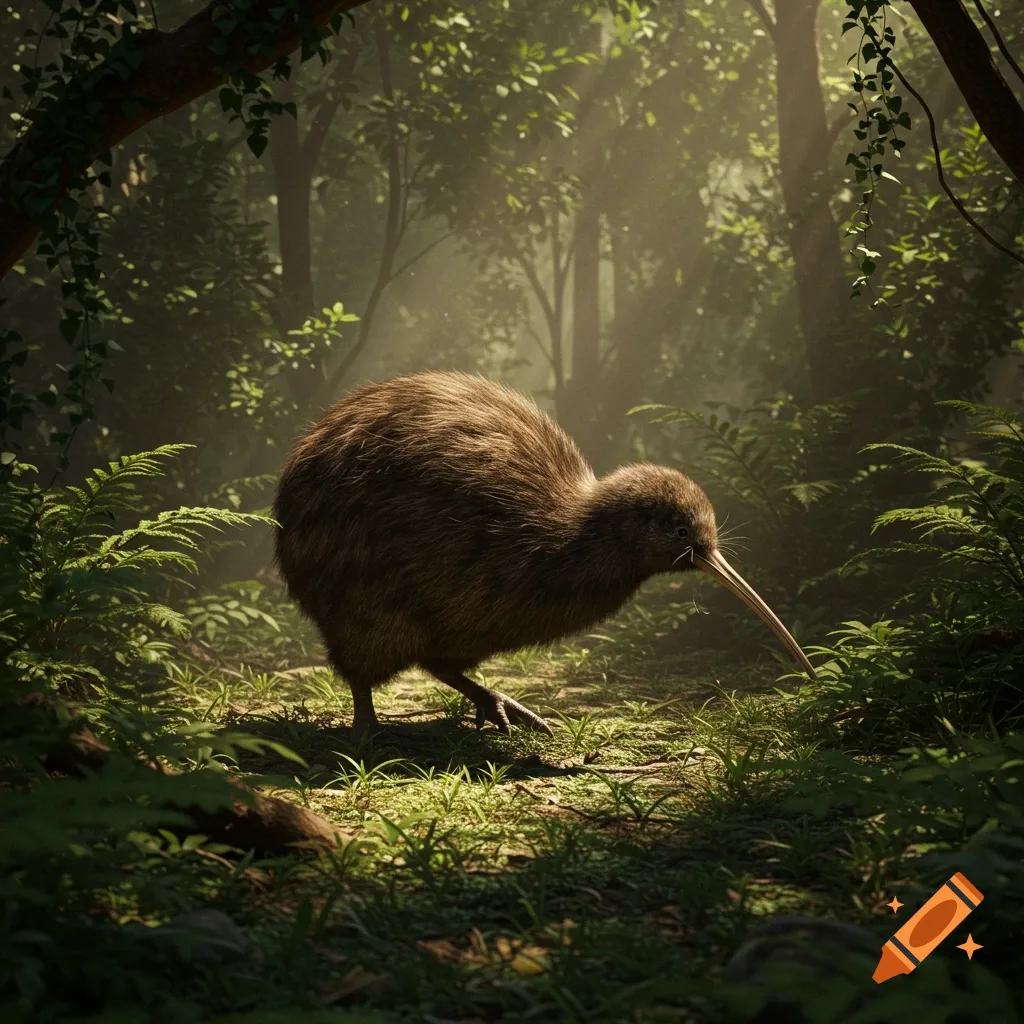
Image source: Web (Bing) / craiyon.com (Web image (fair-use with source credit))
Curious about what kiwis eat? It's a fascinating question that dives into the unique dietary habits of these remarkable, flightless birds. Understanding their natural food sources is key to appreciating their role in their ecosystem and ensuring their survival.
When we talk about a kiwi's diet, we're looking at a specialized menu that's surprisingly consistent across species. As of 2026, research confirms that the diet primarily consists of insects and other invertebrates, supplemented occasionally by fallen fruit and seeds. This dietary makeup is supported by the birds' incredible adaptations, particularly their unique sense of smell, which allows them to locate food underground.
This focus on invertebrates is a critical aspect of kiwi ecology, as outlined by ornithological studies.
Quick Answer
Kiwis primarily eat insects and other invertebrates. Their diet includes earthworms, grubs, beetles, and spiders. They occasionally eat fallen fruit and seeds.
This specialized diet is found using their keen sense of smell and long beaks.
Core Diet of the Kiwi Bird
The core of any kiwi's diet boils down to a deep love for invertebrates. These birds are primarily insectivores, meaning their main food source is insects and other small, boneless creatures they find on or just beneath the forest floor. This isn't just a casual preference; it's essential for their survival and energy needs.
When a kiwi forages, it’s on the hunt for:
- Earthworms: These are a top delicacy. Kiwis use their keen sense of smell and their long beaks to probe the soil and pull out these wriggly treats.
- Grubs and Beetle Larvae: The plump, juicy larvae found in decaying wood or soil are also a staple.
- Insects: Various adult insects, like beetles, ants, and cockroaches, make up a significant portion of their meals.
- Spiders and Slugs: They aren't picky and will happily consume these as well.
These food items provide the essential proteins, fats, and minerals that kiwis need to thrive. Without a consistent supply of these invertebrates, their health would rapidly decline. This dietary specialization makes them highly dependent on healthy forest floor environments.
Kiwi Beak: Nature's Amazing Food Finder
You can't talk about what kiwis eat without highlighting their incredible beaks. The kiwi's beak is not just for pecking; it's a sophisticated tool designed for finding and extracting food from the ground. These beaks are long, slender, and importantly, have nostrils located right at the tip.
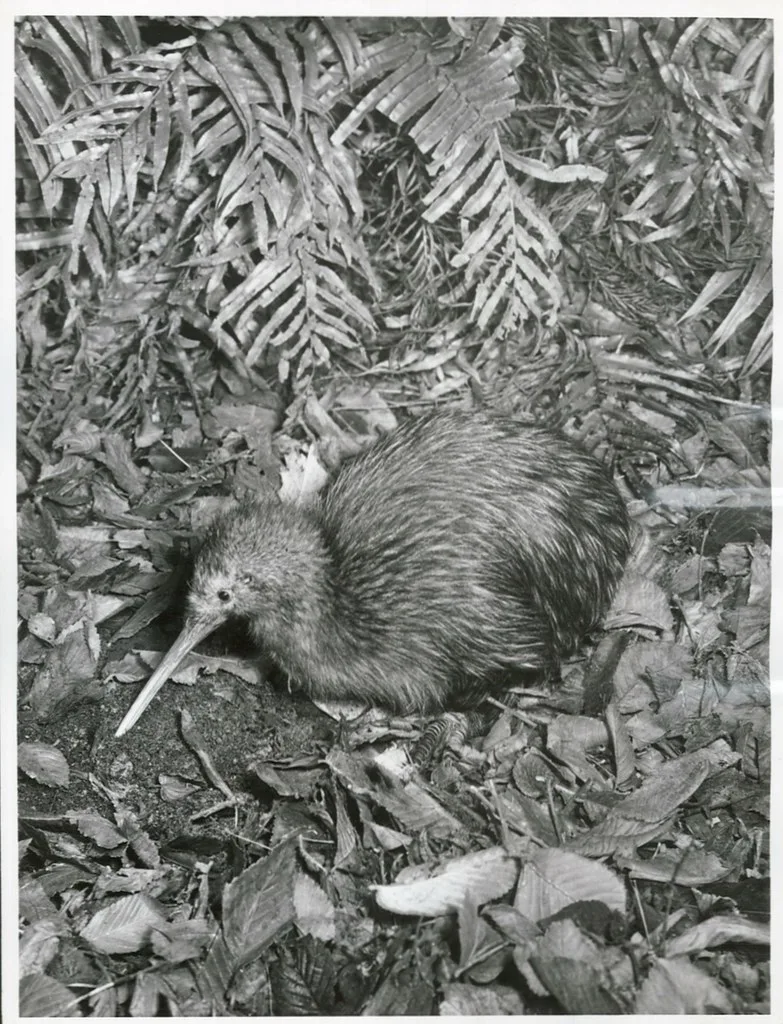
Image source: Web (Bing) / flickr.com (Web image (fair-use with source credit))
This unique placement of nostrils is a rare trait among birds. It allows the kiwi to use its sense of smell to sniff out prey hidden beneath leaf litter, soil, or decaying wood. They'll push their beaks into the ground, wiggling them around as they sniff.
When they detect the scent of a juicy earthworm or a tasty grub, they can pinpoint its exact location. Their beaks are also strong enough to probe and extract these creatures effectively. This adaptation makes them exceptionally efficient foragers, especially in the dark, damp environments where much of their food is found.
The Role of Smell and Hearing in Kiwi Foraging
While their beaks are the primary tool, the kiwi's senses of smell and hearing are equally vital in their quest for food. Their olfactory bulbs, the part of the brain that processes smell, are remarkably large for a bird. This is why they are often described as being more like a mammal in their reliance on scent.
They use this powerful sense of smell to locate food sources that are invisible to the eye, even in complete darkness. Researchers have observed kiwis successfully finding buried earthworms or larvae solely by scent. This makes them formidable hunters on their native forest floor.
In addition to smell, their hearing is also finely tuned. They can detect the subtle movements of invertebrates burrowing or rustling under leaves. This auditory information, combined with their sense of smell, creates a sensory advantage that helps them locate and capture prey that would otherwise remain hidden.
This combination of adaptations ensures they can consistently find nourishment.
Fruit and Seeds: A Kiwi's Secondary Snacks
While insects and other invertebrates form the absolute backbone of a kiwi's diet, they aren't entirely averse to other food items. Fallen fruit and seeds can sometimes supplement their meals, though these are generally considered secondary food sources. They don't actively seek out fruit in the way they do insects, but they will consume it opportunistically.
When fruit is available, often from native trees, kiwis may nibble on it. This can provide them with extra carbohydrates for energy and some additional vitamins. Similarly, they might ingest seeds they uncover while foraging for insects, though these are less digestible and contribute little nutritional value.
It's important to note that fruit and seeds are not a primary food group for kiwis. Their digestive systems are best adapted for the proteins and fats found in invertebrates. Relying too heavily on fruit could lead to nutritional imbalances.
Therefore, while these items appear on their menu, they are very much 'extras' rather than the main course.
Feeding Kiwis in Zoos and Conservation Programs
Understanding the natural diet of kiwis is absolutely crucial for those involved in captive breeding programs and wildlife rehabilitation. Getting the nutrition right is paramount for the health, survival, and successful breeding of these vulnerable birds. The goal is always to replicate their natural diet as closely as possible using available resources.
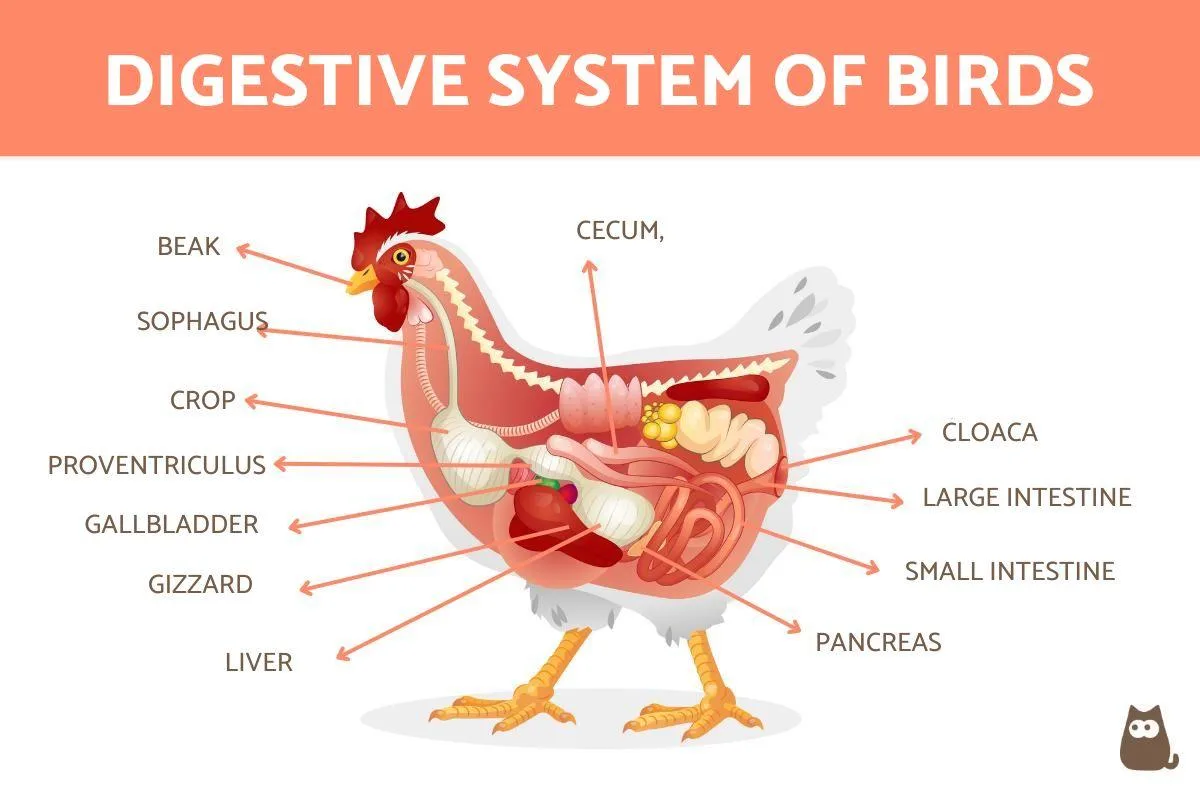
Image source: Web (Bing) / animalwised.com (Web image (fair-use with source credit))
A typical diet in a zoo or conservation center might include:
- Specialized Pellets: Many institutions use a specially formulated pellet or mash designed to provide a balanced mix of nutrients. These often mimic the texture and composition of insects.
- Live Insects: Crickets, mealworms, and other suitable insects are commonly fed to captive kiwis. These are often commercially bred and gut-loaded (fed nutritious food beforehand) to maximize their nutritional value.
- Supplements: Depending on the specific diet and the bird's needs, vitamin and mineral supplements may be added, especially calcium and vitamin D, which are vital for bone health.
- Occasional Fruit: Small amounts of fruit might be offered, similar to their natural diet, but it’s carefully controlled to avoid imbalances.
The exact composition of a captive diet is often determined by avian veterinarians and ornithologists, taking into account the specific species, age, and health status of the individual bird. Nutritional deficiencies are a serious risk in captive settings, which is why these carefully curated diets are so important for species survival.