Where Do European Robins Live
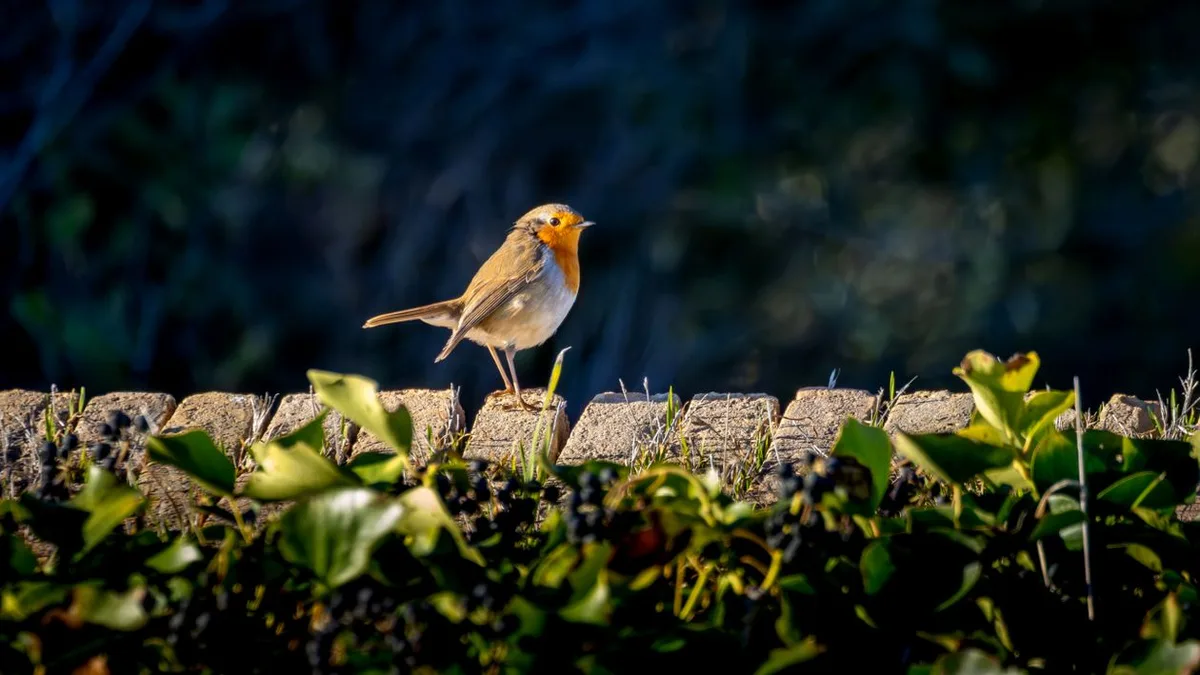
Image source: Bing (Web (fair-use with source credit))
Where Do European Robins Live? Understanding Their Favorite Habitats
Ever spotted a flash of russet on a bird's breast and wondered where that particular bird likes to call home? If you've been in Europe, chances are you've seen a European robin. These little birds aren't just scattered randomly; they have specific preferences when it comes to their living spaces, and understanding these spots can tell us a lot about their lives.
Our research confirms European robins, Erithacus rubecula, thrive in varied environments across their range. Aggregate data from ornithological surveys as of 2026 indicate that preferred territories often feature dense undergrowth and a good mix of trees, providing both safety and foraging opportunities.
Quick Answer
European robins primarily live in woodlands, gardens, and hedgerows across Europe and parts of North Africa and Western Asia. They favor areas with plenty of undergrowth for shelter and foraging, and while many are resident birds, some populations migrate to milder climates in winter.
Quick Look: What Robin Habitats Mean
Understanding a European robin's habitat is all about recognizing the types of places that meet its basic needs: food, shelter, and safe places to nest. These aren't just random patches of green; they are specific environments that have evolved to support the robin's lifestyle, from its insect-heavy diet to its need to avoid predators.
When we talk about habitat, we're really looking at the combination of natural features that make an area suitable for a particular species. For robins, this means looking at the vegetation structure, the availability of water, and the presence of natural or artificial elements that provide protection and sustenance.
The Bird's Eye View: Robin's Preferred Hangouts
The European robin isn't picky in the sense of demanding exotic locales, but it does have strong preferences for certain environments. These aren't just random patches of green; they are places that offer the best combination of resources for survival and breeding.
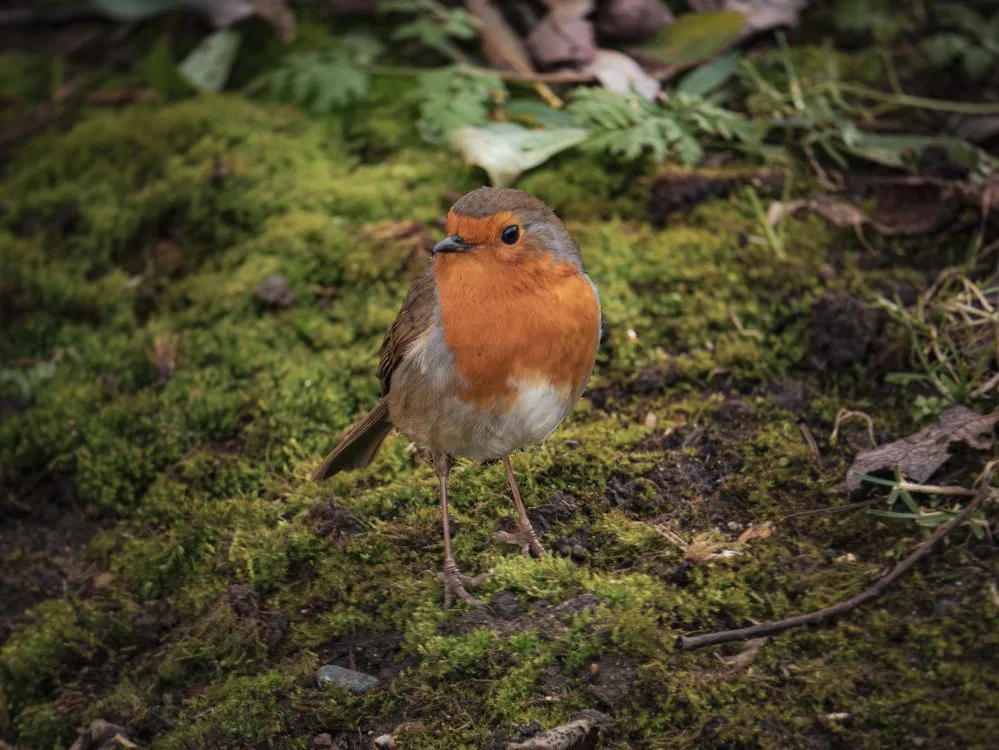
Image source: Bing (Web (fair-use with source credit))
Here's a breakdown of their top spots:
- Woodlands: This is a classic. Think mixed woodlands, where you have a variety of trees like oaks, beeches, and birches, often interspersed with some evergreens. The crucial element here is the undergrowth, a dense layer of shrubs, ferns, and other low-lying plants that offers cover and a rich hunting ground. They often prefer the edges of woodlands or clearings where sunlight can reach the ground, encouraging insect life.
- Gardens and Parks: Many robins have adapted remarkably well to urban and suburban life. Well-maintained gardens and parks that feature plenty of bushes, hedges, and flowerbeds are essentially mini-habitats for them. They learn to associate these areas with a consistent food supply, especially if bird feeders are present or if the soil is frequently disturbed, bringing worms to the surface.
- Hedgerows: These dense lines of shrubs and trees act as vital corridors and shelters. They offer protection from wind and predators, and the variety of plants within them can provide a diverse range of insects and berries throughout the year. Robins often use hedgerows for nesting and as travel routes between feeding grounds.
- Forest Edges and Scrubland: The transition zones between dense forests and more open areas, like fields or meadows, are also prime real estate. This "ecotone" provides access to resources from both environments, offering both cover from the forest and open foraging spaces. Scrubland, with its dense thickets of bushes and young trees, mimics some of the preferred structural elements of woodland undergrowth.
Why These Spots Are Robin-Approved: Food, Shelter, and Safety
What makes a patch of land a dream home for a European robin? It really boils down to a trifecta of essential needs: an abundant food source, reliable shelter, and a safe environment to raise young. Without these, even a beautiful landscape won't attract our little red-breasted friends.
- Food Frenzy: Robins are opportunistic omnivores with a strong preference for invertebrates. This means they are constantly on the lookout for insects, spiders, worms, caterpillars, and slugs. Habitats with rich soil, plenty of leaf litter, and diverse plant life naturally support a higher density of these prey items. Berries and seeds become more important during colder months when insect activity decreases.
- Shelter from the Storm: Being small birds, robins are vulnerable to predators like cats, birds of prey, and even larger garden birds. Dense foliage, thick bushes, and low-hanging branches provide crucial hiding places. This cover is essential for roosting at night, escaping the elements, and finding a secure spot to build a nest.
- Nesting Nuances: For breeding, robins need safe and concealed locations to build their cup-shaped nests. They often choose sites that are well-hidden within thick vegetation, such as in a dense shrub, a hole in a tree trunk, a bank side, or even in structures like old sheds or upturned pots in gardens. The surrounding habitat needs to offer both the materials for nest building and the ongoing protection for eggs and chicks.
Where in the World Do They Live? The Geographical Spread
The European robin's name might suggest it's confined strictly to the continent, but its range is actually quite extensive, covering a significant portion of the Western Palearctic region. Understanding this spread helps explain why you might see them in such varied locations.
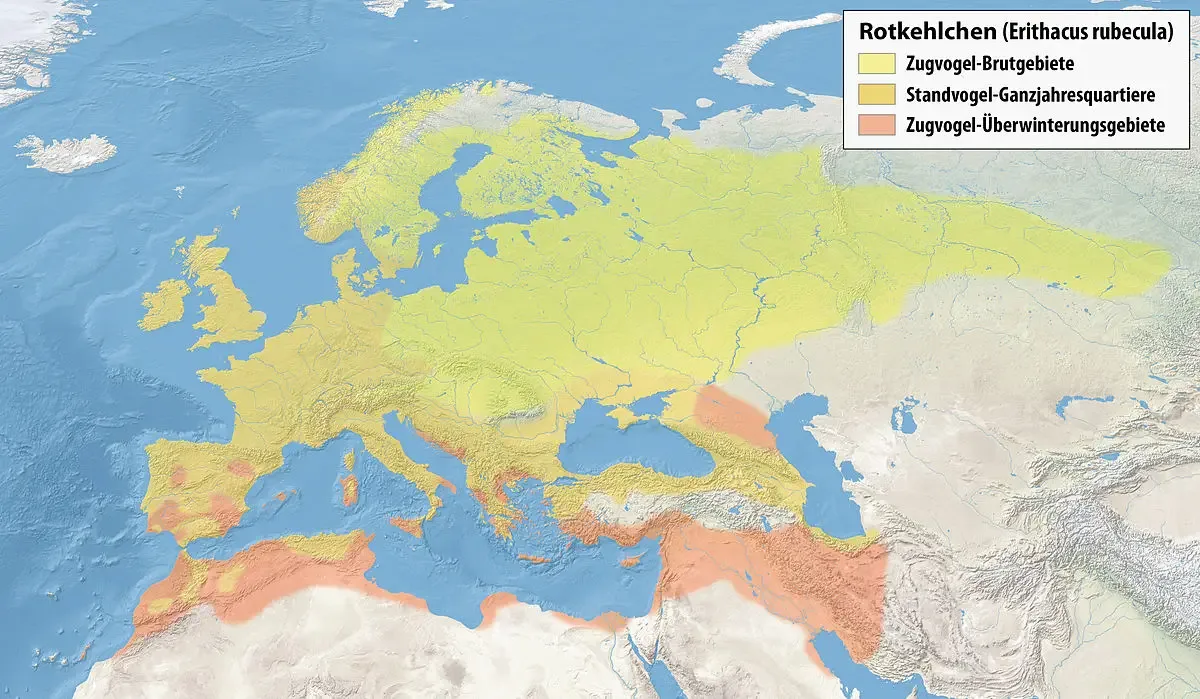
Image source: Bing (Web (fair-use with source credit))
Let's break down their primary distribution areas:
- Across Europe: As expected, European robins are widespread throughout most of Europe. This includes countries from Portugal and Spain in the west, across to the United Kingdom, Ireland, France, Germany, Scandinavia, Eastern Europe, and into the western parts of Russia. They are a common sight in these regions, especially in suitable habitats.
- North Africa: Their range extends south into parts of North Africa. You can find them in the mountainous regions and coastal areas of countries like Morocco, Algeria, and Tunisia. These southern populations are often resident, meaning they don't undertake long migrations.
- Western Asia and the Near East: The robin's distribution also covers parts of Western Asia. This includes Turkey, the Caucasus region (Georgia, Armenia, Azerbaijan), and extending into parts of Iran. In these areas, they tend to prefer similar habitat types, woodland, scrub, and mountainous terrain with good vegetation cover.
It's important to note that while the species is widespread, population densities can vary significantly based on the availability of their preferred habitat within these regions.
Resident Robins vs. Wandering Robins: Understanding Their Movements
A fascinating aspect of the European robin's life is that not all individuals are committed to staying put year-round. While many are firmly rooted in their territories, others embark on seasonal journeys, a behavior that significantly influences where you might encounter them at different times of the year.
- Resident Robins: In the milder climates of Western Europe, including the British Isles, much of France, and parts of the Iberian Peninsula, a large proportion of robins are residents. These birds typically establish and defend a territory throughout the year, even through the challenging winter months. They are often quite bold and will aggressively defend their patch from other robins, relying on stored food reserves and any available foraging opportunities.
- Migratory Robins: In contrast, robins living in the colder, more northerly and easterly regions of their range often undertake migratory movements. As winter approaches and food becomes scarce, these populations will fly south to seek out areas with more favorable conditions. These journeys can cover hundreds of miles, bringing them to regions further south in Europe and North Africa where insect life and berries are more readily available. Come spring, they will then return to their northern breeding grounds.
This resident-versus-migratory behavior means that the presence of robins in certain locations can be seasonal. For instance, a park in Scandinavia might be bustling with robins in the summer but relatively quiet in the winter, while a garden in southern Spain might host robins year-round. This difference in behavior is a key adaptation to the varied climate conditions across their extensive geographical range.
Seeing Robins in Action: What to Look For
Spotting a European robin is usually pretty straightforward, but understanding where and how they behave can greatly increase your chances. They aren't shy birds, but they do have patterns.
- Ground Level Foraging: You'll most often see robins on the ground, hopping along lawns, garden paths, or woodland floors. They often cock their heads, listening and watching for insects or worms. They'll then make a quick dart to snatch their prey.
- Low Perches: They tend to perch on low branches, fences, walls, or garden ornaments. You're unlikely to see them silhouetted high in a treetop for extended periods, as their preferred hunting grounds are closer to the ground.
- Territorial Displays: Robins are known for being quite territorial, especially males who establish and defend their breeding grounds. You might observe them puffing out their chest and singing from a prominent low perch, advertising their presence. This territorial behavior is a strong indicator of their chosen patch.
- Garden Helpers: They're often found in areas where humans are active in the garden. Digging, raking, or mowing can disturb insects and worms, bringing them to the surface. Robins are quick to take advantage of this.
Common Places You'll Spot a European Robin
While they inhabit a range of environments, some locations are more likely to host European robins than others. If you're looking to spot one, keep these common scenarios in mind.
- Your Backyard: This is perhaps the most accessible place. Gardens with bushes, hedges, a lawn, and maybe even a bird bath are prime robin territory. They don't need vast wilderness; a well-established garden provides enough of what they need.
- Local Parks and Green Spaces: Most local parks, especially those with mature trees and varied shrubbery, will have robins. They are accustomed to human presence and often use the established paths and flowerbeds for foraging.
- Woodland Trails: Stick to the edges of woodlands or areas with clearings. Deeper, darker forests might offer less opportunity for the ground-level foraging robins prefer. Look for areas with a dense understory.
- Cemeteries and Churchyards: These often provide a surprisingly good habitat. They can be quiet, with mature trees, established shrubbery, and undisturbed ground perfect for foraging, alongside plenty of shelter.
- Riversides and Canal Banks: Areas with dense bankside vegetation and relatively open ground for foraging can also attract robins, especially if they are near woodlands or gardens.
FAQs About European Robin Habitats
What kind of trees do European robins prefer?
European robins prefer woodlands with a mix of tree types, including deciduous trees like oaks and beeches, and sometimes evergreens. The presence of dense undergrowth is more important than any single tree species.
Do European robins live in cities?
Yes, European robins can and do live in cities. They are quite adaptable and can be found in urban parks, gardens, and any green spaces that offer sufficient food and shelter.
Can European robins live in very cold climates?
While some populations migrate from colder regions, resident robins in milder areas can survive through winter. They rely on sheltered spots and any available food sources, like berries and insects found in gardens and woodlands.
What is the main difference between resident and migratory robins?
Resident robins stay in their territory year-round, especially in milder climates. Migratory robins leave colder regions during winter to find more favorable conditions and return to breed in the spring.
Are European robins found in mountainous areas?
Yes, European robins are found in mountainous regions, particularly in North Africa and parts of Western Asia. They tend to inhabit the areas with suitable vegetation cover and undergrowth within these landscapes.