Where Do Seagulls Sleep
Curious about where seagulls actually crash for the night? It’s a more complex answer than you might think, as these adaptable birds find resting spots all along our coastlines and even inland. Their nightly havens are chosen based on a clever mix of safety, comfort, and accessibility.
Research shows that the common gull (Larus canus) can experience significant energetic savings by entering a state of rest, with some studies indicating heart rate reductions of up to 50% during sleep. This biological need drives their selection of varied roosting sites.

Image source: Bing (Web (fair-use with source credit))
Quick Answer
Seagulls sleep in a variety of locations, primarily on beaches, rocky shorelines, cliffs, and near inland water bodies. They also utilize man-made structures like rooftops and docks. Roosting spots are chosen for safety from predators, protection from weather, and proximity to food.
The Usual Suspects: Seagull Roosting Spots
Seagulls are incredibly resourceful when it comes to finding a place to rest their heads, or rather, tuck them under their wings. They don't stick to just one type of location, and what might seem like an unlikely spot to us is often a perfectly good, safe haven for them. Think of them as opportunistic sleepers, always assessing their surroundings for the best available option.
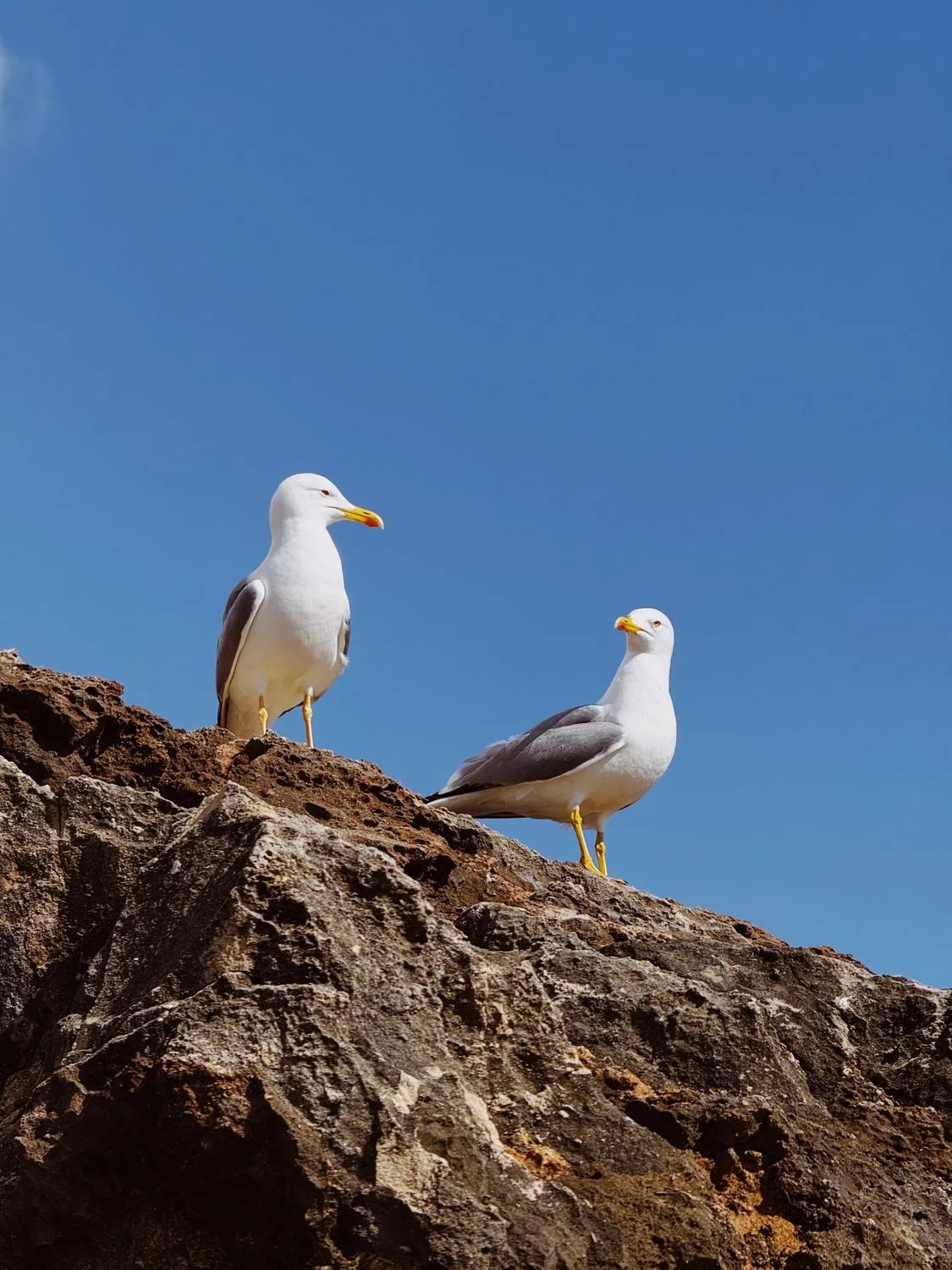
Image source: Bing (Web (fair-use with source credit))
Beaches and Shorelines: The Classic Image
This is probably the most familiar image many people have of seagulls settling down. As the day winds down, you'll often see flocks making their way to the beach. They tend to prefer areas that offer a bit of distance from the immediate crash of the waves.
This might mean heading up towards the dunes or finding a wide, open stretch of sand where they can spread out. The open beach provides visibility, helping them spot approaching threats from a distance.
Rocky Ledges and Inland Waters: Unexpected Havens
Beyond the sandy shores, seagulls are equally at home on more rugged terrain. Look to rocky outcrops and coastal cliffs, and you'll likely find them perched on ledges or nestled in crevices. These elevated spots offer excellent protection from ground-based predators and a clear view of their surroundings.
But it’s not just about the ocean. Many gull species have adapted to life further inland, making themselves right at home near lakes, rivers, and even large reservoirs. Here, they might settle on the water's surface itself, bobbing gently, or find a dry spot on the banks.
These inland water bodies often provide a consistent source of food and a less disturbed environment compared to busy coastlines.
Why They Choose These Sleep Spots
A seagull’s choice of a sleeping location isn’t random; it's a strategic decision driven by instinct and the need to survive and conserve energy. Several key factors come into play when they’re scoping out their nightly roost.
Safety from Predators
Predation is a constant concern for any wild animal, and seagulls are no exception. Their roosting sites are chosen with an eye for security. Being in an open area, like a beach or a high cliff ledge, allows them to see approaching danger from far off.
Large groups gathering to sleep also offer safety in numbers, as a more watchful flock is less likely to be successfully attacked. For seabirds, avoiding being taken by foxes, larger raptors, or even domestic dogs on beaches is a primary consideration.
Comfort and Shelter from the Elements
While seagulls are hardy birds, they still seek out spots that offer some degree of comfort and protection from the weather. Strong winds, driving rain, or harsh sun can all be draining. They might choose a spot that offers a bit of a windbreak, perhaps behind a dune, a large rock, or within a cluster of buildings.
While they don't build nests for sleeping, their chosen perch needs to be stable and relatively undisturbed so they can achieve restful sleep.
Proximity to Food Sources
Energy conservation is crucial for survival, and seagulls are smart about it. Their preferred roosting locations are often strategically situated close to reliable food sources. This means they don't have to expend a lot of energy flying long distances to forage and then back to their resting spot.
A beach near a fishing harbor, a park with accessible waste bins, or a lake with abundant small fish allows them to efficiently manage their energy budget throughout the day and night.
Seagull Sleeping Style: A Bird's Eye View
When it comes to actually sleeping, seagulls have some pretty interesting habits. You won't find them curled up in a ball like a cat. Instead, they often sleep standing up, which might seem precarious to us, but they've mastered it.
They’ll balance on one leg, tucking the other up close to their body for warmth.
Their heads are frequently tucked under a wing, a classic bird sleeping posture that helps conserve heat and protects their face. What’s really remarkable, though, is their ability to practice unihemispheric slow-wave sleep. This means they can shut down one half of their brain to sleep while the other half remains alert and aware of their surroundings.
This allows them to keep an eye out for danger, even while resting. So, while they appear to be sound asleep, a part of their brain is always on guard.
Common Mistakes When Guessing Seagull Sleep Locations
People often make assumptions about where seagulls might be resting, and these guesses can sometimes miss the mark. One of the biggest mistakes is assuming they only sleep on the immediate edge of the ocean. While beaches are common, they aren't the exclusive domain of resting gulls, especially in busy or developed areas.
Many people also overlook their tendency to roost in surprisingly urban or inland environments.
Another common error is not considering the time of day or year. Seagulls might have different resting spots during the day versus at night, and their habits can shift with the seasons as food availability and weather patterns change. For instance, during colder months, they might seek out areas that are less exposed to wind or even locations with a slight ambient warmth from urban development.
Failing to observe their behavior across different conditions leads to an incomplete picture.
Real-World Seagull Resting Scenarios
Observing seagulls in their natural or adapted environments can really highlight their sleeping habits. These scenarios aren't just about spotting a bird asleep; they offer practical insights into their behavior and how they interact with their surroundings.
Consider a coastal town as an example. In the late afternoon, as fishing boats return to harbor, you might see several seagull species, like the Herring Gull (Larus argentatus) or Great Black-backed Gull (Larus marinus), congregating on the jetties and pier structures. They're not just waiting for scraps; many will settle down for a rest on the weathered wood.
The ambient warmth from the structures, combined with the relative lack of immediate disturbance from boat traffic, makes these an attractive option.
On the other hand, think about a large inland park with a lake. Here, you might find a flock of Ring-billed Gulls (Larus delawarensis) resting on the water itself. They'll often form a tight raft, using the buoyancy of the lake to support them while they sleep.
The open water provides safety from terrestrial predators like foxes or dogs that might roam the park's edges. If the park has open, grassy areas away from footpaths, some gulls might even choose to roost on the ground there, particularly if it feels secure and offers good visibility.
Frequently Asked Questions About Seagull Sleep
Do seagulls sleep on the water?
Yes, many seagull species do sleep on the water. They often form floating rafts on lakes, rivers, or calm ocean bays. The water provides buoyancy and can offer a safe haven from land-based predators, allowing them to rest while remaining somewhat mobile if needed.
Can seagulls sleep while flying?
While some birds are capable of unihemispheric sleep (sleeping with one half of the brain at a time) which could theoretically allow for short periods of rest during flight, sustained sleep for seagulls is not typically observed during active flight. Their primary resting occurs when they are perched or floating.
Where do seagulls sleep when it's cold?
When it's cold, seagulls will seek out roosting spots that offer more protection from the wind and elements. This might include the lee side of buildings, sheltered rocky coves, or densely vegetated areas. They also tend to gather in larger flocks in these conditions for shared warmth and increased vigilance.
Do seagulls sleep in nests?
Seagulls generally do not sleep in nests for their nightly rest. They are known to sleep while standing, perched on ledges, or floating on water. Nests are primarily used for laying eggs and raising young, not as regular sleeping quarters for adults.