Can Owls Turn Their Heads All the Way Around
You've probably heard that owls can spin their heads almost all the way around. It sounds pretty wild, right? Like something out of a fantasy movie!
Well, they can't quite do a full 360 degrees, but they get remarkably close, and the way they do it is fascinating. It’s not just a party trick; it’s a survival essential for these amazing birds.
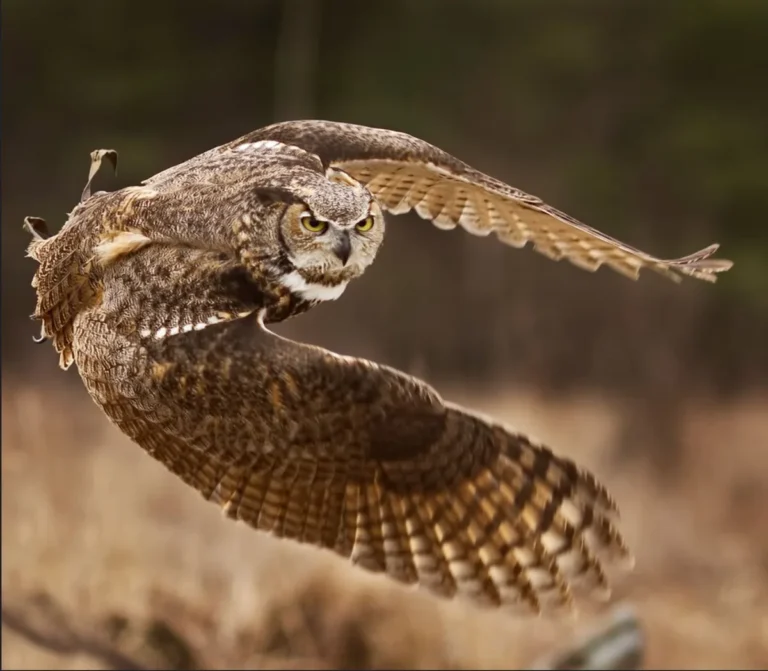
Owls have incredible eyesight, but their eyes are fixed in their sockets, meaning they can't roll their eyes to look around. To compensate, they've evolved a super flexible neck that lets them scan their surroundings for prey or predators without moving their entire body. This is a huge advantage when you're trying to be stealthy.
In fact, an owl's neck contains approximately 14 cervical vertebrae, nearly double the seven found in humans, providing them with exceptional rotational capabilities according to ornithological research.
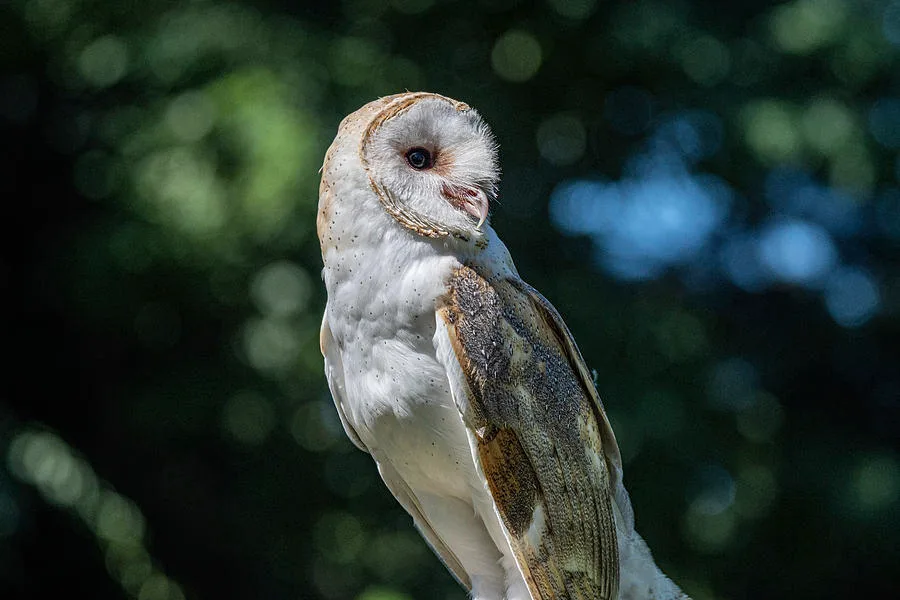
Image source: Web (Bing) / pixels.com (Web image (fair-use with source credit))
Quick Answer
Owls can turn their heads about 270 degrees. They can't spin them a full 360 degrees. This is due to special adaptations in their neck bones and blood vessels.
It allows them to see prey and predators without moving. This extreme flexibility is vital for their survival.
What's the Big Deal with Owl Necks?
So, what makes an owl's neck so different? It all comes down to their lifestyle and evolutionary needs. Unlike us, who can twitch our eyes in our sockets to follow a fly buzzing past, an owl's eyes are large and fixed.
Think of them more like binoculars than swiveling cameras.
This limitation means that to get a full picture of what's happening around them, they absolutely have to turn their heads. And when you're a nocturnal hunter, spotting every tiny rustle in the undergrowth or keeping an eye out for anything that might want to eat you, being able to scan nearly your entire surroundings is a massive advantage. It's not just for show; it's a critical part of their hunting strategy and self-preservation.
How Do Owls Turn Their Heads So Far?
This is where it gets truly remarkable. If you or I tried to twist our heads even half as far as an owl can, we'd be in serious trouble. Our neck arteries, the ones that supply blood to our brains, would get severely kinked, potentially cutting off blood flow and causing major damage.
Owls, however, have a suite of biological marvels that prevent this from happening.
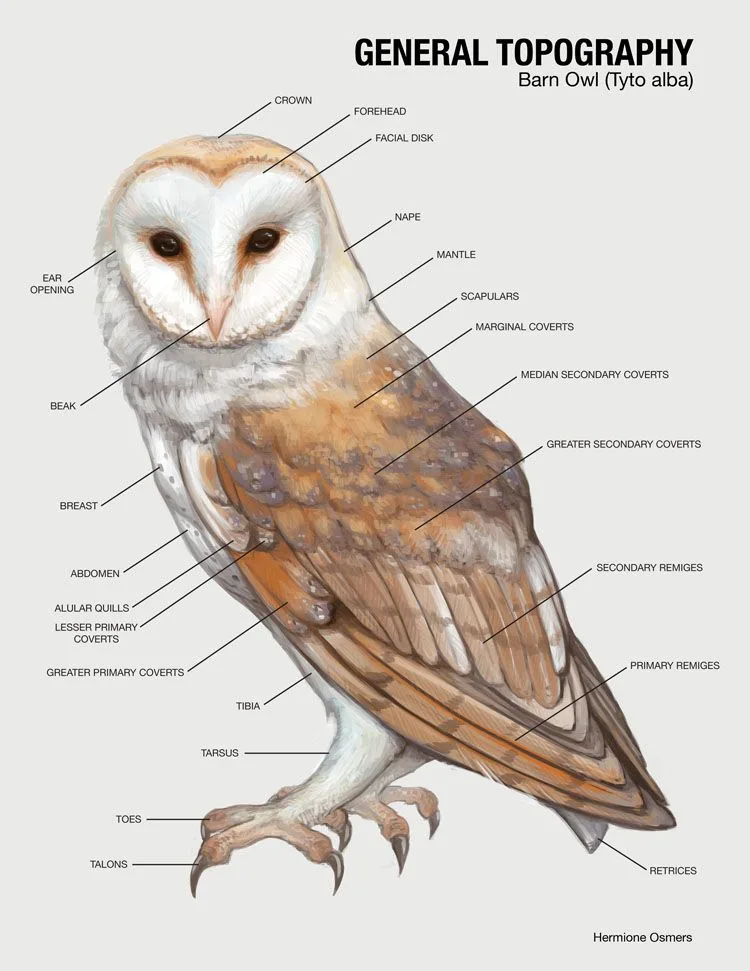
Image source: Web (Bing) / es.pinterest.com (Web image (fair-use with source credit))
The Bone and Blood Superpowers
It's a combination of structural and circulatory adaptations that allow for this extreme range of motion. Think of it as a sophisticated engineering solution designed by nature over millions of years. These aren't just minor tweaks; they are fundamental differences in how an owl's neck is built and how blood is managed.
More Neck Bones Than You Think
One of the most significant factors is the sheer number of bones in an owl's neck. Humans have seven cervical vertebrae. Owls, on the other hand, typically have around 14.
This almost doubling of the vertebral count gives them a much greater degree of flexibility, allowing for those impressive rotations. It’s like having more hinges in a door, enabling it to swing much wider.
The Secret Life of Owl Arteries
The real magic, however, lies in their circulatory system. To handle the stress on their blood vessels, owls have evolved unique adaptations. Their arteries, particularly the vertebral arteries that run through the neck, are much larger and have specialized reservoirs at the base of the skull.
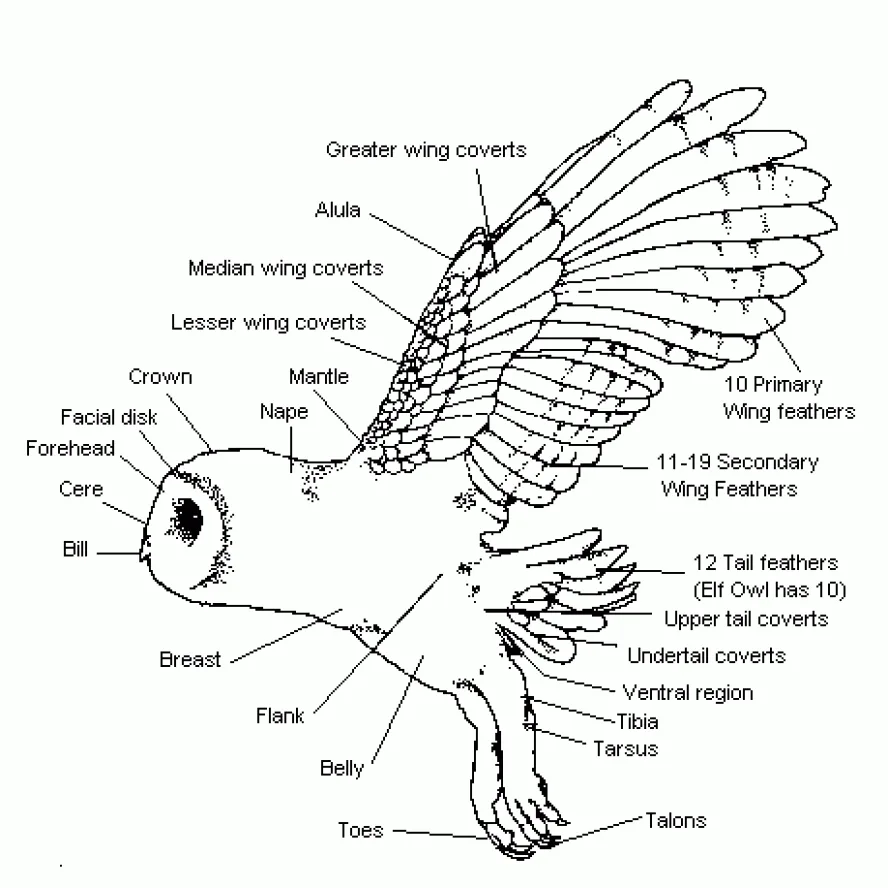
Image source: Web (Bing) / pinterest.co.uk (Web image (fair-use with source credit))
These reservoirs act like tiny buffer zones. When the owl rotates its head, blood can flow into these pockets, preventing the arteries from being completely pinched off. Additionally, owls have a redundant blood supply system, with extra arteries connecting in ways that ensure continuous blood flow to the brain, even when the neck is at an extreme angle.
This intricate network ensures their brains stay oxygenated, no matter how far they twist.
How Far Can They Actually Twist?
While the idea is that they can turn their heads "all the way around," it's not quite a full 360 degrees. Scientific studies and observations consistently show that owls can rotate their heads approximately 270 degrees in either direction from the center.
This means they can see almost directly behind them without moving their bodies at all. Imagine being able to look over your shoulder with just a head turn, and then some! This 270-degree range is more than sufficient for their needs.
It allows them to survey their environment comprehensively, making them incredibly efficient hunters and adept at avoiding danger.
Why This Extreme Neck is a Survival Essential
For an owl, its hyper-flexible neck isn't a quirky trait; it's a fundamental tool for survival. This adaptation is directly linked to how they hunt, how they avoid becoming prey, and their overall ability to thrive in their environment.
Spotting Dinner in the Dark
Owls are masters of stealth, often hunting at dawn, dusk, or throughout the night. Their hunting success relies on spotting the slightest movement of small prey, like rodents or insects, which can be incredibly difficult to detect. Because their eyes are fixed, they can't scan their surroundings by simply looking left or right.
The ability to rotate their heads allows them to quietly scan wide swathes of territory, pinpointing potential meals without giving away their position with body movements. This ability is crucial for their survival as predators.
Staying Safe from Predators
Just as they need to find food, owls also need to be acutely aware of any threats to their own safety. While they are formidable hunters, they can also fall victim to larger predators or even territorial disputes with other birds. Their wide field of vision, enabled by head rotation, is their first line of defense.
It allows them to monitor for danger from any direction, giving them early warning and the chance to escape or defend themselves. This constant vigilance is key to their survival in the wild.
Human Necks vs. Owl Necks: A Quick Look
It's fascinating to compare the owl's neck to our own. As mentioned, we humans have seven cervical vertebrae, a standard number for many mammals. This arrangement provides us with a good range of motion for everyday activities, but it’s nowhere near the rotational capability of an owl.
When we try to turn our heads significantly, we are limited by the structure of our vertebrae, the muscles that connect them, and, crucially, the pathways for our carotid and vertebral arteries. These arteries are fairly fixed as they pass through the neck, and severe twisting can easily compromise blood flow, leading to dizziness or worse. This is why our 180-degree limit is a necessary safety feature.
The owl's approximately 270-degree rotation, facilitated by its unique vertebral count and specialized vascular system, highlights a striking evolutionary divergence. Research published in the Journal of Experimental Biology detailing comparative anatomy between avian and mammalian species often points to these differences as prime examples of adaptive evolution.
Frequently Asked Questions About Owl Necks
Can any other birds turn their heads as far as owls?
While many birds have good neck flexibility, owls are exceptional. Some raptors have a more limited rotation than owls but more than humans. However, no other known bird species consistently demonstrates the extreme 270-degree rotation with the same specialized adaptations as owls.
What happens if an owl's neck does get injured?
Neck injuries in owls, like in any animal, can be severe. Given the complexity of their neck anatomy, damage to the vertebrae, muscles, or blood vessels can be debilitating or fatal. Unfortunately, injured owls are unlikely to survive in the wild due to their reliance on keen senses and mobility for hunting and predator avoidance.
Rehabilitators focus on stabilization and specialized care, but successful recovery and return to the wild for severe neck injuries are rare.
Are there any risks to an owl if it rotates its head too much?
The specific adaptations in an owl's neck and blood vessels are designed to prevent damage. Unlike a human, an owl's anatomy is built to withstand extreme rotation without blocking blood flow or causing physical trauma to its arteries or bones. This evolutionary design means the risks associated with extreme neck movement are largely mitigated for the owl itself.
How do owl eyes differ from human eyes, and why does it matter?
Owl eyes are large and fixed within their sockets, providing excellent binocular vision for depth perception during hunting. This contrasts with human eyes, which are smaller and highly mobile, allowing us to scan our surroundings with eye movements alone. Because owl eyes are immobile, they depend entirely on neck rotation to look around, making their extreme neck flexibility a vital compensatory mechanism.