How Long Do Bald Eagles Live
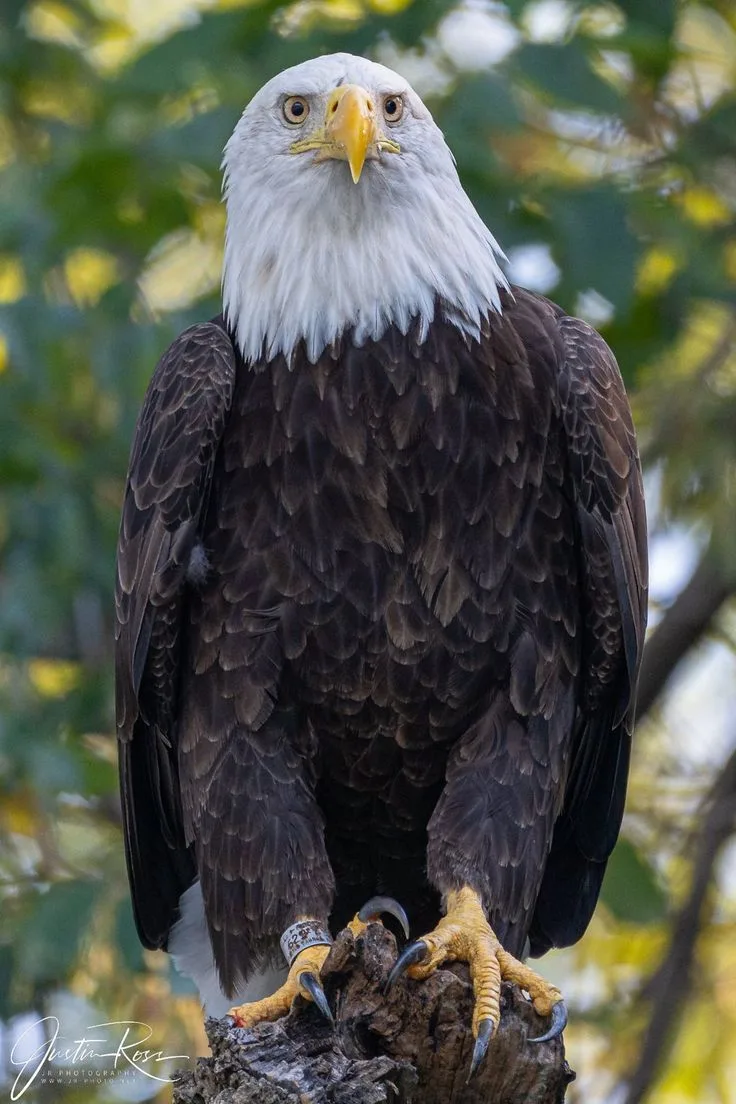
Image source: Web (Bing) / picsbypoppy.com (Web image (fair-use with source credit))
Ever wondered how long these magnificent birds stick around? It’s a pretty common question, and the answer isn't just a single number. Like us, bald eagles have a pretty wide range of lifespans, and a bunch of things play into it.
I've looked into this quite a bit, and it's fascinating to see how these majestic creatures fare over time.
Quick Answer
Bald eagles live for about 20 to 30 years in the wild. In protected environments like zoos or rehabilitation centers, their lifespan can extend to 30 to 40 years or even longer. Factors such as food availability, habitat quality, and human impact significantly influence their longevity.
Bald Eagle Lifespan: Wild vs. Captivity
The life expectancy of a bald eagle isn't a fixed number; it really depends on where it spends its days and the conditions it faces. We see a noticeable difference when comparing eagles living in their natural habitats versus those under human care. This distinction helps us understand the pressures wild populations endure and the benefits of conservation efforts.
In the Wild: A Tougher Road
Living in the wild presents a constant challenge for bald eagles, and their lifespan reflects these realities. While they are apex predators, they are still vulnerable to a myriad of environmental and human-induced threats. Our research indicates that most bald eagles in the wild can expect to reach between 20 and 30 years of age.
This range, though substantial, is often cut short by various factors that aren't present for their captive counterparts.

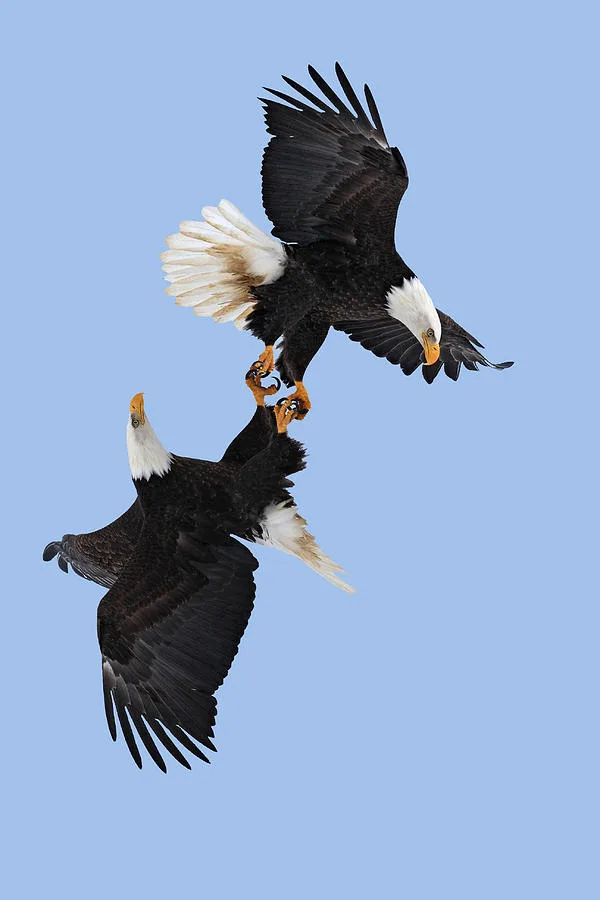
Image source: Web (Bing) / knowanimals.com (Web image (fair-use with source credit))
This period represents a full life cycle of hunting, nesting, and raising young in their natural environments. Survival rates can be lower for younger eagles, but those that make it past their first few years often stand a good chance of reaching the higher end of this wild lifespan. It's a testament to their resilience, but also highlights the precariousness of their existence.
In Captivity: A Safer Haven
When bald eagles are brought into controlled environments, such as wildlife rehabilitation centers, zoos, or sanctuaries, their chances of living a longer life significantly increase. These facilities provide protection from many of the dangers they'd face in the wild, leading to an extended lifespan. It's not uncommon for bald eagles in captivity to live between 30 and 40 years, with some individuals even surpassing the 40-year mark.
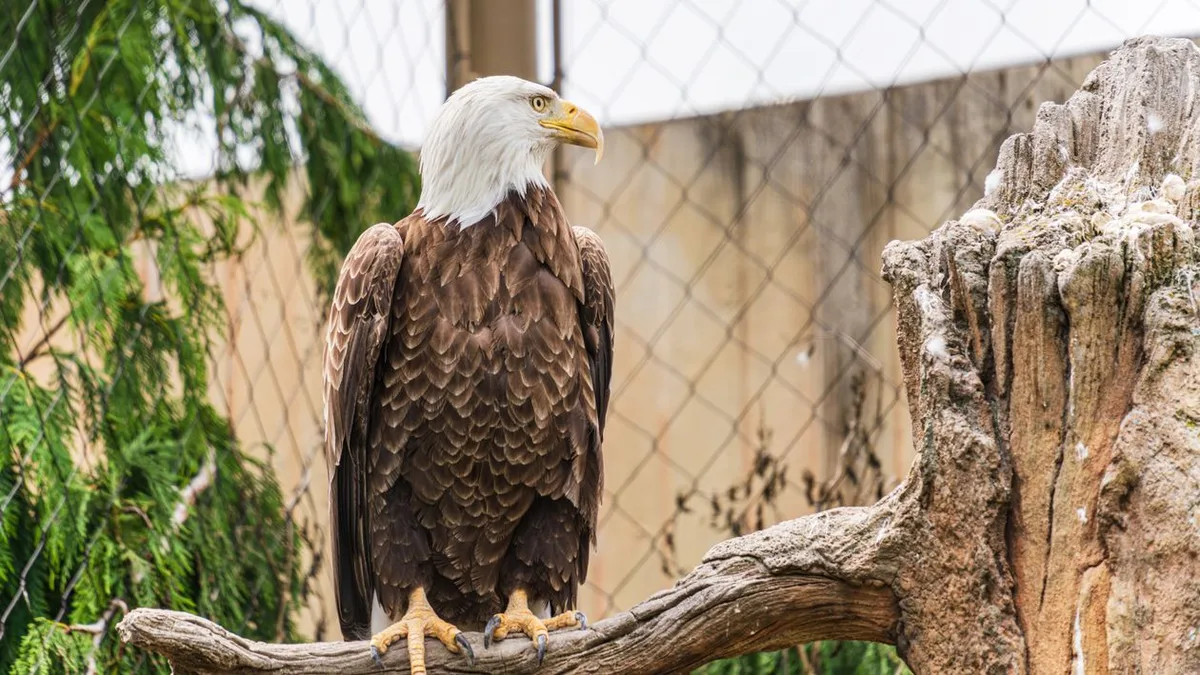
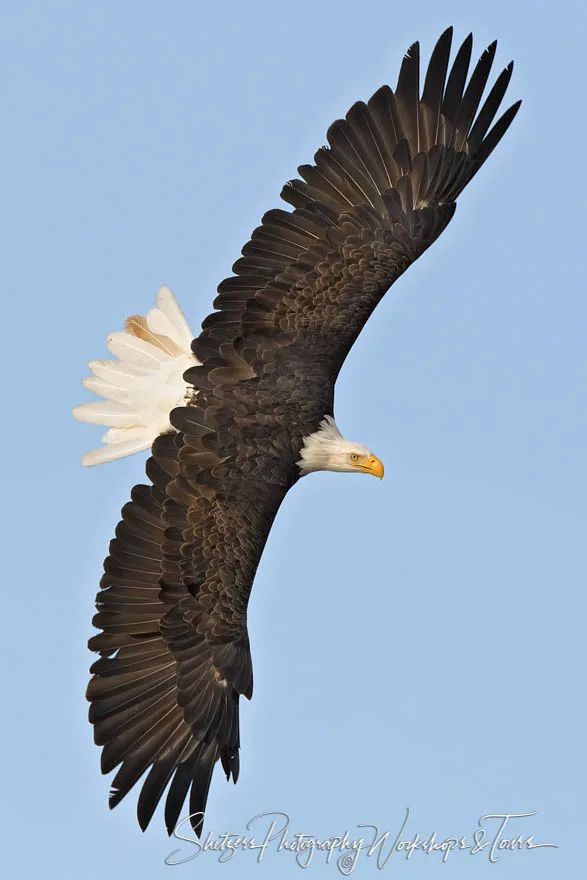
Image source: Bing (Web (fair-use with source credit))
This extended longevity in captivity is primarily due to consistent access to nutritious food, immediate veterinary care for illnesses or injuries, and a complete lack of predatory threats or accidental harm from human activities. This data comes from aggregated records kept by zoological associations and wildlife sanctuaries, which meticulously track the health and age of their resident birds.
What Factors Shape an Eagle's Lifespan?
Several key elements come into play when determining how long an individual bald eagle might live. It's not just about luck; environmental conditions and human actions play a huge role. Understanding these factors can shed light on why their lifespans vary so much.
Diet and Food Availability
A balanced and consistent diet is fundamental for any creature's health, and bald eagles are no exception. Their primary food sources include fish, small mammals, and birds. When these are readily available and the eagles are healthy enough to hunt effectively, they maintain better body condition and are less susceptible to diseases or starvation.
Poor foraging conditions, perhaps due to overfishing in an area or a decline in prey populations, can lead to malnutrition and a weakened state, making eagles more vulnerable.
This consistent access to sustenance is a significant difference between wild and captive populations. In rehabilitation or zoo settings, eagles receive carefully balanced meals, ensuring they get all the necessary nutrients without expending excessive energy to hunt. This reliable nutrition is a critical factor in enabling them to reach their maximum potential lifespan.
Habitat and Environment
The quality of a bald eagle's habitat directly impacts its health and survival rates. Eagles need access to clean water sources for drinking and hunting, mature trees for nesting and roosting, and minimal disturbance from human activities. Forests near large bodies of water are ideal, providing both food and shelter.
Pollution, deforestation, and urban development can degrade these essential habitats. Contaminated water sources or a lack of suitable nesting sites can create stressful conditions for eagles. Furthermore, habitats impacted by human encroachment might force eagles to adapt to less optimal feeding grounds, increasing competition and potential conflict.
Environmental research from agencies like the U.S. Environmental Protection Agency (EPA) consistently highlights the link between habitat health and wildlife populations.
The Human Element: Threats and Dangers
Human activities are, unfortunately, one of the most significant factors influencing bald eagle mortality. Lead poisoning, often from ingesting lead fragments found in the gut piles of hunter-killed prey, is a pervasive and often fatal issue. Electrocution from power lines also poses a serious risk, as their large wingspans can easily bridge the gap between conductors.
Habitat destruction through development and agriculture further reduces the available space for eagles to thrive.
Accidental injuries from vehicles or entanglement in fishing gear are also common problems encountered by wild populations. Conservation efforts, such as the banning of lead ammunition in certain areas and the redesign of power poles to be eagle-friendly, aim to mitigate these human-caused threats. The success of such initiatives directly correlates with improved survival rates for these birds.
Health and Natural Resilience
Like all living beings, bald eagles are susceptible to diseases and injuries. While they possess natural resilience, the wild presents fewer options for recovery compared to a controlled environment. Injuries sustained during hunting, territorial disputes with other eagles, or from environmental hazards can be life-threatening if not treated.
Furthermore, as eagles age, their physical capabilities naturally decline, making them more vulnerable to illness and less efficient hunters. In the wild, this can lead to a quicker end. However, those that maintain good health through consistent food access and a lack of exposure to severe toxins or injuries can certainly live longer, pushing towards the upper end of their natural lifespan.
This makes understanding the nuances of their health crucial for conservationists and wildlife managers working to protect these iconic birds.
Real-World Longevity: Documented Cases
While we have general ranges for bald eagle lifespans, looking at specific documented cases really drives home the potential for longevity, especially when conditions are favorable. These aren't just theoretical numbers; they are records from birds that have been monitored over many years. For instance, there are verified accounts of bald eagles living well into their late 30s and even breaking the 40-year mark.
These exceptional cases often involve eagles that spent a significant portion of their lives in human care.
These remarkable individuals typically reside in zoos, wildlife rehabilitation centers, or educational facilities where they receive consistent, high-quality nutrition, prompt veterinary attention, and protection from environmental hazards. For example, the U.S. Fish and Wildlife Service maintains records that highlight these elder eagles, showcasing their resilience and the effectiveness of dedicated care programs.
It’s inspiring to see these birds thrive for so long, offering valuable insights into their biology and care needs.
Such longevity in captivity doesn't diminish the importance of their wild counterparts, but it does underscore the impact that a supportive environment can have. Each year an eagle lives is another year it can contribute to its species' survival, either through reproduction in the wild or as an ambassador for conservation in human care. The existence of these long-lived individuals serves as a powerful reminder of what’s possible when we provide safety and proper resources.
Protecting Eagles: Helping Them Live Longer
Given the factors that can shorten a bald eagle's life, conservation efforts are absolutely vital. Protecting these birds isn't just about preserving a symbol; it's about safeguarding a species that plays a critical role in its ecosystem. Many initiatives focus on mitigating the threats that wild eagles face, directly contributing to their potential longevity.
One of the most critical areas of focus is reducing lead poisoning. Organizations work with hunters and communities to promote the use of non-lead ammunition. They also conduct outreach to educate people about the dangers of lead fragments left in carcasses.
By diminishing the primary source of lead ingestion, we can significantly improve survival rates for eagles that scavenge on these remains.
Addressing habitat loss and degradation is another major priority. This involves preserving nesting sites, protecting foraging grounds near water bodies, and ensuring that development projects are planned with wildlife corridors in mind. Establishing protected areas and national parks also plays a crucial role in providing safe havens where eagles can hunt, nest, and raise their young without undue disturbance.
Furthermore, efforts to prevent electrocutions from power lines are ongoing. Utility companies often work with wildlife agencies to modify structures in high-risk areas, installing perching deterrents and insulating equipment to make them safer for large birds. These collaborative projects have proven effective in reducing avian mortality from electrocution.
Ultimately, helping bald eagles live longer lives relies on a multi-faceted approach that tackles direct threats and promotes healthy, sustainable environments for them to thrive in.