How Far Can an Eagle Fly
When you consider how far can an eagle fly, the answer changes based on whether the bird is hunting or migrating. Eagles are master energy managers that prefer to glide rather than flap their wings.
Most days, these raptors stay within a modest range while hunting. However, when the seasons change, they can travel hundreds of miles in a single day. As of 2026, research from the [U.S.
Geological Survey](https://www.usgs.gov) continues to track these impressive movements across North America.
Quick Answer
Eagles can fly up to 20 miles daily while foraging. They cover 100 to 200 miles during migration. Strong winds allow for longer distances.
Some eagles travel 300 miles in one day. These birds rely on thermals to save energy.
The Daily Reality vs. The Long-Haul Migration

Image source: Web (Bing) / pexels.com (Web image (fair-use with source credit))
An eagle's flight habits are governed by two distinct priorities: food security and seasonal movement. When an eagle establishes a territory, it rarely wanders far. It learns every local tree and shoreline to maximize its hunting efficiency.
During this sedentary phase, the bird functions like a local commuter. You will typically find them within 5 to 20 miles of their nesting site. They spend much of this time perched or soaring in tight circles.
Migration is an entirely different biological requirement. When food sources dry up or temperatures drop, the bird shifts to a long-haul flight pattern. They abandon their home range and head toward warmer climates or better fishing grounds.
In these instances, the goal is distance. They do not hunt while moving. They fly from dawn until dusk to reach their destination as quickly as possible.
This transition from homebody to traveler is why the distance they cover fluctuates so drastically.
Understanding Thermal Soaring and Energy Efficiency
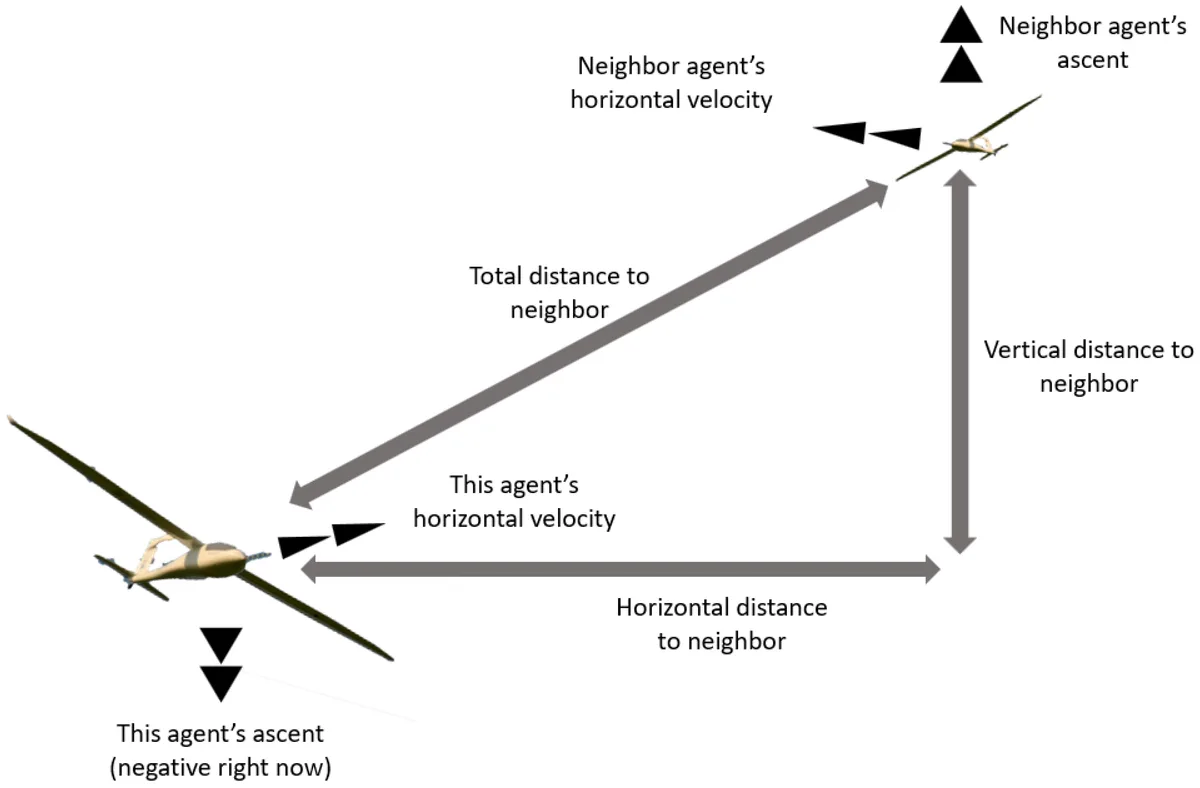
Image source: Web (Bing) / mdpi.com (Web image (fair-use with source credit))
Eagles are not built for constant, flapping flight. Their large wingspans make flapping a calorie-heavy task that would leave them exhausted within an hour. Instead, they rely on thermal soaring to stay airborne.
A thermal is a rising column of warm air created when the sun heats the ground unevenly. The eagle enters this column and spirals upward, gaining altitude without using muscle power. Once they reach the top, they glide toward the next thermal.
This staircase method allows them to traverse massive distances with minimal effort. It is essentially a free ride provided by atmospheric physics. If you see an eagle circling, it is almost certainly harvesting this lift.
If there are no thermals, the eagle stays on the ground. This happens during rain, thick cloud cover, or very calm mornings. Without the sun to heat the earth, the fuel for their flight simply disappears.
Tracking the Numbers: Foraging Range vs. Migratory Distance
It helps to look at the specific data points to understand the scale of their travel. The difference between a daily patrol and a migration push is significant.
- Standard Foraging Range: 5 to 20 miles. This is the routine travel for an adult bird hunting in a stable environment.
- Active Migration Daily Average: 100 to 200 miles. This occurs during the spring or fall when the bird has a clear geographic goal.
- Peak Displacement: 300+ miles. This is the extreme upper limit, usually recorded when a bird catches a strong tailwind and perfectly spaced thermals.
These numbers illustrate why eagles are such successful predators. They are capable of covering massive amounts of ground when necessary, but they are smart enough to stay put when energy efficiency matters more than speed. Their survival strategy is built on knowing when to move and when to wait.
Environmental Limits: When Weather Grounds the Flight
Eagles are highly susceptible to weather conditions. Even the most powerful flyer cannot overcome a lack of lift. Cold, dense air or lack of sunshine acts as a natural hard stop for their travel plans.
Wind direction also plays a massive role in how far they can fly. A strong headwind can effectively ground an eagle. They do not have the endurance to fight against stiff breezes for long stretches.
They also struggle with major geographical barriers. While they can cross lakes and large rivers, they often follow mountain ridges or coastlines. These features help channel the wind and create reliable updrafts.
If you are trying to predict their movement, look at the weather report. A clear, sunny day with moderate wind is perfect for long-distance travel. A heavy, stagnant, or rainy day is when you should expect them to stay tucked away in the trees.
Data-Driven Insights from GPS Telemetry
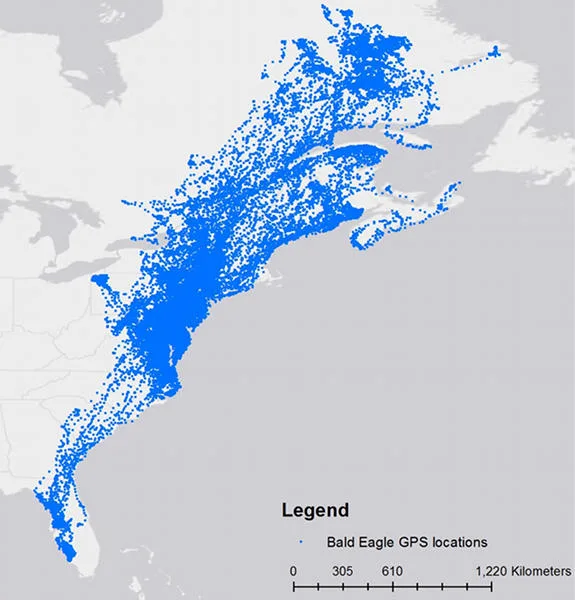
Image source: Bing (Web (fair-use with source credit))
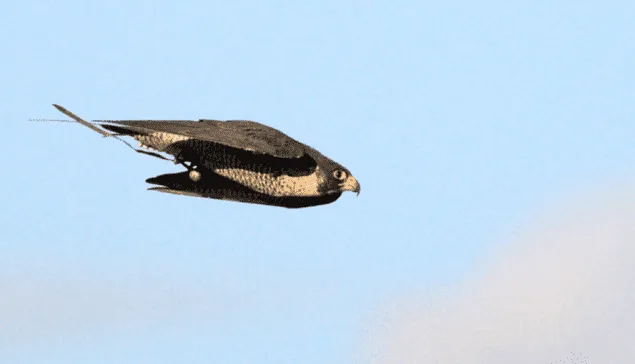
Modern biology has moved past guessing how far these birds travel. Researchers now attach miniature GPS transmitters to birds to track their exact movements. This Cornell Lab of Ornithology data has confirmed what field observers suspected for years.
The telemetry shows that eagle movement is rarely a straight line. They zig-zag, circle, and hover based on the topography beneath them. They follow the path of least resistance across the continent.
These devices have also shown that juvenile eagles travel much differently than adults. Young birds often wander widely, sometimes covering thousands of miles in their first two years. They are exploring and learning the landscape rather than staying in a fixed home range.
This technology has turned the question of their travel distance into a measurable metric. We now know that their flight paths are as much about the physical environment as they are about the bird's own stamina. They are navigating a complex web of air currents that we are only just beginning to map.
Practical Tips for Predicting Eagle Sightings
You can significantly improve your chances of spotting an eagle by observing the local weather patterns. Timing is everything because these birds are most active when the atmospheric conditions allow for energy-efficient flight.
If you are heading out to watch for them, prioritize mid-day hours. This is when the ground temperatures are highest, leading to the strongest thermal development. Mornings are often too cool for the birds to gain significant altitude without heavy flapping.
Keep an eye on the wind as well. Eagles prefer to soar along ridges or coastlines where the wind hits an obstacle and pushes upward. These geographic features act as natural flight highways for them.
| Weather Condition | Probability of Flight | Expected Behavior |
|---|---|---|
| Sunny and Warm | High | Soaring in thermals |
| Overcast and Cool | Low | Perched in sheltered areas |
| Strong Headwinds | Low | Grounded or low-altitude flight |
| Light Breeze, Clear | High | Active patrol and hunting |
Avoid looking for eagles during heavy rain or storms. They will almost always stay put until the weather clears to protect their feathers and conserve body heat. Focus your search near open water or large fields where prey is easy to spot from high altitudes.
Frequently Asked Questions
Can eagles fly in the rain?
Eagles generally avoid flying in heavy rain. The moisture makes their feathers heavy and reduces their ability to maintain lift. They will typically find a sheltered spot and wait for the rain to stop before resuming their search for food.
Do eagles fly at night?
Eagles are diurnal, meaning they are active during the day and rest at night. They lack the specialized night vision required to hunt effectively in the dark. You will almost never see an eagle flying once the sun goes down.
How high can an eagle fly?
Eagles can reach heights of over 10,000 feet when soaring in powerful thermals. They do not usually stay at this altitude for long periods, as their primary hunting grounds are much closer to the ground. They climb high to get a better vantage point or to travel long distances.
Why do eagles circle in the sky?
Circling is a primary technique for energy conservation. The circular motion keeps the bird inside a rising column of warm air, or thermal. By staying within this narrow column, they gain altitude for free without needing to flap their wings constantly.
How fast can an eagle fly?
While their standard cruising speed is around 30 miles per hour, they can dive much faster. During a hunting strike, an eagle can reach speeds of over 100 miles per hour. Their flight speed during migration is usually limited by the speed of the winds they are using to travel.