Where Do Penguins Live
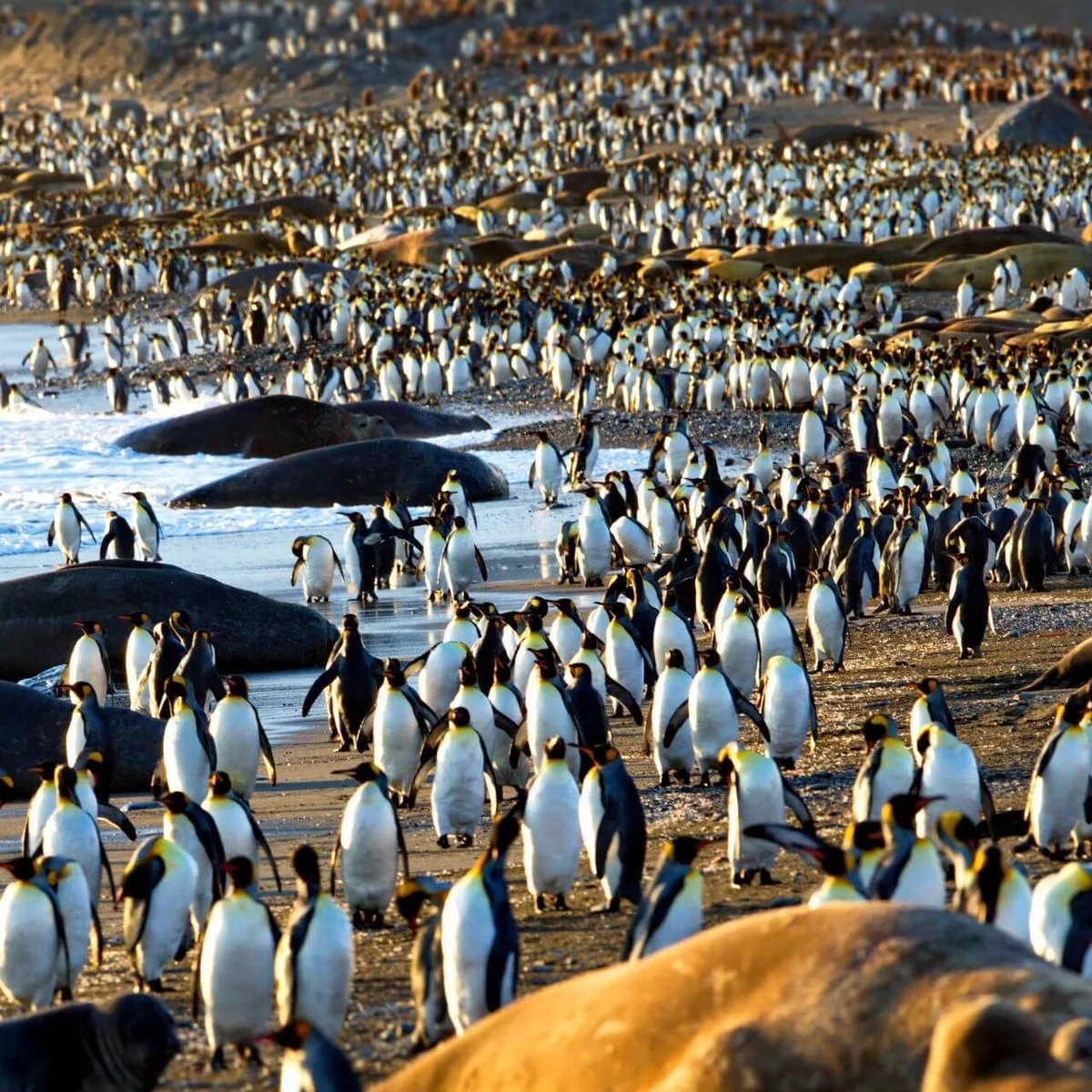
Image source: Bing (Web (fair-use with source credit))
Where Do Penguins Actually Live? More Than Just Ice!
Ever pictured penguins and immediately thought of icy landscapes? While that's definitely part of the story, it's not the whole picture. Many people are surprised to learn just how widespread penguin populations are across the globe, thriving in environments far from the stereotypical frozen tundra.
Our research confirms that these fascinating birds have adapted to a surprisingly diverse range of climates and coastlines in the Southern Hemisphere. You don't need to travel to the South Pole to spot a penguin; their natural habitats stretch across continents and islands, each supporting different species with unique needs.
Quick Answer
Penguins primarily live in the Southern Hemisphere, with diverse habitats from Antarctica to temperate coasts. They inhabit regions like South America, Australia, New Zealand, and South Africa, seeking access to food and safe breeding grounds.
Penguin Hotspots: Beyond Antarctica
Most people's minds jump straight to Antarctica when they think of penguins, and it's true that some iconic species, like the Emperor and Adélie penguins, call this vast icy continent home. But the reality is, penguin diversity is far richer, and their range extends well beyond the sub-zero extremes. These flightless birds have carved out niches in a variety of coastal environments, demonstrating remarkable adaptability.
Southern Hemisphere Shores
The overwhelming majority of penguin species are found exclusively in the Southern Hemisphere. This geographical limitation is key to understanding their distribution. Unlike many bird species that migrate across hemispheres, penguins are largely confined to the waters and landmasses south of the equator.
This has led to unique evolutionary paths and a concentration of species in specific regions.
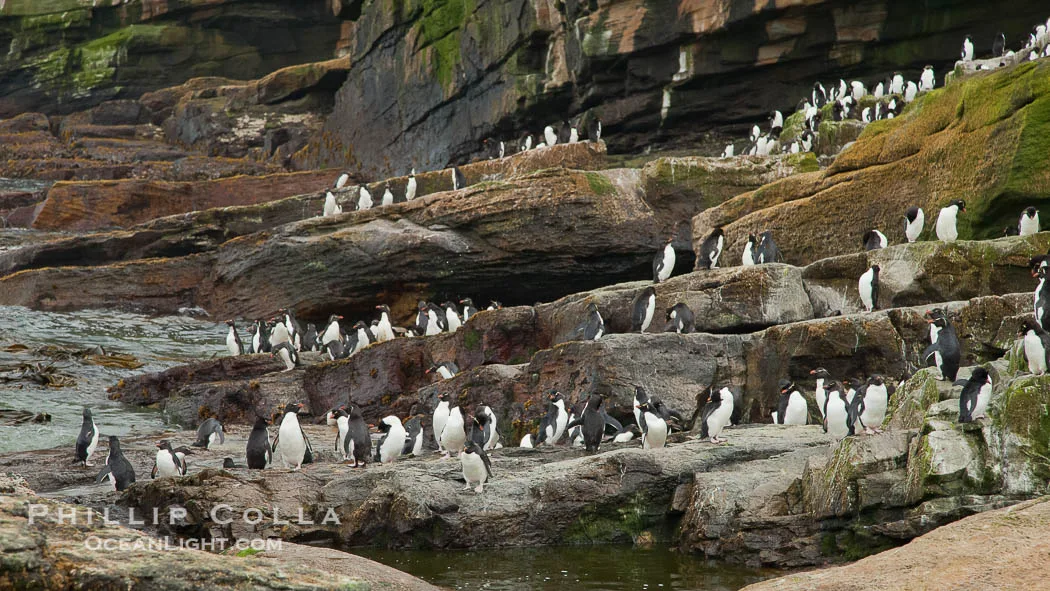
Image source: Bing (Web (fair-use with source credit))
South America's Penguin Colonies
South America boasts a significant number of penguin species. Along the coastlines of countries like Argentina and Chile, you'll find bustling colonies of Magellanic penguins. These birds are known for their distinctive braying calls, which can fill the air during breeding season.
Further north, Peru is home to the Humboldt penguin, adapted to the cooler waters of the Humboldt Current.
Down Under: Australia & New Zealand's Penguins
Australia and New Zealand are also prime penguin real estate. New Zealand, in particular, is home to several penguin species, including the Fiordland penguin and the Snares penguin, found on its remote southern islands. Australia is famously the home of the Little Blue Penguin, the world's smallest penguin species, which can be seen on the southern coasts and islands, including Phillip Island, Victoria.
African Penguins: A Unique Coastline
On the continent of Africa, the African penguin makes its home along the southwestern coast, primarily in South Africa and Namibia. These penguins, also known as Jackass penguins due to their donkey-like bray, nest in burrows dug into guano-covered islands or mainland colonies. Their habitat is influenced by the cool Benguela Current, which brings nutrient-rich waters that support their food sources.
What Makes a Penguin Habitat Ideal?
Penguins aren't just randomly distributed; their presence in certain areas is directly linked to essential survival needs. Research consistently highlights a few core requirements that dictate where different species choose to live and breed. These factors are crucial for everything from raising chicks to finding their next meal.
Finding Food: The Ocean's Bounty
The primary driver for any penguin's location is access to abundant food sources. Their diet consists mainly of small fish, krill, and squid. Species that inhabit colder waters, like those in Antarctica, often rely heavily on krill, a tiny crustacean that thrives in those nutrient-rich environments.
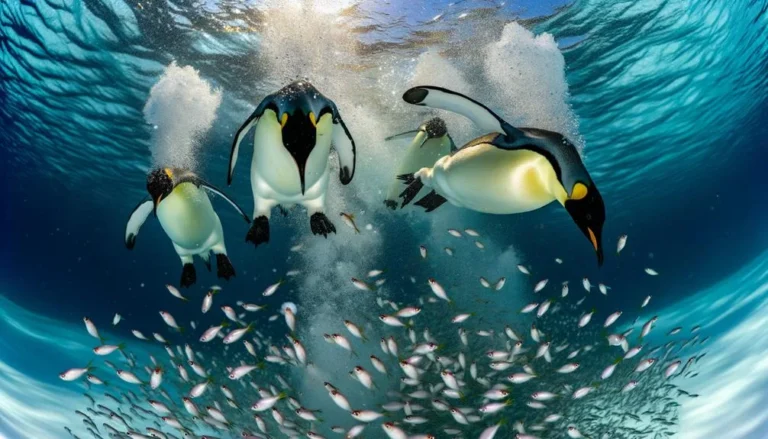
Penguins are incredible divers and swimmers, perfectly adapted to hunt in these marine ecosystems. For instance, Emperor penguins can dive to depths of over 500 meters to catch their prey.
Safe Havens: Breeding and Nesting Sites
Beyond food, penguins need secure places to breed and raise their young. This is where habitat diversity really comes into play. Some species, like the Emperor penguin, breed on sea ice during the harsh Antarctic winter, a remarkable feat of adaptation.
Others, such as the Magellanic penguin, dig burrows in soft soil or under coastal vegetation for protection from predators and the elements. Rocky outcrops and islands also serve as vital rookeries, offering elevated vantage points and fewer ground predators.
Climate Comfort: From Freezing to Mild
While many associate penguins with extreme cold, not all species are built for Antarctica. They exhibit a wide range of thermal tolerance. Emperor and Adélie penguins are classic examples of polar specialists, perfectly equipped for sub-zero temperatures.
However, species like the African penguin and the Galapagos penguin (which lives near the equator, benefiting from cool ocean currents) thrive in much milder, even temperate, climates. This means their geographic distribution is closely tied to ocean temperatures and the resulting climate of the coastal regions they inhabit.
Penguin Species and Their Favorite Spots
It's not just about continents and oceans; the specific type of penguin you're talking about dictates precisely where it feels most at home. Each species has evolved unique adaptations to thrive in particular environments, making their geographic distribution a fascinating study in biodiversity. Understanding these differences helps us appreciate the full scope of where penguins live.
Antarctic Experts: Emperor & Adélie Penguins
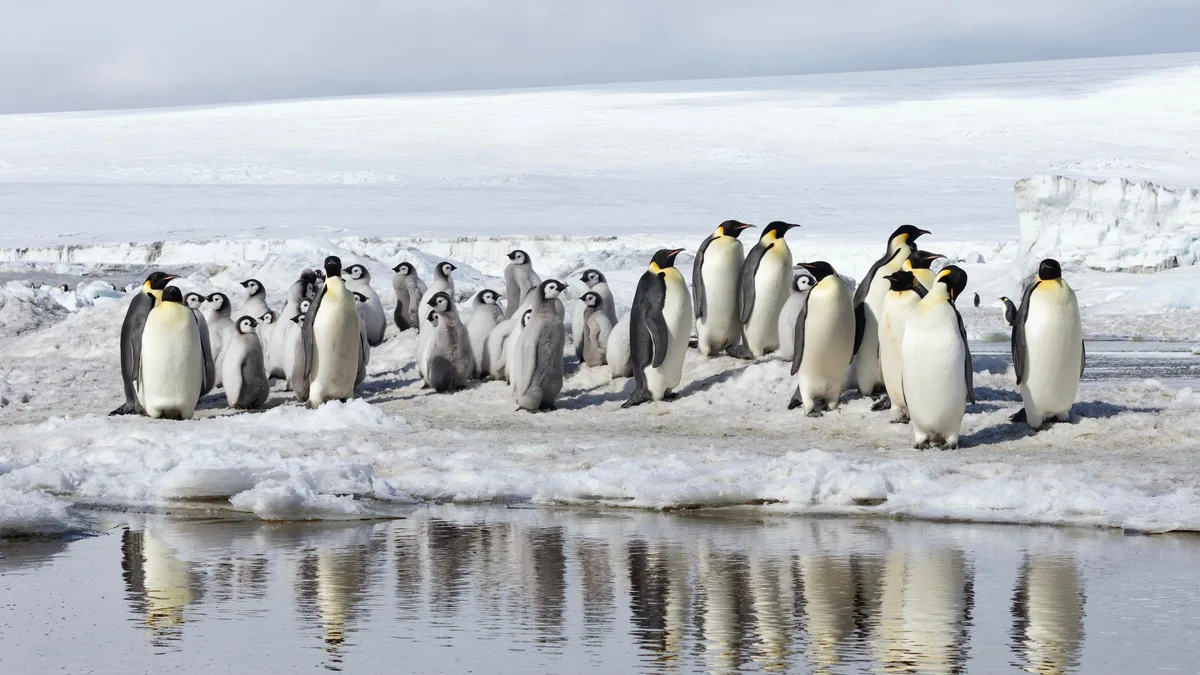
Image source: Bing (Web (fair-use with source credit))
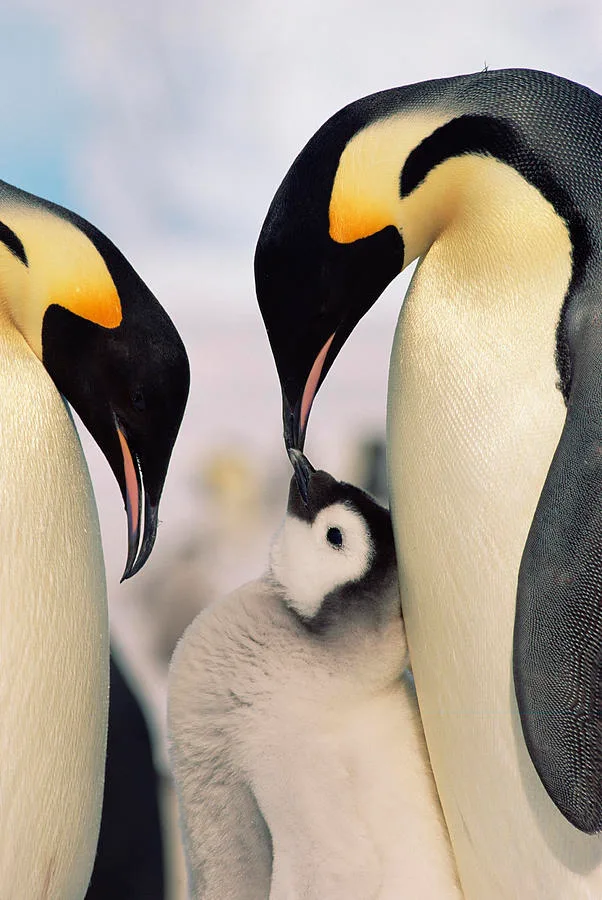
These are the penguins many people picture first. Emperor penguins ( Aptenodytes forsteri ) breed exclusively on the sea ice surrounding the Antarctic continent, enduring some of the planet's harshest conditions. They are the tallest and heaviest of all living penguin species, a testament to their need for insulation and resilience.
Adélie penguins ( Pygoscelis adeliae ) also breed on the Antarctic continent and its surrounding islands, preferring ice-free coastal areas during the warmer months for nesting. Their populations are vast, underscoring the productivity of the Southern Ocean for these species.
Temperate Zone Dwellers: Magellanic & African Penguins
Moving away from the extreme cold, species like the Magellanic penguin ( Spheniscus magellanicus ) and the African penguin ( Spheniscus demersus ) have adapted to temperate coastal regions. Magellanic penguins are found along the southern coasts of South America, including Argentina, Chile, and the Falkland Islands. They often nest in burrows dug into the soft earth or under bushes, providing shelter from the sun and wind.
African penguins, endemic to southwestern Africa, also utilize coastal islands and mainland sites, nesting in burrows or rock crevices. Their tolerance for warmer climates is supported by the cool ocean currents that provide ample food.
The Little Guys: Where Little Blue Penguins Thrive
The Little Blue Penguin ( Eudyptula minor ), also known as the Fairy Penguin, is the smallest penguin species and inhabits the coasts of southern Australia and New Zealand. Unlike their larger, polar-dwelling cousins, these penguins are masters of camouflage and nocturnal activity. They typically nest in burrows dug into sandy banks, under rocks, or in hollow logs along the coastline.
Their preference for sheltered nesting sites and their ability to forage in relatively shallow, coastal waters make them well-suited to the temperate marine environments they call home.
Visualizing Penguin Homes: What to Look For
When you're trying to picture where penguins live, it helps to have a mental checklist of what makes a place suitable. Think of it like finding the perfect vacation spot, certain features are non-negotiable. For penguins, these aren't about sandy beaches for sunbathing, but rather about survival and successful breeding.
- Coastal Access: This is paramount. Penguins are marine birds, spending much of their lives in the ocean hunting for food. So, any penguin habitat must have direct access to the sea.
- Breeding Colonies: Look for areas where penguins gather in groups, especially during breeding season. These are often protected spots like rocky shores, islands with minimal predators, or areas where they can dig burrows.
- Food Availability: Visualize waters rich with fish, krill, and squid. This often means nutrient-upwelling zones, which are common in the cooler waters of the Southern Hemisphere where many penguin species reside.
- Climate Appropriateness: While Emperor penguins thrive in Antarctic cold, others, like the African penguin, are more comfortable in temperate zones. Imagine rocky coasts, islands, or even vegetated hillsides near the ocean for these species.
Common Misconceptions About Penguin Homes
It's easy to get a simplified picture of penguins, especially from movies or nature documentaries. These often focus on the most dramatic environments, leading to a few common misunderstandings about where penguins actually live.
- Myth: All Penguins Live in Antarctica. This is the biggest one! While Antarctica is home to some very well-known species, many penguins live much further north, in temperate climates. The Galapagos penguin even lives near the equator, thanks to cool ocean currents.
- Myth: Penguins Only Live on Ice. While ice is crucial for some species like the Emperor penguin (for breeding and resting), many others live on rocky shores, sandy beaches, or even dig burrows in the ground. Their nesting sites vary greatly depending on the species and local environment.
- Myth: Penguins Can Live Anywhere in the Southern Hemisphere. While the Southern Hemisphere is their domain, penguins are quite specific about their habitat needs. They require access to food-rich oceans and suitable breeding grounds, ruling out many inland or tropical areas, even if they are south of the equator.
Frequently Asked Questions About Penguin Locations
Do any penguins live in the Northern Hemisphere?
No, all known penguin species naturally live exclusively in the Southern Hemisphere. Their evolutionary history and the distribution of food resources have confined them to this part of the globe.
Can penguins survive in tropical climates?
While most penguins prefer cooler or temperate waters, the Galapagos penguin is a notable exception, living near the equator. This is possible due to the cool Humboldt Current, which brings cooler, nutrient-rich waters to the region, supporting their prey.
Where do penguins go when they are not breeding?
When not breeding, penguins often spend extended periods at sea, following food sources. Their distribution can become much wider and more dispersed during these non-breeding periods, though they still generally stay within their preferred oceanic regions.
Are there different types of penguin habitats?
Yes, penguin habitats are very diverse. They range from the sea ice of Antarctica and sub-Antarctic islands to rocky coastlines, sandy beaches, and even vegetated islands. The specific habitat depends on the species' adaptations for breeding, nesting, and foraging.