Where Do Great Blue Herons Nest
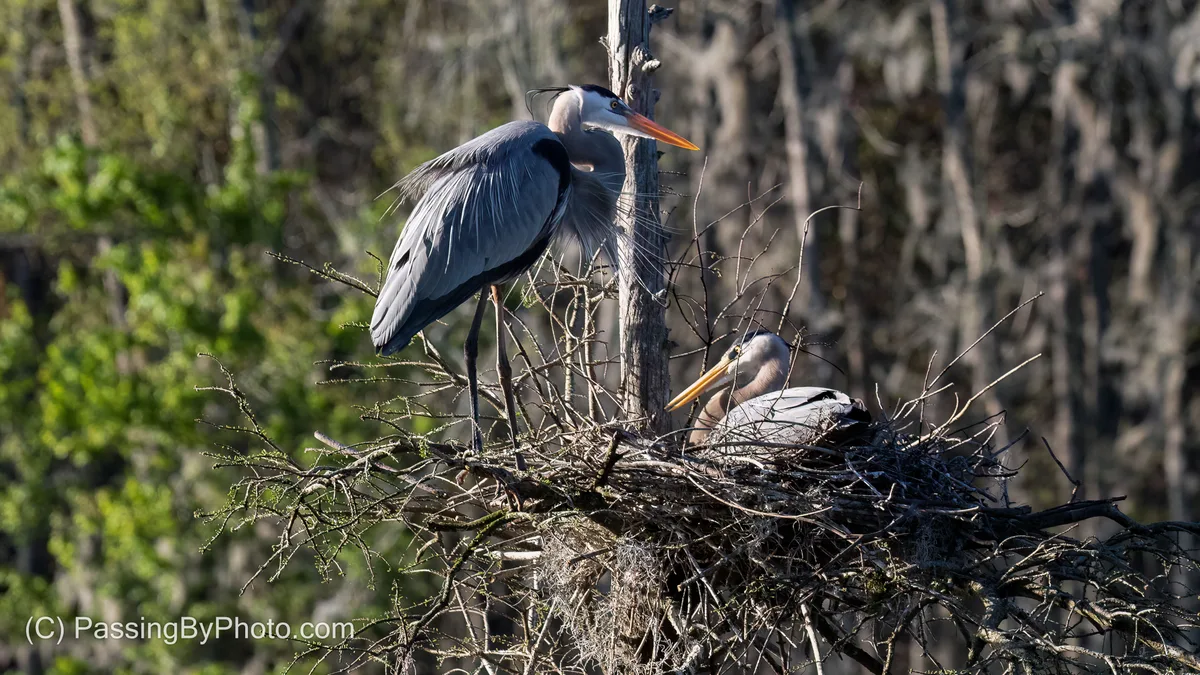
Image source: Bing (Web (fair-use with source credit))
Great Blue Herons are some of the most striking birds you'll see in North America, and understanding where they nest is key to appreciating their lifecycle. If you've ever wondered about their preferred real estate, you're not alone. These majestic wading birds have specific requirements for setting up their homes, especially when raising young.
In our research, we've found that the primary drivers for Great Blue Heron nesting site selection are water availability and protection. According to the Cornell Lab of Ornithology, a suitable nesting habitat must offer both readily accessible food sources and adequate security from predators, typically requiring mature trees near wetlands.
Quick Answer
Great Blue Herons nest in tall trees near water. They prefer secluded spots, often in colonies called rookeries. These sites offer food access and predator protection.
What Makes a Heron Nesting Spot?
A Great Blue Heron’s choice of a nesting spot isn't random; it's a calculated decision based on vital survival needs. They are looking for a place that offers safety for their vulnerable young and easy access to the food they require. This means a very specific set of environmental conditions usually needs to be met.
The Absolute Must-Haves for Heron Homes
When you're thinking about where Great Blue Herons nest, remember it's all about the essentials. There are a few non-negotiables that make a location suitable for them. Without these, you won't typically find them setting up house.
- Water, Water Everywhere: This is the most crucial element. Herons feed primarily on fish, amphibians, and small aquatic creatures. Consequently, their nests are almost always found within a reasonable distance of wetlands, lakes, rivers, marshes, or even coastal shorelines. They need a reliable food source right nearby.
- Tall, Sturdy Trees: For nesting, they prefer elevated locations that offer a degree of security. Mature trees with strong, large branches are ideal. These trees provide a platform for their bulky nests and lift them away from ground-based predators.
- Secluded Areas: While colonies can be large, individual nesting pairs or the colony as a whole seeks out spots that offer some level of privacy and protection. This might mean the tallest trees in an area or sections of woods that are less disturbed by human activity.

Image source: Web (Bing) / fity.club (Web image (fair-use with source credit))
Spotting a Great Blue Heron Nest: Key Visual Cues
Figuring out if a specific location is a potential nesting site for Great Blue Herons involves looking for a few tell-tale signs. It's like being a wildlife detective, piecing together clues from the environment and the birds' behavior. If you see these things together, you're likely in a heron hotspot.
- The Nest Itself: Herons build large, platform-like nests primarily out of sticks. These structures can be anywhere from 3 to 6 feet in diameter and are often placed on large branches or the forks of trees. They are usually quite visible once you know what to look for, especially in trees with sparse foliage.
- Surrounding Vegetation: Look at the types of trees. Herons often choose deciduous trees like oaks, cottonwoods, or maples, but they’ll also use conifers like pines or firs if they're tall and sturdy enough. The key is that the trees need to be able to support significant weight and height, often over 50 feet.
- Proximity to Water Bodies: This is a constant visual cue. Scan the landscape. Is there a significant body of water nearby, a lake, a slow-moving river, a large marsh, or a coastal area? The closer and more abundant the water, the higher the likelihood of a nesting site.
- Evidence of Activity: You might see adult herons flying in and out of the area, often carrying sticks for nest repair or food for chicks. In established colonies, you can sometimes see multiple nests in close proximity within a single grove of trees.
Understanding Heron Colonies and Rookeries
A fascinating aspect of Great Blue Heron nesting is their tendency to nest communally. These gatherings are known as colonies or rookeries, and they are buzzing hubs of activity during the breeding season. Understanding this social behavior helps explain why certain areas become prime nesting real estate.
A rookery is essentially a breeding colony where multiple pairs of Great Blue Herons nest in close proximity, often sharing a grove of trees. This communal nesting strategy offers several advantages. It provides a concentrated defense against predators; a large group of birds can mob and drive away threats more effectively than a single pair.
It also might facilitate mate-finding and social interactions beneficial for raising young.
These colonies can range in size from just a few nests to hundreds. The exact location of a rookery can shift over time based on environmental factors, food availability, and disturbance levels. Researchers often monitor these sites to track population health and breeding success.

Image source: Bing (Web (fair-use with source credit))
As of 2026, ornithological studies continue to highlight the importance of preserving these established rookeries. Disruptions to these sites, especially during the nesting season, can have significant negative impacts on breeding success. The U.S.
Fish and Wildlife Service emphasizes the need for careful management of habitats that support these colonial nesting birds.
Where They Don't Nest: Common Mistakes to Avoid
When looking for heron nests, it's just as important to know where they won't be. This helps you avoid common misconceptions and focus your search on likely areas. Many people assume herons might nest in just any tall tree, but their choices are far more specific.
- Isolated Trees Far from Water: A lone, tall tree in the middle of a dry field or a suburban backyard miles from any significant water source is highly unlikely to be a heron nesting site. Remember, water access is paramount for their food supply.
- Human-Dominated, High-Traffic Areas: While herons can adapt to some human presence, they prefer nesting sites that offer seclusion. Areas with constant noise, frequent human traffic, or active development are generally avoided. They need a peaceful environment to raise their young.
- Ground Level or Low Shrubs: Herons need height for protection. They will not typically nest on the ground, in low bushes, or on structures that don't offer a significant elevation above potential predators.
- Areas with Limited Food Sources: Even if a location has suitable trees, if the surrounding environment doesn't support a healthy population of fish, frogs, or other prey, herons will look elsewhere.
Helping Herons: Conservation and Site Protection
Understanding where Great Blue Herons nest is more than just a curious observation; it's vital for their conservation. Protecting their nesting sites ensures the continuation of their species and the health of the aquatic ecosystems they inhabit. This often involves awareness and careful management of their habitats.
Conservation efforts typically focus on preserving large tracts of undeveloped land that include wetlands and mature forests. For areas with known rookeries, minimizing human disturbance, especially during the breeding season (typically spring through early summer), is critical. This means avoiding activities like hiking, boating, or construction too close to nesting sites.
Furthermore, efforts to maintain water quality and natural water flow in wetlands and rivers are crucial. Healthy aquatic environments support the robust food chains that Great Blue Herons depend on. Organizations like the National Audubon Society often work on habitat restoration projects and advocate for policies that protect these vital bird habitats.
The success of Great Blue Herons is directly tied to the health of their environment. By understanding their nesting needs and avoiding disturbance, we can all play a part in ensuring these magnificent birds continue to thrive.
Frequently Asked Questions About Heron Nests
What is the primary food source for Great Blue Herons?
Great Blue Herons primarily feed on fish, amphibians like frogs and salamanders, and small aquatic insects and crustaceans. They are opportunistic feeders and will also consume small mammals and birds if available.
Do Great Blue Herons reuse their nests each year?
While herons may return to the same general nesting area or colony, they typically build a new nest or significantly repair an old one each breeding season. Nests can degrade over time from weather and use.
How close can people get to a heron nesting site?
It is generally advised to maintain a significant distance, at least 100-200 yards, from active Great Blue Heron nesting sites to avoid causing disturbance. This is especially true during the breeding and chick-rearing periods.
When is the breeding season for Great Blue Herons?
The breeding season varies by region but typically occurs in the spring and early summer. This is the period when nests are actively used, eggs are laid, and chicks are raised.