Why Are Flamingos Pink
Have you ever seen a flamingo and wondered why they're that incredible shade of pink? It’s a beautiful natural display, but it doesn't just happen by chance. The vibrant color of these wading birds is directly linked to what they eat and how their bodies process certain natural compounds.
In our research, we found that a flamingo's pink hue isn't innate; it develops over time, influenced by a specific dietary component. For instance, the U.S. Department of Agriculture (USDA) provides extensive information on carotenoid content in various feed sources for livestock, which helps illustrate the biological pathways involved in pigment utilization.
This fascinating transformation from a pale chick to a brightly colored adult is a testament to nature's intricate systems.
Quick Answer
Flamingos are pink because they eat foods rich in carotenoid pigments. Their bodies break down these pigments and use them to color their feathers, skin, and legs. Without this specific diet, flamingos would remain white or grey.
From Grey Chicks to Vibrant Birds: The Diet Connection
It's quite astonishing when you learn that baby flamingos aren't born with their signature pink or red plumage. They hatch looking more like fluffy, pale grey or white chicks, a far cry from the striking birds we often picture. This dramatic color change isn't a genetic switch that flips on; it's a gradual process directly tied to their feeding habits from a very young age.
From the moment they start foraging for themselves, or even through their parents' regurgitated food, flamingos are consuming a diet that's quite specific. This diet is crucial, not just for sustenance, but for building up the internal reserves that will eventually paint their feathers. It's a slow, natural dyeing process that takes place over months, and sometimes even a couple of years, depending on the species and its environment.
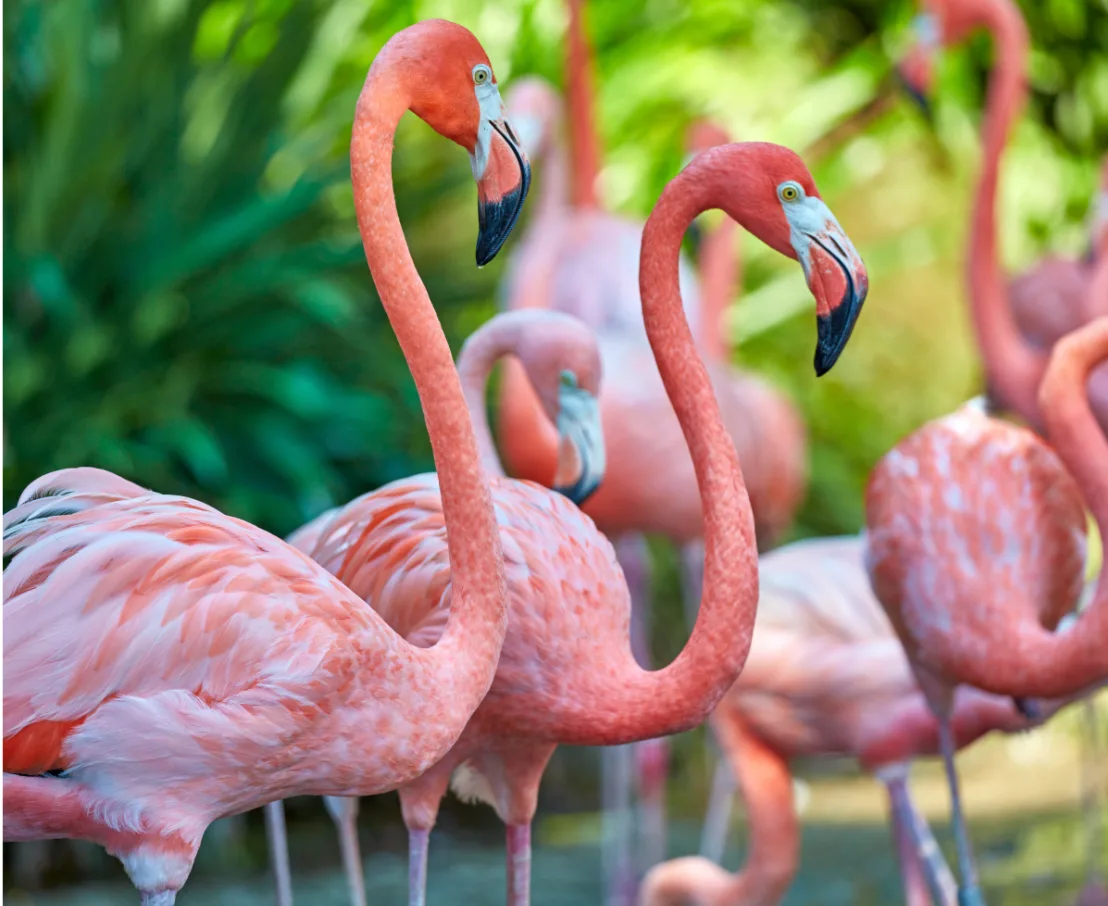
Image source: Bing (Web (fair-use with source credit))
The Pigment Powerhouse: Carotenoids
The secret to a flamingo's colorful coat lies in a group of natural chemical compounds called carotenoids. You've probably heard of some of them, like beta-carotene, which gives carrots their orange hue. These are powerful antioxidants and the primary reason for the vibrant reds, oranges, and yellows seen throughout the natural world, from autumn leaves to the feathers of many birds.
Flamingos are particularly adept at metabolizing specific types of carotenoids. These compounds are not produced by the flamingos themselves; they must be acquired through their diet. They are abundant in the microscopic algae and small aquatic invertebrates that make up a significant portion of a flamingo's menu.
Image source: Bing (Web (fair-use with source credit))
How Their Bodies Use Color: A Biological Process
Once a flamingo ingests food containing carotenoids, its digestive system goes to work. The liver plays a key role here, breaking down the complex carotenoid molecules into smaller, usable pigment components. These pigments are then absorbed into the bloodstream.
From there, the body distributes these pigments to various tissues, most notably the growing feathers, but also the skin and legs. It's this deposition of carotenoids into the keratin of the feathers that creates the visible coloration. The process is quite efficient, allowing the bird to transform from a muted juvenile to a brilliantly colored adult.
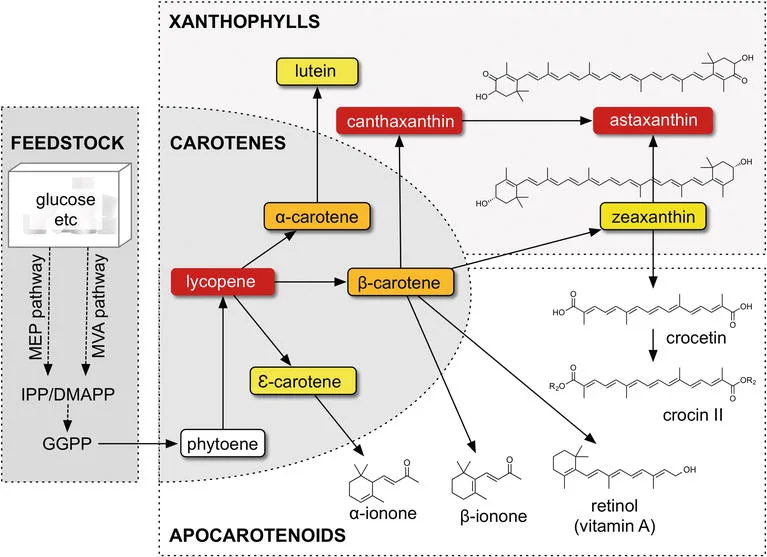
Image source: Bing (Web (fair-use with source credit))
Beyond Pink: Understanding Color Variation in Flamingos
While we often talk about flamingos being "pink," the reality is a bit more nuanced. Their coloration can range from a pale, almost white-pink to a deep, fiery red or vibrant orange. This variation isn't random; it's a fascinating indicator of several factors that influence how much pigment a flamingo ultimately displays.
The primary driver for this color spectrum is, unsurprisingly, diet. Different species of algae and brine shrimp contain varying concentrations and types of carotenoids. A flamingo feeding on a diet particularly rich in certain pigments will naturally develop a more intense coloration.
The National Audubon Society's extensive bird guides often detail the dietary specifics for various species, underscoring the impact of food sources on avian characteristics like plumage.
Why Color Matters: Health and Mating Displays
A flamingo's vibrant color serves more than just aesthetic purposes; it's a critical signal in its natural environment. In the wild, a flamingo's bright pink or red plumage is a strong indicator of its overall health and nutritional status. Birds that are well-fed and have a robust diet tend to exhibit the most intense and consistent coloration.
This visual cue is particularly important during mating season. Brighter, more vivid colors often signal to potential mates that an individual is strong, healthy, and capable of surviving and thriving. This makes them a more desirable partner, as the health of the parent directly impacts the survival and well-being of their offspring.
It’s a clear example of how evolutionary pressures shape physical traits.
Common Myths About Flamingo Pink
It's easy to misunderstand where a flamingo's color comes from, and myths tend to spring up around fascinating natural phenomena. One common misconception is that flamingos are born pink or that their color is simply a genetic trait that appears as they mature, much like developing spots on a leopard. Another idea that sometimes circulates is that flamingos paint themselves with mud or other natural substances.
These ideas, while imaginative, don't hold up to scientific scrutiny. The reality is far more grounded in biology and diet. The vibrant hues are a direct result of physiological processes, not innate coloring or external application.
Understanding the true mechanism helps appreciate the intricate adaptations of these birds.
Does Diet Always Dictate Color?
While diet is the primary driver, it's worth noting that external factors can influence how intensely a flamingo's color shows. For example, overall health plays a significant role. A stressed or unhealthy flamingo might not process pigments as efficiently, leading to a duller appearance even if its diet is adequate.
Furthermore, the specific composition of the carotenoid-rich food sources can matter. Different types of algae or shrimp might have varying ratios of carotenoid compounds. This can lead to subtle differences in the exact shade of pink or red, contributing to the natural variation seen across different flamingo populations.
What If a Flamingo Eats Something Else?
If a flamingo were to be removed from its natural diet and fed something lacking in carotenoids, its color would indeed change. Over time, the existing colored feathers would molt and be replaced by new, unpigmented feathers. The bird's legs and skin would also start to lose their color.
This scenario highlights that the color isn't a permanent, fixed characteristic but rather a dynamic reflection of the bird's ongoing nutritional intake. It's a biological statement about its current well-being and environment. Zoos and wildlife sanctuaries carefully manage the diets of captive flamingos to ensure they maintain their characteristic vibrant plumage.
Frequently Asked Questions About Flamingo Coloration
Why aren't all flamingos the same shade of pink?
The intensity of a flamingo's pink color varies based on the specific types and amounts of carotenoids in its diet, its age, and its overall health. A richer diet leads to a deeper pink or red hue.
Do flamingos ever turn white?
Yes, if a flamingo's diet consistently lacks the necessary carotenoids, its feathers can fade to white or a very pale pink over time as old, colored feathers molt and are replaced.
Is it true that flamingos get their color from eating shrimp?
Shrimp, particularly brine shrimp, are a common food source for many flamingo species and are indeed rich in carotenoid pigments. However, they also consume algae and other small invertebrates that contribute to their coloration.
How long does it take for a baby flamingo to turn pink?
It can take anywhere from a few months to over a year for a young flamingo chick to develop its characteristic pink coloration. This gradual change is dependent on consistent consumption of carotenoid-rich foods.
Can flamingos change color seasonally?
Flamingos don't typically change color seasonally like some other birds. Their coloration is primarily determined by their year-round diet and physiological state, rather than seasonal environmental shifts.