Where Do Mute Swans Live
If you've ever wondered where exactly these elegant white birds with the distinctive black masks are found, you're in the right place. Mute swans are quite widespread, thriving in both their native territories and in many parts of the world where they've been introduced. Understanding their preferred environments helps explain their global presence.
This guide breaks down their natural origins and the various landscapes they've adopted. We’ll look at the specific types of water bodies they favour and why they choose certain areas, offering a clear picture of their distribution.
Quick Answer
Mute swans primarily live in temperate regions of Europe and Asia, their native range. They've also been successfully introduced and now inhabit many areas of North America, Australia, and New Zealand. They prefer freshwater habitats like lakes, ponds, and slow-moving rivers, needing open water for swimming and access to aquatic vegetation for food.
Natural Homes: Europe and Asia
The story of the mute swan begins in the Old World. Their native range covers a vast expanse of Europe and parts of Asia, a testament to their adaptability. You can find them naturally occurring in areas from the British Isles and mainland Europe all the way east into Siberia and parts of China.
These regions provide the ideal mix of climate and aquatic resources that have supported swan populations for centuries.
Within this native territory, specific geographical features are crucial. They are commonly sighted along coastlines, in sheltered bays, and along large, slow-moving rivers. Inland, vast freshwater lakes and extensive marshlands are prime swan real estate.
The temperate climate here offers consistent access to their primary food source: submerged aquatic plants. Per the European Environment Agency, these varied aquatic ecosystems are vital for maintaining healthy bird populations across the continent.
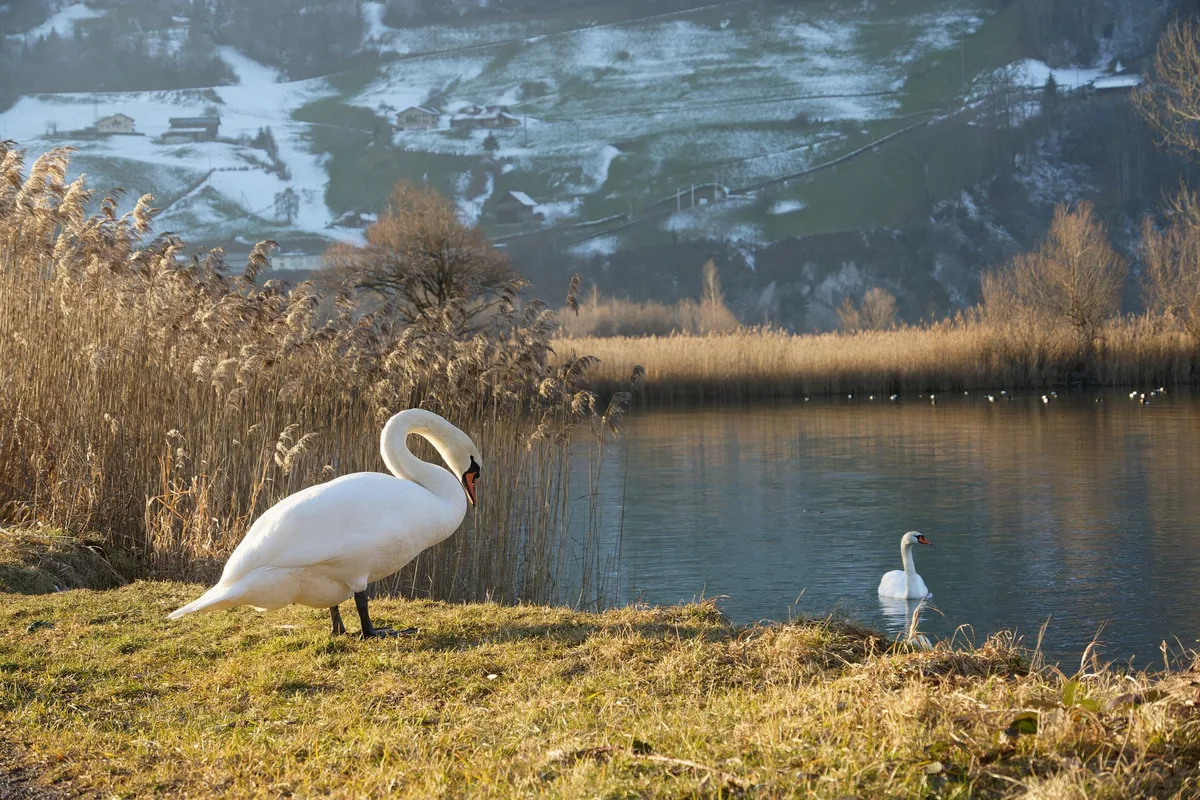
Image source: Bing (Web (fair-use with source credit))
Where in Europe and Asia?
- Western Europe: Expect to see them in countries like the United Kingdom, Ireland, France, Germany, and the Netherlands. They are particularly fond of coastal areas and larger inland lakes.
- Eastern Europe: Their presence extends through Poland, the Baltic states, and into the vast river systems and lakes of Russia.
- Southern Europe: While less common, they can be found in some Mediterranean regions, often in estuaries or larger river deltas where freshwater mixes with saltwater.
- Asia: Their natural range includes parts of Kazakhstan, and stretching eastward through Siberia into Northern China.
Making a New Home: Introduced Ranges
Mute swans have successfully established breeding populations far beyond their native Eurasia, primarily due to human introduction. These introduced populations are now a significant part of the avian landscape in several continents, most notably North America, Australia, and New Zealand. Their adaptability means they can thrive in new environments, provided suitable aquatic habitats are available.
In North America, mute swans were intentionally introduced for their aesthetic appeal in parks and private estates, beginning in the late 19th and early 20th centuries. Over time, many individuals escaped confinement and formed self-sustaining wild populations. This pattern of introduction and subsequent establishment has also occurred in Australia and New Zealand, where they have become familiar sights on many waterways.
It is important to acknowledge that in some of these new territories, such as parts of the United States and Canada, mute swans are now considered an invasive species, potentially impacting native bird populations through competition for resources.
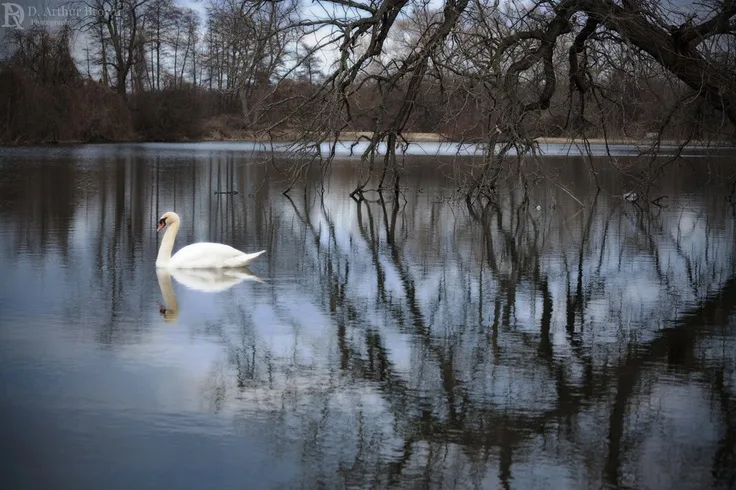
Image source: Bing (Web (fair-use with source credit))
Key Introduced Regions and Their Habitats
- North America (U.S. & Canada): Commonly found in freshwater lakes, ponds, slow rivers, and coastal marshes, especially in the northeastern U.S. and parts of the Great Lakes region.
- Australia: Inhabits freshwater lakes, lagoons, rivers, and brackish estuaries across various states, favouring open water bodies with good submerged vegetation.
- New Zealand: Established on both major islands, frequenting lakes, slow-flowing rivers, and coastal lagoons, often in proximity to human settlements.
What You Need to Know About Mute Swan Habitats
Mute swans are quite particular about their living spaces; they are inextricably linked to water. Their preferred habitats are characterized by slow-moving or still bodies of water that offer both sustenance and safety. Freshwater environments are their top choice, but they can tolerate brackish conditions, which are water bodies where freshwater rivers meet the sea.
These large birds need ample open water to swim and forage, as well as access to shorelines for nesting. The availability of aquatic vegetation is a critical factor, as this forms the bulk of their diet. Research from ornithological societies consistently highlights that areas with abundant submerged plants, such as pondweed and water lilies, are key indicators of suitable mute swan territory.
As of 2026, conservation efforts in some regions focus on managing these habitats to balance the needs of both native and introduced swan populations.
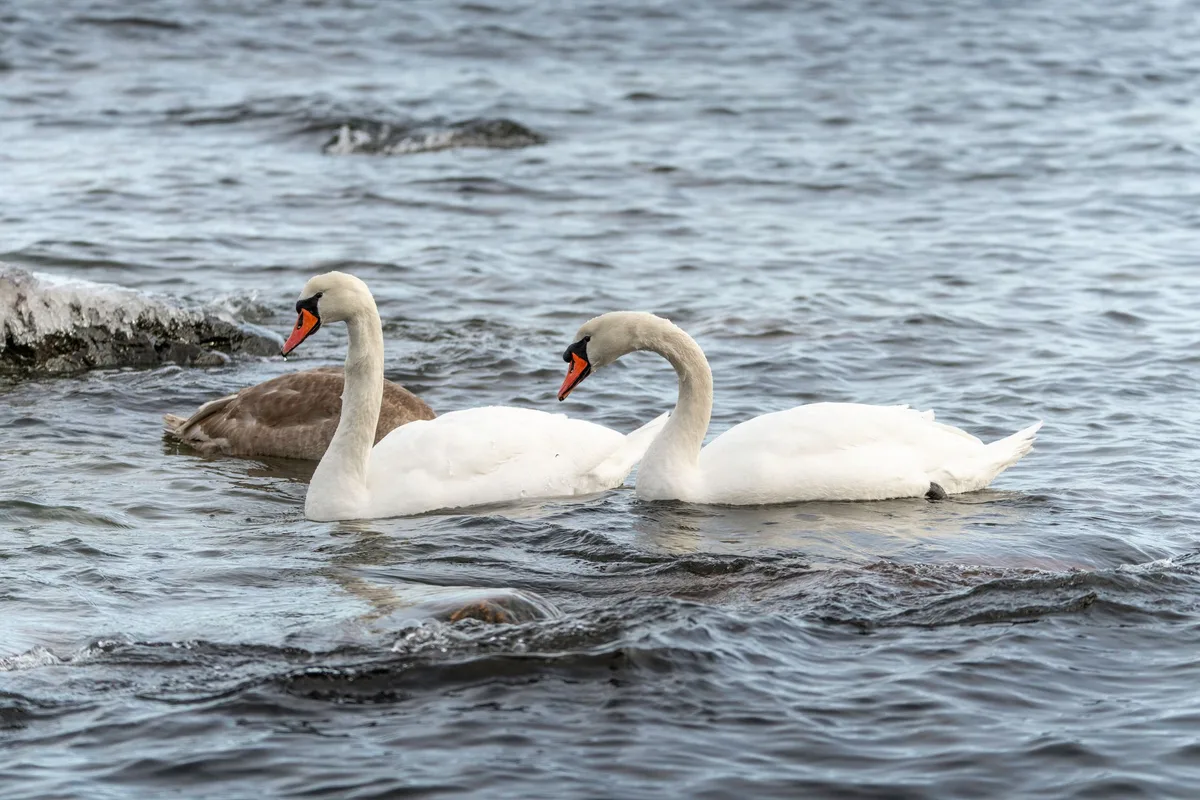
Image source: Bing (Web (fair-use with source credit))
Essential Habitat Components
- Water Source: A consistent and reliable supply of water is non-negotiable.
- Aquatic Vegetation: Submerged plants are their primary food source.
- Open Water Space: Sufficient area for swimming, feeding, and display.
- Shoreline Access: Areas for resting, preening, and nesting.
- Shelter: Protection from harsh weather and predators, often provided by reeds or trees near the water's edge.
Visual Clues: Identifying Mute Swan Territory
Spotting mute swans often means looking for specific environmental cues that signal their preferred territory. They tend to favour landscapes that are relatively undisturbed and rich in the resources they need. You'll often find them in areas with calm, clear water, which allows for easy visibility of submerged food sources and makes them feel more secure.
Look for wide, slow-moving rivers or large, serene lakes. Mute swans also frequent ponds, reservoirs, and sheltered coastal bays or estuaries. The presence of dense aquatic vegetation, visible as lush green growth just below the water's surface or along the banks, is a strong indicator.
Areas with nearby grassy banks or islands provide suitable nesting and loafing sites. If you see these features together, you're likely in mute swan territory.
What to Look For
- Calm Water: Avoid fast-flowing rapids; favour still or slow-moving water.
- Abundant Plant Life: Look for submerged aquatic vegetation, especially in shallower areas.
- Open Spaces: Large bodies of water where they can swim freely.
- Proximity to Land: Banks or islands with grass or reeds for nesting and resting.
- Minimal Disturbance: Swans often prefer quieter, less populated areas.
Understanding Their Spread: Why They Move
The dispersal of mute swans, both naturally and through human introduction, is driven by a few key factors. In their native range, they may move in response to seasonal changes, seeking out areas where food remains accessible during colder months. They are also known to colonize new, suitable water bodies if existing territories become overcrowded or if resources diminish.
Human introduction has been the primary driver for their presence in places like North America, Australia, and New Zealand. These birds were often brought to private estates and public parks as ornamental waterfowl. Their ability to breed prolifically and adapt to varied aquatic environments meant that when individuals escaped or were released, they could establish viable wild populations.
The lack of natural predators and the availability of plentiful food sources in these new lands further aided their successful spread. The U.S. Geological Survey notes that successful introductions can lead to significant ecological changes in native environments.
Factors Influencing Swan Movement
- Food Availability: Movement to areas with more abundant aquatic vegetation.
- Breeding Opportunities: Seeking out safe, undisturbed nesting sites.
- Population Density: Spreading out to avoid overcrowding in established areas.
- Human Introduction: Intentional placement in parks, estates, and zoological collections.
- Habitat Suitability: Colonizing new water bodies that meet their environmental needs.
Frequently Asked Questions
Where do mute swans primarily live?
Mute swans are native to temperate Europe and parts of Asia. They have also been introduced and established populations in North America, Australia, and New Zealand.
What kind of water do mute swans prefer?
They strongly prefer freshwater habitats like lakes, ponds, and slow-moving rivers. They can also tolerate brackish water found in estuaries.
Are mute swans found in the wild in the United States?
Yes, mute swans were introduced to the United States and have established wild, breeding populations, particularly in the Northeast. They are considered invasive in some areas.
Do mute swans migrate long distances?
While they may move seasonally to find food or avoid harsh weather, mute swans generally do not undertake extensive long-distance migrations like some other waterfowl species.
Why are mute swans considered invasive in some places?
In areas where they were introduced, mute swans can compete aggressively with native bird species for food and nesting territories, potentially displacing them.