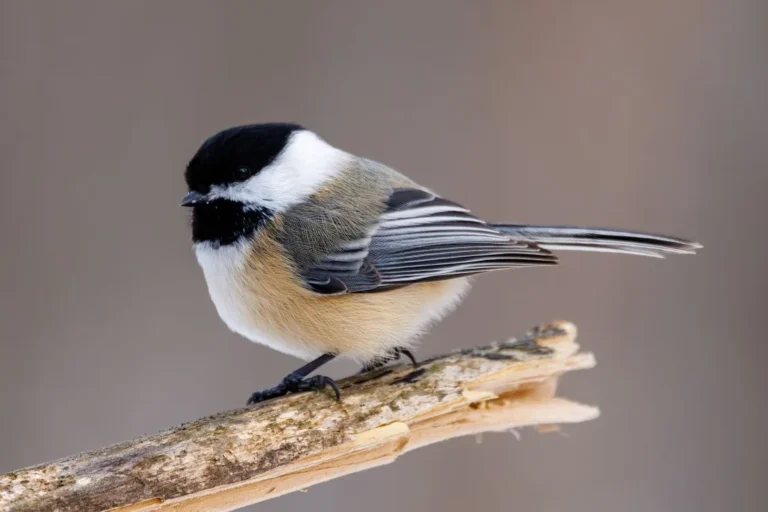
Smartest Birds
If you’ve ever watched a crow solve a complex puzzle or a parrot mimic your morning coffee routine, you know the smartest birds are way sharper than the old "birdbrain" insult suggests. Intelligence in the avian world looks different depending on whether you’re talking about social skills, physical tool use, or long-term memory.
While research has long focused on primates, recent studies on avian cognition, published by institutions like The Cornell Lab of Ornithology, show that some birds perform as well as chimpanzees in cognitive tasks. These birds don't just react to their environment, they actively shape it to suit their needs.
Quick Answer
The smartest birds are primarily found in the Corvid and Psittacine families. New Caledonian crows lead in tool manufacturing and physical problem solving. African Grey parrots excel at complex vocal communication and conceptual reasoning.
These species possess a high density of neurons in the nidopallium brain region. Their cognitive abilities often rival those of great apes.
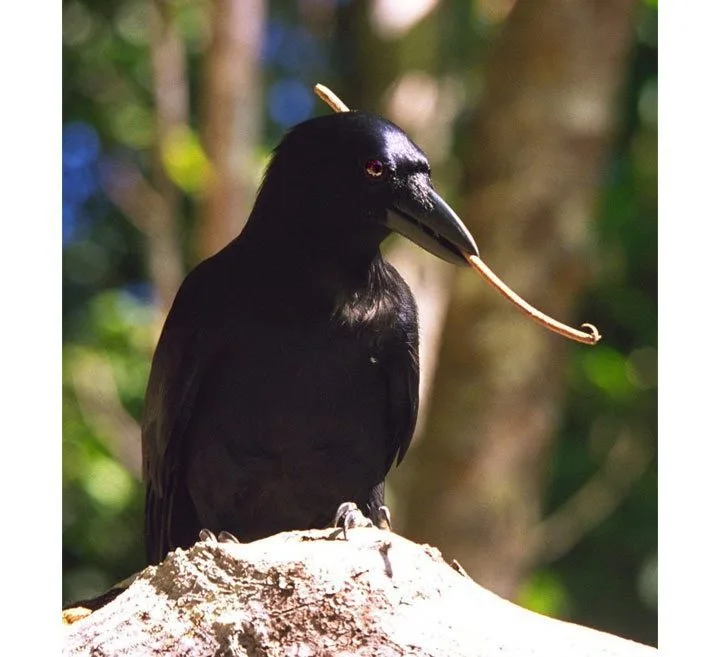
Image source: Bing (Web (fair-use with source credit))
Beyond the Birdbrain Myth: Understanding Avian Intelligence
For a long time, scientists assumed that because birds lack a mammalian prefrontal cortex, they couldn't be truly intelligent. We now know that's incorrect. Birds have evolved a different, highly efficient brain structure called the nidopallium.
This region allows for advanced information processing. It essentially packs a high number of neurons into a small space. This density is why birds like ravens can perform tasks that require complex reasoning.
They don't just rely on instinct. They demonstrate intent, memory, and even anticipation of future outcomes.
The Anatomy of Bird Genius: Comparing Corvids and Psittacines
When we discuss the top of the avian class, we are almost always talking about two specific groups. Corvids, which include crows, ravens, jays, and magpies, are the master engineers. Psittacines, or parrots, are the masters of social and conceptual communication.
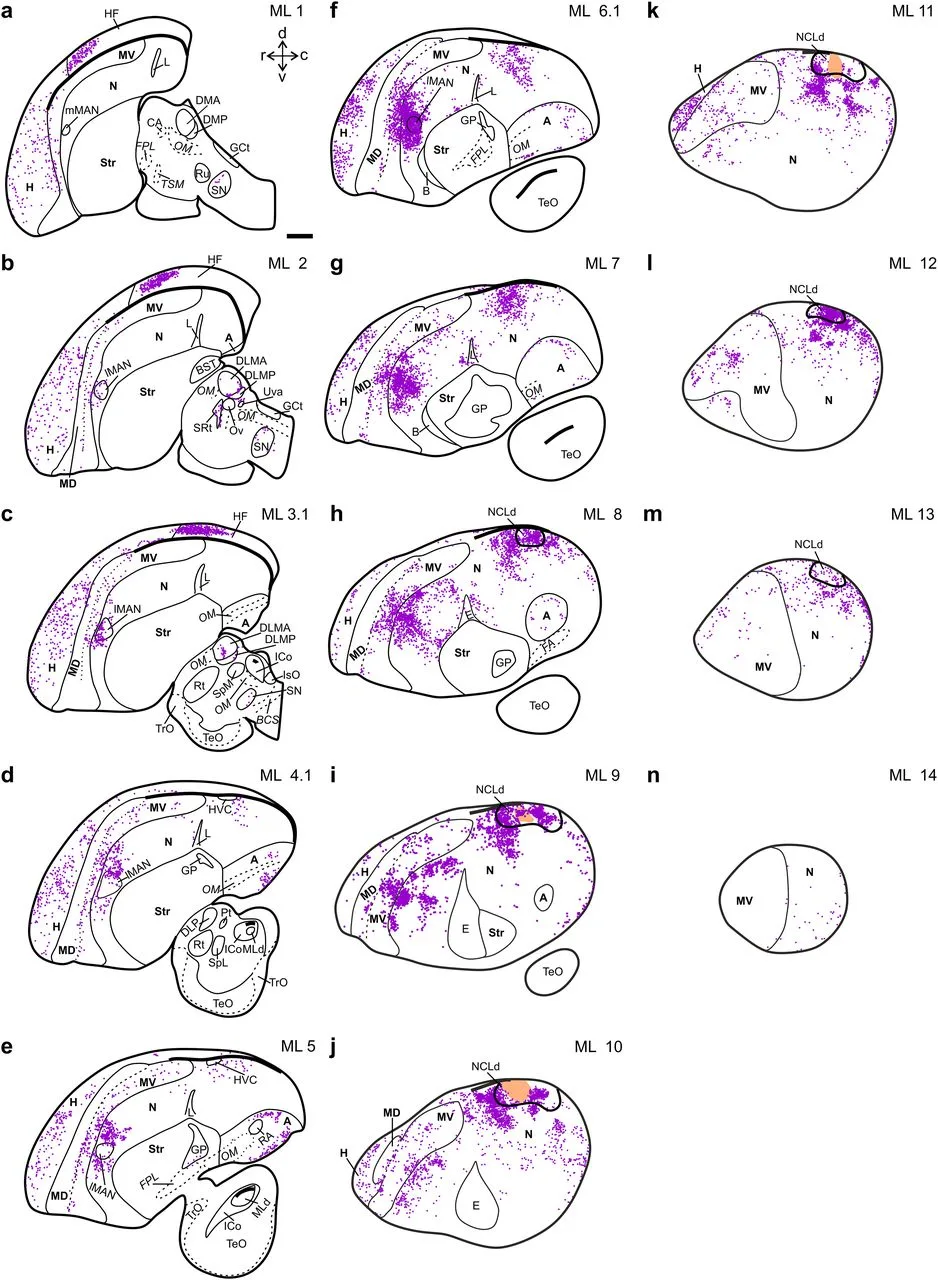
Image source: Bing (Web (fair-use with source credit))
Corvids are famous for their ability to use tools to extract food from hard-to-reach places. Parrots are celebrated for their linguistic capacity and understanding of categories like color, shape, and quantity. While their strengths differ, both groups exhibit high levels of executive function, or the ability to manage their own thoughts and actions.
Cognitive Benchmarks: How Scientists Measure Bird Smarts
Researchers use specific standardized tests to gauge avian intelligence without falling into the trap of anthropomorphism. One common benchmark is the string-pulling test. A bird must figure out that pulling a string in a specific sequence will bring a dangling food reward within reach.
Another benchmark is object permanence. This test measures whether a bird understands that an object still exists when it is hidden behind a barrier. Species that score highly here are usually those that rely on caching food.
They must remember exactly where they left their supplies to survive the winter.
Engineering vs. Linguistics: A Side-by-Side Comparison of Skillsets
It helps to think of these birds as having different professional specializations. Corvids act like mechanical engineers, while parrots act like linguists or social scientists. One isn't necessarily smarter than the other, but their brains are tuned to solve different types of ecological problems.
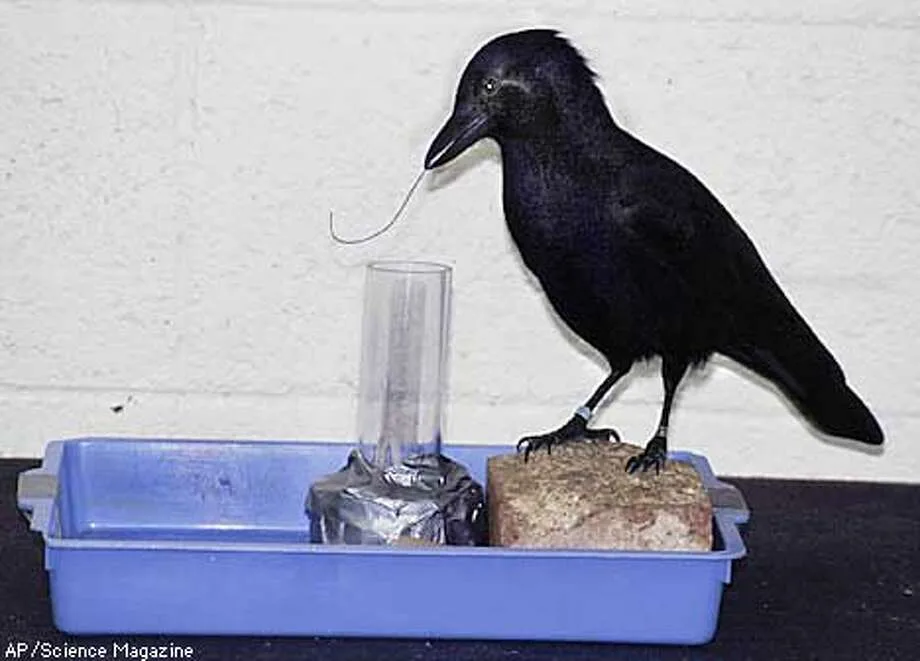
Image source: Bing (Web (fair-use with source credit))
| Skill Set | Corvid Advantage | Parrot Advantage |
|---|---|---|
| Problem Solving | High physical manipulation | High conceptual matching |
| Communication | Complex alarm calls | Vocal mimicry & labeling |
| Memory | Caching locations | Social hierarchies |
Corvids are best for environments that require physical adaptation, like urban centers with complex trash bins. Parrots are best for social environments, where understanding the group dynamic is the key to survival.
Observing Avian Problem-Solving in Your Own Backyard
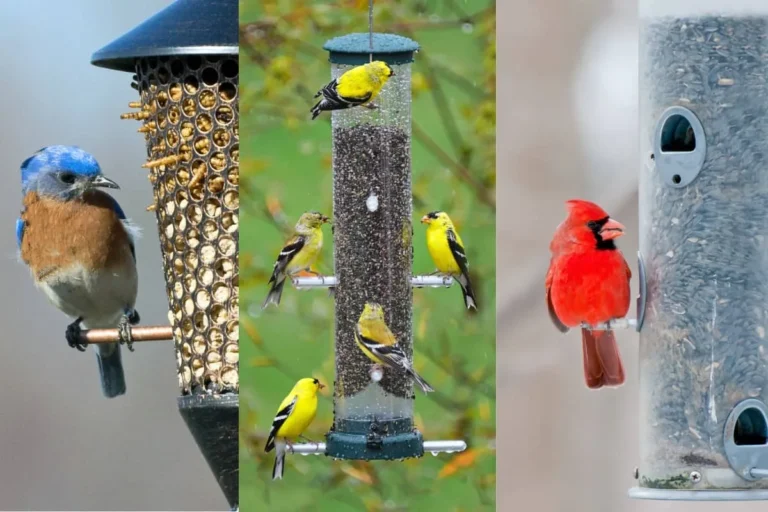
You don't need a lab to see these birds in action. If you have a bird feeder, watch how the local species interact with it. Are there certain birds that wait for a squirrel to dislodge seeds before swooping in to grab them?
That’s observational learning.
Some birds will even drop hard nuts onto a road, waiting for a car to run over them and crack the shell. They then wait for a red light to safely retrieve the meat. This isn't just luck.
It's a calculated use of the environment to bypass a physical limitation.
Common Pitfalls: Avoiding Anthropomorphism in Bird Behavior
You fall into a trap when you interpret bird actions strictly through a human lens. We often see a bird share food and assume it’s an act of kindness, when it might actually be a social strategy to ensure group safety. Attributing human emotions to animals is known as anthropomorphism, and it complicates objective research.
The biggest mistake is ignoring the evolutionary motivation behind the behavior. Birds solve problems to survive, not to impress us or mirror human morality. When you see a bird teaching its young, it isn't a classroom lesson in the human sense.
It is a biological survival mechanism honed over millions of years.
Be careful not to assume that a lack of human-like behavior equals a lack of intelligence. A bird that fails a puzzle designed for a primate isn't necessarily dull. The test might simply be ill-suited for the specific way that bird processes its world.
Always consider the ecological niche before deciding a bird is not smart.
Frequently Asked Questions About Bird Intelligence
How can I tell if a bird is showing high intelligence?
Look for signs of planning or innovation, rather than just routine habits. A bird that stops to assess a new obstacle, tries a few different methods to overcome it, and adapts its strategy is showing genuine cognitive flexibility. Repetitive, mindless movements are rarely a sign of high intelligence.
Do birds learn from each other or just through trial and error?
Social learning is a hallmark of intelligent bird species. Young ravens and crows learn what to eat and which predators to avoid by observing the older members of their flock. This culture-like transmission of knowledge allows them to adapt to new environments much faster than birds that rely solely on instinct.
Why are some birds better at mimicking sounds than others?
Mimicry is tied to vocal learning, a trait found in parrots and some songbirds. It involves a specialized set of brain circuits that allow the bird to hear a sound and then attempt to reproduce it using their syrinx. While it’s a form of intelligence, it serves a social purpose, such as bonding or identifying flock mates.
Does brain size correlate with intelligence in birds?
Brain size matters less than neuron density and brain organization. As of 2026, research indicates that the nidopallium is the key driver of avian cognition. Even small birds can possess a high concentration of neurons in this area, giving them processing power that rivals much larger mammals.
Should I provide puzzles for my pet birds?
Providing enrichment is vital for captive birds that have high intelligence. Simple toys are not enough. Use treat-dispensing puzzles that require them to move levers or solve logic gates.
This prevents the boredom that often leads to stress and abnormal behaviors in highly active, intelligent species.
Final Verdict: Which Birds Really Top the Intelligence Rankings?
If you want a single answer, the New Caledonian crow usually holds the title for technical problem-solving. They manufacture tools with a level of foresight that is rare in the animal kingdom. Their ability to envision a future need, and craft a tool to solve it, is remarkable.
African Grey parrots win the title for linguistic and conceptual understanding. They don't just speak; they understand what they are saying to a degree that changes our view of animal communication. Choosing between them depends on what you value more: the engineer or the linguist.
Both groups prove that intelligence is not a human monopoly. It is a survival tool that has blossomed in many different ways across the avian world. When you next watch a bird in your yard, remember that it is likely doing more thinking than you realize.
They are the masters of their domain.