Where Do Mallard Ducks Sleep
Ever found yourself wondering where mallard ducks settle down for the night, or even just for a little daytime rest? It’s a common curiosity, and the answer boils down to what they need to feel safe and comfortable. Mallards are quite adaptable, so their sleeping arrangements can vary, but they’re always looking for the best mix of security and peace.
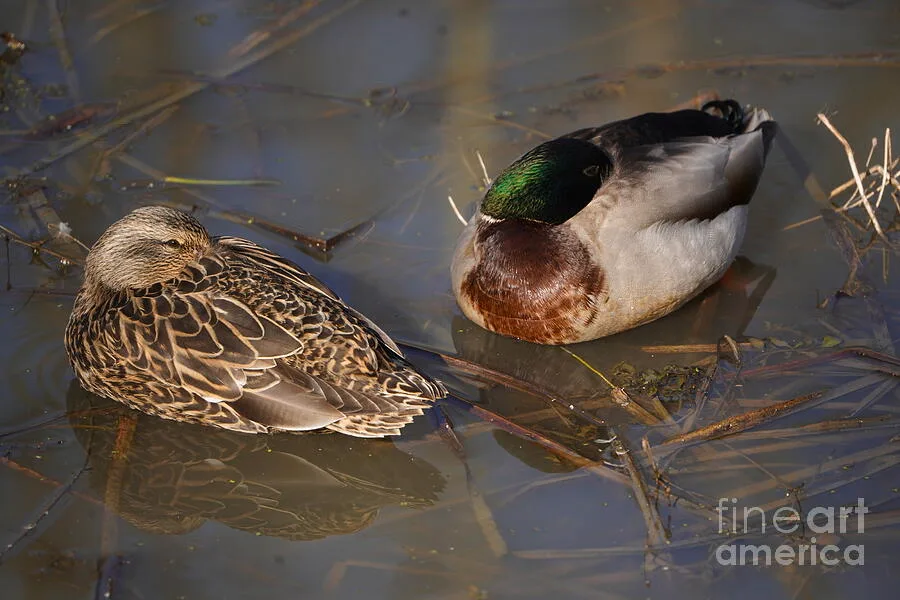
Image source: Bing (Web (fair-use with source credit))
When we think about where they choose to sleep, it’s about more than just finding a soft spot. Their survival depends on picking locations that offer protection from predators and the elements, while still allowing them to keep an eye out for danger. For instance, avian species often exhibit unihemispheric slow-wave sleep, a phenomenon documented by researchers at institutions like the University of California, Davis, which allows them to rest one brain hemisphere while the other remains alert.
Quick Answer: Mallard Ducks' Sleeping Spots
Mallard ducks sleep on calm water, near shorelines, in reeds, or in grassy areas. They prioritize safety, seeking sheltered spots with good cover and a clear escape route to water. They often tuck their heads under a wing and can sleep with one half of their brain alert.
Common Sleeping Spots for Mallards
When mallard ducks need to catch some Zs, they’re not exactly looking for a five-star hotel. Instead, they’re scouting for practical locations that offer them security and a bit of peace away from the hustle and bustle. Their needs are pretty straightforward: a place to rest without becoming an easy meal for a fox or a hawk.
Water and Shorelines
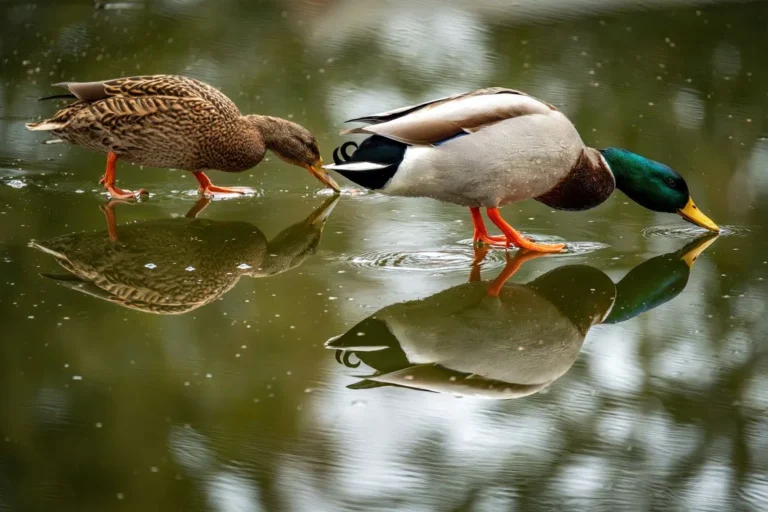
Often, the most obvious place you'll spot a resting mallard is right on the water itself. They tend to favor calmer, more sheltered sections of ponds, lakes, or slow-moving rivers. Imagine finding a quiet cove away from the main boat traffic, that’s the kind of spot they appreciate.
They'll paddle around a bit to find just the right position where they feel stable and secure. It’s their natural highway and their resting place all in one.
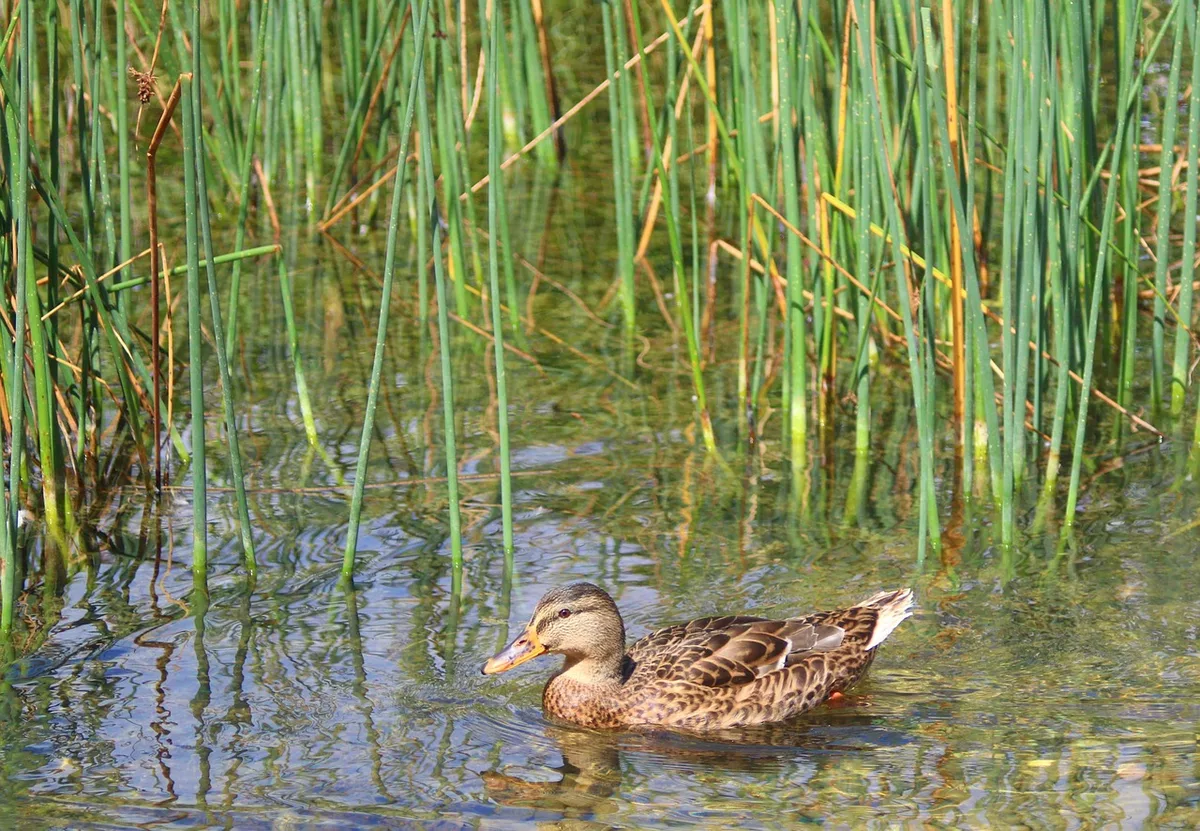
Image source: Bing (Web (fair-use with source credit))
If they're not floating, they’ll often gravitate towards the edge of the water. This includes muddy banks, gravelly shores, or even small, sandy patches. These shoreline spots offer a good balance: they can easily slip back into the water if needed, but they’re also on land, which can sometimes feel more secure for certain types of rest.
Grassy Areas and Reeds
Beyond the immediate water's edge, mallards also find comfortable roosting spots in the vegetation that grows nearby. Think about dense patches of tall grass, clusters of reeds, or low-lying bushes that offer a bit of concealment. These areas are great for camouflage, helping them blend in with their surroundings.
It's like having a natural blind to keep them hidden from predators scanning the landscape.
These vegetated spots are particularly appealing if the ducks are concerned about land-based threats. The thicker the cover, the harder it is for a fox or a weasel to sneak up on them. They can settle down within the reeds, feeling relatively safe while still being able to hear and see any potential danger approaching from the land or the air.
What Makes a Good Mallard Sleeping Spot?
So, what exactly goes into a mallard duck’s decision-making process when it comes to picking a place to snooze? It’s a calculated choice, driven by instinct and a constant assessment of their environment. They’re not just randomly stopping; they’re looking for specific features that enhance their safety and well-being.
Safety and Cover
The absolute top priority for a resting mallard is safety. Predators are a constant concern in the wild, so any sleeping spot needs to offer protection. This means avoiding open, exposed areas where they can be easily spotted.
Instead, they’ll seek out locations that provide visual cover. This could be the dense foliage of reeds, the shadows cast by trees along the bank, or even just a slightly elevated position where they can survey their surroundings. The more they can blend into their environment, the less likely they are to be detected.
This need for cover extends to protection from the elements, too. While they can tolerate a range of temperatures, a good sleeping spot might also offer some shelter from strong winds or direct, harsh sunlight. They are adept at finding microclimates within their habitat that provide a more comfortable resting experience.
Clear Escape Routes
Even when they’re dozing, mallards need to be ready to spring into action. This means that any location they choose for sleep must have a clear and easy path for escape, usually back into the water. If danger appears, they need to be able to get off their feet and into their primary element, water, as quickly as possible.
You'll often notice they select spots that aren't too far from a deep enough body of water. This allows for immediate entry and maneuverability if they're startled. Imagine trying to run from something if you're surrounded by thick, impassable bushes; that's exactly the kind of situation they avoid.
Their ideal sleeping spot offers security without hindering their ability to flee.
How Mallards Sleep: Posture and Vigilance
The way mallard ducks rest is quite fascinating and speaks volumes about their evolutionary adaptations for survival. They've developed specific physical postures and mental states that allow them to conserve energy while remaining vigilant against threats. It's a remarkable balancing act between deep rest and constant awareness.
Sleeping Positions
When a mallard duck decides to settle down, you'll often see it adopting a few characteristic postures. The most common sight is a duck tucking its head under one wing. This position serves multiple purposes: it helps to conserve body heat by exposing less surface area to the air, and it also shields their eyes, creating a sense of closure and security.
It's a bit like a person pulling a blanket over their head when they want to sleep soundly.
Sometimes, instead of tucking their head under their wing, they might rest their head on their back, with their bill tucked into their flank feathers. This is another way to keep the head warm and protected. Other times, especially when resting on water, they might simply rest their head forward, with eyes closed but still in a position to quickly observe their surroundings if needed.
Unihemispheric Sleep Explained
Perhaps the most intriguing aspect of how mallards sleep is their ability to practice unihemispheric slow-wave sleep. This means that one half of their brain can go to sleep while the other half remains awake and alert. This is a common adaptation in migratory birds and other species that need to remain vigilant even when resting.

Image source: Bing (Web (fair-use with source credit))
When a duck is sleeping this way, you might notice that one eye remains open while the other is closed. The open eye is typically facing outwards, towards potential danger. The hemisphere of the brain that is awake controls the open eye, allowing the duck to monitor its surroundings.
When that hemisphere is ready to rest, it will switch, and the other side of the brain will take over vigilance. This incredible biological feature ensures they can get much-needed rest without leaving themselves completely vulnerable.
Mallard Sleeping Habits: Day vs. Night
Mallard ducks, like many birds, aren't strictly nocturnal creatures. They are classified as diurnal, meaning their most active periods occur during daylight hours. However, this doesn't mean they sleep through the night and are busy the entire day.
They need to rest and conserve energy throughout the 24-hour cycle, and their sleeping habits reflect this.
During the day, you’ll often see mallards engaged in various activities like foraging for food, preening their feathers, and socializing. However, they also take what we might call "naps" during daylight hours. These periods of rest are typically shorter and occur in locations that offer good cover and a sense of security, often similar to their nighttime roosting spots but perhaps less secluded if they feel particularly safe.
These daytime rests are crucial for maintaining their energy levels, especially during warmer parts of the day when exertion can lead to overheating.
At night, mallards typically engage in their longest periods of sleep. They usually seek out roosting sites that provide maximum safety and minimal disturbance. This often means gathering in groups on calm water, away from the shoreline and out of reach of most terrestrial predators.
The collective presence of a flock can offer a heightened sense of security, as more eyes and ears are on alert. While they engage in unihemispheric sleep, which keeps a part of their brain active, the overall body is in a state of deep rest, allowing for recovery and preparation for the next day's activities.
Why Seeing Them Sleep Matters (Birdwatching & Observation)
Observing mallard ducks when they're sleeping might seem like a passive activity, but for birdwatchers and nature enthusiasts, it offers a unique window into their behavior and ecology. Understanding where and how they rest provides valuable insights that can enhance your appreciation and knowledge of these common waterfowl. It’s a chance to witness their survival strategies firsthand.
When you’re out in nature, spotting a mallard in a resting state is a cue to be quiet and observant. Their choice of sleeping location tells you a lot about the local environment, what kind of predators are present, how safe the area feels, and what resources are available for concealment. A duck snoozing peacefully in dense reeds suggests that those reeds offer adequate cover and a good escape route.
Conversely, a duck that seems unusually skittish or is resting in a very exposed area might indicate a lack of better options or a perceived low threat level at that moment.
Furthermore, observing their resting postures and their use of unihemispheric sleep offers a deeper understanding of avian adaptations. Recognizing that a duck can sleep while one eye remains open and one side of its brain stays alert is a fascinating biological detail that showcases the intricate ways wildlife has evolved to thrive. For anyone interested in ornithology or simply connecting with the natural world, paying attention to these quiet moments of rest can be just as rewarding as watching them feed or fly.
It’s a reminder that even in stillness, these birds are finely tuned to their environment.
FAQs About Mallard Duck Sleep
Do mallards sleep all night long?
Mallards are diurnal, meaning they are most active during the day. While they engage in longer periods of sleep at night, they also take shorter naps during daylight hours to conserve energy.
Can mallards drown while sleeping?
Mallards are excellent swimmers and can sleep while floating on water. Their ability to practice unihemispheric sleep means one half of their brain stays alert, helping them maintain balance and react to danger, preventing them from drowning.
Where do ducklings sleep?
Ducklings sleep close to their mother, usually nestled under her wings or beside her on land or in shallow water. They rely on their mother for warmth and protection, and their sleeping spots are dictated by her choices.
Why do ducks sleep in groups?
Sleeping in groups offers mallards increased safety through numbers. More eyes and ears mean a better chance of detecting predators early. It also helps with thermoregulation, as huddling together conserves body heat.
Do mallards only sleep near water?
While water is their primary habitat and often their preferred sleeping spot due to easy escape, mallards will also sleep on grassy banks, in dense vegetation, or on small islands near water if these locations offer sufficient cover and security.