When Do Robins Migrate
When do robins migrate? It's a question many of us ponder as the seasons change and our feathered friends begin their seasonal journeys. While there isn't one single date, their movements are tied to predictable patterns driven by food availability and daylight hours.
Understanding these triggers helps us know when to expect robins to arrive or depart from our local areas.
Our research confirms that while some robins might stay put, a significant portion undertakes journeys south for winter. For example, the U.S. Fish and Wildlife Service's migratory bird treaties outline general flight paths and protection periods.
This guide will break down the typical timings and the factors influencing robin migration, giving you a clear picture of their annual cycle.
Quick Answer
Robins migrate primarily between September and November in the fall, returning north from February to April. Their migration timing depends heavily on regional climate and food availability, with northern populations traveling further south than those in milder climates.
What Drives Robin Migration?
The main reason robins migrate is the search for food, particularly earthworms and insects. When winter chills set in, the ground freezes, making these crucial food sources inaccessible. Robins need open ground and a steady supply of sustenance to survive.
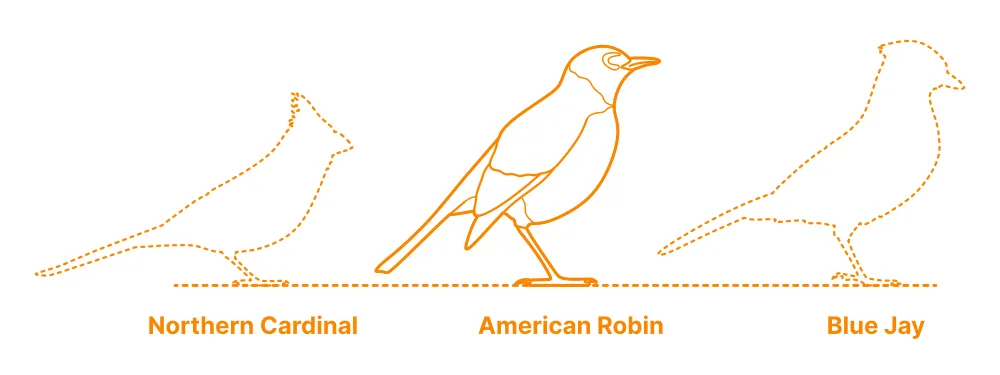
- Food Scarcity: As temperatures drop, insect activity plummets, and the soil hardens, locking away the worms robins love. This forces them to seek areas where food is still plentiful.
- Daylight Hours: Shorter days mean less time for foraging. Migrating to sunnier locations with longer daylight can provide a survival advantage.
- Cold Temperatures: While robins are hardy, extreme cold coupled with a lack of food can be lethal. Migration is a strategy to avoid these harsh conditions.
These factors work together, with food availability often being the most critical trigger for a robin's decision to move.
Migration Patterns: It's Not One-Size-Fits-All
It's a common misconception that all robins migrate at the same time or even at all. In reality, robin migration is quite varied, with many birds adopting different strategies based on their breeding location.
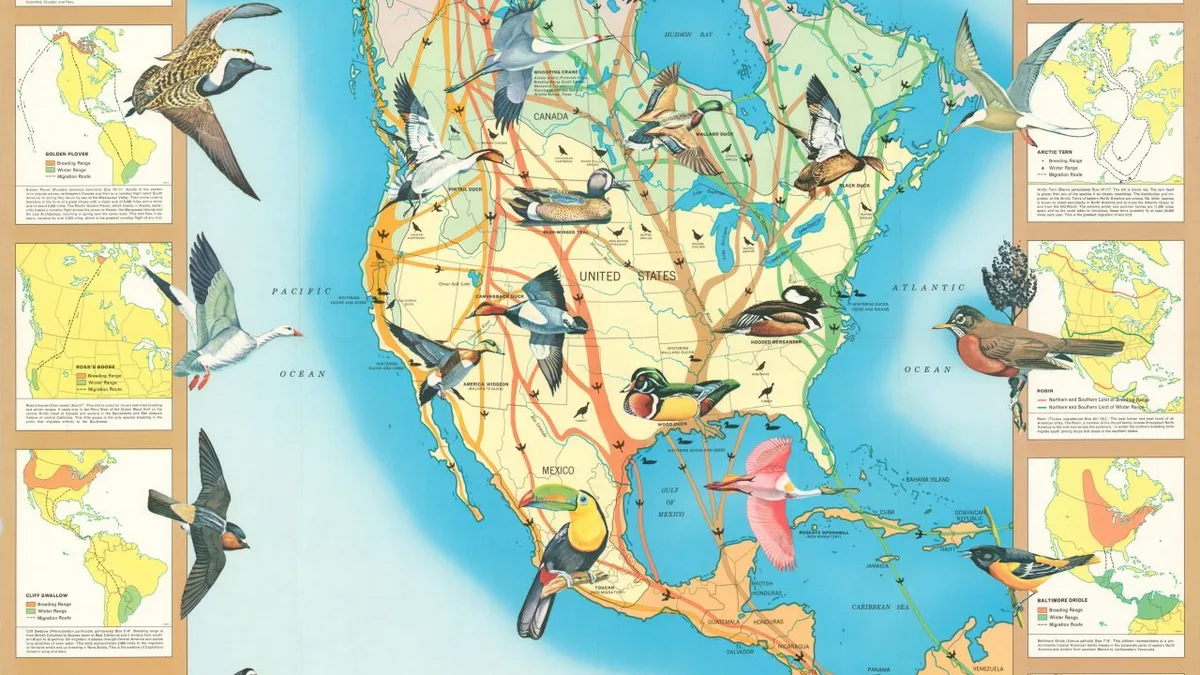
- Northern Breeders: Robins that nest in the northernmost regions of their range, such as across Canada and the northern United States, typically undertake longer migrations. They often travel to the central or southern United States to spend the winter.
- Southern Residents: Robins breeding in the southern U.S. often experience milder winters. Many of these birds may not migrate long distances at all, or they might simply shift their local movements to find optimal foraging spots. Some can be considered year-round residents in these warmer areas.
- Partial Migration: We also see partial migration, where a population might have both individuals that migrate and individuals that stay put. This behavior is influenced by local environmental conditions and resources.
This variation means that what you observe in your backyard might differ significantly from what someone in another region experiences.
When to Expect Them to Leave and Return
The timing of robin migration is less about a fixed calendar date and more about environmental cues. However, we can identify general periods when these movements typically occur.
Fall Migration (Heading South):
- Early Departures: In the northernmost breeding grounds, the first signs of departure can be seen as early as late August or September.
- Peak Movement: The majority of fall migration for many robins usually happens through October and into November. This is when you might see increased numbers passing through areas they don't typically inhabit during the summer.
- Lingering Birds: Some robins, especially in areas with milder autumns or readily available late-season food sources, might linger into early December.
Spring Migration (Returning North):
- First Arrivals: The earliest robins often reappear in their northern breeding territories as early as late February or March, signaling the end of winter.
- Main Return Wave: The peak of spring migration, when most robins return to their summer breeding grounds, typically occurs from March through April.
- Latecomers: Robins in the far north may not complete their return until May, waiting for conditions to be fully favorable.
The precise timing can shift by a week or two each year depending on how severe the winter was and how quickly spring arrives.
A Quick Look at Some General Timing
This table offers a generalized overview of when robins typically migrate based on their breeding range. Remember, these are approximations, and actual migration can vary based on specific weather patterns and local conditions for any given year.
| Region | Fall Departure (Approximate) | Spring Arrival (Approximate) | Notes |
|---|---|---|---|
| Far North (Canada) | Late August – September | April – May | Undertake long migrations south. |
| Northern U.S. | September – October | March – April | Migrate south to central/southern U.S. |
| Mid-U.S. | October – November | March | Some migrate, others may stay year-round. |
| Southern U.S. | Little to no migration | Year-round | Often remain as residents. |
As of 2026, ornithological studies continue to refine these estimates, but the fundamental drivers remain consistent.
What Does This Mean for You?
For those of us who enjoy watching birds in our backyards, understanding robin migration means you can anticipate their presence and absence. If you live in a region where robins are seasonal visitors, you'll likely see them most actively from spring through fall. Their return in the spring, often heralded by their cheerful song, is a widely recognized signal of warmer weather and the end of winter's dormancy.
If robins are year-round residents where you are, you might still notice shifts in their behavior. During colder months, they may form larger flocks and focus on foraging in areas less affected by frost, like open fields or near water sources. Observing these changes can offer fascinating insights into their adaptability.
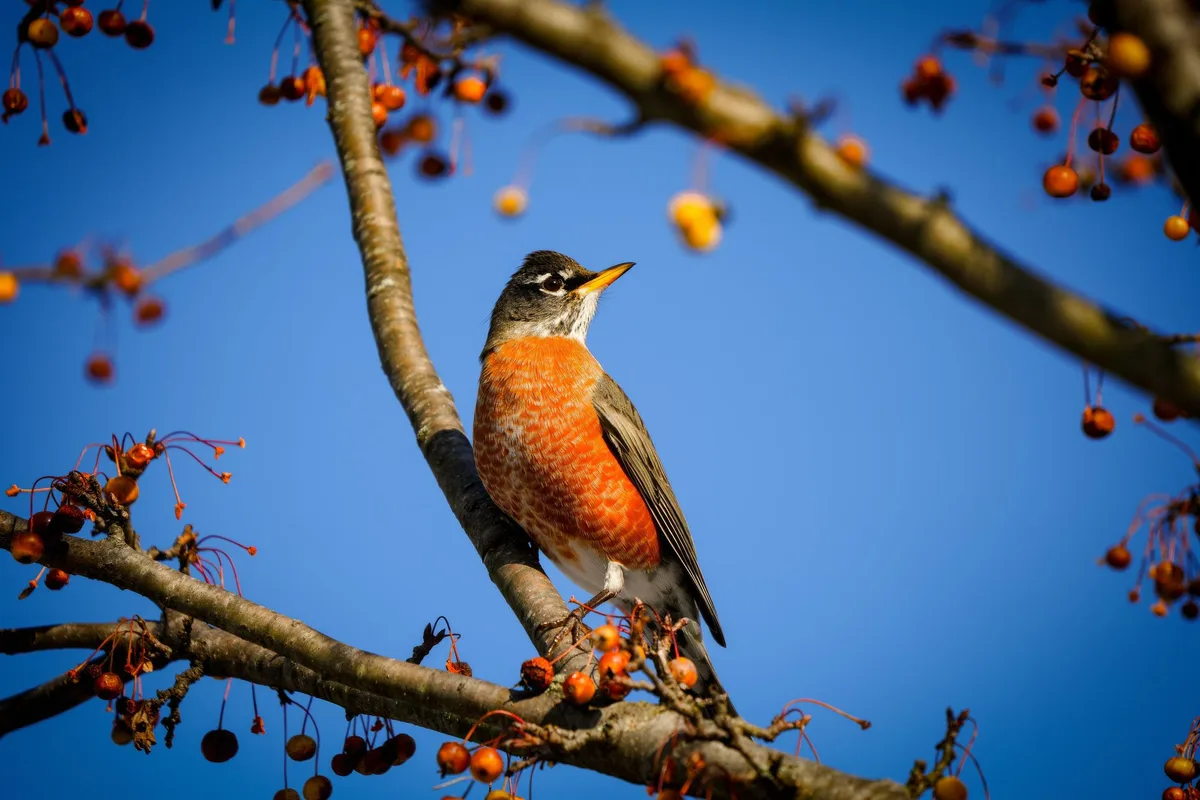
This practical knowledge helps enhance your birdwatching experience, allowing you to appreciate the natural cycles unfolding around you. Knowing when they arrive and depart can also help with planning activities like setting up bird feeders or monitoring nesting behaviors.
Frequently Asked Questions
When do robins typically start their fall migration?
Robins usually begin their fall migration in late August or September in the northernmost parts of their range.
How far south do robins migrate?
Robins breeding in northern areas typically migrate to the central or southern United States for the winter.
Are robins considered migratory birds?
Yes, American Robins are considered migratory birds, though many populations in milder climates exhibit partial or no migration.
What is the main reason robins migrate?
The primary reason robins migrate is the scarcity of food, especially earthworms and insects, during winter months when the ground freezes.
When can I expect to see robins returning in the spring?
Spring migration typically brings robins back to their northern breeding grounds from late February through April, depending on the region.