When Do Goldfinches Migrate
Ever notice your vibrant yellow finches thinning out as autumn deepens, or wonder where they go when the snow starts to fly? Understanding when do goldfinches migrate helps us appreciate their incredible journeys and even predict their return. It's not as simple as a scheduled bus, but rather a response to environmental cues and resource availability.
In our research, we've found that the timing can vary significantly depending on the specific population and their location. For instance, while many goldfinches head south, a substantial number remain in their northern territories year-round if food sources are accessible through winter. Based on aggregate avian behavioral studies, these seasonal movements are primarily driven by the availability of preferred food sources, such as thistle seeds, and the onset of freezing temperatures.
Quick Answer
Goldfinches primarily migrate south in late fall, typically from late September through November. They return north in early spring, usually between March and April. However, not all goldfinches migrate; many resident populations stay put year-round in areas with sufficient winter food.
The Goldfinch Migration Puzzle: It's Not One-Size-Fits-All
When we talk about goldfinch migration, it's crucial to remember that these aren't uniform journeys. The American Goldfinch is a hardy bird, and its migratory behavior is more of a spectrum than a strict rule. Some populations are entirely "resident," meaning they stay in the same general area throughout the year, especially where winter conditions aren't too severe and food, like lingering weeds with seeds, is available.
Think of them as the goldfinches who've found a reliable all-season buffet.
Other populations, however, undertake seasonal migrations, moving to find more favorable conditions. This means that what you observe in your backyard might be different from what someone a few states over sees. It's this variability that makes understanding their migration patterns so fascinating.
The decision to migrate isn't a random one; it's a finely tuned response to nature's cues.
Why Goldfinches Leave: Triggers for Their Journey
The primary drivers behind goldfinch migration boil down to survival and resource availability. These birds are highly dependent on seeds from weeds and certain trees for their diet. When these essential food sources become scarce or inaccessible, migration becomes a necessity.
Food Scarcity and Cold Weather
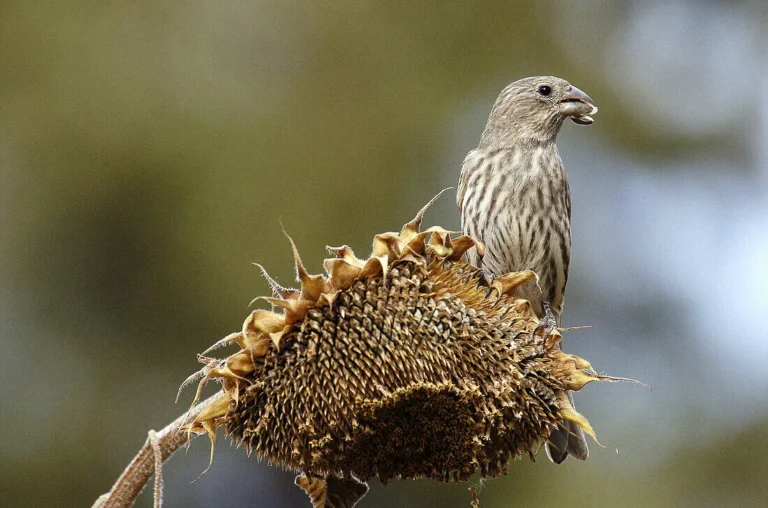
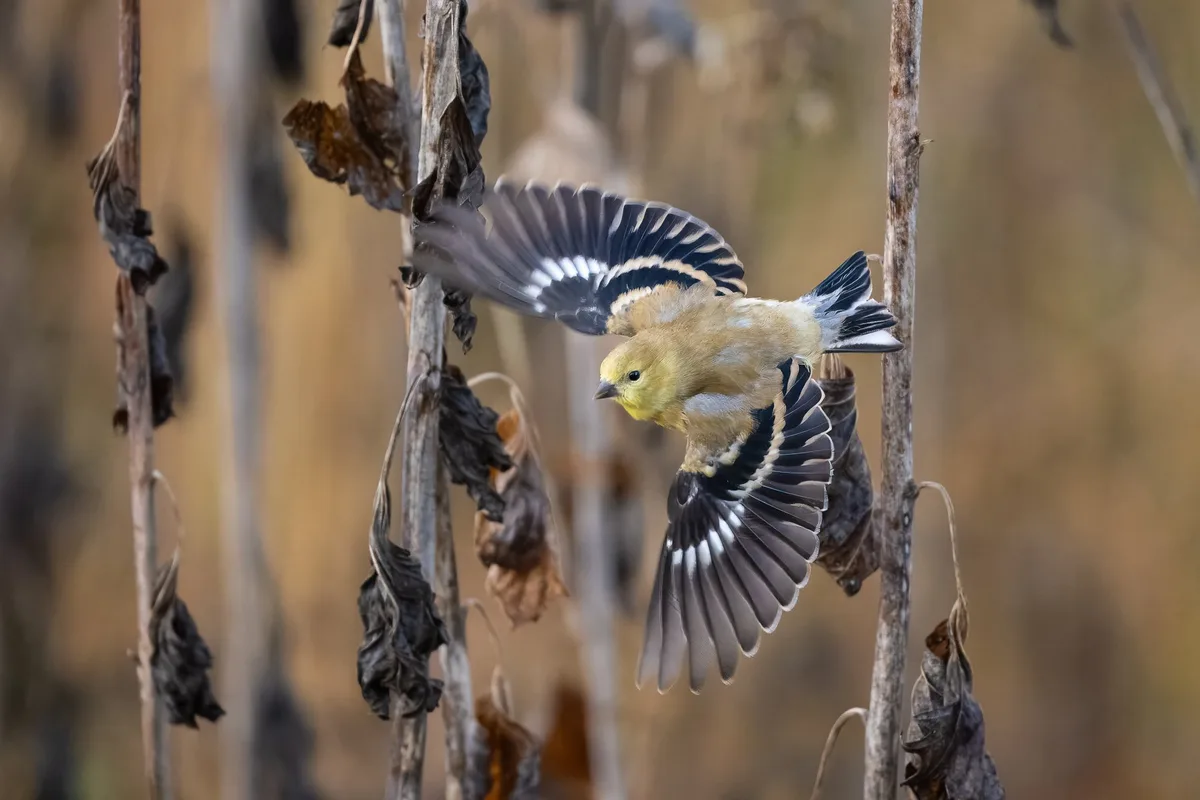
The most significant trigger for goldfinch migration is the dwindling availability of their preferred food. As autumn progresses into winter, many of the plants that produce seeds, such as thistles and sunflowers, die back or become covered by snow and ice. Without access to these vital calories, survival becomes a challenge.
Harsh winter conditions, characterized by freezing temperatures, exacerbate this problem by making it even harder for birds to forage effectively. In regions experiencing prolonged, deep freezes, migration is almost always necessary for these small birds to find sustenance.
Daylight Hours and Seasonal Shifts
While food and temperature are the main players, the changing length of daylight hours also plays a role in signaling the approach of winter. Shorter days can act as an internal clock for birds, indicating that it's time to prepare for the leaner months ahead. This hormonal and physiological response is part of the complex biological programming that guides migratory species.
As days shorten significantly, it aligns with the period when food sources are naturally declining, reinforcing the need for a southward movement for many populations.
What the Migration Looks Like in Real Life
Observing goldfinches during their migratory periods can be a rewarding experience for birdwatchers. Their appearance and behavior change as they prepare for and undertake their journeys. It’s a transition that’s easy to spot if you know what to look for.
Fall Departure and Winter Plumage
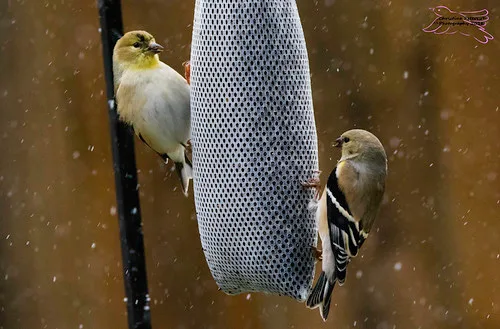
As fall deepens, typically from late September through November, you'll notice a subtle change in the goldfinches visiting your feeders or local fields. Their famously bright, sunny yellow plumage begins to fade into a more subdued, olive-brown or buff color. This molt into their non-breeding, or winter, plumage serves as camouflage against the muted tones of the winter landscape, helping them evade predators.
The males, in particular, lose their vibrant yellow and black markings, becoming much less conspicuous.
Spring Return and Breeding Colors
The reverse happens in spring, usually starting in March and continuing through April. As the days lengthen and the weather warms, goldfinches begin their northward journey back to their breeding grounds. During this time, the males undergo another molt, reacquishing their dazzling yellow and black breeding plumage.
This transformation is a clear signal that the breeding season is approaching. The return of these colorful males is often a welcome sight, marking the end of winter and the start of a new reproductive cycle for the species.

Goldfinch Migration: Resident vs. Migratory Birds
It's easy to assume all goldfinches migrate south for the winter, but that's not quite the case. The American Goldfinch exists on a spectrum of migratory behavior. Some populations are what we call "resident," meaning they do not undertake a long-distance migration.
These birds have adapted to survive in their home territories year-round. Their ability to stay put is often linked to the presence of reliable food sources, such as hardy weeds that retain their seeds even under winter conditions, and milder winter climates that don't completely freeze over their food supply.
In contrast, other populations, particularly those breeding in more northern or higher-altitude regions, will migrate. These birds move to areas where winter is less severe and food is more abundant. Their migration is typically a shorter distance compared to many other bird species, often moving from northern breeding grounds to central or southern parts of North America.
This difference in behavior means that birdwatchers in different regions might experience goldfinches as year-round visitors or as seasonal visitors only.
Expert Tips for Observing Goldfinch Migration
For anyone keen on witnessing these fascinating avian movements, a few key strategies can enhance your observation experience. Understanding the subtle signs and optimal timing will make your birdwatching more rewarding.
- Timing is Key: Pay close attention to the calendar, but also to the weather. While the general migration windows are late September to November for southbound and March to April for northbound, unusual weather patterns can shift these dates slightly. Early cold snaps can push southbound flights earlier, while a warm spring can hasten the return.
- Habitat Matters: Goldfinches are often found near fields, open woodlands, and areas with abundant weed growth, especially plants like thistles, dandelions, and sunflowers. During migration, they may congregate in larger numbers in these food-rich areas. Look for them at bird feeders, particularly those offering Nyjer (thistle) seed or black oil sunflower seeds, as they might stop to refuel.
- Plumage Clues: Watch for the seasonal changes in their plumage. The transition from bright yellow breeding colors to duller winter feathers in the fall, and the reverse in spring, is a strong indicator of migratory activity. A flock of dull-colored finches in late autumn is likely preparing to move or is already en route.
- Flocking Behavior: Migrating goldfinches often travel in flocks, sometimes mixed with other small bird species. Seeing larger groups moving together can be a good sign that migration is underway. These flocks are less territorial than breeding pairs and are focused on finding food and safe passage.
Frequently Asked Questions About Goldfinch Migration
Do all goldfinches migrate?
No, not all goldfinches migrate. Some populations are resident and stay in their home territories year-round, especially if food is consistently available and winters are not too severe.
When is the best time to see migrating goldfinches?
The best times to observe goldfinch migration are typically from late September through November for their southward journey and from March through April for their northward return.
Where do goldfinches migrate to?
Goldfinches that migrate typically move from their northern breeding grounds to more central or southern parts of North America. These journeys are often shorter than those of many other migratory bird species.
What are the main reasons goldfinches migrate?
The primary reasons goldfinches migrate are to find sufficient food resources, as their preferred seed sources become scarce or inaccessible during winter, and to escape harsh cold weather.
How far do goldfinches typically migrate?
While distances vary, many goldfinches undertake relatively short migrations, often covering a few hundred miles. Their migratory patterns are generally less extensive than those of birds that travel to tropical regions.