Why Do Cockatoos Raise Their Crest
Ever watched a cockatoo and wondered what's going on behind those intelligent eyes, especially when that magnificent crest shoots up? It's a super common question, and honestly, it's one of the most fascinating ways these smart birds communicate with us. Think of their crest as their built-in mood ring, but way more expressive!
I've spent a good chunk of time around these guys, and I can tell you, it's not just one thing. Their crest is a big signal, and learning to read it is key to understanding your feathered friend. For instance, research from avian behaviorists indicates that crest position is a primary non-vocal indicator of a bird's emotional state, often fluctuating in mere milliseconds.
Quick Answer
Cockatoos raise their crests to communicate a range of emotions and attention states. This action signals excitement, curiosity, surprise, alertness, frustration, or even courtship displays. The specific meaning depends heavily on the bird's other body language and the surrounding context.
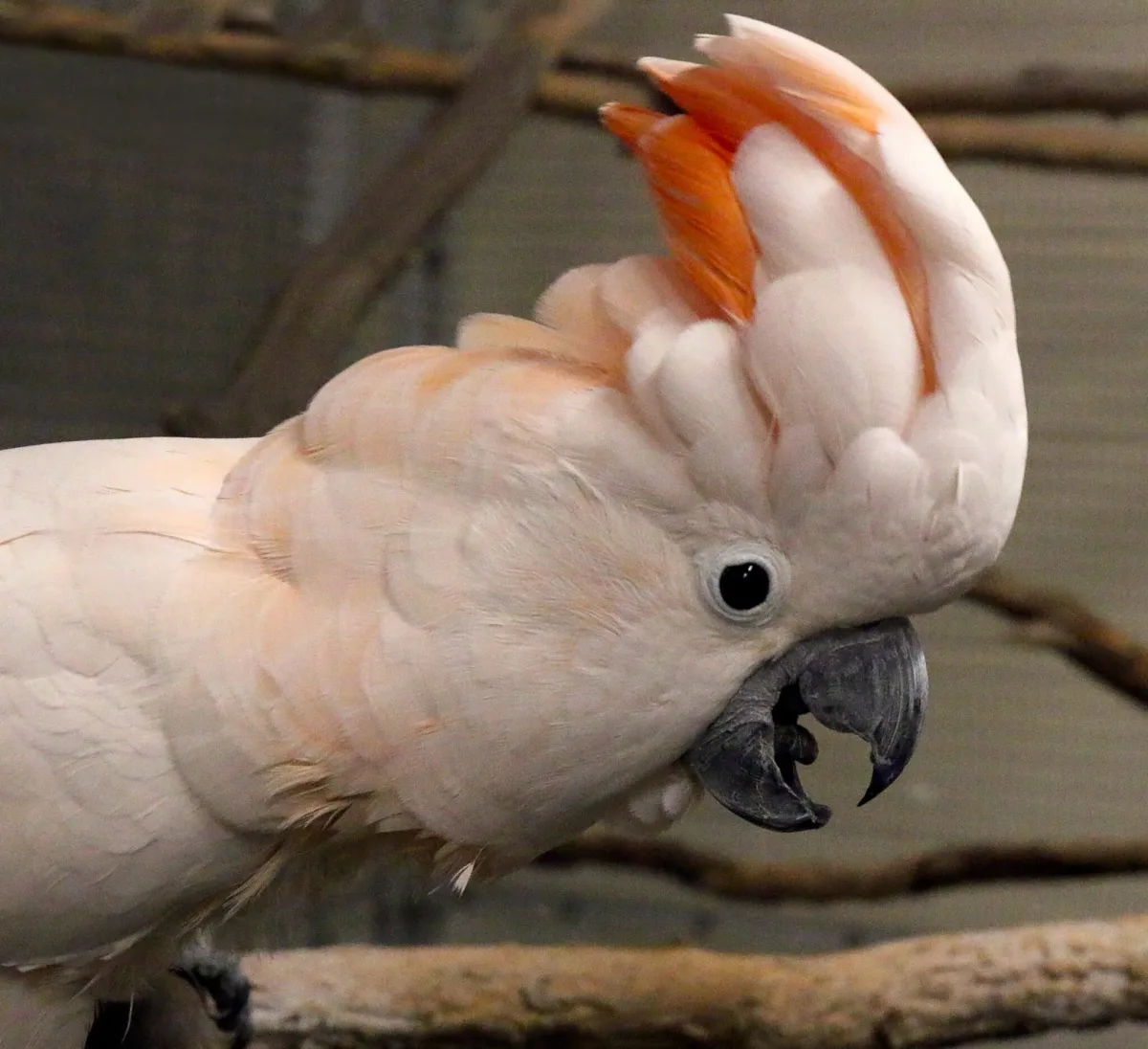
Image source: Web (Bing) / indianapoliszoo.com (Web image (fair-use with source credit))
Cockatoo Crests: Your Bird's Built-In Mood Ring
The Crest's Role in Bird Body Language
Think of a cockatoo's crest not just as a pretty decoration, but as a vital communication tool. It's made of feathers that the bird can raise or flatten against its head. This movement is entirely voluntary and controlled by muscles at the base of the crest.
It’s one of the most obvious ways they signal their internal state to the world.
Our research shows that crest position is a complex indicator, often used in conjunction with other visual cues. A fully erect crest usually signifies heightened awareness or strong emotion, while a flattened crest suggests relaxation or contentment. This visual communication is essential for social interactions within flocks and for how they interact with us.
The Crest's Role in Avian Communication
Avian communication relies on a rich blend of vocalizations, body postures, and physical displays. For cockatoos, the crest plays a starring role in their non-vocal repertoire. It’s a highly visible signal that can convey a lot without a single sound.
Observing this visual cue can offer deep insights into a bird's well-being and immediate feelings. This visual language is a fundamental aspect of their species' social structure.
Decoding the Crest: What Different Positions Mean
The position of a cockatoo's crest isn't a simple on-or-off switch; it’s a spectrum of expression. By paying attention to how the crest is raised, you can start to decipher a more nuanced message. It’s like learning a new language, and the crest is one of its most expressive alphabets.
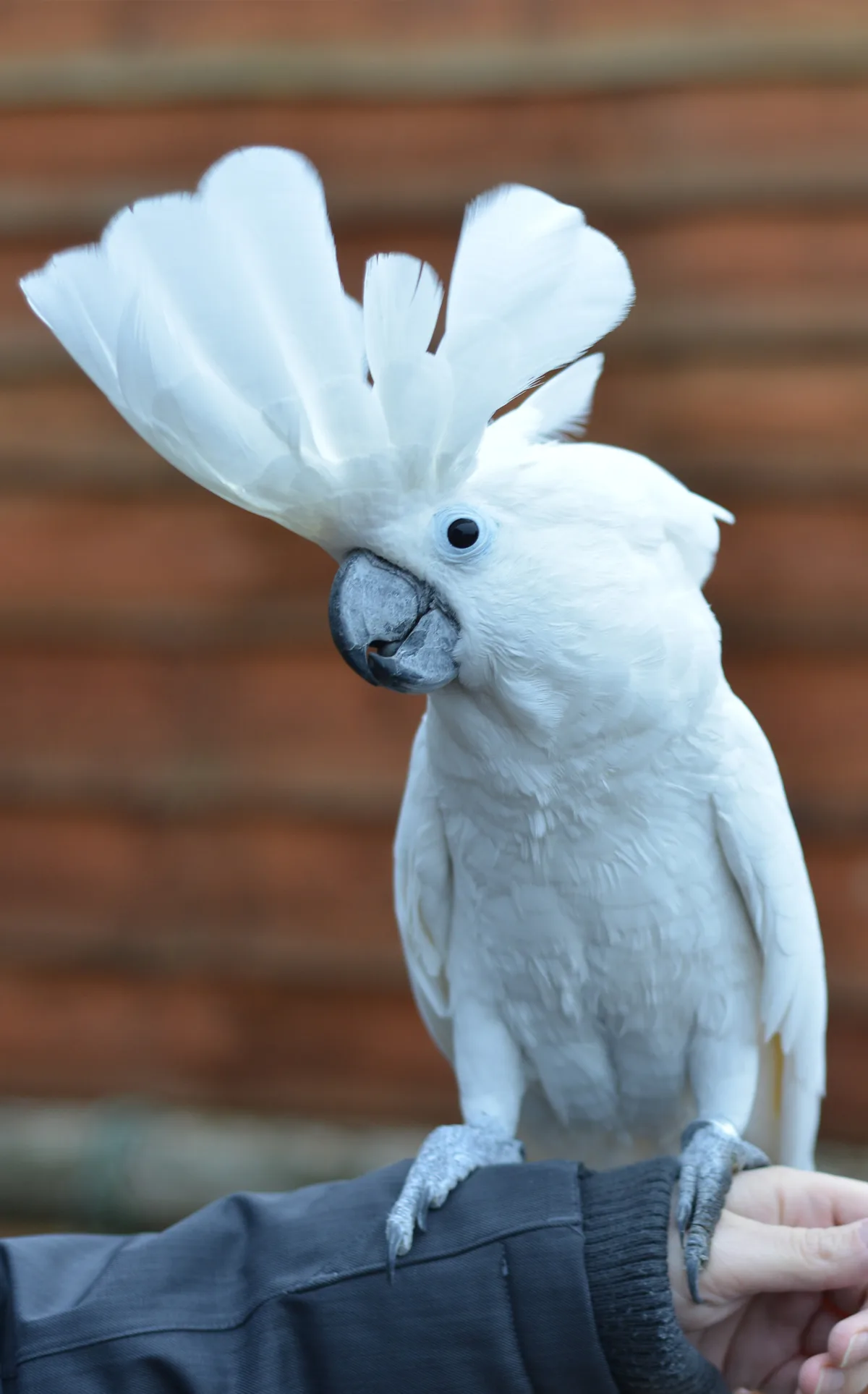
Image source: Web (Bing) / storage.googleapis.com (Web image (fair-use with source credit))
Fully Erect and Proud
When a cockatoo's crest is fully raised and fanned out, it typically means they are highly stimulated or experiencing a strong emotion. This could be intense happiness, excitement, or a feeling of confidence. They might also raise their crest fully when they are surprised by something or trying to make themselves look as imposing as possible.
It’s their way of saying, "Look at me! Something big is happening!"
Partially Raised or Flicking
A crest that's only partly raised or that rapidly flicks up and down often indicates a state of uncertainty, curiosity, or mild agitation. They might be trying to process new information or assess a situation. This can also be a sign of indecision.
If the crest is flicking, it suggests a bird is actively trying to figure something out or is feeling a bit conflicted.
Tense Crest with Stiff Body Language
If the crest is held high, but the bird's body is also tense, feathers might be slightly fluffed, and their eyes might appear wide or "pinned" (pupils dilating and constricting rapidly), this usually signals alarm, fear, or aggression. They're feeling threatened or defensive. This is a warning sign, and it's important to respect that boundary and not push the bird further.
Reading the Whole Bird: Context is Key
Just looking at the crest is only half the story. To truly understand what your cockatoo is trying to tell you, you need to consider the entire picture. Their body language is a symphony of signals, and the crest is just one part of it.
Think of it like reading a sentence, you need all the words, not just one, to get the full meaning.

Image source: Web (Bing) / animalcompare.com (Web image (fair-use with source credit))
Beyond the Crest: Other Body Language Cues
What else should you look for? A relaxed cockatoo might have a softly feathered body and a crest that's mostly flat or only slightly raised. If they're happy and playful, you might see a raised crest combined with wing flapping, vocalizations, or a bouncy gait.
Conversely, a fearful bird might flatten its crest but fluff up its body feathers to appear larger, or you might notice them cowering.
Understanding the Environment: What Else is Happening?
The environment plays a huge role. Is there a new person in the room? Did a loud noise just occur?
Is their favorite treat about to appear? These external factors will influence how the bird expresses itself. For example, a crest raised in response to a stranger entering the room might be accompanied by defensive posturing, while a crest raised at the sight of a treat signals pure anticipation.
Common Misinterpretations and Mistakes to Avoid
It’s easy to get it wrong when you're first learning to read your cockatoo's signals. Misinterpreting crest changes can lead to misunderstandings or even stress for the bird.
Assuming Simple Emotions
One of the biggest pitfalls is assuming a raised crest always means happiness or always means aggression. As we've seen, it covers a wide range of feelings. A crest that shoots up when you arrive home is different from a crest that stays raised while the bird lunges at a perceived threat.
Don't jump to conclusions based on the crest alone.
Overlooking Other Signals
Focusing solely on the crest is a mistake. Many people see the crest go up and stop there. However, the bird's overall posture, feather condition, eye pinning, and vocalizations provide crucial context.
For instance, a cockatoo might raise its crest in curiosity, but if its body is tense and it's emitting low growls, the curiosity is likely mixed with apprehension or dominance. Always consider the full suite of visual and auditory cues.
How to Become a Crest Expert
Learning to read your cockatoo's crest takes practice and patience, but it’s incredibly rewarding. It’s like building a muscle, the more you use it, the stronger your understanding becomes. You'll start to notice patterns and nuances unique to your individual bird.
Practical Tips for Observation
To really get good at this, dedicate some time to just watching your cockatoo without interacting. Observe them during different times of the day and in various situations. Note what triggers crest movements and what other behaviors accompany them.
For example, does the crest go up when they hear a specific sound? Does it rise when you offer a favorite toy?
Keep a mental (or even written) log of these observations. Over time, these details will paint a clearer picture. Remember, each bird is an individual, and while general principles apply, your bird will have its own subtle variations in how it uses its crest.
Building Your Understanding Over Time
Don't get discouraged if you misinterpret a signal now and then. It’s part of the learning process. The goal isn't perfection overnight, but gradual improvement in your ability to connect with your bird on a deeper level.
Consistent observation and a willingness to learn from both successes and errors will make you a much more attuned companion to your cockatoo.
Frequently Asked Questions About Cockatoo Crests
What does it mean if my cockatoo’s crest is always slightly raised?
A consistently slightly raised crest can indicate a bird that is generally alert, curious, or perhaps a bit anxious. It’s not necessarily a sign of distress, but it suggests they are not in a state of complete relaxation. Observe their other behaviors to gauge their overall mood.
Can a cockatoo raise its crest when it's sad or bored?
While sadness or boredom aren't directly communicated by crest position, a lack of stimulation or interaction could lead to general unease or mild frustration, which might manifest as a slightly raised or flicking crest. True contentment is usually associated with a flattened crest.
Is a raised crest always a sign of aggression?
No, a raised crest is definitely not always a sign of aggression. It's a broad signal for attention and heightened emotion, which can include excitement, happiness, curiosity, or surprise. Aggression is usually indicated by a raised crest combined with tense body language, pinned eyes, and vocalizations like hissing.
How quickly can a cockatoo raise and lower its crest?
Cockatoos can raise and lower their crests incredibly quickly, often in a fraction of a second. This rapid movement is part of what makes it such an effective tool for conveying immediate emotional shifts or reactions to stimuli.
Talking with Your Cockatoo: The Crest as a Conversation Starter
Understanding your cockatoo's crest is more than just a neat trick; it’s the foundation for a stronger, more trusting relationship. When you can accurately interpret their signals, you can respond appropriately, offering comfort when they're uneasy, joining in their excitement, or respecting their boundaries when they're defensive. This level of communication fosters a deeper bond and ensures your bird feels understood and safe.
Think of it as having a continuous conversation. Their crest, combined with their other behaviors, provides feedback on your actions and their environment. By learning to interpret these messages, you're not just a caretaker; you're a true companion who understands their unique language.
This nuanced understanding is what truly sets apart an engaged and knowledgeable bird owner.