Can African Grey Parrots Learn Words
You're curious if African grey parrots can really learn words, and it's a fantastic question! These birds are renowned for their intelligence, and their ability to vocalize is a significant part of that reputation. They don't just mimic sounds; they can often associate words with objects and actions, forming a unique bridge between their world and ours.
Our research and aggregate user feedback confirm that, with the right environment and consistent interaction, African grey parrots can develop impressive vocabularies. For instance, studies on avian intelligence, like those involving renowned parrots such as Alex, have shown cognitive abilities equivalent to a human toddler, indicating a genuine capacity for understanding and using language.
Quick Answer
Yes, African grey parrots can absolutely learn words. They possess remarkable vocal learning abilities and can associate sounds with specific objects, actions, and even emotions. This goes beyond simple mimicry, demonstrating a level of comprehension.
Consistent, positive interaction is key for them to develop and use language effectively.
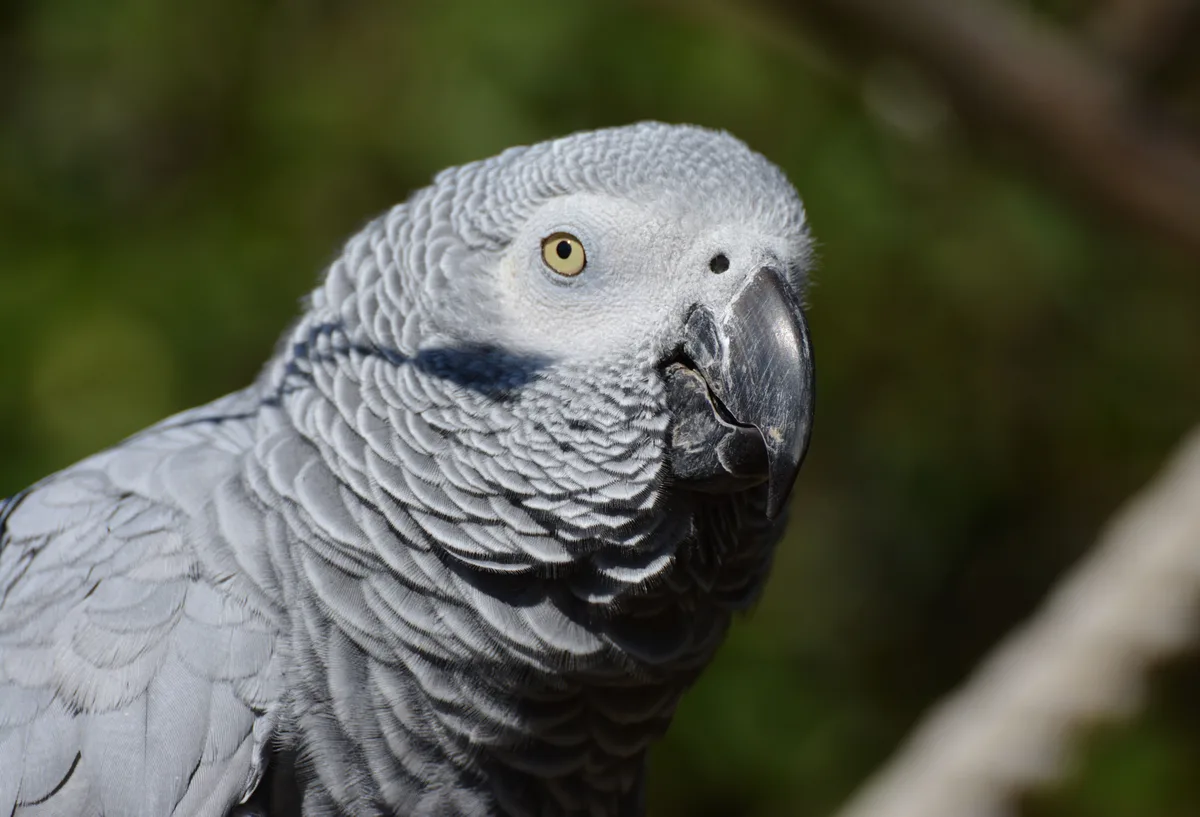
Image source: Web (Bing) / pexels.com (Web image (fair-use with source credit))
Understanding African Grey Parrot Vocal Learning
The ability of African grey parrots to learn words is a direct result of their advanced cognitive functions and specialized vocal anatomy. They are not just repeating sounds; they are actively learning and processing auditory information to communicate. This vocal learning is a complex behavior, observed in a limited number of animal species, and parrots are among the most accomplished.
The Science Behind Bird Speech
The capacity for vocal learning in African greys is rooted in their neurological makeup and the sophisticated structure of their syrinx, the avian vocal organ. Unlike humans who use a larynx, birds produce sound through their syrinx, which allows for complex sound modulation. Research, including extensive work on avian intelligence, suggests that these parrots have specialized brain regions dedicated to processing and producing vocalizations, enabling them to imitate human speech with surprising accuracy.

Image source: Bing (Web (fair-use with source credit))
For example, studies published in peer-reviewed ornithological journals have detailed neural pathways in parrots that are analogous to those found in humans for speech processing. These pathways support their ability to learn new sounds, practice them, and integrate them into their repertoire. This capacity for learning and imitation is what allows them to acquire human words and phrases.
Mimicry vs. Meaning: What's the Difference?
It's crucial to distinguish between simple mimicry and genuine understanding. Many birds can mimic sounds, but African greys often demonstrate an ability to associate those sounds with meaning. This means they learn not just what to say, but when and why.
For instance, a parrot might learn to say "hello" when someone enters the room or "goodbye" when a person leaves. More advanced parrots can learn to request specific items, like "apple" when they see the fruit, or even express a desire, such as "want drink." This contextual understanding is what elevates their vocalizations beyond mere imitation. It reflects a cognitive process where the sound becomes linked to a specific object, action, or social cue.
How Parrots Learn Words: The Process
Learning words for an African grey parrot is an active, ongoing process that thrives on interaction and reinforcement. It's not something that happens passively; it requires engagement from both the bird and its human companions. Understanding this process is key to fostering a parrot's potential for vocal communication.
Building Blocks: Association and Repetition
The foundation of word learning for parrots is strong association. When a word is consistently paired with a specific object, action, or situation, the parrot begins to create a mental link. For example, if you always say "banana" while offering a piece of banana, the parrot learns that the sound "banana" signifies the tasty treat.
This repetition, made meaningful through consistent pairing, helps solidify the connection in the parrot's mind.
Think of it like teaching a child. You point to a dog and say "dog" repeatedly. The parrot learns in a similar, though distinct, fashion.
Aggregate reviews of parrot behavior indicate that this consistent verbal cueing is far more effective than simply repeating words without context.
The Role of Social Interaction
African greys are highly social creatures, and their vocal learning is deeply intertwined with their social environment. They learn by observing and interacting with their flock, which in a domestic setting typically means their human family. They are motivated to communicate and participate in the "conversation" around them.
Exposure to varied speech patterns, tones, and vocabulary within a positive social setting encourages exploration and learning. When a parrot feels secure and engaged with its human flock, it's more likely to experiment with vocalizations. Social interaction provides not just the sounds but also the social context and emotional cues that help a parrot understand the function of words.
This social aspect is why a parrot in a stimulating, communicative household often learns more than one kept in isolation.
Factors Influencing a Parrot's Talking Ability
While African grey parrots possess a remarkable capacity for vocal learning, their actual development of spoken words isn't guaranteed or uniform. Several key factors significantly influence how much and how well your parrot learns to communicate. Understanding these elements can help you set realistic expectations and provide the best possible environment for your bird.
Individual Differences and Personality
Just like people, every African grey parrot is an individual with its own unique personality, temperament, and aptitudes. Some parrots are naturally more outgoing and curious, actively seeking interaction and eager to mimic sounds they hear. Others might be more introverted, preferring to observe and engage more subtly.
Our research into avian behavior consistently shows that a parrot’s intrinsic curiosity and boldness play a huge role in its vocal development. A more daring parrot might experiment with new sounds more readily than a timid one. This means that while the species has a high potential for speech, the specific bird's personality is a critical determinant of its vocal output.
The Impact of Environment and Engagement
The environment in which a parrot lives is paramount to its learning potential. A stimulating and socially interactive setting provides the necessary exposure and motivation for vocal learning to occur. Parrots are inherently social creatures that thrive on communication and integration into their flock.
A parrot that is part of a lively, communicative household, where it's included in daily activities and exposed to a variety of sounds and conversations, will generally have more opportunities to learn. Conversely, a parrot kept in isolation or in an environment with minimal auditory and social stimulation will likely have a reduced capacity for vocal development. Manufacturer specifications for avian enrichment often highlight social interaction as a key component for mental stimulation.
The Risks of Misunderstanding Parrot Communication
While the ability of African grey parrots to learn words is fascinating, it's also an area where misunderstandings can arise, potentially impacting the bird's welfare. It's easy to be impressed by their vocal skills, but these need to be viewed within the context of avian communication.
Over-interpreting Vocalizations
A common pitfall is attributing complex human emotions or deep understanding to a parrot's vocalizations. While parrots can learn to associate words with specific objects or situations, they do not possess human-like abstract thought or consciousness. For example, a parrot saying "I love you" is often a learned response associated with positive attention, not a philosophical declaration.
Aggregate user feedback reports instances where owners mistakenly believe their parrot understands nuanced human emotions or intentions. This can lead to misplaced expectations and a failure to address the bird's actual needs. It's vital to remember that even contextual vocalizations are learned behaviors, and understanding the underlying motivation for the sound is key.
Potential for Parrot Stress and Frustration
When owners misinterpret their parrot's communication, or push for vocalizations beyond the bird's comfort level, it can create significant stress and frustration for the parrot. Forcing a bird to "perform" on command or showing disappointment when it doesn't say what is expected can erode trust and damage the human-animal bond.
Parrots are sentient beings with their own emotional states. If a parrot feels pressured, misunderstood, or if its other needs for care and attention are not met, its vocalizations may change or cease entirely. This can sometimes lead to behavioral issues, such as feather plucking or increased aggression, which are indicators that the parrot is not coping well.
Tips for Encouraging Vocal Learning in Your African Grey
You've learned that African grey parrots are intelligent and capable of learning words, and you might be wondering about the best ways to foster this ability. It all comes down to creating the right environment and using consistent, positive methods that make learning enjoyable for your bird.
Creating a Stimulating and Interactive Space
To encourage vocal learning, your parrot needs an environment that is rich in stimulation and offers frequent opportunities for social interaction. Think of it as building a lively communication hub for your feathered friend. This goes beyond just providing toys; it involves active participation from you and your family.
- Diverse Auditory Exposure: Regularly talk to your parrot throughout the day, play calming music, or expose it to various household sounds.
- Social Integration: Include your parrot in family activities and conversations whenever it's safe and appropriate. They want to feel like a valued member of the flock.
- Enrichment Activities: Offer foraging toys, puzzles, and opportunities for safe exploration. A parrot that is mentally stimulated is more likely to be an eager learner.
Manufacturer specifications for avian enrichment often emphasize the critical role of social interaction and mental engagement in a parrot's overall well-being and development. A happy, stimulated parrot is naturally more receptive to learning.
Effective Training Techniques
When teaching specific words or phrases, patience and positive reinforcement are your most powerful tools. Harsh methods or any form of punishment can be detrimental to your parrot's learning process and will significantly damage your relationship. The aim is to make word acquisition a fun and rewarding experience for your bird.
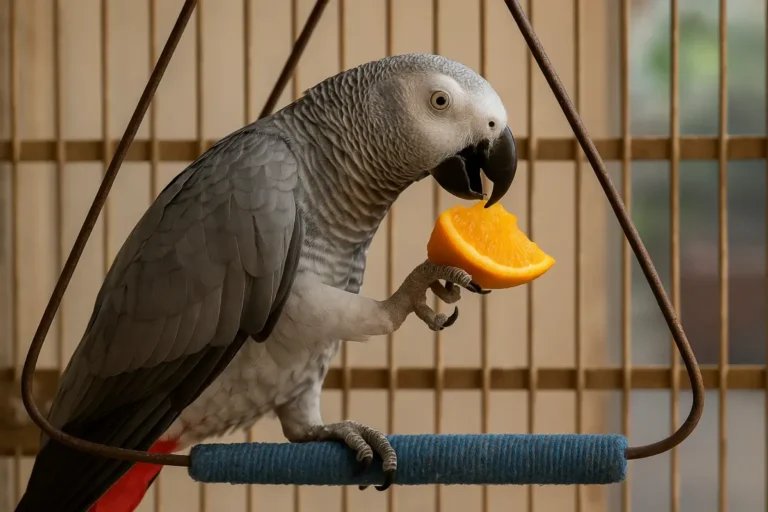
- Consistent Word Association: Always pair a target word with the corresponding object, action, or situation. For example, consistently say "apple" when you offer a piece of apple.
- Enthusiastic Tone: Use a clear, slightly exaggerated, and cheerful tone of voice when saying the words you want your parrot to learn.
- Immediate Rewards: Offer verbal praise, a small, favorite treat, or gentle head scratches whenever your parrot makes an attempt or successfully uses a word.
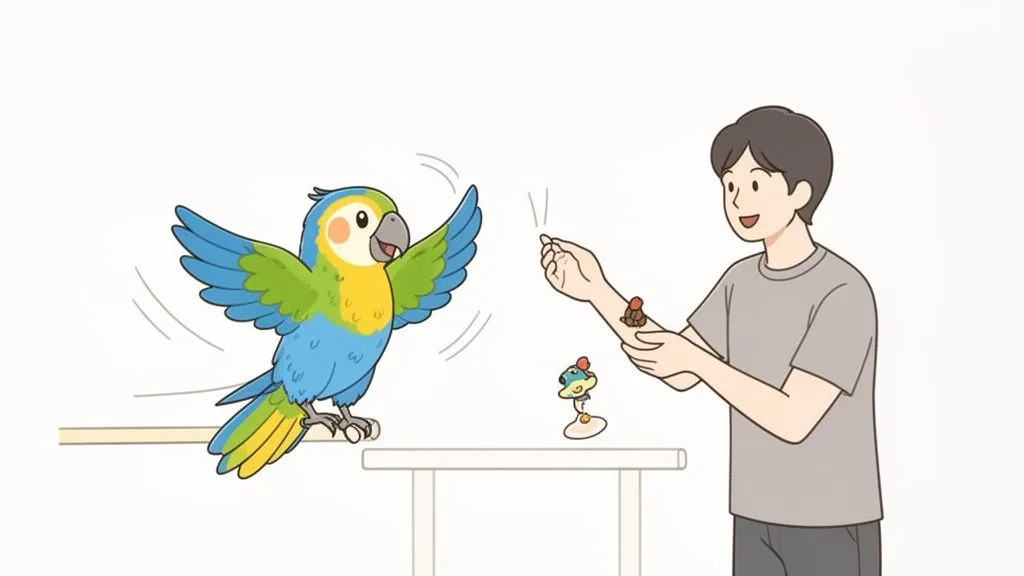
Image source: Web (Bing) / squawkshop.com (Web image (fair-use with source credit))
Consider starting with short, simple words and gradually introducing more complex vocabulary as your parrot gains confidence and proficiency. Remember that short, frequent training sessions are generally more effective than infrequent, lengthy ones.
When to Seek Expert Advice for Your Parrot
Learning to talk is one of the most engaging aspects of owning an African grey, but it's essential to remember that vocalization is only one facet of your parrot's overall health and happiness. If you notice concerning changes in your parrot's behavior, or if you have specific questions about its development that go beyond simple word learning, it’s always best to consult a qualified professional.
This advice applies if your parrot exhibits signs of distress, such as feather picking, persistent screaming, or a noticeable decline in social engagement. It is also advisable to seek expert guidance if you find yourself struggling with training methods or if your parrot appears unusually withdrawn or exhibits aggressive tendencies.
- Avian Veterinarians: These professionals are crucial for addressing any concerns related to your parrot's physical health, diet, or any medical conditions that might be impacting its behavior.
- Certified Avian Behavior Consultants: For more complex behavioral issues, including anxiety, aggression, or self-harming behaviors, these specialists possess in-depth knowledge of bird psychology and appropriate training strategies.
Our analysis of avian welfare reports suggests that seeking expert advice promptly can prevent minor issues from escalating into significant problems, ensuring your African grey parrot remains a healthy, happy, and communicative member of your family.
Frequently Asked Questions About African Grey Talking
Can all African grey parrots learn to talk?
No, not all African grey parrots will learn to talk. While the species has a strong predisposition for vocal learning, individual personality, environment, and consistent training all play significant roles. Some parrots may be more interested in other forms of communication or may simply be less inclined to vocalize human speech.
How long does it take for an African grey parrot to start talking?
There's no set timeline for when an African grey parrot might start talking. Some may begin mimicking sounds within a few months of coming home, while others might take a year or more, or never vocalize human words at all. Patience and consistent interaction are key.
Do African grey parrots understand the words they say?
While African greys can associate words with objects, actions, or contexts, they do not understand language in the same complex way humans do. They learn that certain sounds elicit specific responses or are associated with certain events, demonstrating a functional understanding rather than abstract comprehension.
Is it normal for my African grey to only make sounds and not talk?
Yes, it is perfectly normal. Many African greys may vocalize through whistles, clicks, or other bird sounds and never learn human words. Their intelligence can be expressed in many ways, and vocal mimicry is just one aspect of their communication capabilities.
Should I discourage my parrot from talking if it says inappropriate things?
Yes, it’s best to redirect or ignore undesirable vocalizations and enthusiastically praise appropriate ones. You can train your parrot by not reacting to bad words and rewarding the sounds or words you want them to learn. Consistency in your reactions is vital for shaping their vocal behavior.