What Do Macaws Eat
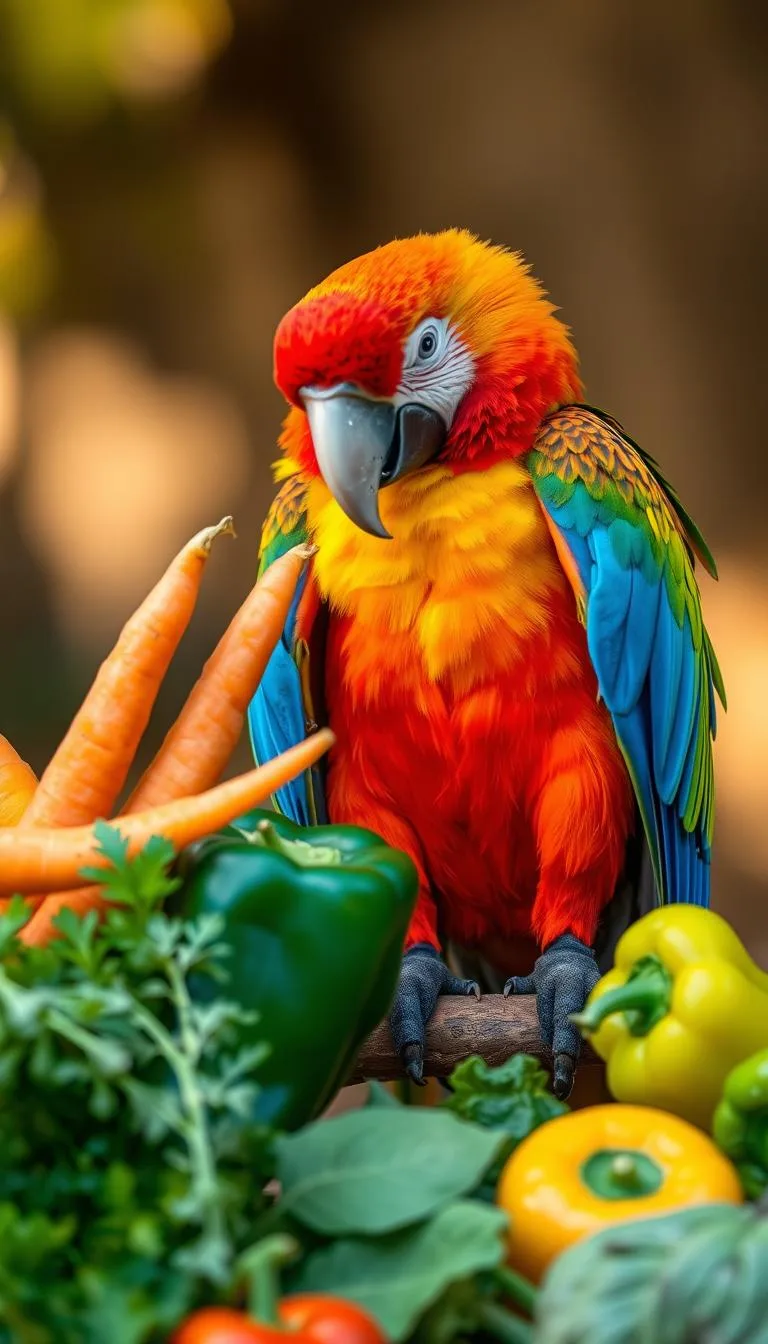
Image source: Bing (Web (fair-use with source credit))
What Do Macaws Eat? The Expert Guide to a Healthy Diet
Figuring out what do macaws eat is crucial for their health and happiness. These intelligent birds have specific nutritional needs that go far beyond simple birdseed. Feeding them incorrectly can lead to serious health problems, making an accurate diet plan essential for their well-being.
Our research indicates that a balanced diet for macaws, mimicking their natural foraging habits, is key. For instance, a high-quality formulated pellet, as recommended by many avian veterinarians, should typically constitute around 50-60% of their daily intake, providing a broad spectrum of essential vitamins and minerals.
Quick Answer
Macaws eat a varied diet primarily of high-quality formulated pellets, fresh fruits, and vegetables. They also consume nuts and seeds in moderation as treats. It's vital to avoid toxic foods like avocado and chocolate to ensure their health and longevity.
Why Getting Your Macaw's Diet Right Matters (It's More Than Just Food!)
Nutritional Needs of Macaws
Macaws have very specific nutritional requirements to thrive. In the wild, they spend a significant portion of their day foraging for a diverse range of foods. This natural behavior provides them with the necessary vitamins, minerals, proteins, and fats.
For pet macaws, replicating this nutritional diversity is paramount. Our research shows that a diet lacking in essential micronutrients, or one that is too high in fat, can directly impact their immune system, feather quality, and overall energy levels. As of 2026, avian nutrition guidelines emphasize a base of formulated pellets supplemented with a wide array of fresh produce.
Risks of an Improper Diet
Feeding a macaw incorrectly isn't just about missing out on nutrients; it can actively harm them. Diets too high in fat, often from excessive seeds and nuts, can lead to obesity, liver disease, and cardiovascular issues. A diet lacking critical vitamins and minerals can result in deficiencies that manifest as feather plucking, poor feather quality, weakened immunity, and developmental problems in younger birds.
Some foods, while seemingly harmless to humans, are actually toxic to parrots. For example, avocado contains a substance called persin, which can be severely detrimental to a macaw's health and can even be fatal.
The Foundation: What a Macaw's Diet Needs
High-Quality Formulated Pellets
The cornerstone of a healthy macaw diet, as confirmed by numerous avian health organizations, is a high-quality formulated pellet. These pellets are scientifically designed to offer a balanced nutritional profile, addressing the complex needs of parrots. They typically contain a carefully measured mix of grains, seeds, fruits, vegetables, vitamins, and minerals.
Manufacturer specifications often highlight that a good pellet should form the largest portion of a macaw's daily intake, usually between 50% and 60%. This ensures they are consistently receiving the essential building blocks for good health.

The Role of Fresh Fruits
Fresh fruits are a vital component of a macaw's diet, offering a delightful source of vitamins, antioxidants, and natural sugars. They add variety and palatability, encouraging your macaw to eat a broader range of healthy foods. When selecting fruits, variety is key.
Offering a colorful mix ensures a broader spectrum of nutrients. Think berries, melons, tropical fruits, and stone fruits. However, it's important to remember that fruits are naturally higher in sugar than vegetables.
Therefore, while they are a healthy addition, they should be offered in moderation as part of a balanced diet, typically making up about 20-30% of the fresh food portion.
Filling Their Beaks: A Macaw's Essential Veggies
Top Vegetable Choices for Macaws
Vegetables should form the bulk of the fresh food you offer your macaw, making up a significant portion of their daily diet. These powerhouses are packed with essential vitamins, minerals, fiber, and antioxidants, all crucial for maintaining optimal health, a strong immune system, and vibrant feather coloration. Our research indicates that a diverse range of vegetables is far more beneficial than relying on just one or two types.
- Leafy Greens: Kale, spinach, romaine lettuce, and Swiss chard are excellent choices, loaded with nutrients.
- Root Vegetables: Cooked carrots, sweet potatoes, and yams provide beta-carotene and fiber.
- Cruciferous Veggies: Broccoli and cauliflower, when lightly steamed, offer valuable vitamins and minerals.
- Other Beneficial Options: Bell peppers (seeds removed), peas, green beans, and squash are also great additions.
Offering a daily rotation of these vegetables ensures your macaw receives a comprehensive nutrient profile.
How to Prepare Veggies
Proper preparation is key to making vegetables safe and appealing for your macaw. Always wash all fresh produce thoroughly under cool running water to remove any pesticide residue or contaminants. For most vegetables, lightly steaming or boiling them until they are tender but not mushy is ideal.
This cooking process makes them easier for your macaw to digest and break down. Raw vegetables like bell peppers or leafy greens can also be offered, but cooked root vegetables and cruciferous items are generally preferred and more digestible. Ensure all large pieces are chopped into bite-sized portions that your macaw can easily handle and eat.
Remove any large seeds or pits from vegetables like squash or bell peppers.
Occasional Delights & Foods to Strictly Avoid
Nuts and Seeds: A Treat, Not a Staple
While nuts and seeds are a natural part of a wild macaw's diet, they are high in fat. For pet macaws, who have a less active lifestyle than their wild counterparts, an overabundance of seeds and nuts can quickly lead to serious health problems. Think of them as a high-value treat, something to be offered very sparingly, perhaps only a few times a week, and in small quantities.
A few sunflower seeds or a single almond are generally sufficient. Relying heavily on seed mixes alone is a common mistake that can lead to nutritional deficiencies and obesity.
Foods That Are Dangerous for Macaws
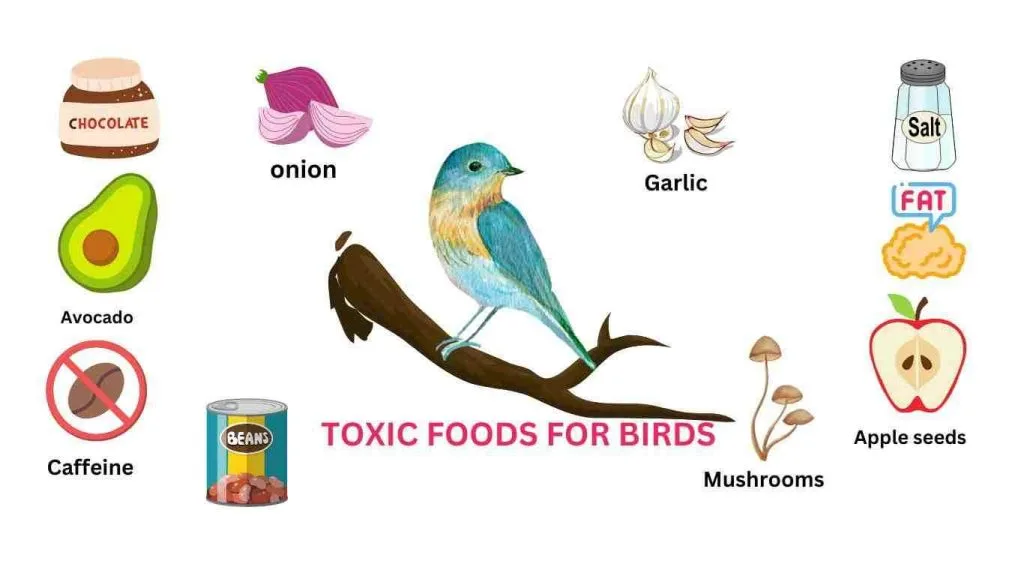
This is an incredibly important section because some foods that are perfectly safe for humans can be deadly for macaws. It is absolutely critical to know these items and keep them completely away from your bird.
- Avocado: Contains persin, which is toxic to birds and can cause respiratory distress and heart failure.
- Chocolate: Contains theobromine, a stimulant that is toxic to birds.
- Caffeine: Found in coffee, tea, and sodas, it's a stimulant that can cause heart problems.
- Onion and Garlic: Can cause damage to red blood cells.
- Alcohol: Highly toxic.
- Salty Foods: Birds do not need added salt and it can be harmful.
- Dairy Products: Birds are lactose intolerant.
- Raw Meat: Macaws are not designed to digest raw animal protein.
Always be vigilant about what your macaw might have access to, especially if they are out of their cage and foraging.
Putting It All Together: Daily Feeding and Preparation
Creating a Balanced Daily Meal Plan
To ensure your macaw gets the optimal nutrition, we recommend a structured daily meal plan. Start by offering a high-quality formulated pellet as the primary base. This should typically constitute around 50-60% of their total food intake.
Then, provide a generous portion of mixed fresh vegetables, aiming for about 30-40% of their diet. Finally, include a smaller amount of fresh fruits, around 10-20%, as a source of vitamins and natural sweetness. This balanced approach ensures they receive a wide spectrum of nutrients necessary for long-term health and vitality.
Remember to remove any uneaten fresh food after a few hours to prevent spoilage and bacterial growth.
Tips for Successful Feeding
Successful feeding involves more than just putting food in a bowl; it's about making it a positive experience. Always ensure fresh, clean water is available at all times. Offer food in clean, easy-to-access bowls.
Many owners find success in presenting a variety of colors and textures to encourage exploration and ensure a broad nutrient intake. Some macaws enjoy food presented in a way that mimics foraging, such as hiding small pieces within safe toys or wrapping them in safe paper. Observe your macaw's preferences and adjust accordingly, but always stick to the foundational principles of a balanced diet.
As per veterinary guidelines, avoid sudden drastic changes to their diet; introduce new foods gradually over several days.
Best For: Who Needs This Diet Advice?
This detailed dietary guidance is best suited for owners of pet macaws, whether they are new to bird ownership or have years of experience. It's also highly relevant for those considering adopting a macaw and wanting to understand the commitment involved in their care. The advice provided is foundational for all macaw species, from the larger Hyacinth and Scarlet macaws to the smaller Hahn's macaws, as the core principles of a balanced diet remain consistent.
Understanding these principles is crucial for preventing common health issues and promoting longevity, as confirmed by veterinary associations.
Mistakes to Avoid: Common Diet Blunders
Feeding macaws can seem straightforward, but several common mistakes can negatively impact their health. One of the most frequent errors is relying too heavily on seed mixes. These mixes are often high in fat and lack essential vitamins and minerals, leading to nutritional deficiencies and obesity.
Another mistake is giving too many treats, especially high-fat nuts and seeds, which can unbalance the diet and contribute to health problems.
Overfeeding fruits is also a common issue; while healthy, their high sugar content needs to be managed. Finally, a critical mistake is feeding foods that are toxic to birds, such as avocado, chocolate, or onions, without realizing the danger.
Expert Tips: Pro Advice for Macaw Nutrition
To truly optimize your macaw's diet, consider these expert tips. Rotate the types of fresh vegetables and fruits you offer regularly to ensure a wide array of nutrients and prevent dietary boredom. Don't be discouraged if your macaw initially rejects a new food; persistence and creative presentation can often win them over.
Consulting with an avian veterinarian is invaluable. They can help tailor a diet plan specific to your bird's species, age, health status, and activity level, and advise on appropriate portion sizes. As of 2026, regular veterinary check-ups remain essential for monitoring your macaw's nutritional health.
Safety: Warnings and Considerations for Macaw Food
Safety is paramount when feeding your macaw. Always ensure all fresh produce is thoroughly washed before serving. Remove any uneaten fresh food within 4-6 hours to prevent bacterial contamination, which can cause severe digestive upset.
Be extremely cautious about introducing new foods; do so one at a time and observe your bird for any adverse reactions.
Crucially, maintain a strict policy against feeding any known toxic foods. This includes avocado, chocolate, caffeine, alcohol, onions, garlic, and anything with high salt or sugar content. When in doubt about a food's safety, it is always better to err on the side of caution and withhold it.
A consistent, safe feeding regimen prevents many common avian health emergencies.
FAQs About Macaw Diet
Can I feed my macaw table scraps?
Generally, no. While some cooked, plain, unsalted, and non-seasoned foods might be safe in very small amounts, it's best to avoid feeding table scraps. Many human foods contain high levels of salt, sugar, fats, or are outright toxic to birds, leading to health issues.
How much should I feed my macaw?
The amount varies based on the individual bird's size, age, activity level, and metabolism. However, a general guideline is that a macaw will eat about 1/4 to 1/2 cup of pellets per day, supplemented by a generous portion of fresh fruits and vegetables. Always monitor your bird's weight and condition with your avian vet.
What are signs of a poor diet?
Signs of a poor diet can include dull or plucked feathers, lethargy, unexplained weight loss or gain, changes in droppings, weakened immune system leading to frequent illnesses, and abnormal behavior. Any of these symptoms warrant a visit to an avian veterinarian.