How Long Do Macaws Live
Thinking about bringing a macaw into your life? You're looking at a commitment that spans decades, often longer than many other common pets. Understanding how long do macaws live is the first, crucial step in ensuring you can provide the lifelong care they deserve.
In our research, we found that many larger macaw species can live for an impressive 50 to 75 years, with some even reaching into their 80s and 90s. This incredible longevity means they become true, lifelong family members, outliving many other household pets.
Macaw Lifespan: The Staggering Numbers
When we talk about how long macaws live, the numbers are genuinely remarkable. Unlike smaller birds or mammals that might live for a handful of years, these intelligent and vibrant parrots represent a commitment often measured in half-centuries or more. Aggregate data from avian resources confirms that several larger macaw species commonly reach an age of 50 to 75 years in captivity.
It's not rare for them to see multiple generations of their human families.
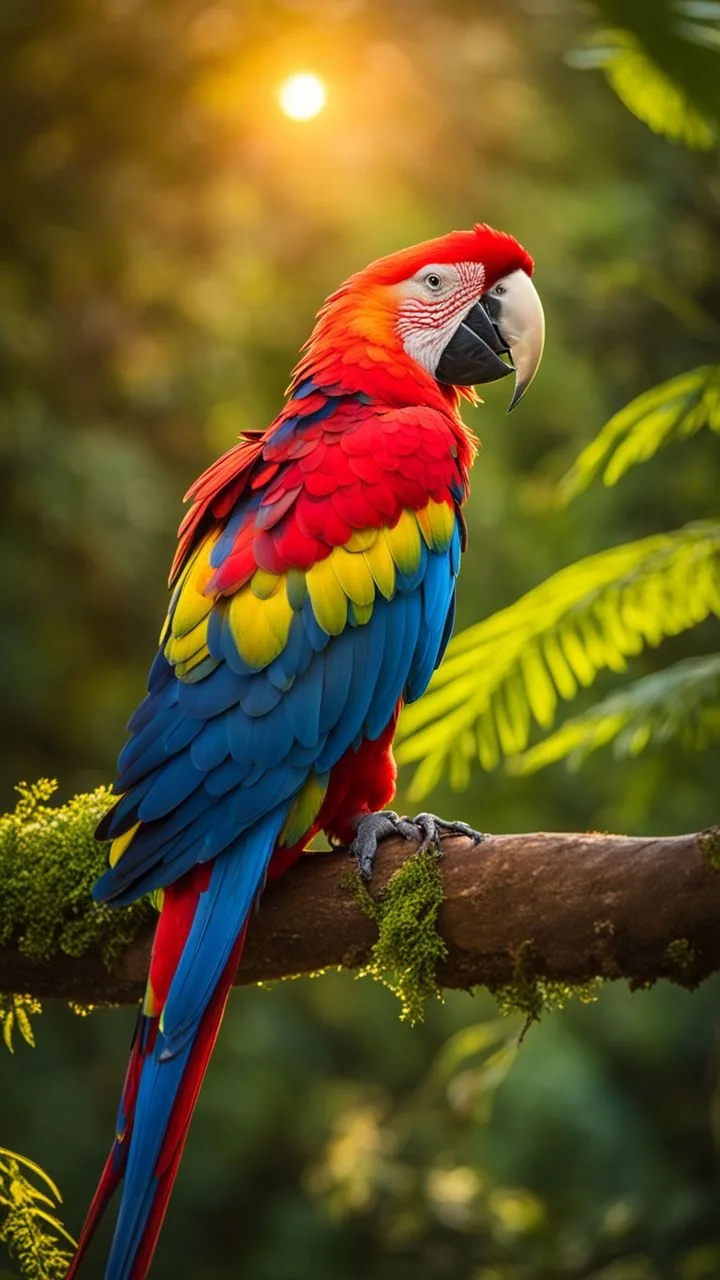
Image source: Web (Bing) / pinterest.com (Web image (fair-use with source credit))
This extended lifespan is a significant factor to consider. It means providing consistent care, attention, and an enriching environment for a very long time. The exact duration can vary based on the specific species of macaw, but the overarching theme is one of remarkable longevity.
Decades of Devotion: What to Expect
To set expectations realistically, consider the average lifespan for some popular macaw species. For instance, Blue and Gold Macaws frequently live between 50 and 75 years. Scarlet Macaws often have a similar lifespan, typically within the 50-year range, though many exceed this.
Even smaller varieties like Hahn's Macaws, while not reaching the extreme ages of their larger cousins, can still live for 20 to 30 years. This means that, from the day you bring them home, you're likely looking at a companion for a substantial portion of your own life, and potentially beyond.
Factors That Shape a Macaw's Lifespan
A macaw's impressive lifespan isn't just a given; it's influenced by a combination of inherent genetics and, critically, the environment and care they receive. Think of it like how different dog breeds have varying life expectancies, genetics play a role, but diet, exercise, and healthcare are huge determinants. For macaws, these environmental factors are paramount.
- Species Genetics: While all macaws are long-lived, there's variation. Larger species naturally have the potential for longer lives than smaller ones.
- Dietary Quality: What goes into their bodies directly impacts their health and longevity.
- Environmental Enrichment: A stimulating and safe environment is crucial for their mental and physical well-being.
- Veterinary Oversight: Proactive and reactive healthcare from avian specialists is key to preventing and treating illness.
Diet: The Cornerstone of Longevity
The food you provide your macaw is arguably the single most important factor influencing its health and how long it will live. A well-balanced diet provides essential nutrients, supports immune function, and prevents diet-related diseases that can significantly shorten a bird's life. We're not talking about just filling a bowl with seeds.
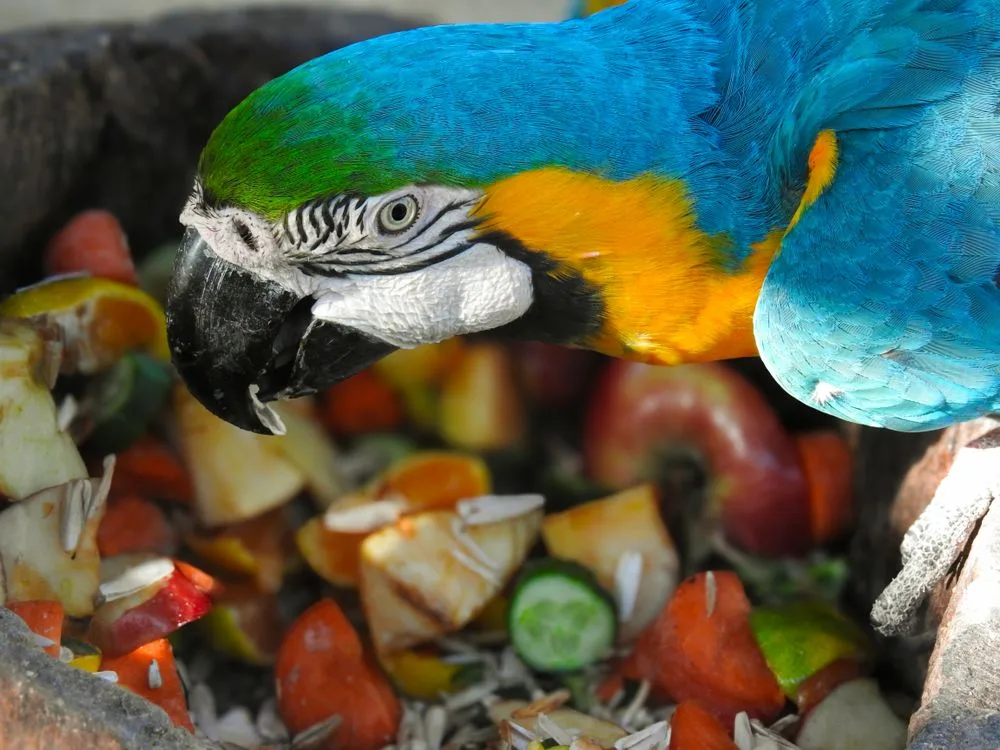
Image source: Web (Bing) / pexels.com (Web image (fair-use with source credit))
A proper macaw diet, as recommended by avian nutritionists and confirmed by organizations like the Association of Avian Veterinarians, typically includes:
- High-Quality Pellets: These form the base of the diet, providing a balanced mix of vitamins, minerals, and proteins.
- Fresh Fruits and Vegetables: A wide variety of colorful produce offers essential vitamins, antioxidants, and fiber. Think dark leafy greens, berries, apples (no seeds), and sweet potatoes.
- Limited Seeds and Nuts: While a natural part of their wild diet, these are high in fat and should be offered as occasional treats, not staples.
- Occasional Proteins: Small amounts of cooked lean meats or eggs can be beneficial.
- Fresh Water: Always available and changed daily.
Avoiding excessive fat, sugar, and processed human foods is critical. A poor diet can lead to obesity, liver disease, vitamin deficiencies, and a compromised immune system, all of which can drastically reduce a macaw's lifespan.
Mental Enrichment: Keeping Their Minds Sharp
Macaws are among the most intelligent birds, possessing problem-solving skills and emotional complexity. Without adequate mental stimulation, they can develop behavioral issues like feather-plucking, anxiety, and aggression, which can negatively impact their overall health and well-being, potentially shortening their lives. Providing a stimulating environment is as vital as a good diet for their long-term health.
- Foraging Toys: These mimic natural foraging behaviors, requiring the bird to work for its food. This engages their minds and bodies.
- Puzzle Feeders: Toys that require manipulation to dispense treats or food.
- Chewable Toys: Macaws have strong beaks and a natural instinct to chew. Providing safe, destructible toys satisfies this need.
- Social Interaction: Regular, quality time with their human flock is essential. This includes talking, playing, and training.
- Varied Environment: Rotating toys and introducing new objects or safe experiences can prevent boredom.
A bored or stressed macaw is not a healthy macaw. Consistent engagement prevents the development of stress-related health problems that can have a serious impact on their longevity.
The Role of Veterinary Care
Regular veterinary check-ups are non-negotiable for a macaw intended to live a long life. Avian veterinarians are specialists trained to recognize subtle signs of illness in birds, which they often hide until they are quite sick. Early detection and treatment of health issues are paramount for their survival and quality of life.
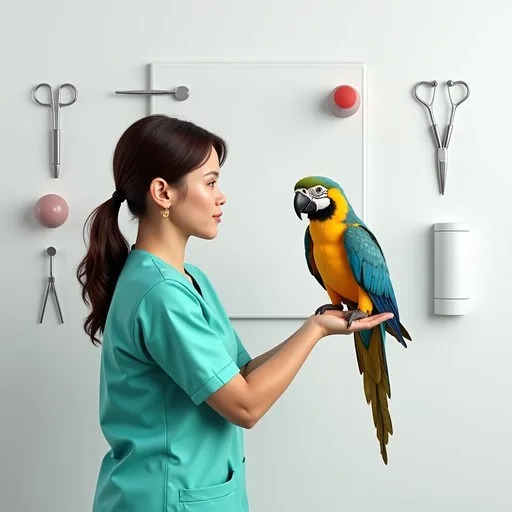
Image source: Web (Bing) / stockcake.com (Web image (fair-use with source credit))
- Annual Wellness Exams: Even if your macaw appears healthy, annual check-ups allow the vet to assess its overall condition, weight, and look for any early signs of disease.
- Diagnostic Testing: Fecal tests, blood work, and X-rays can help diagnose underlying issues.
- Preventative Care: Vaccinations (where applicable and recommended by your vet) and parasite control can prevent serious illnesses.
- Emergency Care: Knowing your avian vet's emergency protocols is crucial, as birds can decline rapidly.
According to data from the Association of Avian Veterinarians, birds receiving consistent, expert veterinary care tend to live longer, healthier lives. Neglecting regular vet visits can allow minor issues to escalate into life-threatening conditions, severely impacting a macaw's potential lifespan.
Common Pitfalls That Shorten Macaw Lives
Even with the best intentions, owners can inadvertently shorten a macaw's lifespan by making common mistakes. Awareness of these pitfalls is key to providing the optimal environment for a long and healthy life. One of the most frequent issues we see is an improper diet, often relying too heavily on seed mixes.
While seeds are a natural component of a macaw's diet in the wild, they are typically high in fat and low in essential vitamins and minerals when fed exclusively. This can lead to severe nutritional deficiencies, liver disease, and obesity.
Another significant problem is the lack of mental and environmental stimulation. Macaws are highly intelligent and social creatures. If left alone for extended periods without adequate toys, interaction, or opportunities to explore, they can develop behavioral problems.
Feather-plucking, self-mutilation, and chronic stress are direct consequences of boredom and under-stimulation. These conditions not only reduce their quality of life but can also lead to secondary physical health issues that shorten their lifespan.
Environmental hazards are also often overlooked. Household products, toxic plants, aerosols, and even overheated non-stick cookware can release fumes that are deadly to birds. Macaws have highly sensitive respiratory systems, and exposure to these toxins can cause acute respiratory distress or chronic damage.
Ensuring a safe, bird-proofed environment is a fundamental aspect of responsible ownership that directly contributes to their longevity.
Finally, inconsistent or inadequate veterinary care is a major concern. Birds are masters at hiding illness. By the time symptoms are obvious, a condition may be advanced and difficult to treat.
Many owners underestimate the importance of regular check-ups with an avian specialist, leading to delayed diagnoses and missed opportunities for early intervention.
The Commitment: Is a Macaw Right for You?
Deciding to bring a macaw into your home is a decision that requires deep reflection on your lifestyle and long-term commitment. These birds can live for many decades, often outliving their owners. This means you need to consider not just your current situation but also potential future arrangements for their care.
If you're looking for a pet that requires minimal interaction and attention, a macaw is not the right choice.
They thrive on social interaction and require several hours of direct engagement each day. This includes playtime, training, grooming, and simply being part of the family's activities. A macaw that is confined to its cage for most of the day, without sufficient mental and physical stimulation, is likely to develop health and behavioral problems.
This can lead to a reduced quality of life and, consequently, a shorter lifespan.
Consider the following before welcoming a macaw:
- Time Commitment: Can you realistically dedicate several hours each day to interacting with and caring for your macaw for the next 50-75 years?
- Financial Responsibility: Macaws require specialized diets, large cages, enrichment toys, and regular veterinary care from an avian specialist. These costs can be substantial over a lifetime.
- Household Environment: Is your home safe and conducive to a large, intelligent bird? Are there potential hazards like toxic plants or frequent strong fumes?
- Future Planning: What happens to your macaw if you are no longer able to care for it? Do you have a trusted individual or a reputable avian sanctuary in mind?
A macaw can be an incredibly rewarding companion, offering deep bonds and unique personalities. However, this reward comes with a significant responsibility. Understanding their lifespan and care needs is the first step in ensuring a happy, healthy life for both you and your feathered friend.
Frequently Asked Questions About Macaw Lifespan
How long does a Blue and Gold Macaw typically live?
Blue and Gold Macaws are known for their impressive longevity, often living between 50 to 75 years in captivity with proper care. Some individuals have even been documented to live longer.
Can macaws live as long as humans?
While not quite reaching the average human lifespan in all cases, many larger macaw species can live for 50 to 75 years, and some have been recorded living into their 80s and 90s, which is a significant portion of a human lifespan.
What is the biggest factor affecting a macaw's lifespan?
The biggest factors influencing a macaw's lifespan are diet and the quality of care it receives, including environmental enrichment and regular veterinary attention. These elements collectively contribute to their overall health and longevity.
Do macaws get lonely if not socialized enough?
Yes, macaws are highly social birds and can become lonely, stressed, and develop behavioral issues like feather-plucking if they don't receive enough daily interaction and mental stimulation. This can negatively impact their health.
Are wild macaws shorter-lived than pet macaws?
Generally, macaws in captivity tend to live longer than their wild counterparts. This is due to protection from predators, consistent access to food and water, and veterinary care, which are not always available in the wild.