Why Do Barn Owls Scream
You might be picturing a spooky, drawn-out shriek when you think of owls. But for barn owls, their vocalizations are often much more interesting, and less "scream-like" than you'd expect. If you've ever been out at dusk or dawn and heard a strange, raspy sound coming from a barn or an old tree, chances are it was a barn owl.
And if it sounded a bit like a scream, there's usually a good reason for it.
It's not like they're just screaming for the sake of it. Owl sounds, especially from barn owls, are communication. They're trying to tell us, or more importantly, other owls, something.
These distinctive sounds are part of a complex system of communication used for everything from marking territory to warning of danger, a behavior observed across many avian species, as documented by ornithological research.
Quick Answer
Barn owls "scream" to defend their territory and warn of danger. These harsh, raspy vocalizations are functional calls. They serve to alert other owls to threats and ward off intruders from hunting grounds or nesting sites.
What's That Scary Sound? Barn Owl "Screams" Explained
When you hear that distinct, harsh sound from a barn owl, it's most commonly tied to a few key situations. Think of it as their way of saying, "This is my spot!" or "Stay away!" It's a sound that can stop you in your tracks, often heard in the quiet of the night or the early dawn hours.
Beyond the Spooky Noise: Barn Owl Vocalizations in Context
Barn owls, Tyto alba, possess a surprisingly varied vocal repertoire that extends far beyond the stereotypical "hoot" often associated with owls. While their calls can sometimes sound unsettling to the human ear, they are entirely functional, serving specific purposes in the owl's daily life. Understanding these sounds means understanding the owl's environment and its needs.
Research from institutions like the Cornell Lab of Ornithology highlights that vocalizations are crucial for communication in many bird species, acting as a primary means of interaction. These calls are not random noises; they are carefully crafted signals.
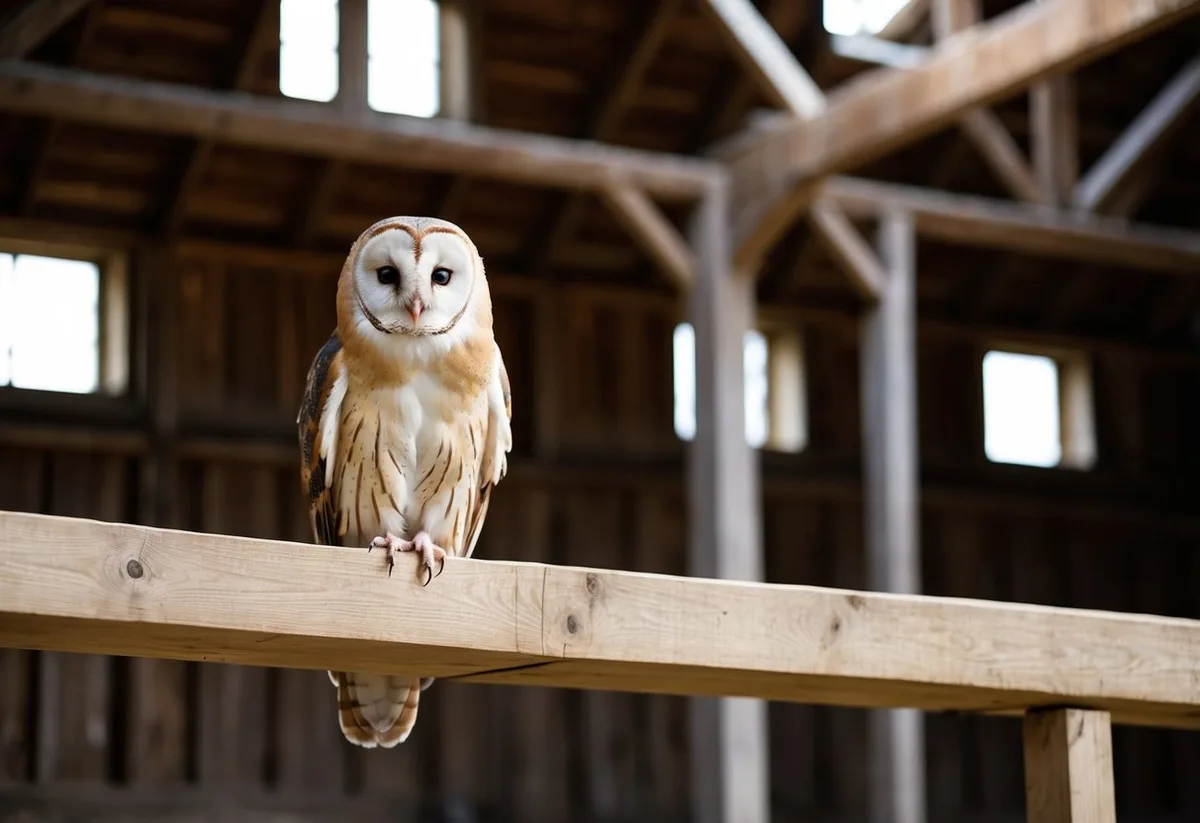
Image source: Web (Bing) / knowanimals.com (Web image (fair-use with source credit))
The most famous of these sounds, often described as a scream or screech, is actually a screeching call. This is one of the louder, more aggressive vocalizations an adult barn owl can produce. It's typically heard when an owl feels its territory is threatened, or when it's trying to ward off a rival.
It’s a sound designed to be heard over a distance, cutting through the night air.
Other common sounds include hisses, often produced when an owl is feeling cornered or is defending its nestlings. These are guttural, aggressive sounds meant to intimidate. Conversely, softer clicks and whistles are generally used for more intimate communication, like between mates or a parent and its young.
Each sound has a specific context and meaning within the barn owl's social structure and ecological niche.
Territorial Disputes: Why Barn Owls Use Loud Calls
Barn owls are quite territorial, especially when it comes to their primary hunting grounds and safe nesting sites. This is where those louder, more strident vocalizations, the ones that might sound like a scream, come into play. When another barn owl, or even a different creature, ventures too close to an established territory, the resident owl will likely make its presence known.
This territorial defense is crucial for survival. A barn owl needs ample space to hunt enough small prey, like voles and mice, to sustain itself and any potential offspring. If its hunting territory is encroached upon too frequently, it could lead to food shortages and reduced breeding success.
Therefore, these loud calls act as an early warning system. They're not typically aggressive in the sense of an attack, but rather a clear broadcast: "This area is occupied, and you should look elsewhere."
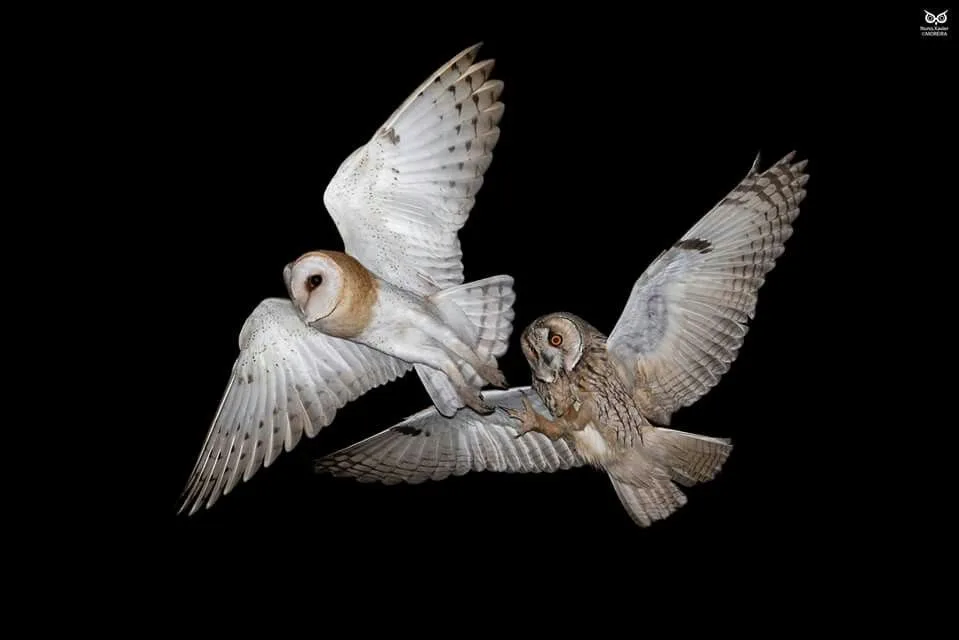
Image source: Bing (Web (fair-use with source credit))
Think of it like a "No Trespassing" sign, but with sound. The intensity and frequency of these calls can also signal the resident owl's determination to defend its space. Studies on avian territoriality, such as those published in journals like Animal Behaviour, often note that loud, far-carrying vocalizations are a cost-effective way for animals to defend resources without expending excessive energy on direct conflict.
For barn owls, this means a loud screech can often deter a rival before a physical confrontation even begins. This vocal display is a vital part of their survival strategy.
Danger Signals: Barn Owls' Alarm Sounds
Beyond territorial claims, barn owls use loud, piercing calls as alarm signals when they perceive a threat. This isn't just about protecting themselves; it's also about alerting other owls in the vicinity to potential danger. This collective awareness can increase the chances of survival for the entire local population.
What constitutes a "threat" can vary. It might be the presence of a predator, such as a fox or a larger bird of prey, or even an unusual disturbance near their roosting or nesting site. When a barn owl is startled or detects something it deems dangerous, it might emit a sudden, sharp screech.
This sound is designed to be jarring and immediately attention-grabbing.
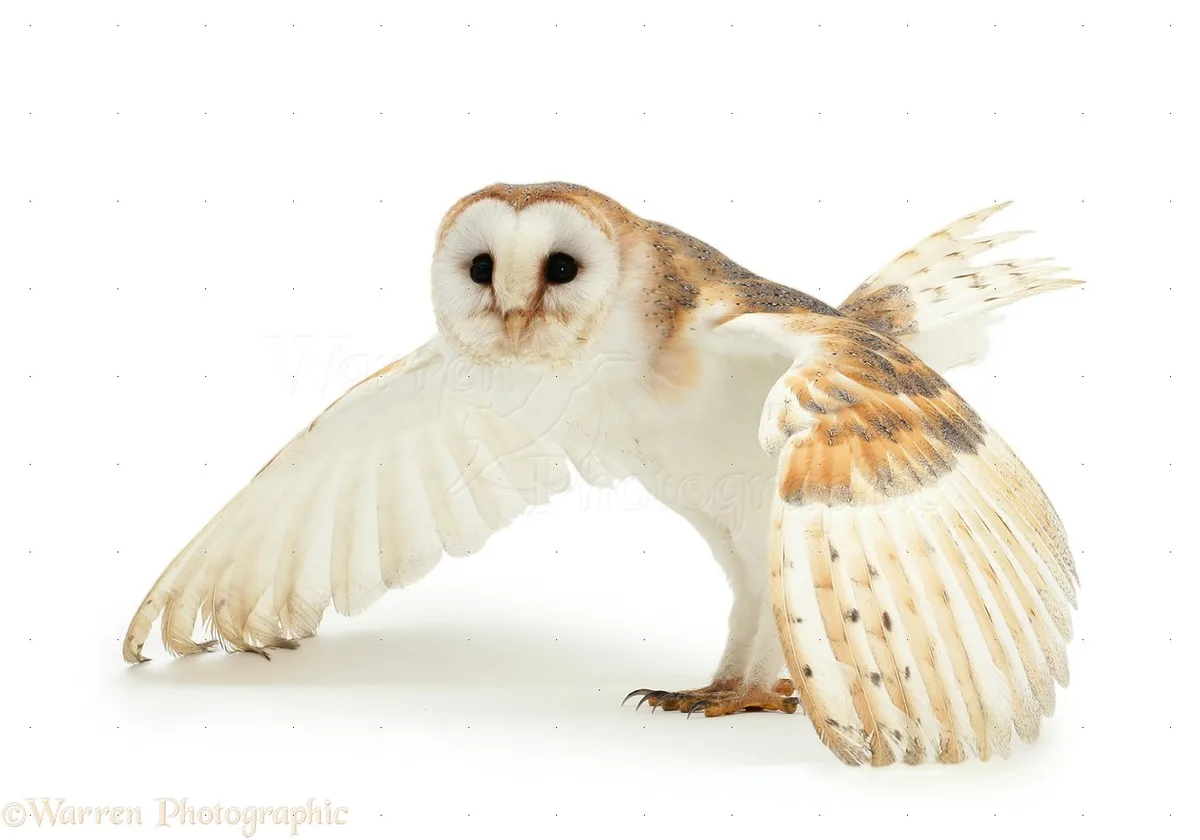
Image source: Web (Bing) / warrenphotographic.co.uk (Web image (fair-use with source credit))
This alarm call serves multiple purposes. For the individual owl, it can momentarily startle a predator, giving the owl a chance to escape. For other barn owls, it acts as an immediate red flag, prompting them to become more vigilant, seek cover, or prepare for flight.
The widespread adoption of alarm calls as a survival mechanism is a common trait in many animal species. Research on predator-prey dynamics often details how such signals can dramatically shift the odds in favor of the prey species by enabling group vigilance. For instance, findings from organizations like the National Audubon Society often describe how different bird species develop unique alarm calls for different types of threats, though barn owl calls tend to be more generalized warnings.
Softer Sides: Other Ways Barn Owls Communicate
While the "scream" is attention-grabbing, it's just one part of a barn owl's vocal toolkit. They use a variety of other sounds to communicate in different situations, often with much subtler intentions. These softer vocalizations are crucial for maintaining social bonds and managing daily interactions, especially within family units.
One of the most common non-screeching sounds is hissing. This is primarily a defensive vocalization. You'll typically hear a barn owl hiss if it feels cornered, threatened, or is actively protecting its young from perceived harm.
It's a clear, guttural warning: "Stay back!" It’s an immediate signal that the owl is agitated and ready to defend itself.
In addition to hissing, barn owls use a range of clicks and whistles. These sounds are generally softer and more intimate, used in close-proximity communication. For example, mated pairs might use clicks and soft whistles to acknowledge each other, coordinate hunting efforts, or simply maintain contact.
Parents will use these sounds to reassure their owlets, guide them, and communicate when food is available.
These quieter communications are just as vital to the barn owl's social life as the louder calls are for territorial defense and alarm. They highlight that owl vocalizations are not just about aggression or fear, but a nuanced language that helps maintain order, facilitate reproduction, and raise young successfully. This range of sounds allows them to adapt their communication to the specific social and environmental context they find themselves in.
Observing Barn Owls Safely and Ethically
When you hear those distinctive barn owl calls, it's natural to want a closer look. However, approaching or disturbing wildlife, especially nesting birds, can have negative consequences for both the animal and the observer. The primary goal should always be to observe from a distance, minimizing your impact on their natural behavior.
Ethical wildlife viewing ensures that our curiosity doesn't harm the very creatures we admire.
Respecting an owl's space is paramount. This means not attempting to get too close for photos, avoiding loud noises, and never trying to feed them. Barn owls, like many wild animals, are sensitive to human presence.
Sudden movements or prolonged attention can cause them stress, which might lead them to abandon nests or hunting territories. Organizations like the National Wildlife Federation provide guidelines on responsible wildlife observation, emphasizing maintaining a safe distance and refraining from any interaction that alters natural behaviors.
Why Distance Matters
- Reduces Stress: Animals are less likely to feel threatened when humans are far away.
- Prevents Nest Abandonment: Human presence near a nest can cause parents to leave their eggs or young vulnerable.
- Maintains Natural Behavior: Observing from afar allows you to see genuine behaviors, not reactions to human interference.
- Ensures Safety: Getting too close can also be dangerous for the observer if the animal feels cornered.
Remember, your goal is to appreciate these animals in their natural habitat, not to interfere with their lives. A good rule of thumb is to use binoculars or a telephoto lens for closer views, allowing you to remain unnoticed.
Understanding Barn Owl Sounds: Your Questions Answered (FAQ)
Why do barn owls scream?
Barn owls "scream" to defend their territory and warn of danger. These harsh sounds are communication signals, not expressions of fear. They warn rivals away and signal threats to other owls in the area, helping with survival and resource protection.
Are barn owl screams dangerous?
The screams themselves are not dangerous to humans. They are a communication method for the owls. However, approaching a barn owl that is vocalizing defensively could be risky, as it might perceive you as a threat and react accordingly.
What is the difference between a barn owl's scream and its screech?
Often, the terms "scream" and "screech" are used interchangeably to describe the barn owl's loud, harsh vocalizations. Technically, the primary loud call is a screeching sound, used for territorial defense and alarm. Softer, more intimate calls like clicks and whistles are used for other purposes.
Do barn owls only scream when they are scared?
No, barn owls do not scream primarily when scared. Their loud, harsh vocalizations are most commonly associated with defending their territory from rivals or warning others of perceived danger. They are assertive communication, not cries of fear.
Can I identify a barn owl by its scream alone?
While the characteristic screech is strongly associated with barn owls, other owl species can produce similar harsh sounds. To definitively identify a barn owl by its vocalizations, it's best to combine the sound with visual identification or knowledge of the local owl species present.