Can Snowy Owls Fly in Snow
You've likely seen images or videos of snowy owls, those stunning white raptors, appearing as if they're effortlessly gliding through blizzards. This leads to a very natural question: can snowy owls actually fly in snow, or is it just a trick of the light and perspective? In truth, these birds are perfectly adapted to their frigid, snowy habitats.
Their ability to fly and hunt in snowy conditions isn't just a rare occurrence; it's a testament to millions of years of evolution.
Their entire physiology is geared towards surviving and thriving in environments where snow and ice are constants. From their dense plumage that acts as built-in insulation to their specialized hunting techniques, snowy owls are perfectly equipped for flight, even in the heart of a snowstorm. Per ornithological research from institutions like the Cornell Lab of Ornithology, these adaptations allow them to remain active predators year-round.
Quick Answer
Yes, snowy owls absolutely fly in snow. Their dense, insulating feathers and silent flight allow them to hunt and navigate effectively in blizzard conditions. They are built for their Arctic environment.
How Snowy Owls Actually Fly in Snow
When we talk about snowy owls flying in snow, it's crucial to understand that they don't just tolerate it; they're masters of it. Their entire existence in Arctic regions means snow and blizzards are part of their daily lives, not an obstacle to overcome. Their ability to maneuver through snowy skies is a direct result of several key evolutionary advantages.
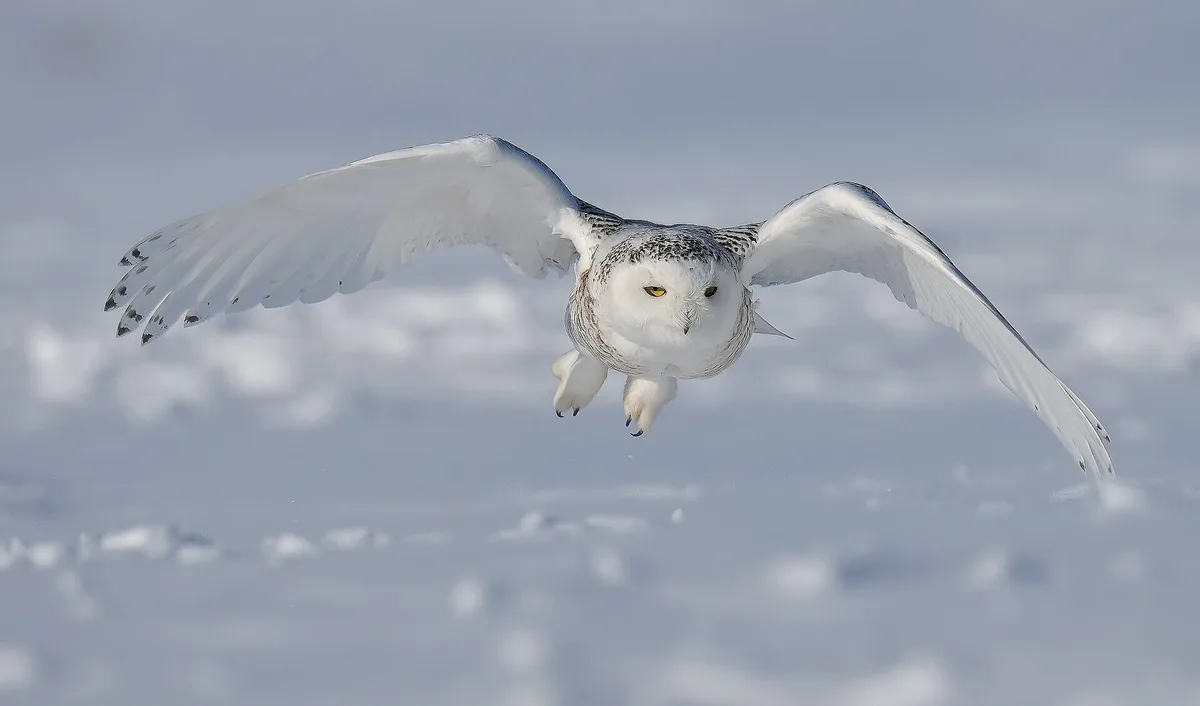
Image source: Bing (Web (fair-use with source credit))
Silent Flight and Feathered Feet
One of the most remarkable traits of snowy owls is their silent flight. This isn't accidental; it’s a highly developed adaptation. Their flight feathers have a soft, comb-like fringe along the leading edge, and their surface is velvety.
This structure breaks up the airflow as the wing moves, significantly muffling the sound that a typical bird's wings would make. This stealth is vital for ambushing prey, which often rely on hearing to detect danger.
Beyond their wings, their feet are also heavily feathered. These aren't just for warmth, though they provide excellent insulation. The feathers on their legs and feet extend all the way to their talons.
This design prevents snow from sticking to their extremities and offers additional insulation against the biting cold of the tundra. It's like wearing built-in, insulated boots that also help with traction.
Built for the Blizzard: Key Adaptations
The snowy owl's entire physical makeup is a strategy for surviving and hunting in snowy landscapes. Their plumage is exceptionally dense, providing superior insulation against sub-zero temperatures. This isn't just a superficial fluffiness; it's a multi-layered system designed to trap body heat effectively.
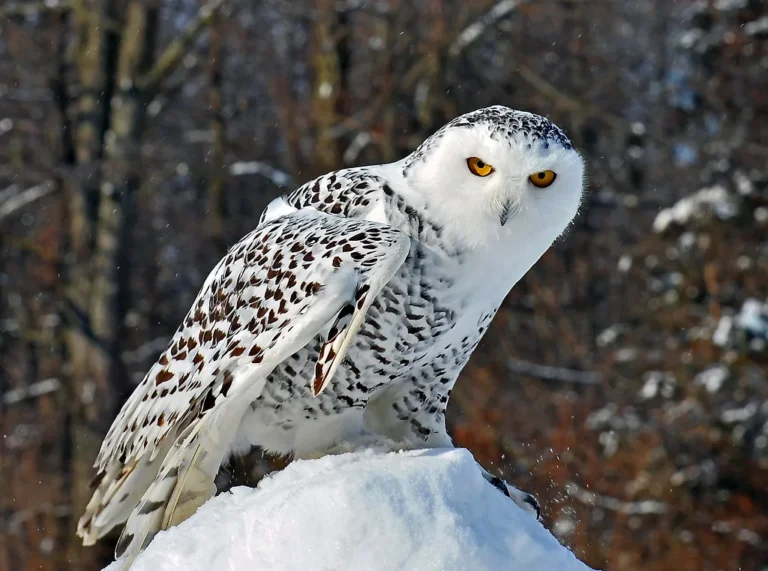
When you see them perched, their round, bulky shape is a visual cue to just how much insulating down they possess.
Their eyes are also specialized. Large and golden, they are adept at piercing through low light conditions typical of Arctic winters and spotting subtle movements of prey under snow. They can detect small mammals like lemmings from a considerable height.
This keen eyesight, combined with their silent flight, makes them incredibly efficient predators in their harsh, snow-covered domain.
Hunting Strategies in Snowy Terrain
Snowy owls aren't just flying through blizzards; they're actively hunting in them. Their survival depends on their ability to locate and capture prey even when the landscape is blanketed in white and visibility is low. This requires a sophisticated set of hunting tactics honed over millennia of adaptation.
Spotting Prey Beneath the Surface
A key challenge for any predator in a snowy environment is finding prey hidden beneath the snow. Snowy owls excel at this thanks to their exceptional vision and sensitivity to subtle cues. They often perch on elevated spots, perhaps a snowdrift, a fence post, or a rock, patiently scanning the terrain.
Their large eyes are capable of detecting the faintest rustle or disturbance in the snow, which might indicate a lemming or vole moving underground. The owl can then pinpoint the prey's location with remarkable accuracy. This visual acuity is further enhanced by their ability to see well in the dim light of Arctic twilight or during heavy snowfall, situations where many other predators would struggle.
The Dive and the Pounce
Once prey is located, the snowy owl employs a swift and decisive hunting maneuver. They can drop from their perch with incredible speed and force. If the prey is just beneath the surface, the owl might perform a dramatic "dive." This involves plunging headfirst into the snowdrift to capture the unsuspecting animal.

Image source: Bing (Web (fair-use with source credit))
Their strong legs and sharp talons are designed for a firm grip, ensuring that once they land, their meal doesn't escape. This combination of stealthy flight, precise vision, and forceful action makes them highly effective hunters, even in the most challenging snowy conditions.
Surviving the Arctic Chill
The ability of snowy owls to not just fly but to thrive in the extreme cold of the Arctic is a marvel of natural engineering. When you consider temperatures that can plummet far below freezing, maintaining body heat is a constant, critical challenge for any animal. Snowy owls have evolved a suite of features specifically to combat this.
Insulation Secrets of Their Plumage
The secret to a snowy owl's warmth lies in its feathers. They possess an astonishingly dense layer of down feathers beneath their outer contour feathers. This underlayer acts like a high-performance sleeping bag, trapping air close to the body and preventing heat loss.
This dense plumage covers their entire body, including their legs and feet, providing 360-degree insulation.
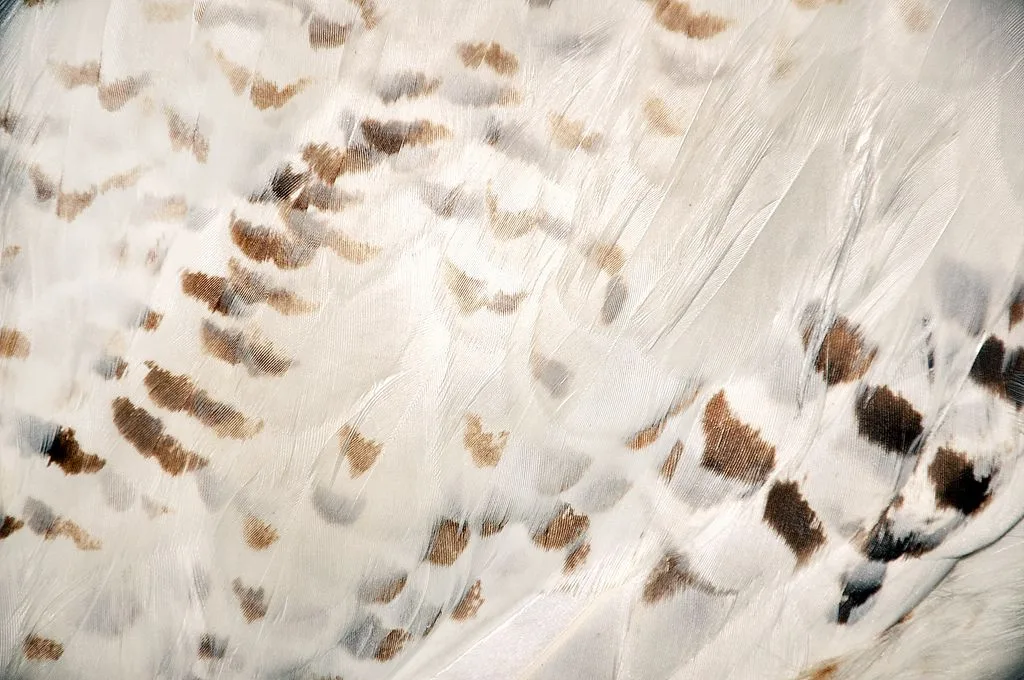
Image source: Bing (Web (fair-use with source credit))
This incredible insulation means that even when ambient temperatures are extremely low, the owl can maintain a stable internal body temperature. Their feathers are also structured to shed moisture, which is crucial; wet feathers lose their insulating properties and can lead to rapid heat loss. The quality and density of their feathering are primary factors that enable their survival and activity during harsh Arctic winters.
Thriving in Extreme Cold
Beyond just insulation, snowy owls have other physiological and behavioral strategies for extreme cold. Their compact, rounded body shape helps minimize surface area exposed to the cold, reducing heat loss. When resting, they often tuck their beaks into their chest feathers, further conserving warmth.
Their metabolism is also adapted to generate enough heat to cope with freezing temperatures. They are opportunistic hunters and will consume large meals when available, storing fat reserves that can provide energy and insulation during lean times or particularly cold spells. This careful management of energy and effective insulation allows them to remain active and hunt successfully even in conditions that would be lethal to less adapted species.
Real-World Snowy Owl Behavior
Observing snowy owls in their natural habitat provides the clearest understanding of their capabilities. It’s not just about biological facts; it's about seeing these adaptations in action. Their behavior in snowy conditions offers a compelling look at how they've mastered their environment.
Case Example: A Hunter in Action
Consider a typical winter day on the Arctic tundra. A snowy owl might be perched on a rocky outcrop, its white plumage providing excellent camouflage against the snow-covered landscape. The wind might be whipping snow around, reducing visibility for many animals.
However, the owl remains alert, its large eyes scanning the ground below.
Suddenly, it detects a slight movement beneath a thin layer of snow. Without a sound, it launches from its perch, gliding low over the ground. The owl dives precisely where it saw the disturbance.
Within seconds, it emerges from the snow, talons clenched around a small rodent. The entire operation, from spotting prey to capture, can take mere moments, showcasing the efficiency of its specialized hunting strategy. This successful hunt underscores their ability to find food reliably, even when the landscape appears to offer no easy targets.
Frequently Asked Questions
How do snowy owls stay warm in such cold temperatures?
Snowy owls have exceptionally dense plumage, including down feathers that cover their entire body, legs, and feet. This provides superior insulation, trapping body heat and keeping them warm even in sub-zero Arctic conditions.
Are snowy owls able to hunt effectively in blizzards?
Yes, their silent flight, keen eyesight adapted for low light and snow cover, and precise diving and pouncing techniques allow them to locate and capture prey effectively, even during blizzards.
Do snowy owls migrate?
While many snowy owls are resident in the Arctic, some populations do migrate south during the winter months if food sources become scarce in their breeding grounds, seeking areas with more abundant prey.
How does their feather structure contribute to silent flight?
The leading edges of their flight feathers have a soft, serrated or comb-like fringe, and the feather surface is velvety. This design breaks up air turbulence, muffling the sound of their wingbeats to near silence, which is crucial for ambushing prey.