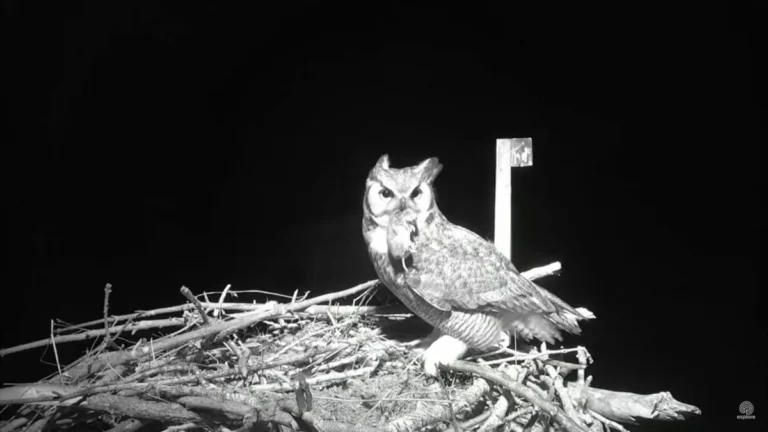
Osprey Facts
The osprey is a remarkable bird of prey known for its singular focus on catching live fish. These raptors possess unique evolutionary traits that allow them to thrive in aquatic environments across the globe.
As of 2026, these birds are recognized for their distinct hunting mechanics and widespread distribution. They represent a specialized niche in the avian world that remains fascinating to observe. We’ll look at the essential osprey facts that define this incredible predator.
Quick Answer
The osprey is a specialized fish-eating raptor found worldwide. They hunt by diving feet-first into water to grab prey. Their feet feature reversible toes and rough pads for gripping.
You can identify them by their dark eye mask and wings. They often build large stick nests on high human-made platforms.

Image source: Web (Bing) / pixnio.com (Web image (fair-use with source credit))
Why Watching an Osprey Is a Lesson in Aerial Engineering
Ospreys are not typical hawks, as their entire physiology centers on a single purpose: catching fish. While other raptors might scavenge or hunt small mammals, the osprey is a dedicated piscivore. They spend the vast majority of their hunting time patrolling over bodies of water.
You can observe their efficiency through their unique flight patterns. They use a distinct hover, which allows them to track moving fish beneath the surface. This maneuver requires significant energy, yet it pays off with a high strike success rate.
Their specialized anatomy ensures they remain the masters of their domain.
The Anatomy of a High-Speed Angler
The osprey possesses a suite of physical adaptations that turn it into a living fishing tool. The most notable feature is the foot structure, which differs significantly from other raptors. They have a reversible outer toe that shifts between two positions.
This gives them a powerful two-to-two grip, ensuring they hold onto slippery fish securely.
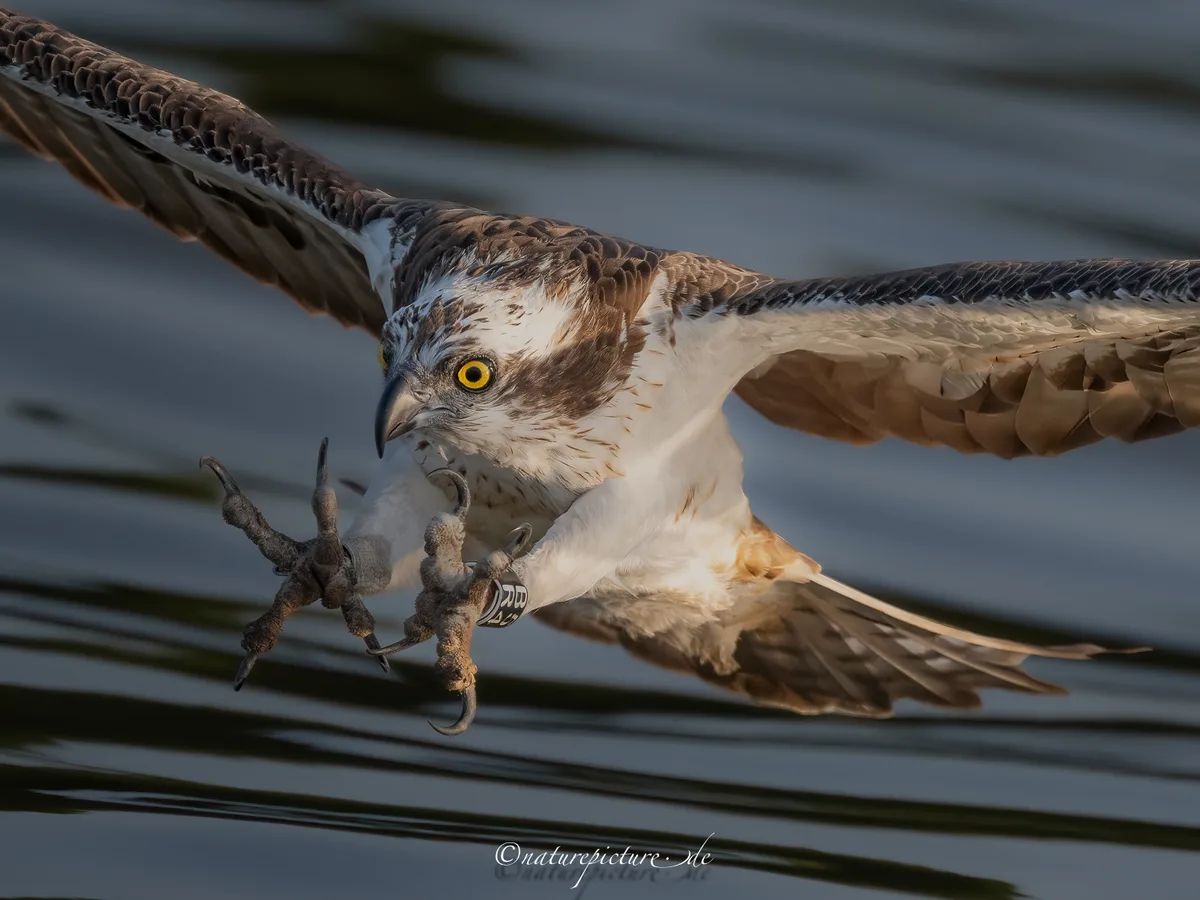
Image source: Bing (Web (fair-use with source credit))
In addition to their grip, their feet are covered in spicules. These are tiny, spike-like scales that act like non-slip tread on a tire. This extra friction is crucial when they emerge from the water with a thrashing catch.
Their nostrils also feature specialized valves that close during a dive, preventing water from entering their airways at high impact speeds.
Mastering the Hover-to-Dive Sequence
Hunting for an osprey is a sequence of precise movements. They begin by patrolling at altitudes between 30 and 100 feet. Once they spot a target, they transition into a hover, flapping their wings rapidly to maintain a fixed position against the wind.
This allows them to account for light refraction on the water surface.
When the moment is right, they fold their wings into a tuck. They drop like an arrow, hitting the water feet-first at speeds that can exceed 40 miles per hour. The impact is intense, often submerging the bird entirely.
Once they surface, they perform a signature shake to shed excess water weight before taking flight again.
Key Visual Identifiers for Field Identification
Identifying an osprey is straightforward if you know what specific features to look for in the sky. The most iconic marker is the M-shaped wing profile they display while flying. Their wings do not stay straight like an eagle; they bend sharply at the wrist, which creates a jagged, recognizable silhouette.
| Feature | Visual Description | Purpose |
|---|---|---|
| Eye Mask | Dark stripe across the face | Reduces water glare |
| Wings | M-shape when soaring | Aerodynamic lift |
| Underwings | White with dark patches | Camouflage against the sky |
You should also look for the dark brown or black stripe that runs through their yellow eyes. This acts as a natural sunshade, similar to wearing polarized sunglasses. This helps them cut through the glare of the sun on the water.
Research from the Cornell Lab of Ornithology confirms these markers are consistent across their global populations.
Osprey vs. Competitors: The Realities of Kleptoparasitism
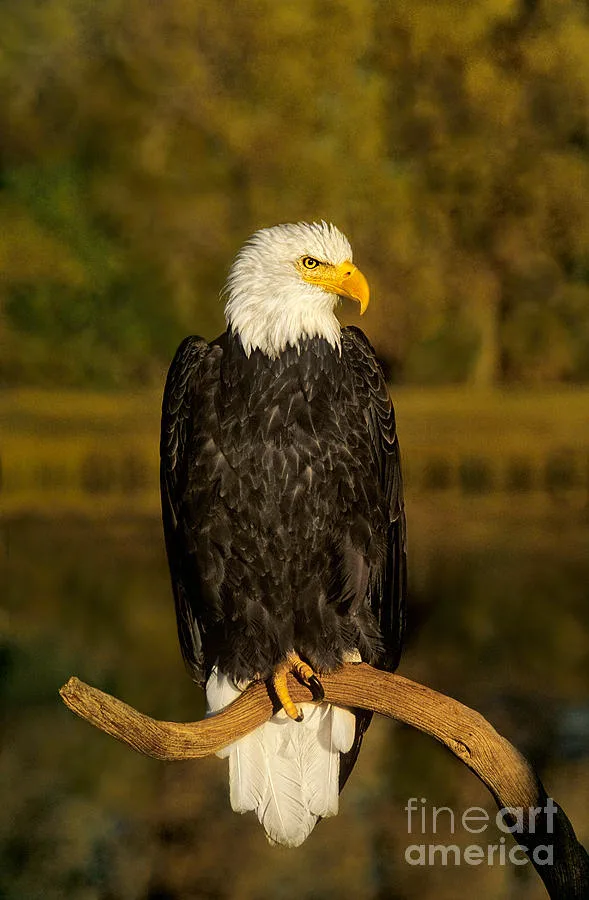
Ospreys face a persistent challenge in the form of kleptoparasitism, which is the act of stealing prey. Bald Eagles are the primary culprits in this scenario, as they are larger and frequently wait for ospreys to catch fish before harassing them. An osprey that has successfully fished is often forced to drop its catch to escape an aggressive eagle.
This behavior forces the osprey to prioritize speed and agility over raw power. They rarely fight back, choosing instead to find a new fishing spot. This ecological interaction highlights the divide between specialized hunters and generalist scavengers.
It is a harsh reality of life in riparian ecosystems, where the most skilled fisher is not always the one who gets to eat.
Understanding the Role of Ospreys as Environmental Bio-Indicators
Ospreys serve as frontline sentinels for the health of freshwater and coastal aquatic ecosystems. Because they sit at the top of the food chain, their presence or decline offers immediate data on the status of local fish populations. When toxins enter the water, they move up the food chain through a process known as bioaccumulation.
This accumulation eventually peaks in predators like the osprey. Historically, the presence of DDT caused significant eggshell thinning, leading to population crashes in the mid-20th century. Today, tracking their nesting success helps researchers gauge the efficacy of water quality regulations.
If you see a thriving osprey population, you are likely looking at a healthy, productive aquatic environment.
Human Impact: Nesting Platforms and Conservation Safety
Human-made nesting platforms are a primary reason for the stable recovery of osprey populations in many regions. Since these birds favor high, stable, and exposed vantage points, they often choose utility poles or trees that might be structurally compromised. Providing a dedicated wooden platform offers a safer alternative that keeps birds away from live electrical lines.
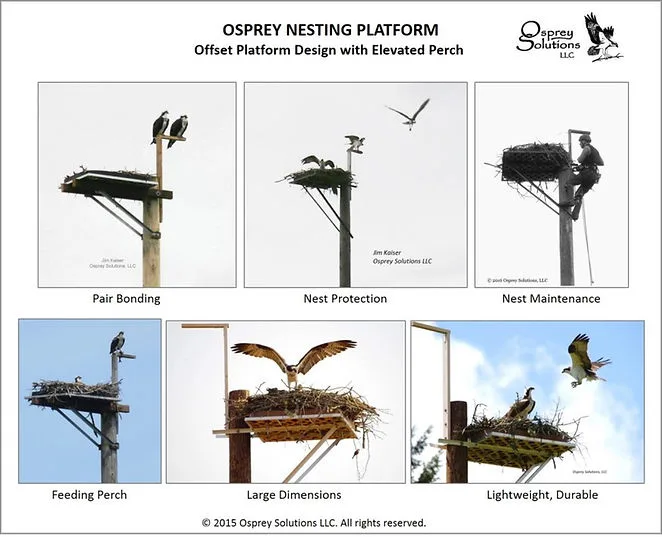
Image source: Web (Bing) / osprey-solutions.com (Web image (fair-use with source credit))
When installing or managing these structures, safety is the top priority for both humans and the birds. You should consult with local wildlife agencies or the U.S. Fish and Wildlife Service before attempting to place a platform.
They provide guidelines on specific heights, materials, and placement to ensure the site is attractive to nesting pairs. Avoid disturbance during the critical early spring nesting window to prevent abandonment.
Frequently Asked Questions About Osprey Behavior
How long do ospreys stay at their nesting site?
Ospreys are highly seasonal residents in many climates. They typically return to their nesting grounds in early spring to repair their nests and raise their young. By late summer or early fall, the fledglings are ready, and the entire family migrates south for the winter.
Can ospreys catch fish that are too heavy to carry?
Yes, ospreys occasionally misjudge the weight of their catch. While they can carry fish up to one-third of their own body weight, anything heavier becomes a liability. If the fish is too heavy to lift, they may be forced to release it or, in rare cases, drag it to the shore.
Why do some nests look so much larger than others?
Ospreys exhibit strong site fidelity and often reuse the same nest for years or even decades. Each season, they add new layers of sticks, seaweed, and grass to the existing structure. Over time, these nests can reach several feet in diameter and weight, reflecting the history of the site.
Are ospreys aggressive toward humans?
Ospreys are generally defensive rather than aggressive. They will vocalize loudly and hover nearby if they feel their nest is threatened by predators or humans. However, they rarely make physical contact, preferring to deter threats through warning calls and intimidating flight displays.
Do ospreys ever hunt in freshwater lakes?
Ospreys are not strictly limited to coastal salt water. You will frequently find them hunting in large freshwater lakes, reservoirs, and rivers across the world. As long as there is clear water with surface-dwelling or shallow-swimming fish, the environment is suitable for their specialized hunting style.