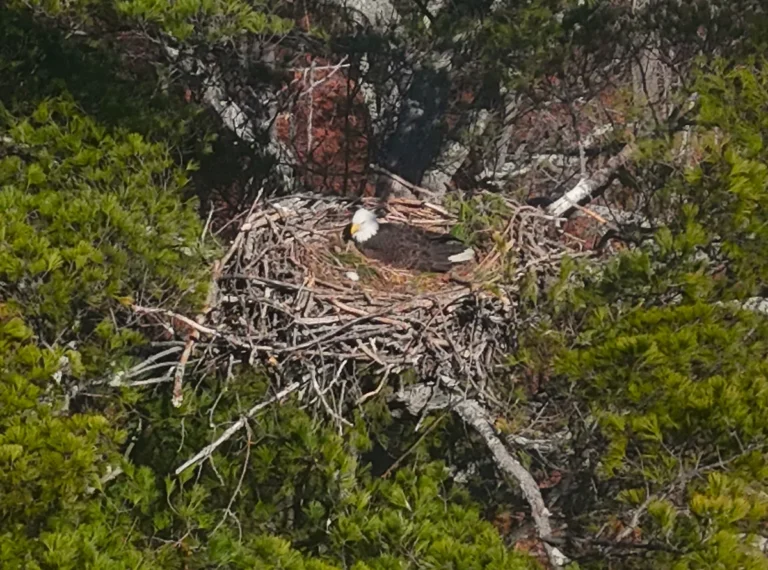
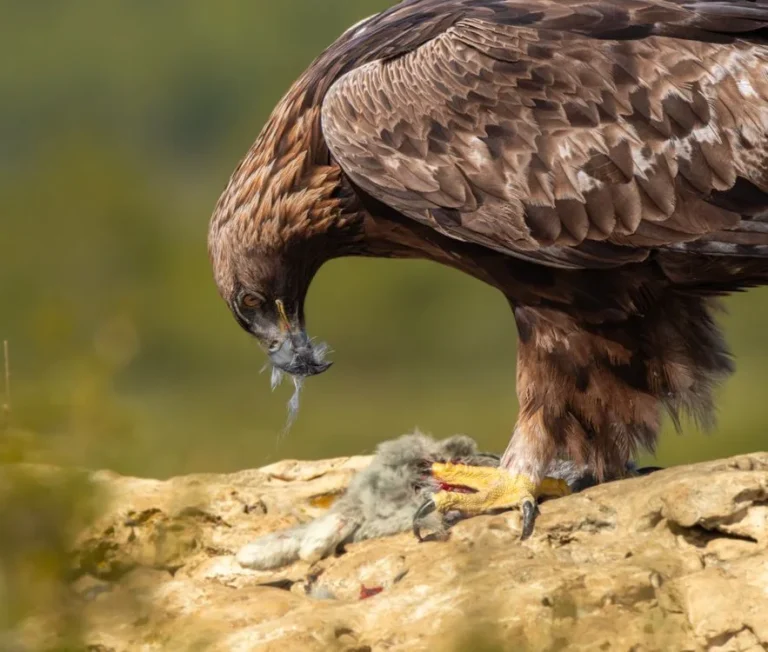
Can Red Tailed Hawks Be Pets
So, you're curious about having a red-tailed hawk as a pet, huh? It's an understandable fascination! These majestic birds are incredible, and the idea of having one up close is pretty compelling.
But before we get too carried away, let's dive into what this actually means and if it's something that's even possible, let alone advisable.
Honestly, the short answer is: for most people, no, you absolutely cannot keep a red-tailed hawk as a pet. And there's a whole lot of important stuff wrapped up in that "no." In the United States, red-tailed hawks are protected under the Migratory Bird Treaty Act, a federal law enacted in 1918, which makes their possession without specific permits illegal.
Quick Answer
No, you generally cannot keep red-tailed hawks as pets. They are protected wildlife under federal law. Keeping one requires specialized permits, usually for falconry or educational purposes.
Attempting to possess one without authorization can lead to significant legal penalties. These birds have complex needs that are difficult to meet outside their natural environment.
It's More Than Just Wanting a Cool Bird
When we're talking about wild animals, especially birds of prey like red-tailed hawks, there are some pretty big considerations that go way beyond what you'd think about with, say, a dog or a cat. This isn't about whether the bird is friendly or if you have enough space in your backyard; it's about complex legal frameworks and the fundamental nature of these wild creatures.
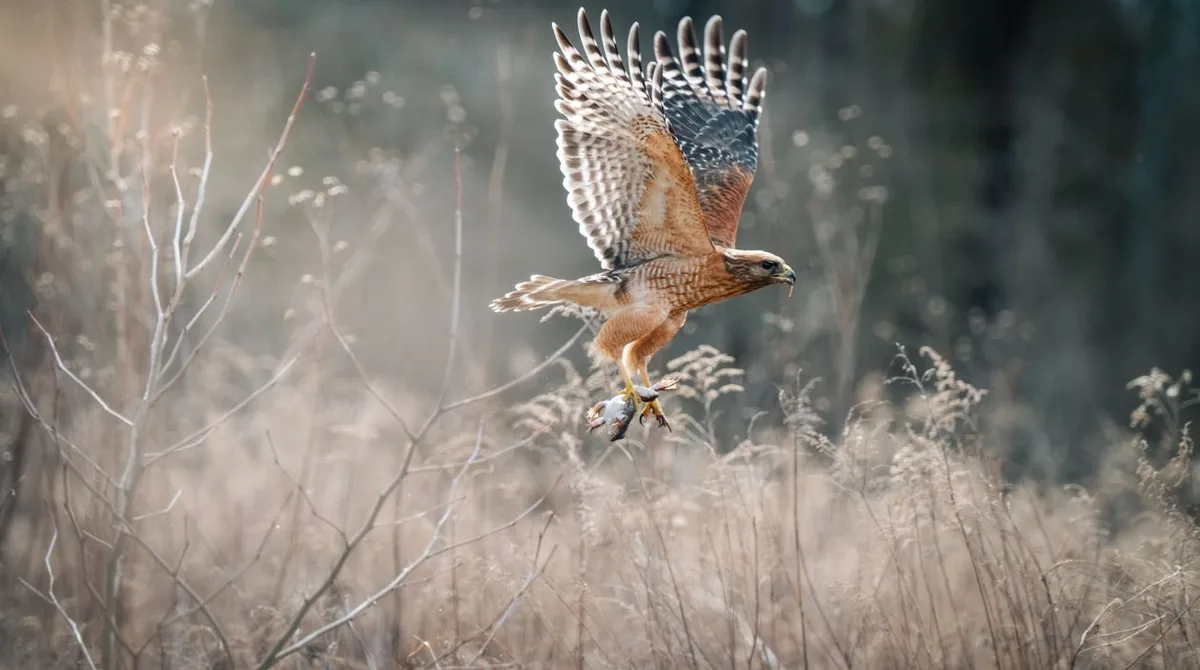
Image source: Bing (Web (fair-use with source credit))
Legality is a Huge Hurdle
In the United States, red-tailed hawks are protected under the Migratory Bird Treaty Act. This is a federal law, and it means it's generally illegal to capture, possess, or harm them without very specific permits. Trying to keep one without the proper authorization can land you in some serious trouble, including hefty fines and even jail time.
These protections are in place to ensure the conservation of migratory bird populations across the continent.

Image source: Bing (Web (fair-use with source credit))
It's Not Like Owning a Dog
Wild animals have complex needs that are really hard to meet in a typical home environment. Red-tailed hawks are built for hunting, soaring, and living in vast open spaces. Replicating that kind of life for them is incredibly challenging.
Their natural behaviors, like hunting for food and defending territory, cannot be adequately simulated in captivity without expert knowledge and resources.
Welfare Concerns are Paramount
The well-being of the hawk is the absolute top priority. If you can't provide the right environment, diet, and specialized care, you're actually doing the bird a disservice. Stress, improper diet, and lack of space can lead to serious health problems for these birds.
For example, a diet lacking the correct balance of nutrients can cause metabolic bone disease, a serious and often fatal condition in captive raptors.
It's Not Just About "Pet" Status
The term "pet" implies domestication and a certain level of control and companionship that wild animals, especially apex predators, simply don't fit into. Red-tailed hawks are wild animals. Their instincts are strong, and they are not genetically predisposed to live harmoniously with humans in the way domesticated animals are.
This difference is critical to understand.
What About Falconry? Is That Different?
This is where things get a bit nuanced, and it’s important to understand the distinction. Falconry is a highly regulated and traditional practice where individuals train birds of prey, like red-tailed hawks, to hunt wild game. It's not about keeping a bird as a companion animal, but rather about partnership in a specific, ancient practice.
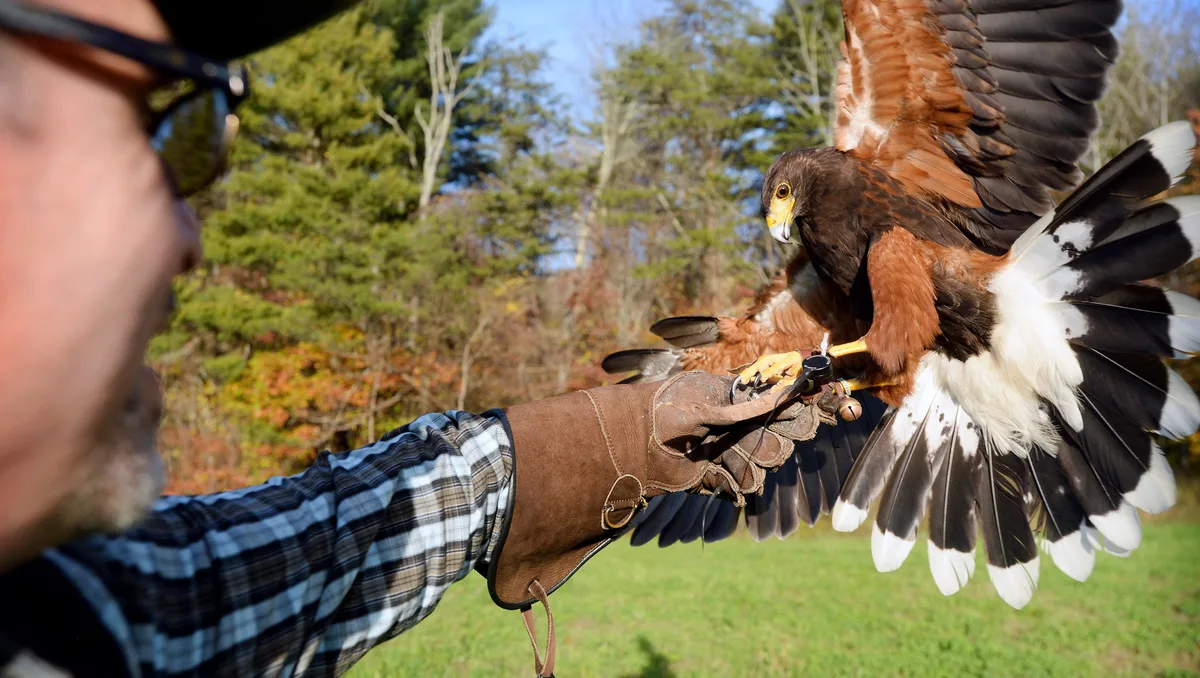
Image source: Web (Bing) / ar.inspiredpencil.com (Web image (fair-use with source credit))
Permits are Non-Negotiable
To even consider falconry, you need to obtain specific federal and state permits. This isn't a quick process; it often involves a lengthy apprenticeship. Aspiring falconers typically need to pass a written exam, have their housing and equipment inspected, and demonstrate a solid understanding of raptor care and behavior.
The U.S. Fish and Wildlife Service oversees the federal permitting process, and individual states have their own additional requirements.
It's a Commitment, Not a Hobby
Falconers dedicate years, even decades, to their craft. It's about partnership with the bird, understanding its instincts, and working with it in its natural element. This requires a significant time commitment for training, flying, and hunting, as well as consistent daily care throughout the year.
It's a lifestyle choice for those deeply passionate about raptors and the art of falconry.
Specialized Care is Essential
Falconers are trained extensively on how to provide proper housing (a "mews"), diet, and veterinary care for their birds. This is a highly specialized skill set that goes far beyond typical pet ownership. They must understand the specific nutritional needs of raptors, which include whole prey to provide essential vitamins and minerals, and manage their birds' health meticulously.
Not for the Faint of Heart
Falconry involves an active partnership where the bird is trained to hunt with the falconer. This means working outdoors in various weather conditions, understanding predator-prey dynamics, and being prepared for the responsibilities of managing a powerful wild animal. It's a demanding pursuit that requires a deep respect for the bird's natural capabilities and instincts.
So, What Can You Do If You Love Red-Tailed Hawks?
If your heart is set on appreciating these incredible birds, there are much better and more appropriate ways to do it. These options allow you to connect with red-tailed hawks and support their conservation without infringing on their wild status or breaking the law. It's about channeling that fascination into positive action and respectful observation.
Observe Them in the Wild: One of the greatest joys is spotting a red-tailed hawk soaring overhead or perched on a fence post. Learn their habits, their calls, and enjoy them from a respectful distance. Watch for their characteristic broad wings and fanned tail as they hunt over open fields.
Support Wildlife Rehabilitation Centers: These centers are on the front lines of rescuing injured or orphaned raptors. They have the expertise and facilities to care for these birds and, when possible, release them back into the wild. Donating your time or money is a fantastic way to help these crucial organizations. Many offer volunteer opportunities for hands-on experience with non-releasable raptors.
Visit Educational Programs: Many zoos, nature centers, and raptor rehabilitation organizations offer educational programs where you can learn about red-tailed hawks and other birds of prey up close, often from handlers who are legally permitted and expertly trained to care for them. These programs are designed to foster understanding and appreciation for these magnificent creatures.
The Bottom Line
While the idea of having a red-tailed hawk might sound exciting, the reality is that they are wild animals with very specific needs and are protected by law. It’s crucial to respect that and to explore ways to appreciate them that don’t involve trying to keep them as pets. Our love for these animals should always come with a commitment to their well-being and their freedom.
Frequently Asked Questions
Can I legally buy a red-tailed hawk in the US?
No, it is generally illegal to buy or sell red-tailed hawks in the U.S. They are protected under the Migratory Bird Treaty Act, and possession requires specific permits, typically for licensed falconry or educational purposes.
What happens if I try to keep a red-tailed hawk without a permit?
If you attempt to keep a red-tailed hawk without proper authorization, you risk facing significant legal penalties. These can include hefty fines, confiscation of the bird, and even potential jail time, as it violates federal wildlife protection laws.
How do I get a falconry license?
Obtaining a falconry license involves passing a written exam, undergoing a lengthy apprenticeship under an experienced falconer, and passing an inspection of your facilities. This process ensures you have the necessary knowledge and resources to care for a raptor ethically and legally.
Are there any organizations that help injured red-tailed hawks?
Yes, numerous wildlife rehabilitation centers across the country are dedicated to rescuing, treating, and releasing injured or orphaned raptors. Supporting these centers through donations or volunteering is a great way to contribute to the welfare of these birds.
Can red-tailed hawks be trained like a dog?
Red-tailed hawks can be trained through methods used in falconry, but it's not the same as training a domestic dog. Their training focuses on encouraging natural hunting instincts and building a partnership, rather than obedience in a pet-like sense. They remain wild animals with strong innate behaviors.