What Does a Golden Eagle Eat
When you picture a golden eagle, you probably see a majestic bird of prey soaring through the sky. But what actually fuels these powerful hunters? Understanding what does a golden eagle eat is key to appreciating their role in the wild and the delicate balance of their ecosystems.
Their diet isn't just a simple list of prey; it's a complex interplay of opportunity, skill, and environmental conditions. We've dug into the research to bring you the facts about their feeding habits.
Quick Answer: What Fuels a Golden Eagle?
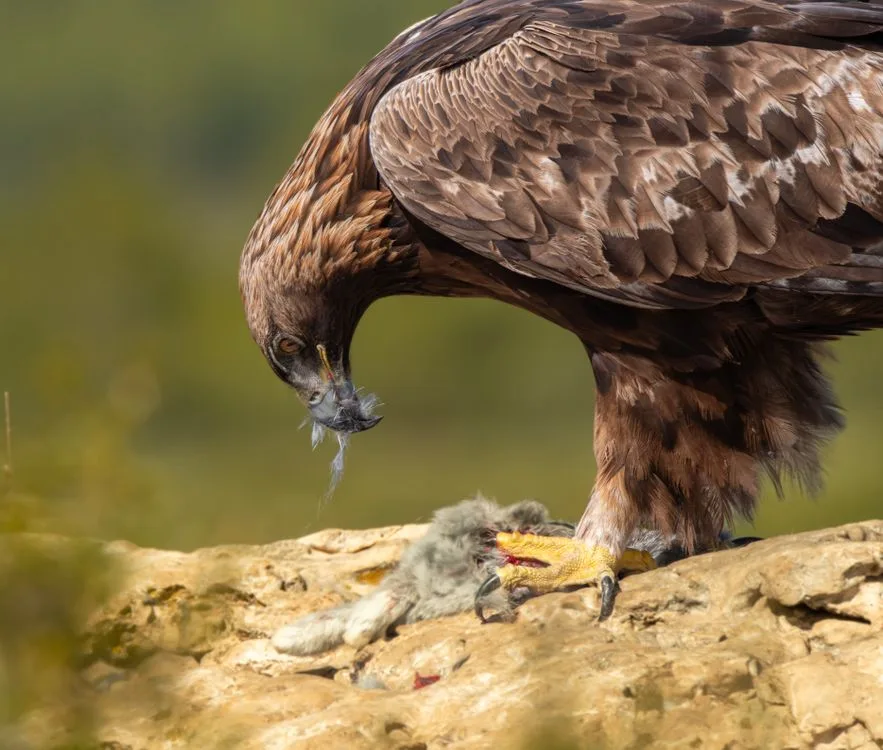
Golden eagles primarily eat small to medium-sized mammals like rabbits, hares, and ground squirrels. They are opportunistic feeders, also consuming birds, reptiles, and carrion when available. Their diet shifts significantly based on geographic location and seasonal prey abundance.
Core Explanation: Understanding the Golden Eagle's Diet
At its heart, the golden eagle is a master of its environment, a formidable predator whose diet reflects both its hunting prowess and its ability to adapt. These birds are not picky eaters in the sense of preferring one specific type of food exclusively; instead, they are highly opportunistic. This means they'll eat what is most readily available and easiest to catch in their territory.
Their diet is predominantly meat-based, focusing on what our research indicates are the most common prey items across their widespread range. This adaptability is a significant reason why they can thrive in such diverse habitats.
What's Typically on the Menu?
The staple diet for most golden eagles consists of mammals. Rabbits and hares are a frequent choice because they are relatively abundant and provide a good source of energy. In areas where ground squirrels and marmots are prevalent, these burrowing rodents also form a significant part of the eagle's meals.
These are caught with incredible speed and precision, often snatched from near their burrows.
Beyond these common mammals, golden eagles will also prey on other animals. This can include various bird species, especially those nesting or moving on the ground. In warmer regions, their diet can also feature reptiles like snakes.
The Role of Opportunism and Scavenging
A crucial aspect of the golden eagle's feeding strategy is its reliance on carrion, which is the flesh of dead animals. Eagles are equipped with sharp talons and beaks, but they are also intelligent enough to recognize a free meal. This scavenging behavior is particularly important during leaner times when active hunting might be more challenging.
It ensures they have a food source even when live prey is scarce, demonstrating a key survival advantage.
Why Diet Varies: Location and Season Play a Big Role
The specific items on a golden eagle's menu are far from fixed. Their diet is dynamically influenced by two major factors: where they live and what time of year it is. This adaptability is what allows them to inhabit such a vast and varied range of environments across the Northern Hemisphere.
When we look at eagle populations in different parts of the world, we see distinct shifts in their preferred prey. Similarly, as seasons change, so does the availability of certain animals, forcing the eagles to adjust their hunting strategies accordingly.
Regional Dietary Differences
The type of landscape a golden eagle inhabits directly shapes its hunting opportunities. For instance, eagles living in the open plains and grasslands of North America might heavily target jackrabbits and prairie dogs. Eagles in the mountainous terrain of Europe might rely more on marmots and mountain hares.
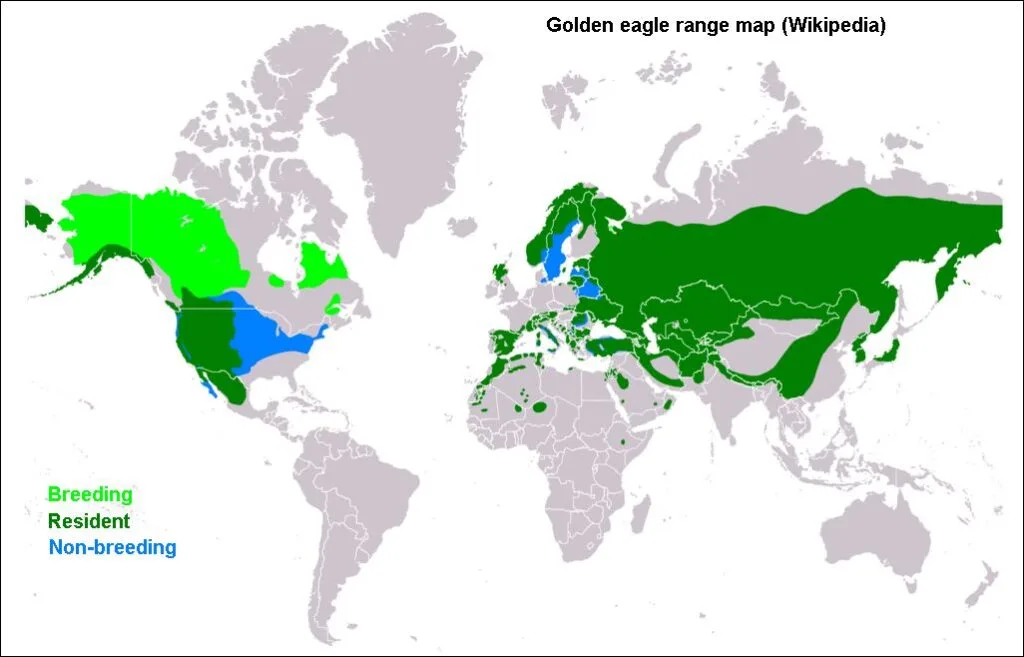
Our analysis of studies on golden eagle populations, such as those documented by the U.S. Geological Survey, shows that prey diversity is highest in areas with a mix of habitats. Conversely, in more homogenous environments, their diet tends to be more specialized on the most common species.
For example, a study published by the Journal of Wildlife Management noted that eagles in areas with limited vegetation often focus on fewer prey types. This geographic variation is a testament to their ability to exploit available resources.
Seasonal Shifts in Prey Availability
As the seasons turn, so does the abundance of potential prey. During spring and summer, many prey species are actively reproducing, leading to higher numbers of young, more accessible animals. This is often a period of plentiful food for eagles.
However, as winter approaches, populations of some prey animals can dwindle, or they may become more adept at hiding. This means eagles might need to switch to less preferred prey, or increase their scavenging efforts. For instance, while they might hunt rabbits readily in milder months, they may more frequently consume carrion from larger animals that have succumbed to the cold or other natural causes during harsh winters.
This seasonal flexibility is vital for their survival through challenging periods.
The Importance of Their Diet for the Ecosystem
What a golden eagle eats has ripple effects far beyond its own survival. As apex predators, they play a critical role in maintaining the health and balance of the ecosystems they inhabit. Their feeding habits directly influence the populations of their prey species and, in turn, affect the vegetation and other animals in their environment.
Understanding their dietary impact helps us appreciate why conservation efforts are so important for these magnificent birds. Their presence is a good indicator of a healthy environment.
Maintaining Ecological Balance
By preying on populations of animals like rabbits and rodents, golden eagles help control their numbers. If these prey populations were to grow unchecked, they could overgraze vegetation, leading to habitat degradation and impacting other species that rely on those plants. Eagles act as a natural form of population control, preventing imbalances that could cascade through the food web.
For example, in areas with high rabbit populations, unchecked growth could lead to overgrazing of grasslands, affecting herbivores that depend on that grass and potentially leading to soil erosion. The eagle's predation helps keep these cycles in check.
Supporting Biodiversity
While it might seem counterintuitive, predators like golden eagles can actually support biodiversity. By selectively hunting the weaker or slower individuals within a prey population, they can help maintain a healthier, more genetically robust population of prey animals. This process, known as "top-down control," ensures that prey species are less likely to suffer from disease or genetic stagnation.
Their presence can also create opportunities for other, smaller scavengers by leaving behind scraps.
Common Misconceptions About Golden Eagle Food
There are a few common ideas people have about what golden eagles eat that aren't quite accurate. One frequent misconception is that they exclusively hunt large animals or even attack human pets. While they are powerful, their hunting strategy is more about efficiency and what’s manageable.
Another idea is that they only eat live prey. As we've discussed, scavenging is a significant part of their diet. They are resourceful hunters and scavengers, not just pure killers.
This adaptability means their diet is much broader than many might assume.
Golden Eagle Diet FAQs
What is the number one prey for golden eagles?
While it varies by region, rabbits and hares are consistently reported as the most significant prey item for golden eagles in many areas.
Do golden eagles eat fish?
Golden eagles are not primarily fish eaters, unlike bald eagles. While they might occasionally scavenge a dead fish or snatch one from shallow water if desperate, their diet is overwhelmingly terrestrial mammals and birds.
Can a golden eagle take down a deer?
A golden eagle is not capable of taking down a healthy adult deer. However, they might scavenge on a deer carcass or, in rare instances, attack a very young, weak, or injured fawn. Their primary prey are much smaller animals.
Do golden eagles hunt in packs?
No, golden eagles are solitary hunters. They rely on their individual speed, agility, and keen eyesight to catch their prey.
What happens if golden eagles can't find enough food?
If food becomes scarce, golden eagles may travel longer distances to find prey, rely more heavily on scavenging, or their breeding success may decline. In extreme cases, starvation can occur, though their adaptability usually helps them through leaner periods.
Expert Tips for Understanding Eagle Diet Data
When you're looking at information about what golden eagles eat, it's helpful to know where that data comes from and how to interpret it. Scientific studies often use different methods to track diet, like analyzing stomach contents, observing feeding behavior, or examining droppings. Each method has its strengths and limitations.
For example, analyzing pellets, which are undigested material like fur and bones that eagles regurgitate, can give a detailed look at their prey. However, it might miss softer prey items. It's also important to remember that most studies focus on specific regions and time periods, so the findings represent a snapshot, not a universal constant for all golden eagles at all times.
How to Interpret Diet Studies
Research findings are often presented in percentages or frequency of occurrence. If a study reports that rabbits make up 40% of a golden eagle's diet in a particular region, it means that in a given sample, 40% of the identified prey items were rabbits. This doesn't mean every eagle eats rabbits 40% of the time, but it indicates their relative importance.
It's also worth noting that data collected from younger eagles might differ slightly from that of adults, as they may hunt less varied prey or be less successful. Understanding these nuances helps paint a more accurate picture.
Golden Eagle Feeding Habits in Real-World Scenarios
Observing golden eagles in their natural habitat offers a dynamic view of their feeding behaviors. These scenarios highlight the practical application of their hunting skills and opportunistic nature. For instance, during migrations, you might see eagles congregating near areas with abundant prey, such as fields where voles or mice are active.
Another real-world example is an eagle defending a kill from other scavengers. We’ve seen footage and reports of golden eagles fiercely protecting their hard-won meals, showcasing their dominance. These interactions underscore their position at the top of the food chain.
Eagles and Their Prey Interactions
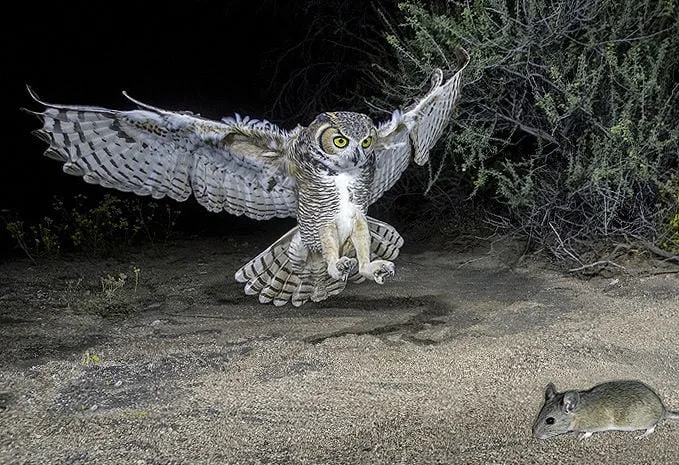
Picture an eagle spotting a rabbit darting across an open field. The eagle typically dives from a significant height, reaching speeds that can exceed 150 miles per hour. Its powerful talons are designed to strike and grasp prey with incredible force.
If the strike is successful, the eagle will often carry its prey to a safe perch, like a high rock or tree, to consume it without disturbance from competitors.
Consider a less dramatic scenario: an eagle discovering a carcass. It will approach cautiously, scanning for danger, before landing to feed. This ability to switch from active hunting to scavenging is a critical survival trait, particularly in harsh environments.
Potential Problems and How to Avoid Them
While golden eagles are remarkably resilient, their feeding habits can sometimes lead to challenges, both for them and for the ecosystems they inhabit. One significant issue arises when their primary prey populations decline due to habitat loss or disease. If a rabbit population is decimated, for example, eagles in that area must quickly adapt to consuming less preferred or more difficult-to-catch food sources.
Another potential problem relates to human interference. Eagles may ingest toxins from prey that have consumed poisoned bait or been exposed to pesticides. They can also become entangled in human-made structures or litter.
Mitigating Risks to Eagles' Food Sources
To avoid problems related to food scarcity, conservationists focus on preserving diverse habitats that support a variety of prey species. Maintaining grasslands, shrublands, and open woodlands ensures a steady food supply throughout the year. It's also important to manage land in ways that minimize pesticide use and prevent the spread of diseases that can decimate prey populations.
Protecting eagles from direct human harm is also key. This includes efforts to reduce collisions with wind turbines and power lines, and to educate the public about not leaving potentially harmful materials in areas where eagles forage.
Benefits of Understanding the Golden Eagle's Diet
Diving into what golden eagles eat offers more than just interesting facts. It provides crucial insights that directly benefit conservation efforts and our understanding of ecological health. By knowing their preferred prey and feeding strategies, scientists can better manage habitats and protect vulnerable prey populations.
This knowledge helps us understand the intricate web of life. It shows how the presence and feeding habits of a top predator contribute to the overall stability and health of its environment.
Conservation and Habitat Management
Understanding the dietary needs of golden eagles informs conservation strategies. For instance, if a particular prey species is vital to their survival in a specific region, conservationists can prioritize protecting the habitats that support that prey. This might involve managing grasslands to ensure sufficient rabbit or rodent populations or protecting nesting sites for birds that eagles prey upon.
It also helps in identifying potential threats. If eagles are showing signs of poisoning, understanding their diet can help pinpoint the source of the contaminant, whether it's through poisoned bait or contaminated prey. This allows for targeted interventions to protect both the eagles and the wider ecosystem.
Ecological Health Indicators
Golden eagles can serve as bioindicators of environmental health. A thriving golden eagle population often signals a healthy ecosystem with ample prey and suitable habitat. Conversely, a declining population might indicate underlying problems, such as a collapse in prey numbers, habitat degradation, or widespread environmental contamination.
By monitoring what eagles eat and their overall condition, scientists can gain valuable insights into the broader environmental conditions of an area. This data is essential for making informed decisions about land use and environmental protection policies.