What Do Bald Eagles Eat
Ever watched a bald eagle soar and wondered what fuels that incredible power? Understanding what bald eagles eat is key to appreciating their role in the wild. They're not picky, which is a huge part of why they've managed to thrive across so many different habitats.
Their diet is a testament to their adaptability, shifting with the seasons and their surroundings. This flexibility is crucial for their survival, especially during harsher times of the year. As of 2026, research consistently shows their diet is primarily dictated by local availability, a strategy that has served them well for centuries.
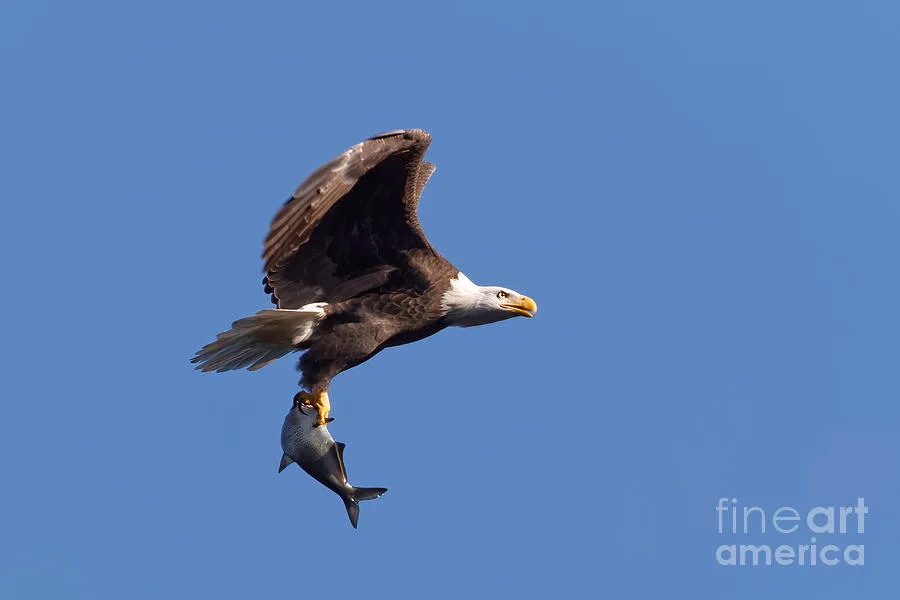
Image source: Bing (Web (fair-use with source credit))
Quick Answer
Bald eagles primarily eat fish, snatching them from the water with their talons. They also opportunistically consume birds, small mammals, and carrion, or dead animals. Their diet varies significantly based on geographic location and seasonal food availability, showcasing remarkable adaptability.
The Bald Eagle's Go-To Foods: Fish First!
When you think of bald eagles, you probably picture them near water, and for good reason. Fish are the absolute cornerstone of their diet, making up a significant portion of what they consume year-round. Their incredible eyesight and powerful hunting skills are perfectly suited for this aquatic pursuit.
Snatching Supper from the Water
Bald eagles are masters at spotting fish near the surface. They’ll hover or circle high above, their keen eyes scanning the water below. Once they lock onto a target, they can dive with astonishing speed, extending their talons to grasp their slippery prey.
It's a direct, effective hunting method that rarely misses.
- Common Prey: They aren't too fussy about species, readily taking advantage of abundant fish like trout, salmon, perch, and various other freshwater and saltwater species.
- Near the Surface: Eagles typically target fish that are swimming within a few feet of the water's surface, making them accessible for a quick grab.
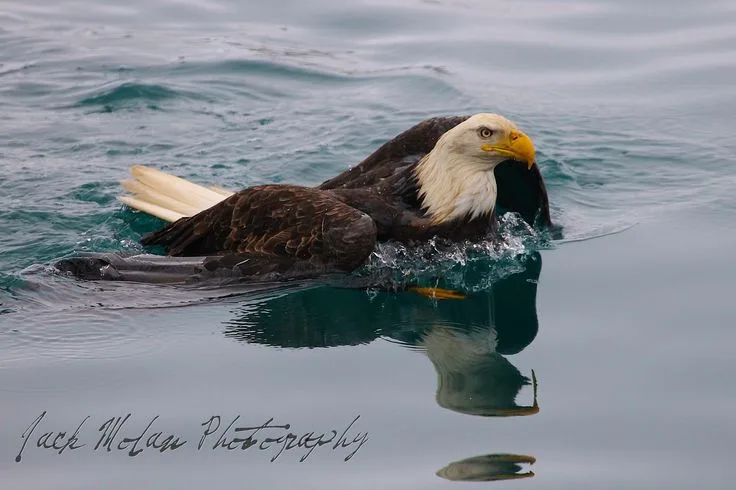
- Shallow Dives: In very shallow water, an eagle might fully plunge in for a fish, using its wings for a bit of underwater propulsion before emerging with its catch. This is more common in shallower environments where they can easily stand or maneuver.
Beyond Fish: What Else Bald Eagles Eat
While fish are their favorite, bald eagles are far from exclusively piscivorous (fish-eating). They are highly opportunistic, meaning they'll happily eat whatever is available and relatively easy to catch or scavenge. This broadens their food sources considerably and is a vital survival trait.
Hunting Small Mammals and Birds
Beyond the water, bald eagles will prey on land animals and other birds. These aren't usually their primary targets, but they're certainly part of the menu when the opportunity arises.
- Rodents and Rabbits: Smaller mammals like squirrels, rabbits, and various rodents can be caught, especially in areas where they are abundant and easily visible. Eagles will often hunt these in open fields or meadows.
- Waterfowl and Seabirds: Birds, particularly ducks, geese, and other seabirds, are also on the menu. Eagles might attack them while they are on the water or even pursue them in flight, though aerial battles are less common than snatching them from the water.
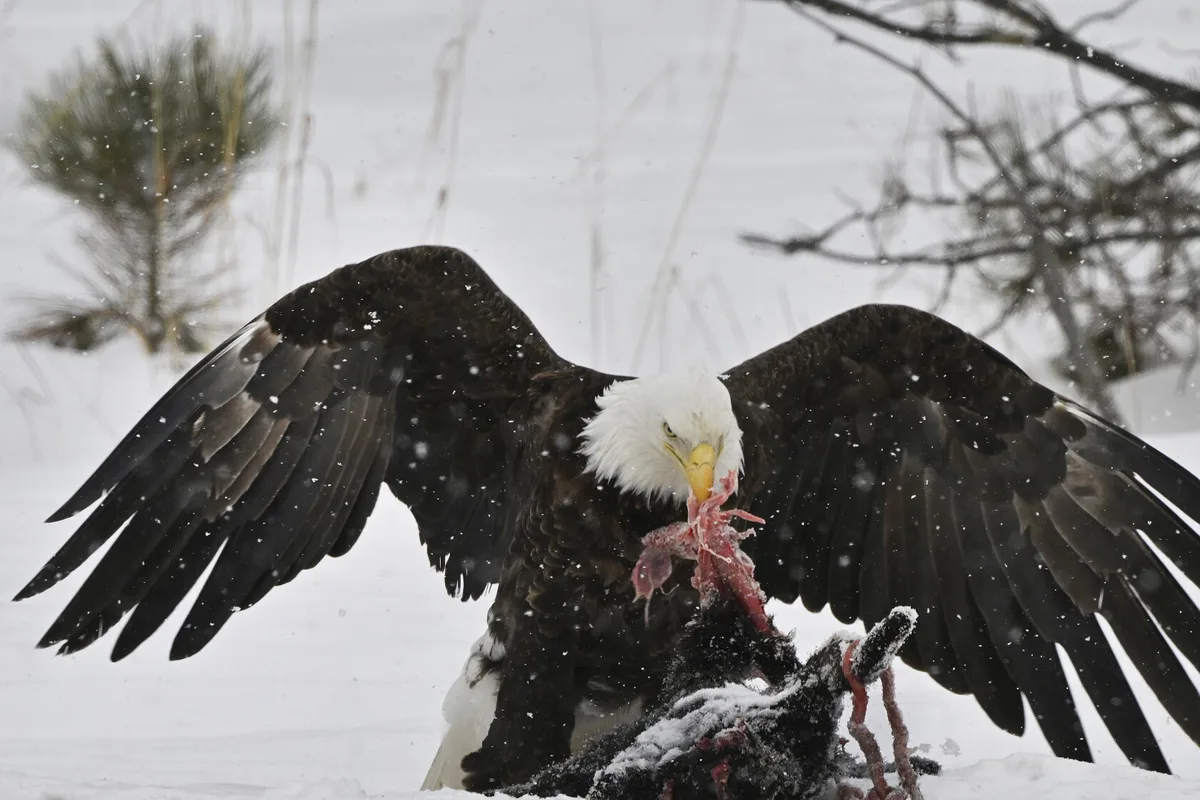
Image source: Web (Bing) / brainerddispatch.com (Web image (fair-use with source credit))
The Crucial Role of Scavenging
One of the most important aspects of a bald eagle's diet is its willingness to scavenge. This means they readily eat animals that are already dead. Carrion provides a vital food source, especially during times when active hunting might be difficult or less fruitful.
- Winter Survival: In winter, when fish may be frozen in or harder to access, scavenging becomes even more critical. Eagles will seek out carcasses of deer, elk, or other large mammals.
- Opportunistic Finds: They'll find carcasses on land, in fields, along roadsides, or even floating in water. Their powerful eyesight helps them spot potential meals from great distances.
- Efficient Strategy: While scavenging might sound less impressive than active hunting, it's an incredibly efficient way for large birds of prey to conserve energy and get necessary nutrients. It's a smart survival strategy.
Factors Shaping an Eagle's Diet
A bald eagle’s diet isn't static; it’s a dynamic thing, constantly influenced by its environment. Where an eagle lives and what time of year it is play huge roles in what ends up on its plate. This adaptability is a hallmark of successful species.
Location, Location, Location
The most significant factor determining what a bald eagle eats is its habitat. Eagles living near large bodies of water with abundant fish populations will, naturally, eat a lot more fish than those in more inland or forested areas.
- Coastal Eagles: Those along coastlines or large river deltas often have access to a wide variety of fish, seabirds, and crustaceans like crabs.
- Inland Eagles: Eagles living around large freshwater lakes, reservoirs, or rivers will primarily rely on freshwater fish and may supplement with waterfowl or terrestrial animals found nearby.
- Forest Dwellers: Even eagles in more forested areas tend to stay relatively close to water sources, as fish remain a preferred and efficient food source.
Seasonal Swings in Food Availability
Just like for humans, food availability changes for bald eagles throughout the year. Seasons dictate what’s plentiful and what’s scarce, forcing eagles to adjust their hunting and foraging strategies.
- Spring and Summer: This is often the peak season for active hunting. Fish are more active and accessible, and migratory birds are present, offering plentiful prey. Eagles are also busy feeding young, so high-energy food sources are essential.
- Autumn: As temperatures drop, fish may become less active. Eagles might increase their scavenging efforts as more animals die off from natural causes or harsher weather.
- Winter: This can be the most challenging period. If water bodies freeze over, access to fish becomes very limited, making scavenging absolutely vital for survival. They might travel long distances to find unfrozen water or areas with carrion.
How Eagles Hunt and Eat
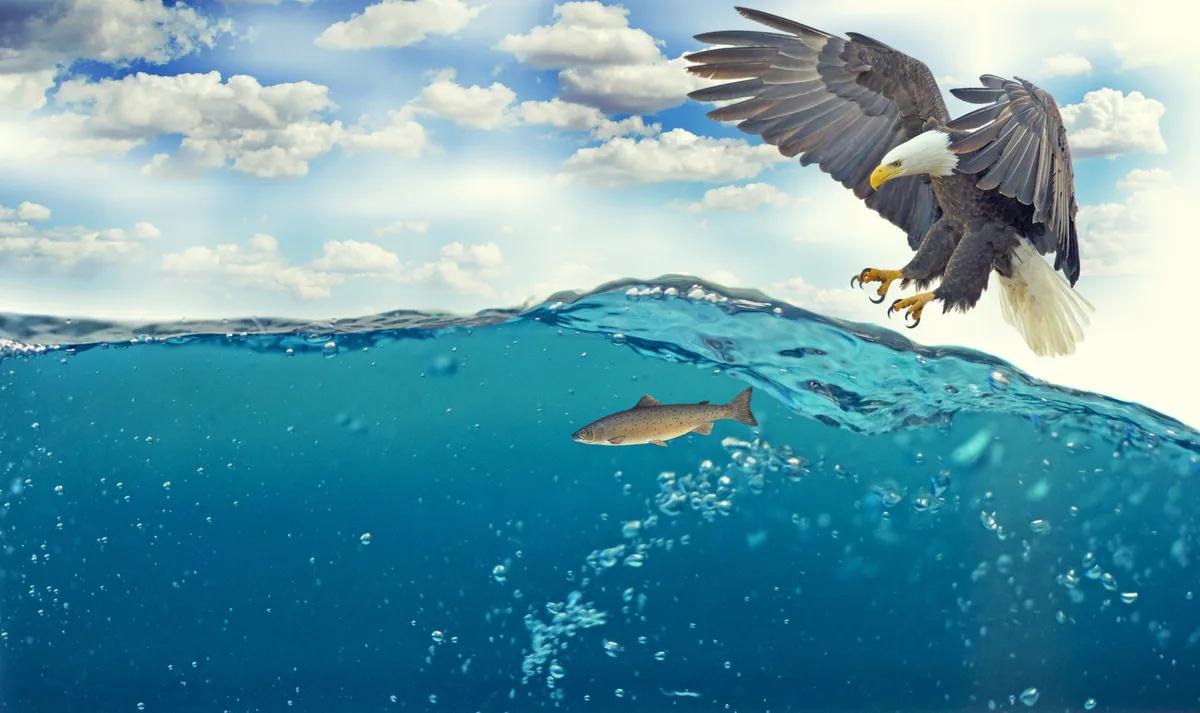
Image source: Web (Bing) / ar.inspiredpencil.com (Web image (fair-use with source credit))
Bald eagles employ a variety of tactics to secure their meals, showcasing their intelligence and physical prowess. Their hunting strategies are highly adapted to their prey and environment, making them effective predators and scavengers across diverse landscapes.
- The Swoop and Grab: This is perhaps their most iconic hunting method. From high in the sky, an eagle spots prey, like a fish at the surface or a rodent in a field, and dives down. Their powerful talons are used to snatch the prey with incredible precision.
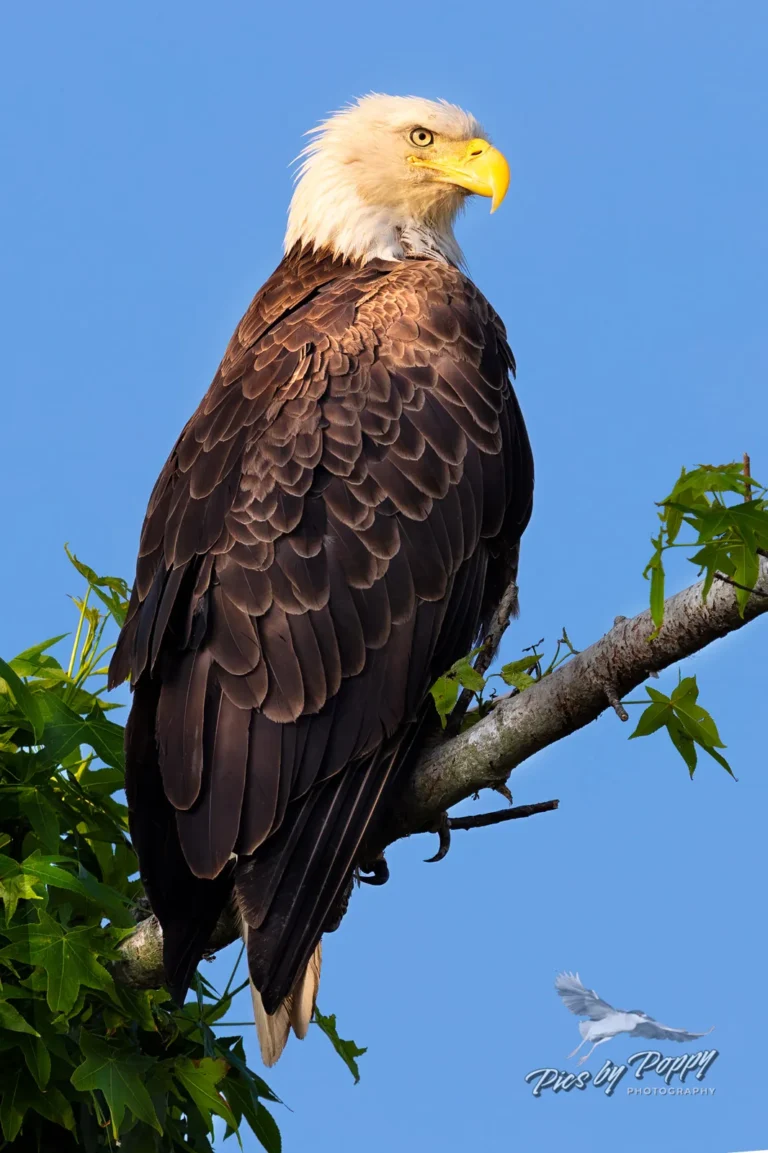
- Perch Hunting: Eagles often perch on high vantage points, such as trees or poles overlooking water or open fields. From here, they can patiently wait and watch for prey to appear, conserving energy until the perfect opportunity arises.
- Plunge Diving: For fish in shallow waters or birds on the surface, eagles will sometimes plunge their entire bodies into the water. They use their wings to propel themselves briefly underwater before emerging with their catch.
- Aerial Pursuit: While less common than other methods, eagles are capable of pursuing birds in the air. They might try to surprise and catch smaller birds or harass larger ones to force them to drop their food.
- Kleptoparasitism (Food Stealing): Bald eagles are also known to steal food from other animals, including other eagles, ospreys, and gulls. They might harass another bird until it drops its catch, then swoop in to claim it. This is an energy-saving tactic when active hunting is difficult.
- Eating Habits: Once prey is caught, an eagle will typically carry it to a secure perch, often a tree branch or a safe spot on the ground. They use their strong beaks and talons to tear pieces of food for consumption. They can consume a significant amount of food in one sitting, sometimes up to half their body weight if a large meal is available.
Mistakes to Avoid / Common Errors
When we look at how bald eagles eat, it's easy to just see the successful hunts. But there are definite missteps or challenges that can impact their food intake. Understanding these helps us appreciate their survival skills even more.
- Over-reliance on one food source: Eagles that live in areas with a very limited diet can struggle if that single source dwindles. For instance, an eagle in a region with only a few fish species might face starvation if those species decline due to pollution or overfishing.
- Misjudging prey size: Attempting to take on prey that is too large or too dangerous can lead to injury for the eagle. While they are powerful, they are not invincible, and a struggle with a large fish or a defensive animal can result in harm.
- Ignoring scavenging opportunities: Some eagles, particularly younger ones or those in less ideal habitats, might not be as adept at finding or utilizing carrion. This can put them at a disadvantage, especially when live prey is scarce.
Experts' Take: Tips for Understanding Eagle Diets
From an ecological perspective, understanding what bald eagles eat tells us a lot about the health of their environment. Experts and researchers focus on several key indicators when studying their dietary habits.
- Habitat Health Indicators: A diverse diet rich in various fish and small animals often signals a healthy aquatic and terrestrial ecosystem. Conversely, a diet heavily skewed towards carrion might indicate stress on living prey populations or a lack of diverse hunting opportunities.
- Conservation Clues: Studying eagle diets helps conservationists identify threats. For example, finding high levels of pollutants in fish consumed by eagles can point to contamination issues in waterways that also affect human health. The U.S. Fish and Wildlife Service monitors these aspects closely to inform protection strategies.
- Behavioral Adaptations: Researchers observe how eagles adapt their feeding strategies based on weather, prey availability, and competition. This adaptability is crucial for their resilience and recovery as a species. Observing changes in hunting techniques can reveal shifts in prey behavior or availability.
Real Scenarios: A Day in the Life of an Eagle's Diet
Let's picture a bald eagle's day to see how its diet plays out. Imagine an eagle perched by a large lake in late spring. Its morning might start with spotting a school of perch near the surface.
It executes a swift dive, talons extended, and successfully grasps a good-sized fish.
After consuming a portion of its catch, it might take the rest to its nest for its eaglets. Later in the day, perhaps it spots a rabbit venturing into an open field. If the opportunity is right, it will attempt a hunt, though this is less guaranteed than a fish catch.
As evening approaches, if it hasn't caught enough, it might patrol the shoreline for any unfortunate fish that have washed ashore or are easily accessible. If a deer carcass is discovered in the woods nearby, that becomes a high-priority meal, especially if colder weather is forecast. This day illustrates the varied approach eagles take to fill their needs.
FAQs About Bald Eagle Diets
What is the primary food source for bald eagles?
The primary food source for bald eagles is fish. They are highly skilled at catching fish from the surface of lakes, rivers, and coastal waters.
Do bald eagles only eat fish?
No, bald eagles do not only eat fish. While fish are their preferred food, they are opportunistic feeders and will also eat birds, small mammals, and carrion.
Can bald eagles eat food that is already dead?
Yes, bald eagles are scavengers and readily eat carrion, which is dead animals. This is a vital part of their diet, especially during winter when live prey might be scarce.
What kind of fish do bald eagles eat?
Bald eagles eat a wide variety of fish, including trout, salmon, perch, and other freshwater and saltwater species. They target fish that are accessible near the water's surface.
Do bald eagles eat other birds?
Yes, bald eagles will prey on other birds, particularly waterfowl like ducks and seabirds. They may snatch them from the water or occasionally pursue them in flight.