Mallard Duck Facts
If you have spent any time near a local pond, you have likely encountered the Mallard. These ducks are the most common waterfowl species in North America, representing a foundational subject for anyone interested in birding.
As of 2026, scientific consensus confirms that the Mallard is a highly adaptable species that serves as a vital indicator of wetland health. Understanding these birds requires a look at their physical traits and the behaviors that help them thrive in urban and wild environments.
Quick Answer
The Mallard is a widespread dabbling duck species. Males are easily recognized by their glossy green heads. Females display mottled brown feathers for natural camouflage.
They feed primarily on aquatic plants and surface-dwelling insects. Their iconic iridescent wing patch is called a speculum.
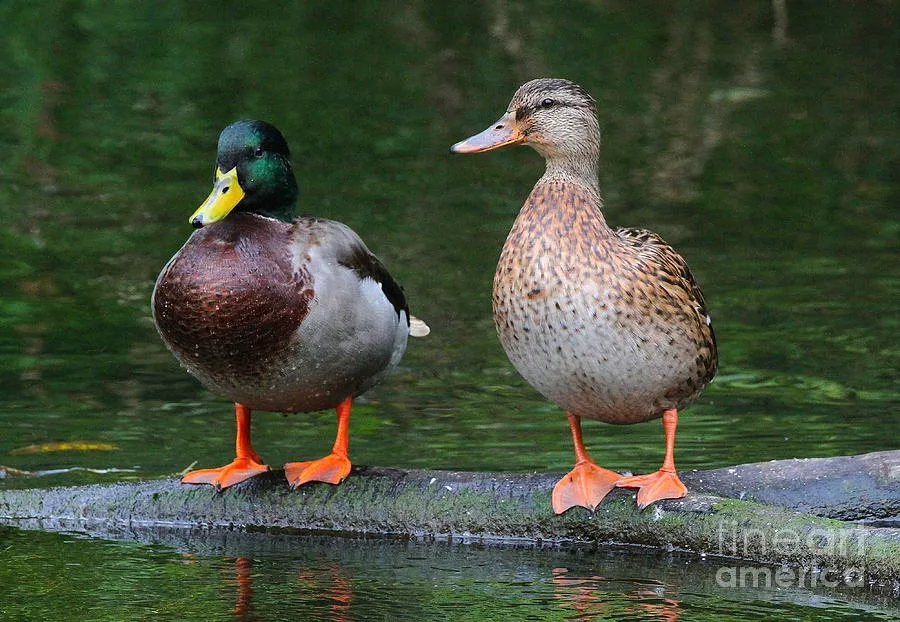
Image source: Bing (Web (fair-use with source credit))
Recognizing the Mallard: Essential Visual Cues
Identifying Mallards relies on spotting specific sexual dimorphism. Males, known as drakes, possess a distinct iridescent bottle-green head separated from their chestnut breast by a thin white ring. Their backs are a subtle gray, contrasting sharply with the bright yellow bill found on both sexes during the breeding season.
Females, or hens, are masters of concealment. Their plumage is a complex pattern of brown, tan, and black mottling, which allows them to disappear into reeds and tall grasses. While they lack the flashy green head, they share the same iridescent blue speculum on their wings as the males.
| Feature | Drake (Male) | Hen (Female) |
|---|---|---|
| Head Color | Iridescent green | Mottled tan and brown |
| Body Tone | Grayish and dark | Camouflaged brown |
| Bill Color | Bright yellow | Dark orange, spotted |
Anatomy of a Dabbler: Functional Features
Mallards are classified as dabbling ducks because of their unique feeding mechanics. They do not dive completely underwater to forage. Instead, they tip their tails toward the sky while their heads submerge to graze on submerged vegetation.
The anatomy of their bill is specifically adapted for this behavior. It contains rows of lamellae, which are thin, comb-like structures used to filter water. This allows them to strain seeds, insect larvae, and small crustaceans from the mud without ingesting excess grit.
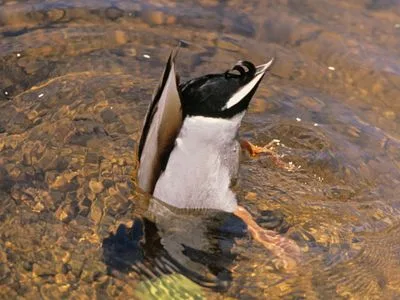
Image source: Bing (Web (fair-use with source credit))
Beyond their bills, Mallards maintain their feathers using a specialized preen gland located at the base of the tail. This gland secretes oil that the duck spreads over its plumage during grooming. This process creates a waterproof barrier, which is essential for survival in cold, aquatic environments.
Behavioral Traits and Lifecycle Patterns
Social interaction among Mallards is highly visible, especially during courtship. You might observe groups of males performing head-pumping displays to attract hens during the spring season. Once a pair forms, the hen typically seeks a hidden nesting site on the ground, often tucked away from the water’s edge.
According to research from the U.S. Geological Survey, clutch sizes for Mallards are generally large, ranging from 8 to 13 eggs. The hen manages the incubation process alone, which takes roughly 26 to 30 days.
Ducklings are precocial, meaning they can swim and find their own food within hours of hatching.
Molting is another critical phase in the Mallard lifecycle. During late summer, both sexes undergo a complete change of feathers. For a few weeks during this period, the males lose their flight feathers and become flightless, making them especially vulnerable to predators until their new plumage grows in.
Identifying Common Distinctions and Look-Alikes
Distinguishing a pure-bred Mallard from hybrids can be challenging in urban settings. Domesticated duck breeds often interbreed with wild Mallards, leading to variations in size and plumage color. If you see a duck that looks mostly like a Mallard but features large patches of white or gray feathers on its chest, it is likely a hybrid.
The American Black Duck is the most common look-alike encountered in the eastern regions of the continent. While they are close relatives, the Black Duck is almost entirely dark brown with a paler head. They lack the striking green head of the Mallard drake and the distinct white borders on the speculum.
- Size consistency: Most wild Mallards maintain a standard body shape regardless of local variations.
- Voice cues: Always listen for the female’s loud, descending "quack," as males produce a much softer, raspy sound.
- Location: If the duck remains in a park year-round without migrating, it may have domestic genes, which can alter its natural size.
Avoiding Harmful Interactions: Feeding and Safety Best Practices
Feeding ducks bread is a frequent mistake that creates long-term health risks for the local population. Bread lacks the necessary proteins and vitamins Mallards need. Consuming high-carbohydrate, low-nutrient food often leads to a condition known as Angel Wing.
Angel Wing is a deformity where the last joint of the wing twists outward, leaving the feathers pointing at an awkward angle. This prevents the bird from flying properly. Per guidelines from the [U.S.
Fish and Wildlife Service](https://www.fws.gov), keeping wildlife wild by avoiding human-provided food is the best way to support their long-term health.
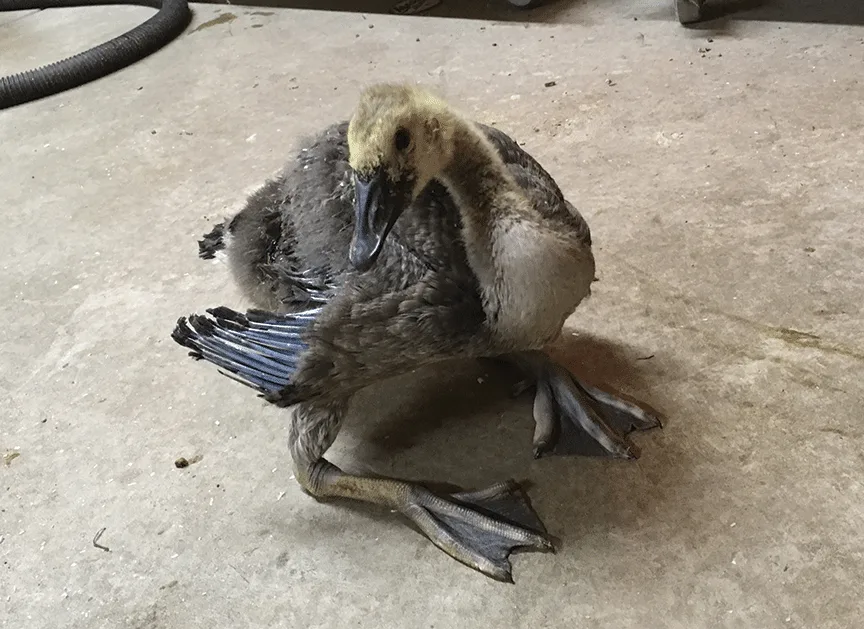
Image source: Bing (Web (fair-use with source credit))
If you still wish to observe them closely, focus on creating a safe environment rather than providing food. Ensure that local pond areas are free of discarded fishing line, as ducks can easily become entangled. Supporting the preservation of natural wetlands is the single most effective way to help the Mallard population thrive in your area.
Data and Metrics: Understanding Mallard Ecology
Quantifying the life of a Mallard involves looking at survival rates and growth patterns. While wild Mallards may live up to ten years, the reality for most is a lifespan of roughly five years due to environmental pressures and predation. Their reproductive output remains high to offset these losses, with successful pairs often producing several broods per year if early nesting attempts fail.
Measurements often center on physical stature and wing utility. A healthy adult typically reaches a weight of 2 to 3 pounds. Their wingspan ranges from 32 to 39 inches, which provides the lift necessary for long-distance migration.
These birds follow major flyways, using internal navigation to move between northern breeding grounds and southern wintering sites.
| Metric | Typical Value |
|---|---|
| Average Weight | 2.0–3.0 lbs |
| Clutch Size | 8–13 eggs |
| Incubation Time | 26–30 days |
| Average Lifespan | 5–10 years |
Flight efficiency is a key performance factor during migration. Mallards can reach speeds of 55 miles per hour when traveling with tailwinds. Their body composition is optimized for buoyancy and thermal regulation, ensuring they maintain core temperatures even in freezing water.
These metrics fluctuate based on habitat quality and food availability.
Frequently Asked Questions About Mallard Ducks
Why do male Mallards have green heads?
The iridescent green head serves as a visual signal during courtship displays. This specific coloration reflects light in a way that makes the male stand out to females. It is a biological adaptation that helps ensure successful mate selection within the species.
Can Mallards live in saltwater?
Mallards are primarily freshwater ducks and prefer ponds, marshes, and lakes. While they can tolerate brackish water for short periods, they rely on freshwater to maintain their health. Prolonged exposure to high salinity can disrupt their ability to regulate bodily fluids properly.
Do Mallards mate for life?
Mallards do not form permanent lifelong bonds like some other bird species. They are seasonally monogamous, meaning they stay together for the duration of a single breeding cycle. Once the ducklings hatch, the male often leaves to join a group of other males.
How do I tell if a duckling is a Mallard?
Mallard ducklings are usually covered in yellow and dark brown downy feathers. You will notice a dark stripe running across their eyes. They begin to develop their distinct brown mottled appearance as they transition into juveniles, which takes about two months.
Are Mallards considered an invasive species?
In their native range across the Northern Hemisphere, Mallards are a natural and integral part of the ecosystem. However, in certain areas where they have been introduced by humans, they can outcompete local duck species. This displacement is a concern for wildlife managers who monitor biodiversity.