Types of Parrots
When you’re looking at different types of parrots, it’s vital to recognize that you aren't choosing a decorative piece for your living room. You are welcoming a highly intelligent, long-lived, and socially demanding individual into your family.
As of 2026, experts recognize that some species can live for 60 to 80 years with proper husbandry and medical care. Aligning your lifestyle with these specific needs is the primary step in ensuring a successful, life-long partnership with your bird.
Quick Answer
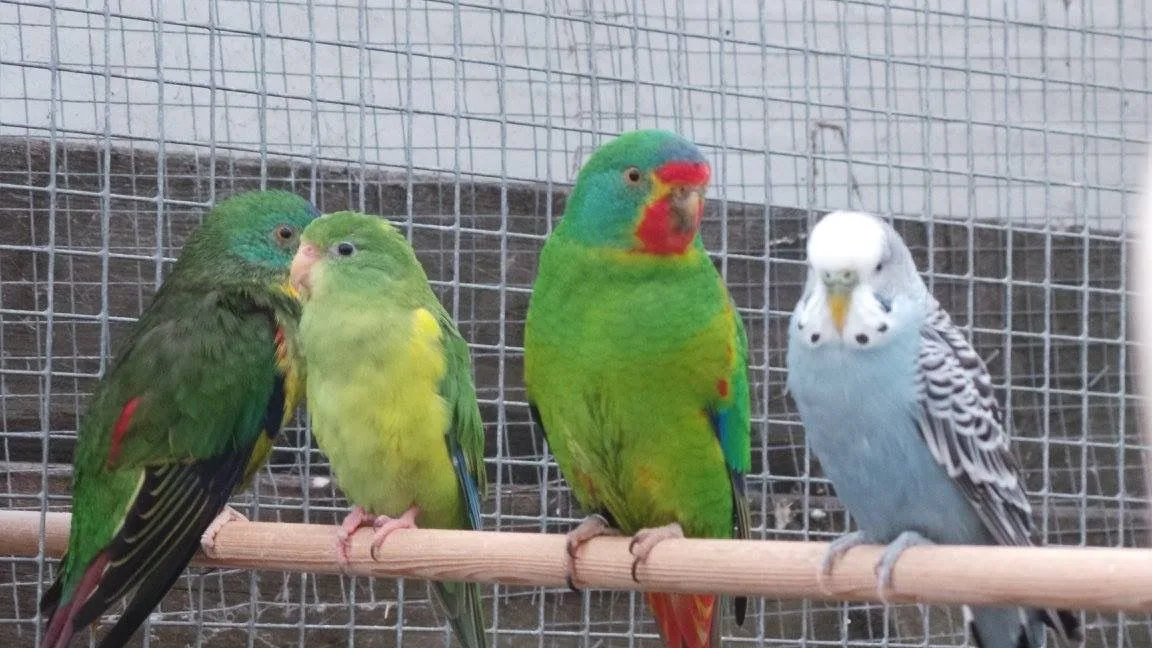
Parrots belong to the order Psittaciformes and include hundreds of distinct species. Common companion types include budgies, cockatiels, conures, African Greys, and macaws. These birds range from small parakeets to large, long-lived parrots.
They require daily social interaction, specific diets, and extensive mental enrichment. Each type possesses unique noise, mess, and housing requirements.
Why Choosing the Right Parrot Breed Matters
Choosing the right parrot starts with an honest assessment of your home environment. A bird that thrives in a quiet, stable setting might suffer immensely in a house with high activity and frequent visitors.
Research indicates that bird behavior is heavily influenced by species-specific traits. For example, some species possess a natural drive to forage and climb. Others are more prone to vocalize loudly to maintain contact with their flock.
If you ignore these traits, you risk creating a stressful situation for both yourself and the bird. A parrot that doesn't get what it needs often develops behavioral issues. These issues might include excessive screaming or feather-destructive behavior.
You should consult resources from organizations like the Association of Avian Veterinarians to understand the medical and physical reality of the species you prefer. Match your daily routine to the bird's biological clock and social requirements. A mismatch usually leads to the bird being rehomed or left alone in its cage for too long.
Understanding Parrot Personalities and Daily Demands
Parrots aren't passive pets like fish or small rodents. They possess a level of intelligence often compared to human toddlers, meaning they require active engagement every single day.
Mental stimulation is the cornerstone of parrot wellness. Without puzzles, foraging opportunities, and training, their minds drift toward destructive habits. You must provide a rotation of toys to keep them occupied when you cannot provide direct interaction.
Physical health is also linked to their daily environment. They need specific light cycles, as dictated by the World Parrot Trust, to regulate their hormones and sleep patterns. A bird that stays up too late in a brightly lit room often becomes irritable or hormonal.
| Daily Demand | Low-Maintenance Species | High-Maintenance Species |
|---|---|---|
| Social Time | 1-2 hours | 4-6+ hours |
| Noise Level | Low to Moderate | Extremely High |
| Training Needs | Basic | Constant/Advanced |
| Cage Space | Compact | Large/Walk-in |
Comparing Small, Medium, and Large Species
Size is the most obvious differentiator, but it also dictates the cost and intensity of ownership. Smaller birds are often seen as "beginner" species, yet they carry the same emotional weight as their larger cousins.
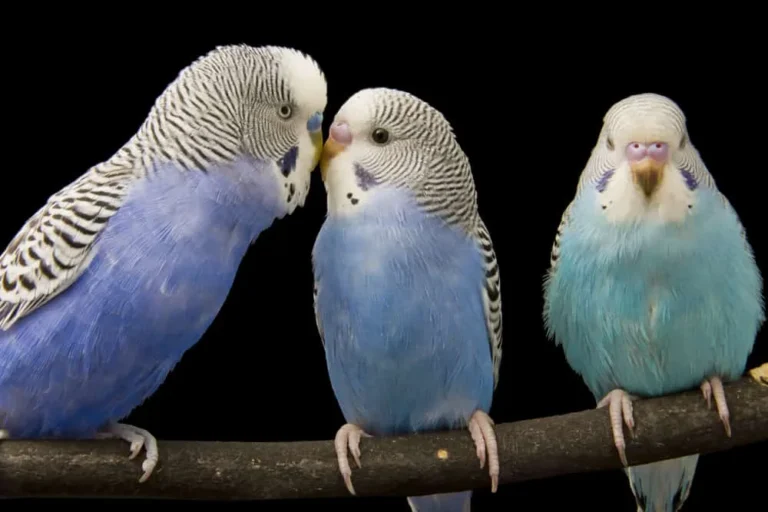
Small species, like budgerigars and cockatiels, are generally better for apartment living. They have quieter contact calls and require smaller, more manageable housing. They are still highly social but often feel less overwhelmed by the average human household.
Medium birds, such as green-cheeked conures, bring more intensity to the table. They are often more assertive and may require firm, consistent training to avoid nipping or territorial behavior. Their noise level can be sharp and persistent, which might be an issue for close-proximity neighbors.
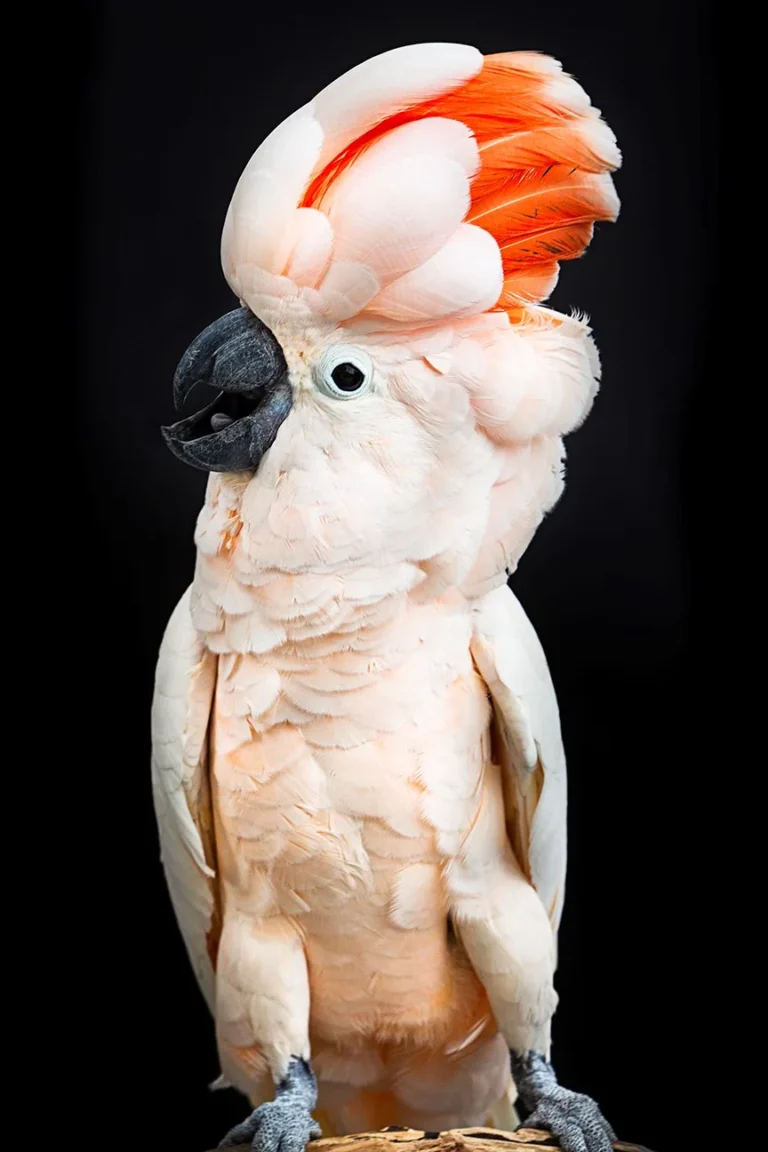
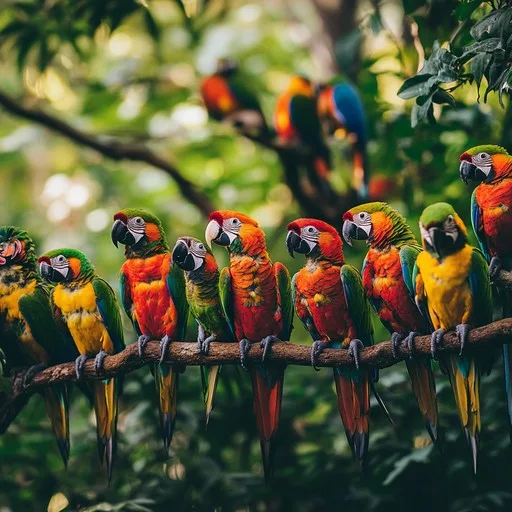
Large species like macaws and cockatoos require a massive commitment. They need substantial cage space to spread their wings, and their beaks are powerful enough to destroy furniture in seconds. They are high-intensity companions that demand a large percentage of your free time every day.
Real-World Considerations: Noise, Mess, and Social Needs
Living with a parrot means accepting a certain amount of chaos. Every parrot produces mess, though the type of mess varies significantly between species.
Some birds, like cockatoos, produce a fine white powder called "powder down" that helps keep their feathers clean. This powder coats everything in the room and requires frequent cleaning of air filters. Other species are "seed junkies," which means they will fling shells and hulls far outside their cage perimeter.
Noise is another unavoidable reality. Birds use vocalizations to express joy, fear, or boredom, and sometimes they just call out to be heard. You cannot train a parrot to never make noise.
You can only manage the volume by providing enough enrichment that the bird stays occupied and satisfied.
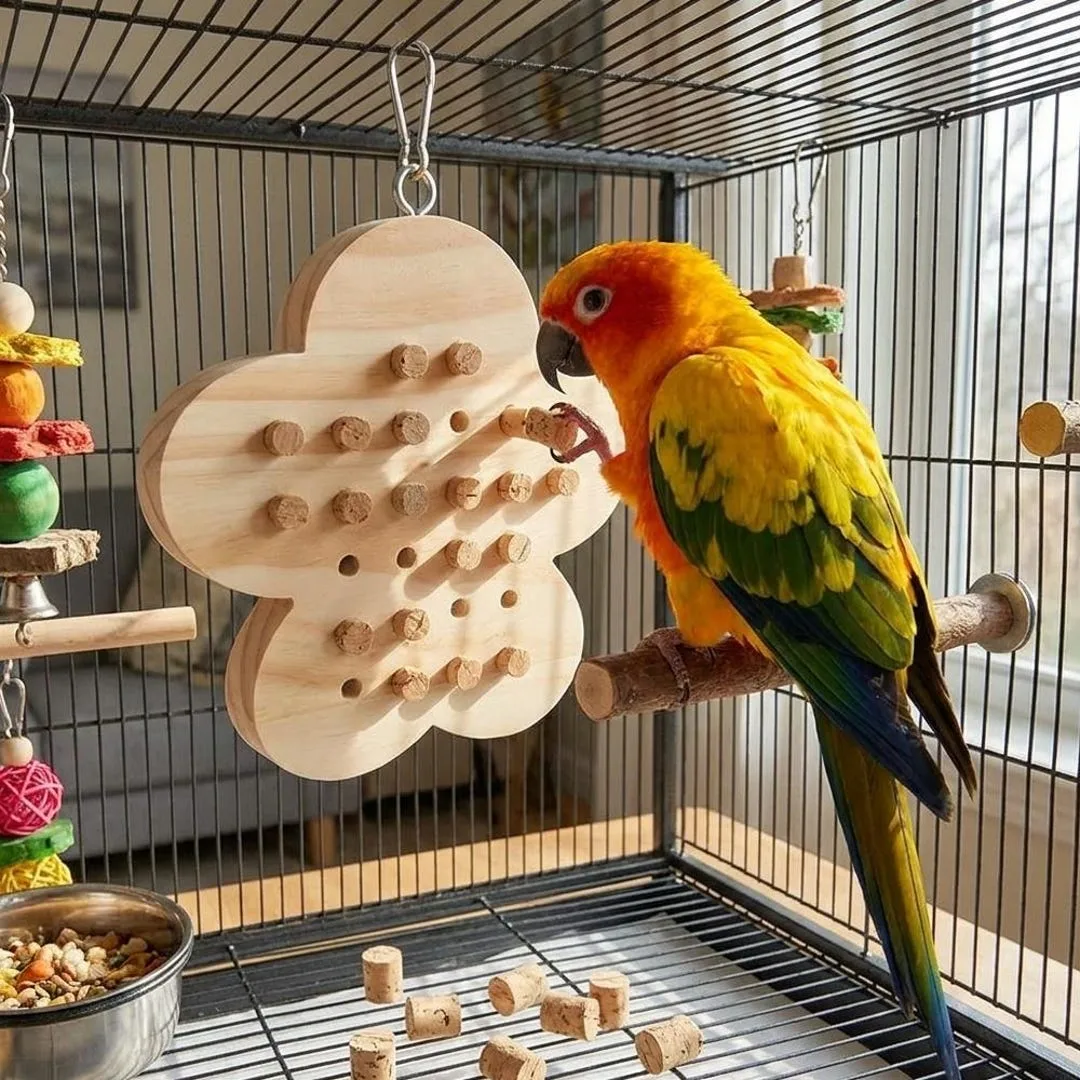
Social needs are perhaps the most misunderstood aspect of parrot care. A "velcro bird" is one that has formed an unhealthy, hyper-dependent bond with its owner. This usually happens when the bird lacks enough independent play time.
You want to encourage your parrot to play with toys and forage on its own, not just sit on your shoulder all day.
Safety Essentials: Protecting Your Bird in a Human Home
Your home is filled with hidden dangers that can be fatal to an avian system. Parrots have a highly efficient respiratory system that makes them incredibly sensitive to airborne toxins.
Non-stick cookware is the most common silent killer. When coated pans overheat, they release fumes that are odorless to humans but deadly to birds. You should strictly replace all PTFE and PFOA-coated cookware with stainless steel or ceramic options.
Cleaning products are another significant risk. Scented candles, air fresheners, and aerosol sprays can trigger immediate respiratory distress. Use only bird-safe, natural cleaning solutions and ensure your home has proper ventilation at all times.
Physical safety is equally important. Always check the home for:
- Toxic plants: Many houseplants are poisonous if chewed.
- Exposed wiring: A bored parrot will find and chew on electrical cords.
- Window collisions: Keep windows covered or use window decals until the bird knows where the glass is.
- Other pets: Cats and dogs are predators, and you must never leave them unsupervised with a bird.
Frequently Asked Questions About Parrot Ownership
How much time does a parrot need daily?
Most parrots require at least two to four hours of direct, out-of-cage interaction every day. They are highly social, flock-oriented animals that suffer without consistent engagement. If you cannot guarantee this time, you should reconsider bird ownership.
Are parrots noisy for apartment living?
Yes, most species are inherently noisy and can disturb close neighbors. While some budgies or cockatiels are quieter, they still produce high-pitched chirps and contact calls. You should consult your building rules and consider your neighbors' tolerance before bringing a bird home.
Can parrots eat human food?
Many human foods are dangerous or toxic to birds, including avocado, chocolate, caffeine, and onion. While they can enjoy fresh vegetables and some fruits, you must strictly follow an avian-safe diet list. Always verify the safety of any food item with your avian veterinarian first.
Why does my bird pluck its feathers?
Feather destruction is often a sign of stress, malnutrition, or medical illness. It is a complex behavioral issue that requires a professional diagnosis to determine the underlying cause. Do not attempt to fix this with behavioral training alone, as a physical health exam is critical.
What is the average lifespan of a parrot?
Small species like budgies usually live for 10 to 15 years, while larger parrots often live for 50 to 80 years. This requires a long-term commitment that spans several decades. Ensure you have a plan for your bird’s care that extends well into your own future.
The Final Decision Guide: Matching Your Lifestyle to a Bird
If you’ve decided to move forward, use this decision path to narrow your choices. Start by checking your constraints, then look at the species that fit your daily reality.
If you live in a small apartment and have limited time, focus on smaller species like budgies or cockatiels. These birds provide the social bond you want without the volume of a macaw. They are easier to accommodate in standard housing and generally have lower maintenance demands.
If you have a dedicated room for your bird, extra free time, and high noise tolerance, you might consider medium-sized species. Greys or conures offer a deeper level of interactive play and problem-solving. You must be prepared to invest in a larger cage and a more complex array of foraging toys.
If you have significant experience, vast space, and a lifestyle that revolves around your bird, the larger parrots become an option. These birds are not for the faint of heart. They are high-intensity companions that require constant mental stimulation.
Match your current life situation against the reality of the bird’s needs. If your schedule is too busy or your housing is too small, be honest with yourself and wait. A happy, healthy bird depends on an owner who has the time and environment to prioritize its welfare above all else.