Barn Owl Facts
Barn owls are among the most widespread bird species on the planet, found on every continent except Antarctica. Learning the essential barn owl facts helps you understand how these silent predators thrive in both wild and human-modified landscapes as of 2026.
These birds rely on highly specialized physical adaptations to hunt in near-total darkness. Their unique physiology makes them one of the most efficient natural rodent controllers in the natural world.
Quick Answer
Barn owls are nocturnal hunters with heart-shaped facial discs. They possess asymmetrical ears for precise sound localization. These birds fly in total silence using serrated feathers.
They primarily hunt small rodents like voles and mice. Barn owls often nest in human structures like barns.
Anatomy of a Silent Hunter: Understanding Barn Owl Adaptations
The barn owl is a master of acoustic navigation. Its most defining feature is the heart-shaped facial disc, which acts as a concave reflector for sound. This structure channels high-frequency noises directly into the ear canals.
These owls can detect prey movement from significant distances, even under dense vegetation or deep snow.
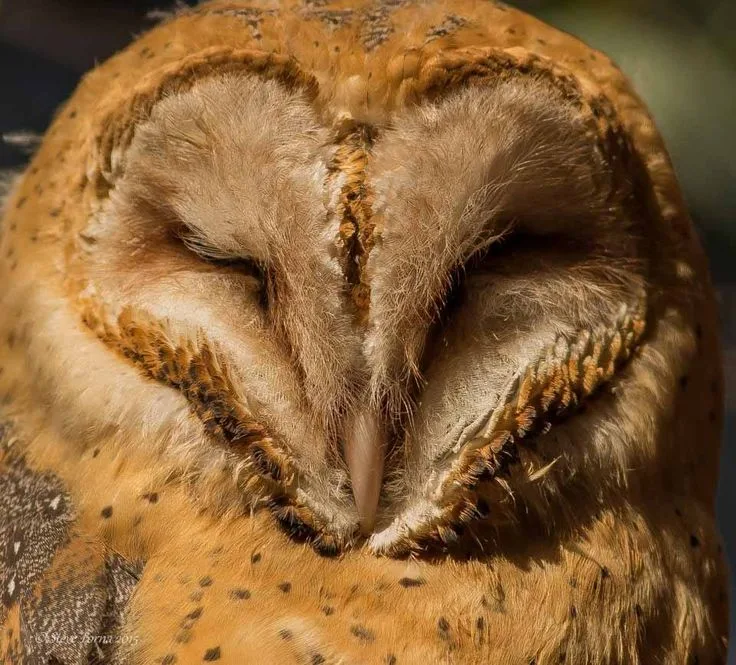
Image source: Web (Bing) / pinterest.com (Web image (fair-use with source credit))
Beyond the face, their skeleton and plumage are optimized for stealth. Their primary flight feathers feature serrated edges that disrupt air turbulence. This unique aerodynamic property prevents the usual whoosh sound associated with bird flight.
The bird's skeletal structure is lightweight, allowing for efficient hovering and slow-speed searching. These physical traits, combined with their oversized eyes designed for low-light sensitivity, make them the ultimate night-time hunters.
Decoding the Sounds and Signals of Tyto alba
If you expect a classic hoot, you will be surprised. Barn owls communicate using a range of harsh, raspy shrieks and hisses. The most common call is a long, drawn-out screech that can be heard up to a mile away on a quiet night.
They use these vocalizations primarily for territorial defense and courtship. During the breeding season, pairs often perform duets that reinforce their pair bond. If a bird feels threatened, it may resort to bill-snapping or hissing to deter intruders.
These sounds are not just for communication. They serve as warning signals to potential rivals that a hunting ground is already claimed. Understanding these vocalizations helps observers identify the presence of owls even when the birds are hidden from view.
Hunting Mechanics and the Impact of Environmental Conditions
Barn owls are tactical hunters that use a method known as quartering. They fly low over open fields, methodically scanning the ground for the slightest sound of prey. Once a target is identified, they use their ears to triangulate the exact position before making a silent strike.
| Environmental Factor | Impact on Hunting |
|---|---|
| Heavy Rain | Significantly reduces hunting success due to noise interference. |
| Deep Snow | Limits access to ground-dwelling rodents like voles. |
| Wind Speed | High winds disrupt flight stability and auditory accuracy. |
| Moonlight | Generally has little impact due to their reliance on sound. |
Success hinges on their ability to hear high-pitched squeaks and rustles. Rain and strong wind act as barriers to this sensory input. When conditions are poor, these owls may choose to stay in their roosts to conserve energy until the weather clears.
The Vital Role of Barn Owls in Agricultural Pest Control
These raptors are considered an essential biological pest control service for modern agriculture. A single family of barn owls can consume thousands of rodents in a single breeding season. Research from the Cornell Lab of Ornithology confirms that their diet consists almost entirely of small mammals, particularly meadow voles.
By keeping rodent populations in check, they reduce the need for chemical baits. This natural service protects crops from damage and prevents secondary impacts on the wider food chain. Many farmers now view these birds as partners in land management.
They are particularly effective in open landscapes where rodents are abundant. Encouraging their presence does not require complex management. Providing safe access to nesting sites is often enough to entice them to hunt in specific areas.
Managing Habitat to Support Local Populations
You can support barn owl populations by creating a habitat that mimics their preferred hunting grounds. They favor rough, ungrazed grassland where small mammals can build runways and nests. These edge habitats are the foundation of a healthy hunting territory.
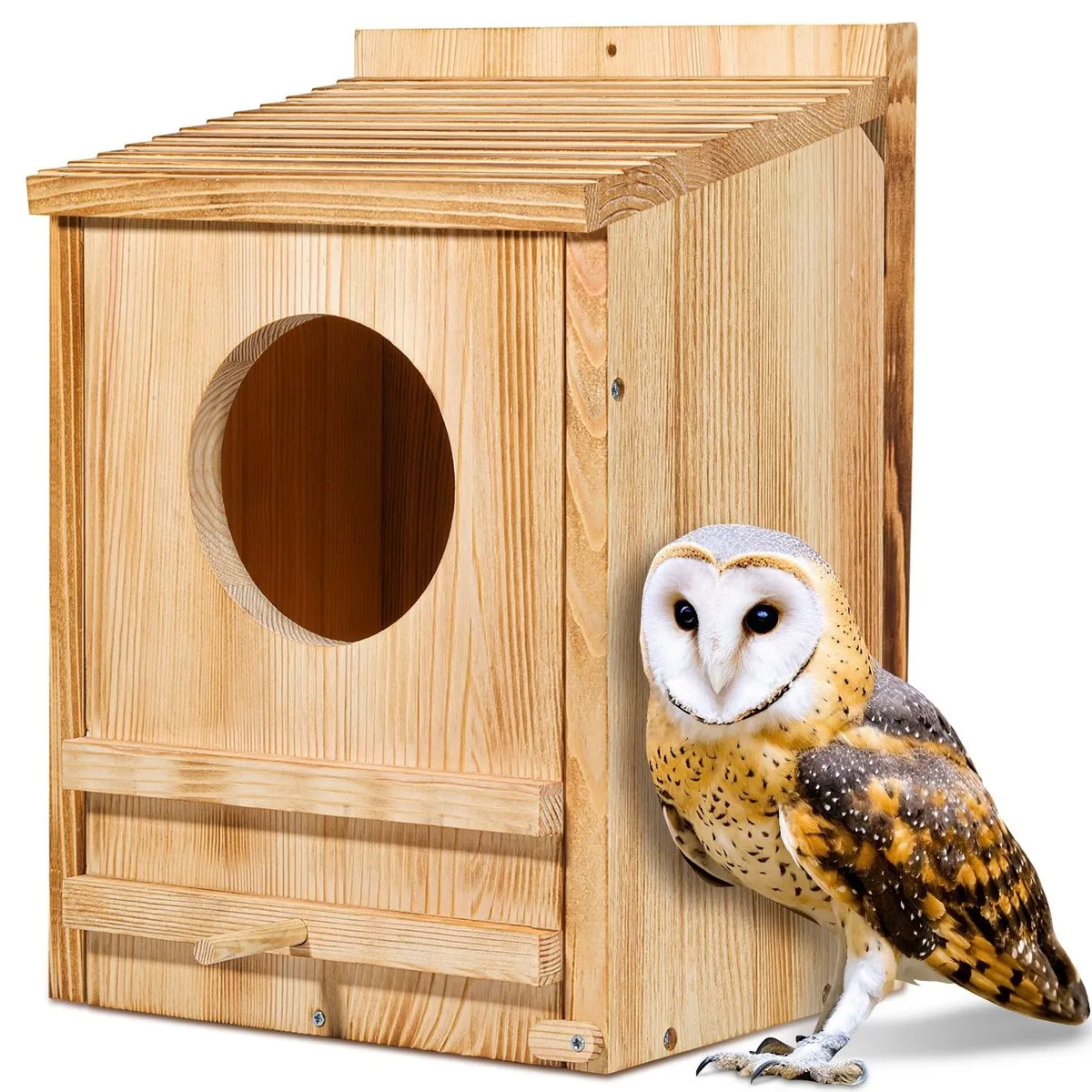
Image source: Web (Bing) / qaqooking.wiki (Web image (fair-use with source credit))
Nesting sites are the other limiting factor for local populations. Because they prefer enclosed spaces, human structures often serve as perfect substitutes for hollow trees. You can install purpose-built nest boxes to provide safe, dry areas for them to raise their young.
Ensure your nest box meets these standards:
- Place the box at least 10 to 15 feet above the ground.
- Ensure the entrance faces an open area for easy access.
- Keep the box away from high-traffic areas to reduce disturbance.
- Verify the box is predator-proof to protect the chicks.
Critical Safety and Ethical Considerations: Rodenticides and Regulations
The biggest threat to barn owl health today is the widespread use of second-generation anticoagulant rodenticides. These poisons work by thinning the blood of the target rodent, but they don't kill instantly. When an owl consumes a poisoned mouse, the toxin accumulates in the bird's own system.
This secondary poisoning is a major factor in local population declines. Many states now provide guidance on safer pest management strategies. Per [U.S.
EPA](https://www.epa.gov) guidelines, it is safer to use snap traps or exclusion methods to secure your structures rather than relying on chemical baits.
Legally, barn owls are protected species in many jurisdictions. In the UK, for instance, the Wildlife and Countryside Act makes it an offense to intentionally disturb their nesting sites. Always check your local regulations before performing maintenance on any outbuilding where you suspect owls may be living.
If you find an injured bird, do not attempt to handle or treat it yourself. Contact a licensed wildlife rehabilitator or your local state wildlife agency immediately. These organizations have the training and resources to provide proper care.
Frequently Asked Questions About Barn Owl Behavior and Conservation
Do barn owls migrate?
Barn owls are generally non-migratory birds that stay within a relatively small home range. They may disperse over longer distances if food sources become scarce. Most individuals remain in the same general area for their entire lifespan.
How many eggs does a barn owl lay?
A single clutch usually contains between four and seven eggs. The exact number often depends on the local density of prey. In years where mice and voles are abundant, parents are more likely to raise a larger brood to adulthood.
Can I use a bright light to watch them?
Strong white lights can disorient and disturb nocturnal birds. If you want to observe them without causing stress, use a low-intensity red flashlight. This spectrum is less disruptive to their low-light vision and hunting patterns.
How long do the chicks stay in the nest?
Chicks typically spend about eight to ten weeks in the nest before they begin to fledge. Even after they learn to fly, they continue to rely on their parents for food for several additional weeks. It is a slow, gradual process of independence.
Why do I see them hunting during the day?
While they are strictly nocturnal, you might see them at dusk or on rare occasions during the day. This usually happens when they have hungry chicks and need extra hunting hours to meet the high caloric demand of the brood. It is a sign of a very active, successful nest.