How Long Do Ostriches Live
Curious about how long these incredible, flightless birds stick around? If you're asking how long ostriches live, the answer really depends on their environment and the care they get. It’s not a single, simple number, and knowing what influences their longevity is key.
Research shows ostriches can live surprisingly long lives. In managed settings like zoos or well-kept farms, they often reach ages comparable to some domestic animals. Official records document lifespans reaching 50 to 75 years.
This longevity highlights the significant impact of proper care and protection.
Quick Answer: Ostrich Lifespan Insights
Ostriches typically live between 30 to 75 years. Captive ostriches, benefiting from consistent care and protection, commonly live 50 to 75 years. Wild ostriches generally have shorter lifespans, around 30 to 40 years, due to natural challenges.
Captive vs. Wild: What's the Difference?
The biggest factor influencing how long an ostrich lives is whether it's navigating the world on its own or being cared for by humans. This distinction creates two very different life expectancies, each with its own set of advantages and challenges.
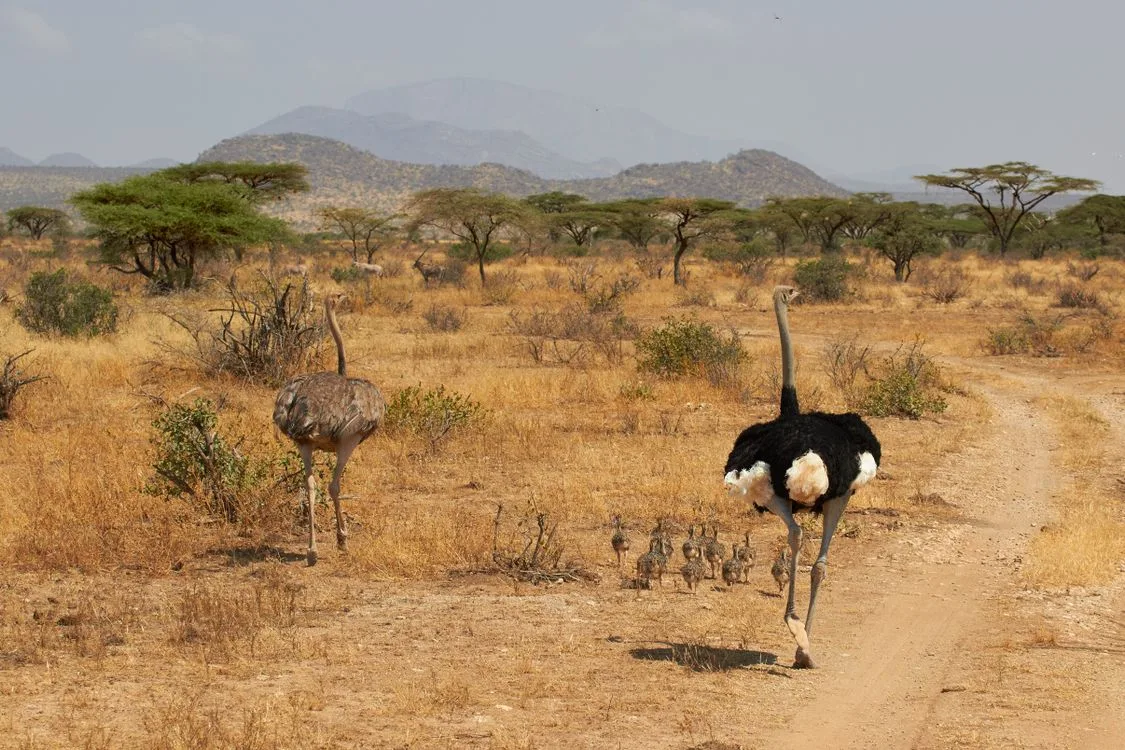
Image source: Web (Bing) / pexels.com (Web image (fair-use with source credit))
Ostrich Lifespan in Zoos and Farms
In zoos and on farms, ostriches often enjoy a significantly longer and more predictable life. These environments provide a buffet of benefits that directly impact their health and survival rates. We’re talking about consistent, high-quality food, protection from predators, and access to veterinary care.
These managed settings mean that illnesses can be treated, injuries can be mended, and the daily struggle for survival is greatly reduced. As of 2026, these conditions consistently support lifespans reaching the upper echelon of what the species can achieve.
- Consistent Food Supply: Balanced diets prevent malnutrition and related health issues.
- Predator Protection: Eliminates a major cause of premature death.
- Veterinary Care: Timely treatment for diseases and injuries.
- Shelter: Protection from extreme weather conditions.
These elements combine to create an ideal scenario for longevity.
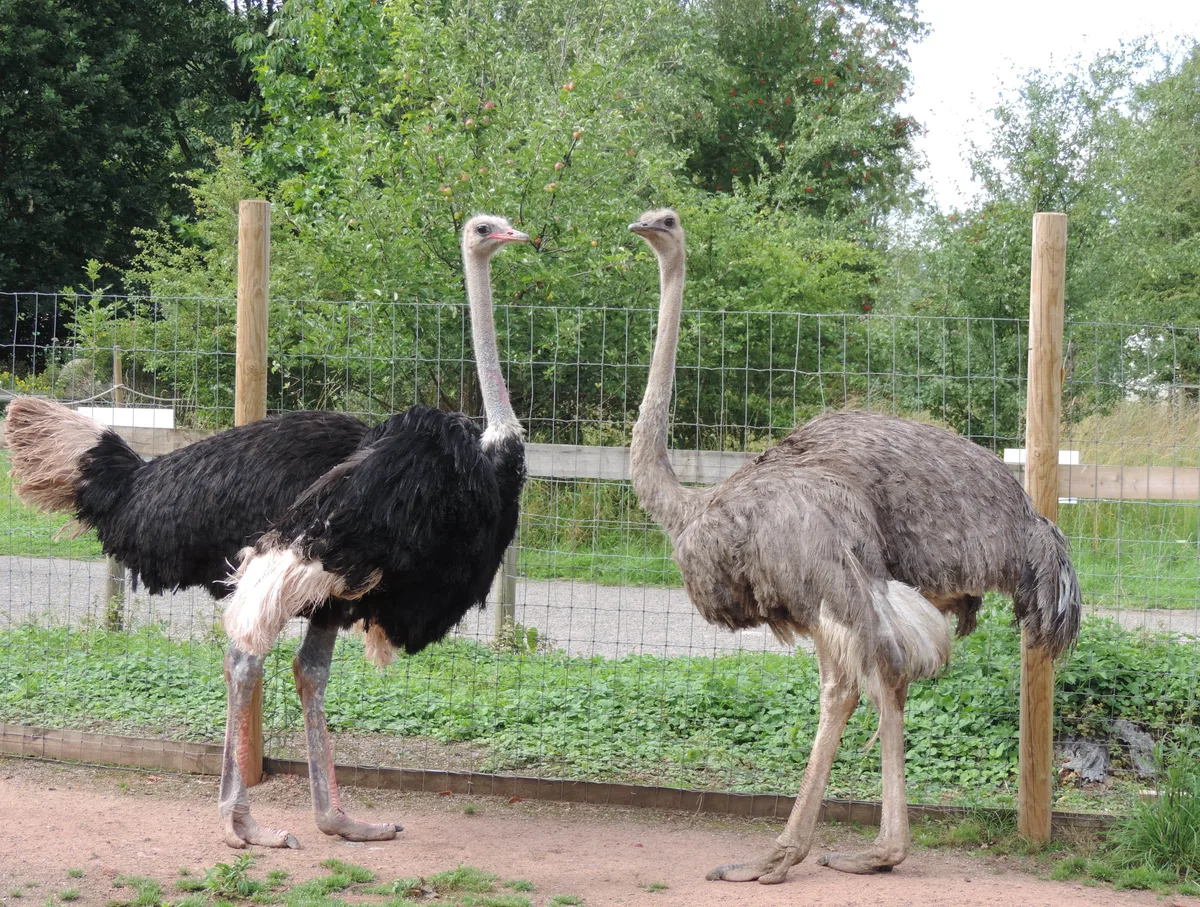
Image source: Web (Bing) / bristolzoo.org.uk (Web image (fair-use with source credit))
Ostrich Lifespan in Natural Habitats
Out in the wild, the life of an ostrich is a lot more precarious. Their natural habitats, primarily the savannas and deserts of Africa, present a daily challenge for survival. While they are resilient birds, they face a gauntlet of dangers that their captive counterparts are shielded from.
This means that while a wild ostrich might be physically robust, its time is often cut short by factors beyond its control. These factors are numerous and ever-present.
- Predators: Lions, hyenas, and other large carnivores pose a significant threat, especially to younger birds.
- Food Scarcity: Droughts or seasonal changes can lead to periods of limited food availability.
- Harsh Climate: Extreme heat and lack of water can be deadly.
- Competition: Competing with other species for resources.
Because of these constant pressures, the average lifespan for an ostrich in the wild typically falls between 30 to 40 years, a stark contrast to the extended lives seen in managed environments.
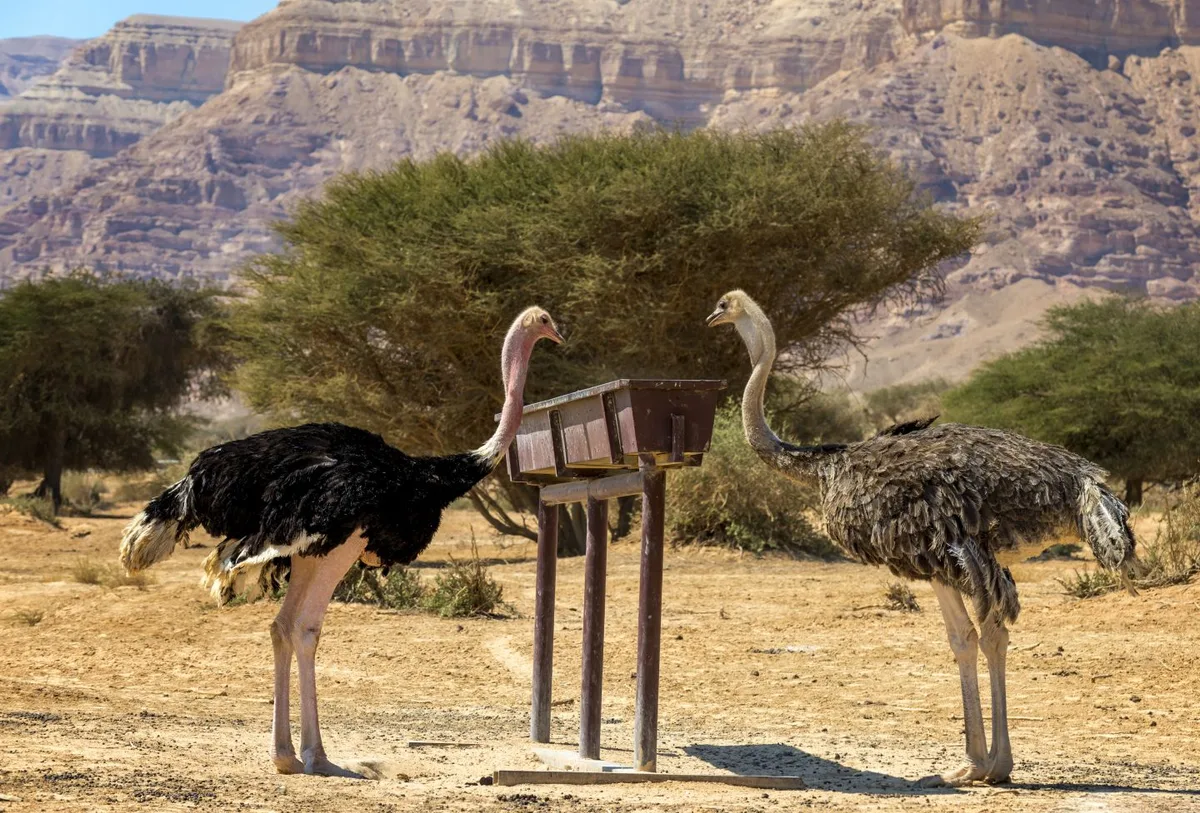
Image source: Web (Bing) / geekyplanet.com (Web image (fair-use with source credit))
Factors That Shape an Ostrich's Years
So, what exactly makes one ostrich live to see its grandchildren’s grandchildren, while another might not reach middle age? It really comes down to a few critical elements that significantly impact their health and survival. Think of it like this: a car will last longer with regular maintenance, quality fuel, and a garage to protect it from the elements.
Ostriches are no different.
Our research, drawing from animal husbandry best practices and wildlife biology reports, points to several key influencers. These aren't minor details; they are the bedrock of a long and healthy ostrich life. Understanding these factors can help explain the wide range in reported lifespans.
Diet and Nutrition's Role
An ostrich's diet is a cornerstone of its health and, consequently, its lifespan. These birds are naturally omnivores, meaning they eat both plants and animals. Their diet in the wild consists of roots, seeds, grasses, fruits, and sometimes insects or small reptiles.
However, for ostriches in captivity, a carefully managed diet is crucial for them to thrive and reach their full potential lifespan.
Commercial ostrich feed is formulated to provide a complete nutritional profile. This typically includes protein for growth and maintenance, carbohydrates for energy, essential vitamins, and minerals. For instance, sufficient calcium and phosphorus are vital for strong bone development, and grit is necessary to help them grind food in their gizzard.
Malnutrition or an imbalanced diet can lead to a host of health problems, including digestive issues, weakened immune systems, and stunted growth, all of which can shorten an ostrich's life.
Healthcare and Environment Impact
Beyond just food, the environment and healthcare provided play a massive role in how long an ostrich lives. In a zoo or on a well-managed farm, ostriches are protected from dangers that would easily end their lives in the wild. This means dedicated enclosures that shield them from extreme weather, be it scorching heat or freezing temperatures, and prevent escape, which could lead them into dangerous situations.
Furthermore, access to veterinary care is a game-changer. When an ostrich becomes ill or sustains an injury, trained professionals can intervene. This could involve diagnosing and treating diseases, performing surgery, or providing rehabilitation.
For example, issues like foot injuries, which can be debilitating and life-threatening in the wild, can often be managed effectively with proper veterinary attention. Without this level of care, even minor health problems can escalate quickly. The quality of the living space also matters tremendously.
Ostriches are large birds that need ample room to roam, dust bathe, and express natural behaviors. Overcrowding or inadequate facilities can lead to stress, aggression, and a higher susceptibility to disease. Therefore, a well-designed environment, coupled with proactive healthcare, significantly boosts the chances of an ostrich living a long, healthy life.
Ostrich Lifespan Data and Metrics
When we talk about how long ostriches live, it’s helpful to look at the numbers. These aren't just estimates; they're based on observations and record-keeping from various sources, from scientific studies to zoo archives. Understanding these figures gives us a clearer picture of the species' potential longevity and the real-world differences between various living conditions.
Here’s a breakdown of the typical lifespan metrics we see for ostriches:
- Average Lifespan (Wild): Approximately 30 to 40 years. This reflects the challenges of survival in natural environments.
- Average Lifespan (Captive): Typically 50 to 75 years. This range highlights the benefits of managed care.
- Maximum Recorded Lifespan: Some individuals have been documented living over 70 years, with anecdotal reports suggesting even longer lives under exceptional circumstances.
These figures are valuable for conservation efforts and for those managing ostriches in captivity. For example, zoos planning for long-term animal care or farmers considering the investment in an ostrich flock would use these metrics to estimate resource needs and potential productivity over time. It's important to remember that these are averages and individual outcomes can vary.
Common Questions About Ostrich Longevity
People often have specific questions when they're trying to understand the lifespan of these magnificent birds. It's not always about the broad averages, but rather the practical details that influence individual birds. Here are some of the most frequent inquiries we encounter.
How long do ostriches live in the wild?
In their natural African habitats, ostriches generally live for about 30 to 40 years. This is considerably less than their captive counterparts due to the constant risks of predation, food scarcity, and harsh environmental conditions they face daily.
Can ostriches live to be 100 years old?
While ostriches are long-lived, reaching 100 years old is extremely rare, if not unheard of. The documented maximum lifespan in ideal captive conditions tends to top out in the late 70s or early 80s at the very most, with the typical maximum being closer to 75.
What is the lifespan of an ostrich egg?
This question seems to be a slight mix-up. An ostrich egg doesn't have a "lifespan" in the way an animal does; rather, it has a hatching period. Ostrich eggs typically incubate for about 42 days before hatching, assuming they are kept at the correct temperature and humidity.
Do male or female ostriches live longer?
Generally, there's no significant difference in lifespan between male and female ostriches that can be definitively attributed to sex alone. Lifespan is primarily influenced by environmental factors, diet, and overall health, rather than being inherently tied to the bird's sex.
Key Takeaways for Ostrich Lifespan
So, after looking at the data and the factors involved, what’s the main story about how long ostriches live? It’s clear that their environment plays the most crucial role. Whether you're observing them in a zoo, on a farm, or in their native African savannas, their circumstances dictate their potential years.
The figures are quite telling: captive ostriches, with their protected lives and consistent care, can live for 50 to 75 years. This range is significantly higher than the 30 to 40 years typically seen in the wild, where survival is a daily challenge.
Ultimately, a long life for an ostrich hinges on access to good nutrition, proper veterinary attention, and a safe, stimulating environment free from the constant threats of predators and extreme weather. Understanding these dynamics is essential for anyone interested in the well-being and longevity of these remarkable birds.