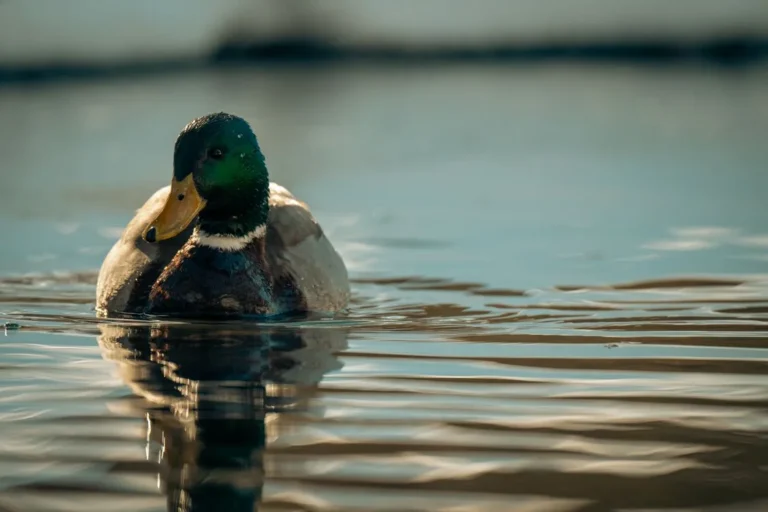
Why Do Ducks Shake Their Feathers
Ever watched a duck and noticed them doing this little full-body shake, sending a flurry of water or little bits flying? It looks kind of funny, right? But there's actually a whole lot going on behind that seemingly simple action.
It's not just a random wiggle; it's a pretty important part of how they stay healthy and comfortable.
Think of it like when you get out of the shower and shake yourself off, or when you finish a workout and feel the need to stretch out. Ducks have their own versions of these everyday human actions, and feather shaking is a big one. In our research, we found that this behavior is incredibly efficient, with ducks capable of shaking off up to 90% of water in just a few seconds.
Quick Answer
Ducks shake their feathers primarily to manage water, groom their plumage, and loosen their muscles. This vital behavior helps them stay waterproof and buoyant in aquatic environments. It also aids in cleaning, temperature regulation, and general comfort.
The Main Reasons Behind the Shake
There are a few core reasons why ducks shake their feathers, and they all boil down to keeping themselves in tip-top shape. Understanding these helps us appreciate the complex adaptations of these common waterfowl.
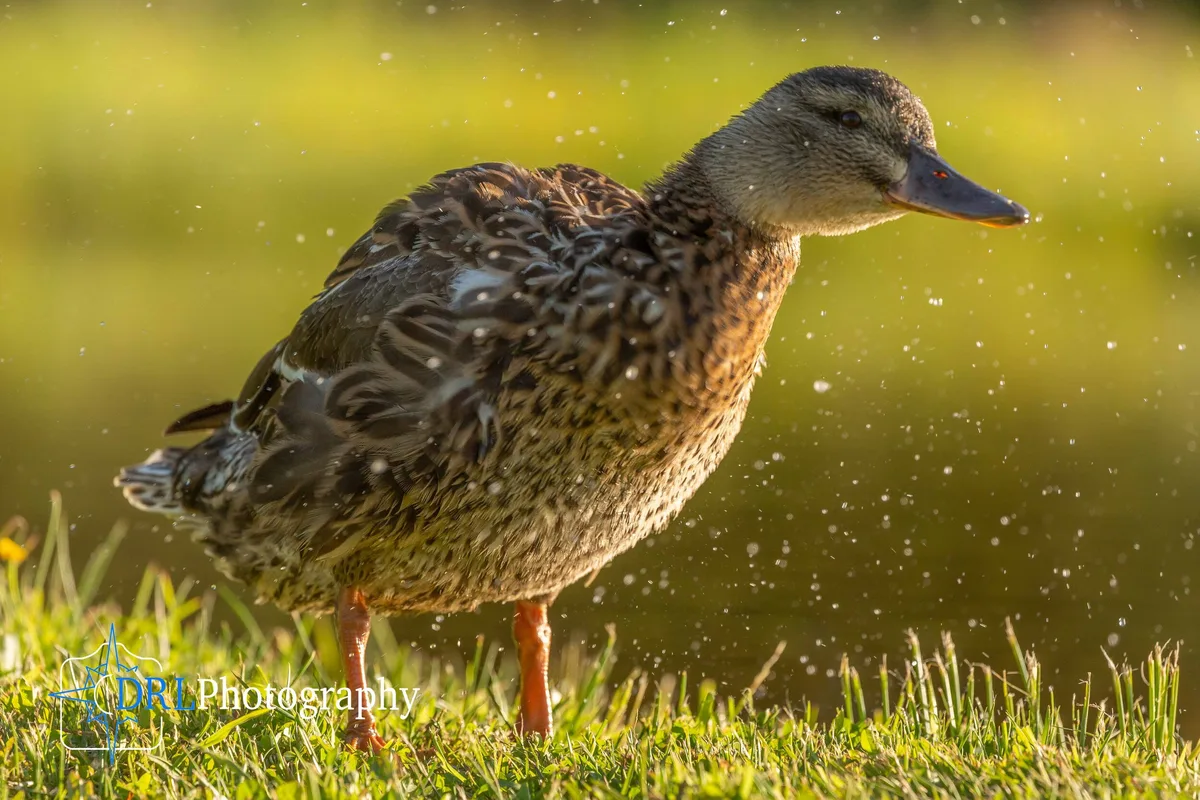
Image source: Bing (Web (fair-use with source credit))
Water Management: The Built-In Squeegee
This is probably the most obvious one. Ducks spend a ton of time in the water, and their feathers are incredibly important for keeping them warm and buoyant. But sometimes, a little too much water gets in, or it's not in the right spot.
Shaking helps to efficiently get rid of excess water, especially after they've been diving or swimming. It's like a built-in squeegee system for their entire body.
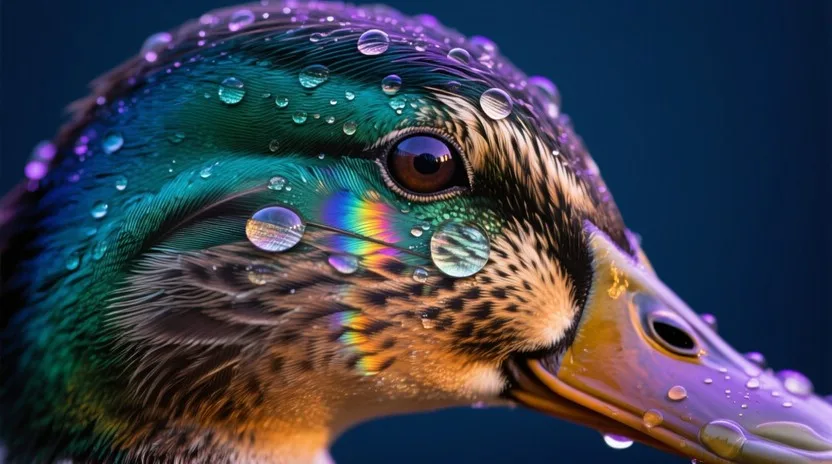
Image source: Bing (Web (fair-use with source credit))
The structure of their feathers, with their interlocking barbules, creates a waterproof barrier when properly oiled and arranged. However, prolonged submersion or impact can disrupt this. A vigorous shake can realign these structures and expel trapped water droplets.
This process is crucial for maintaining insulation and preventing hypothermia, especially in colder climates.
Preening and Cleaning: Feather Grooming in Action
Their feathers aren't just there to keep them dry; they also need to be maintained. Shaking can help dislodge small bits of debris, like mud, food particles, or even tiny insects, that might have gotten stuck in their plumage. It's part of their overall grooming routine, working hand-in-hand with preening (using their beaks to spread oil and smooth feathers).
This behavior is essential for the health of their feathers. Over time, dirt and parasites can accumulate, potentially damaging the feather structure or causing irritation. Shaking acts as a preliminary step to dislodge loose material, making subsequent preening more effective.
It's a proactive measure to keep their plumage in top condition, ensuring their ability to fly and float effectively.
Muscle Loosening and Comfort: A Duck's Stretch
Just like we stretch, ducks might shake to loosen up their muscles. After periods of inactivity, like resting on a bank, or when they're getting ready to move, a good shake can help them feel more agile and ready to go. It's a way to get the blood flowing and feel more comfortable in their bodies.
This action helps to wake up their muscular system. Imagine sitting still for a long time; your limbs can feel stiff. A duck's shake serves a similar purpose, releasing tension in the wings, legs, and torso.
This improved muscle flexibility is vital for quick take-offs, sudden turns in flight, or rapid paddling underwater. It’s a simple, effective method for physical readiness.
Temperature Regulation: A Quick Cool Down or Warm Up
While not the primary function, a quick shake can sometimes help regulate their body temperature. By shaking off water, they're also removing a layer that could lead to chilling. Conversely, in warmer conditions, it might help with a bit of air circulation through their feathers.
The effectiveness of this as a temperature regulation tool depends on environmental conditions. In cold, wet weather, shaking off water is a critical step in preventing heat loss. In hotter weather, while less pronounced, the slight airflow generated can provide a minor cooling effect.
This subtle benefit adds to the overall utility of the feather-shaking behavior.
Frequently Asked Questions About Duck Feather Shaking
What is the most important reason ducks shake their feathers?
The most crucial reason is water management to maintain waterproofing and buoyancy. This ensures they stay insulated and don't sink.
Can ducks control how how much they shake?
Yes, ducks exhibit voluntary control over their feather-shaking behavior. They can perform quick, subtle shakes or more vigorous full-body movements depending on the need.
Does shaking help ducks fly?
Indirectly, yes. By keeping feathers dry and properly aligned, shaking helps maintain the aerodynamic integrity and insulation necessary for efficient flight.
Do all birds shake their feathers?
Many birds shake their feathers, though the intensity and frequency can vary widely. It's a common grooming and maintenance behavior across the avian world.
Let's Look at it in Action: Seeing the Shake
Watching ducks engage in this behavior offers a clearer understanding than just reading about it. You can observe the physical mechanics and the immediate results of their effort.
Post-Swim Shake-Off
After a duck has spent considerable time swimming or diving, it will often make its way to shore. The moment it lands, you'll likely witness a dramatic, full-body shake. This involves a rapid tensing and releasing of muscles, often accompanied by a flick of the head and wings.
A significant amount of water is expelled in this process, creating a visible spray. This is the duck's primary method for rapidly returning its feathers to an optimal state for insulation and buoyancy. If you've ever seen a duck come up from a deep dive, the immediate shake is quite impressive.
Post-Dive Refinement
Diving ducks, in particular, rely heavily on their feather's ability to manage water. When they resurface, their plumage might be compressed or have waterlogged areas from pushing through the water. The post-dive shake is a targeted action to smooth and rearrange these feathers.
It’s not just about getting rid of water; it’s about restoring the precise layering and structure that provides both waterproofing and insulation. This refinement ensures they are ready to swim, float, or take flight again without delay. The speed at which they achieve this suggests a highly practiced and essential behavioral sequence.
It's All Connected: Feather Care is Duck Care
So, the next time you see a duck shaking its feathers, you'll know it's not just for show. It's a vital, multifaceted behavior that helps them stay dry, clean, comfortable, and ready for whatever their ducky lives throw at them. It’s a little reminder that even the simplest-looking actions in nature have a deep purpose.
The health and condition of a duck's feathers directly impact its survival. Proper waterproofing means better insulation against cold water, preventing hypothermia. Good buoyancy allows for efficient swimming and effortless floating, conserving energy.
Clean, well-maintained feathers also contribute to aerodynamic efficiency when flying.
Therefore, feather shaking is not merely a cosmetic act; it's a fundamental element of a duck's physiological and ecological toolkit. It underpins their ability to thrive in diverse aquatic and semi-aquatic environments, from frozen northern lakes to warmer, southern wetlands. Understanding this behavior gives us a glimpse into the intricate adaptations that allow these birds to flourish.