Why Do Sparrows Live Near Humans
You've probably noticed them everywhere, little brown birds flitting around parks, backyards, and city streets. The question of why do sparrows live near humans is a common one, and the answer is surprisingly simple: we've made our world incredibly convenient for them. They aren't just surviving; they're thriving because we've unintentionally created a habitat that perfectly suits their needs.
Sparrows, particularly the ubiquitous House Sparrow (Passer domesticus), have become masters of urban and suburban living. Their success isn't luck; it's a direct result of their adaptable nature and our lifestyle. According to research published in journals like Avian Biology, House Sparrows have shown a remarkable ability to exploit resources provided by human settlements, leading to their widespread distribution across the globe.

Image source: Bing (Web (fair-use with source credit))
Quick Answer
Sparrows live near humans because our environments offer abundant, easily accessible food sources and safe nesting sites. They exploit dropped food, grains, and waste, and find shelter in buildings and structures. This readily available sustenance and protection significantly increases their survival and breeding success compared to wilder habitats.
The Sparrow's Urban Advantage: A Quick Look
Sparrows, especially the House Sparrow, are a prime example of a species that has capitalized on human development. They aren't found in wild, untouched forests as much as they are in bustling cities and quiet suburbs. This preference isn't accidental; it's a calculated move for survival and reproduction.
They've learned to read the landscape we've created. Our parks, farms, and even our garbage cans are essentially well-stocked buffets. Our buildings, bridges, and eaves provide secure, readily available real estate for nesting, shielding them from predators and the weather.
This close proximity to human activity offers a consistent, reliable lifestyle that many other bird species can't achieve.
Easy Meals: How Humans Become a Bird Feeder
One of the biggest draws for sparrows near human habitation is the sheer abundance and easy accessibility of food. For a small bird with a relatively high metabolism, a steady food supply is critical for survival, especially during harsh weather or breeding seasons. Our daily activities unintentionally create a smorgasbord for these opportunistic feeders.
Dropped Food and Scraps
Think about any public space or even your own backyard where people eat outdoors. Crumbs from sandwiches, dropped pieces of fruit, spilled snacks, these are all prime targets for sparrows. They are incredibly adept at scavenging and aren't shy about foraging in areas where humans frequent.
This means picnic areas, outdoor cafes, and even just a busy sidewalk can become a reliable feeding ground.
Seeds and Grains
Beyond immediate food scraps, humans also create opportunities through agriculture and bird feeding. Farms are magnets for sparrows due to spilled grain from harvesting or storage. Even in urban settings, intentional bird feeders in backyards or public spaces offer a concentrated source of seeds and grains.
House Sparrows are particularly well-suited to consume these smaller, harder seeds, which they can efficiently process. According to research from agricultural science departments, spilled grains at processing facilities can attract large numbers of seed-eating birds, including sparrows.
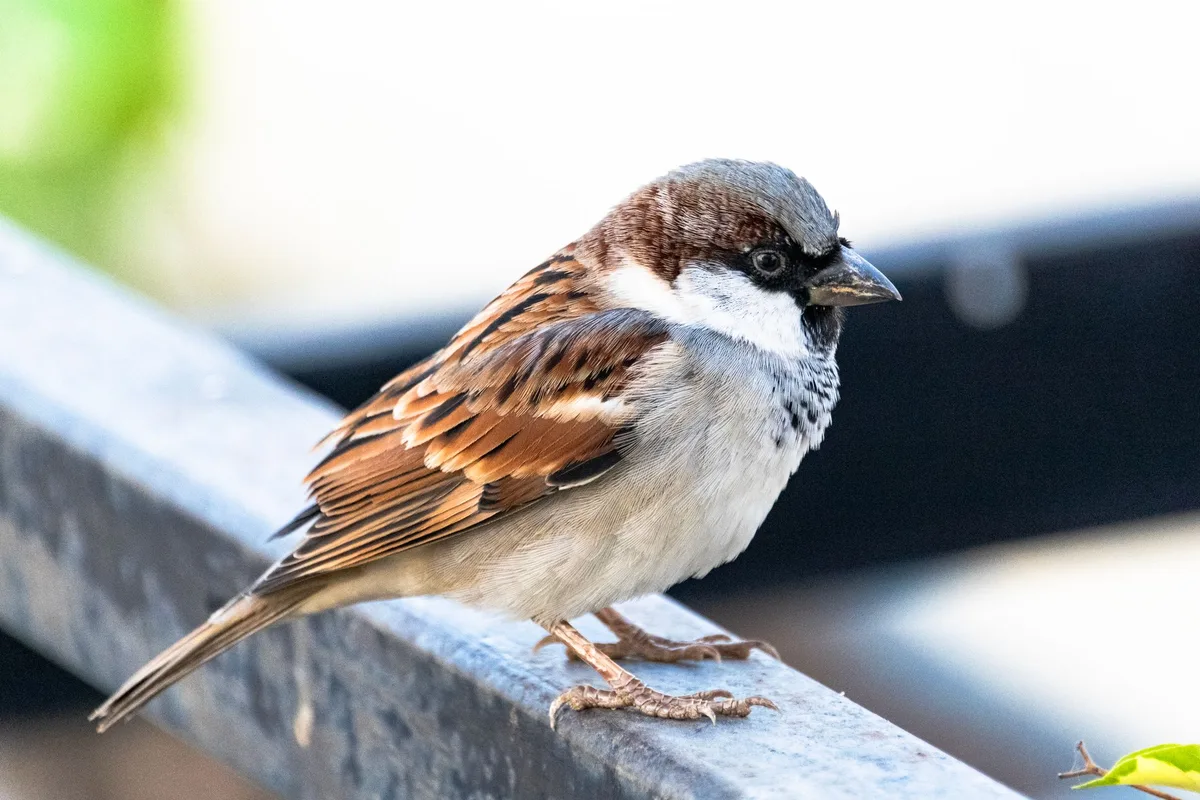
Image source: Web (Bing) / pexels.com (Web image (fair-use with source credit))
Safe Havens: Buildings as Sparrow Homes
Beyond food, a critical element for any bird is a safe place to rest and raise young. Our built environments offer an array of perfect nesting and roosting sites that are often superior to natural options for sparrows. These structures provide protection from both the elements and predators, which is a massive advantage for their survival.
Nesting Spots in Structures
Sparrows, especially the House Sparrow, are cavity nesters. This means they seek out holes, nooks, and enclosed spaces for their nests. Our buildings are a treasure trove of such locations.
They readily nest in:
- Gaps under eaves and roof tiles.
- Vents and small openings in walls.
- Signage and building fixtures.
- Holes in bridges and overpasses.
These sites are typically dry, sheltered from wind and rain, and offer a degree of camouflage from potential threats. University biology departments often document how readily sparrows will colonize artificial nest boxes or even abandoned human structures.
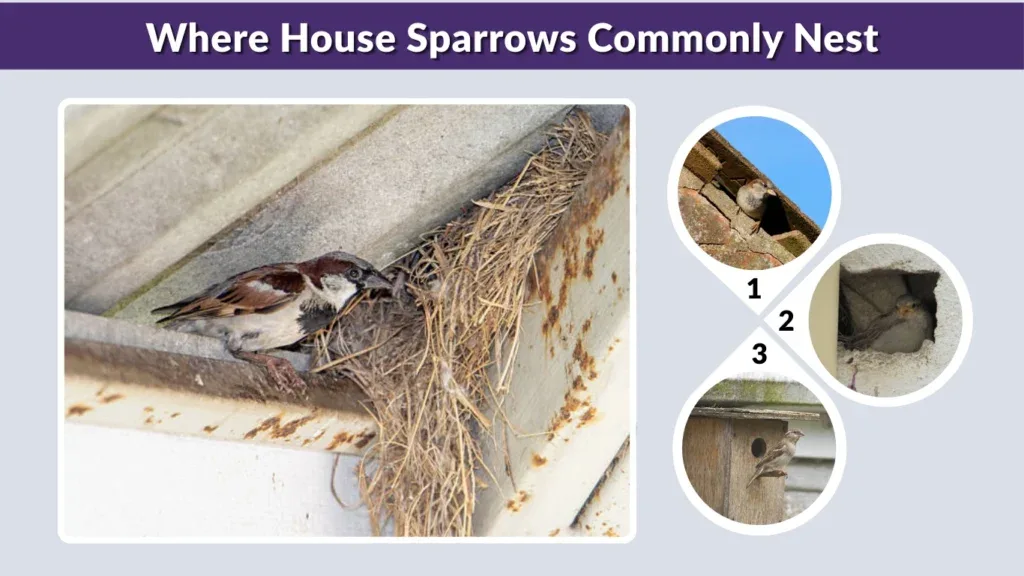
Image source: Bing (Web (fair-use with source credit))
Shelter from the Elements
It's not just about nesting; our structures offer crucial shelter year-round. During hot summer days, the shade provided by buildings can offer a cooler retreat. In winter, the same structures can provide a windbreak and trap some residual warmth, making survival much easier.
This constant availability of a microclimate protected from extreme weather is a significant factor in why sparrows prefer to live near humans.
Less Danger: How We Reduce Predators (Accidentally)
While it might seem counterintuitive, the presence of humans and our associated activities can sometimes lead to a relative decrease in predation pressure on sparrows. This isn't because we actively protect them, but because the urban and suburban environment changes the dynamics of predator-prey relationships.
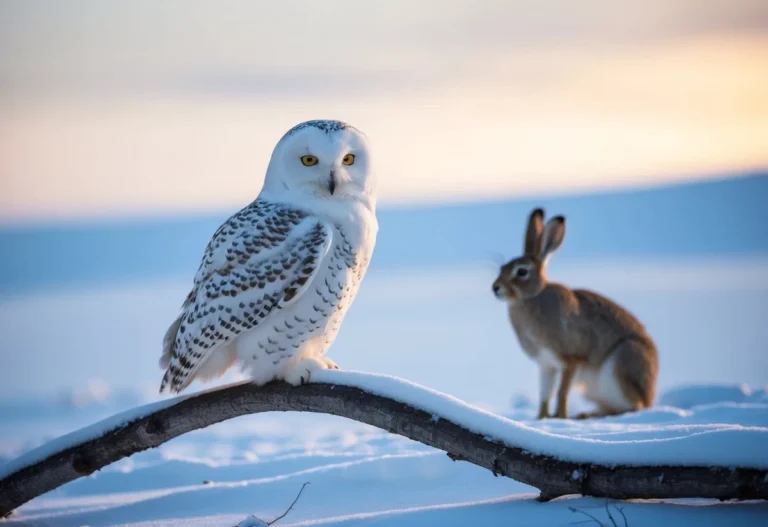
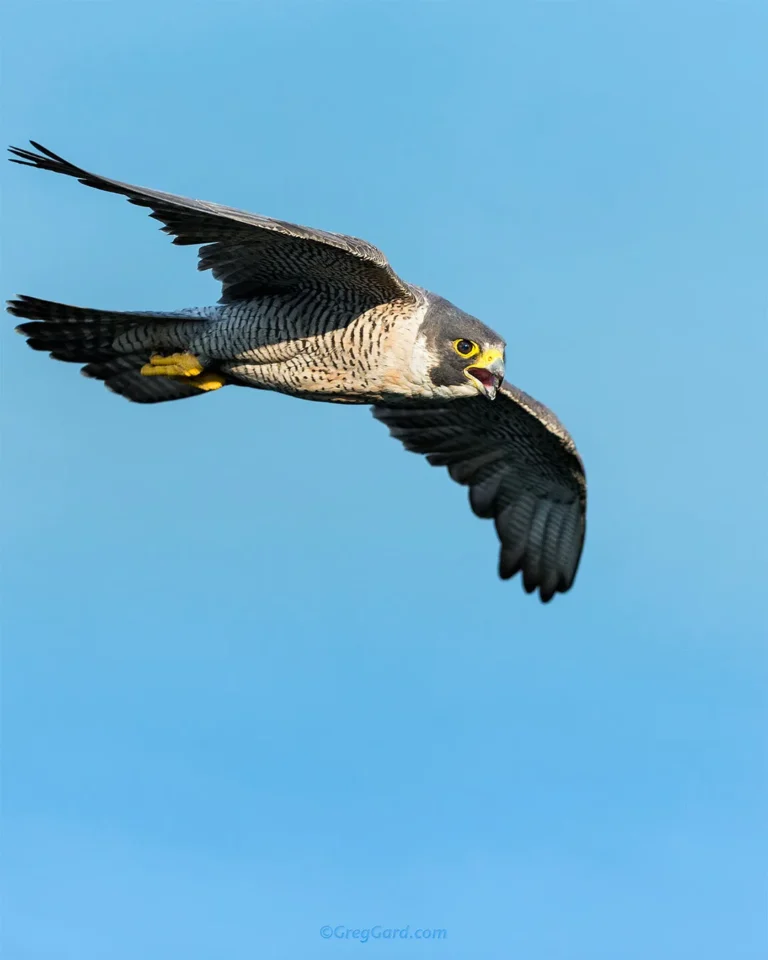
Natural predators that might hunt sparrows in more wild settings, like certain birds of prey or ground predators, may find it harder to hunt effectively in human-dominated landscapes. The constant activity, noise, and abundance of hiding places can make successful ambushes more difficult. Moreover, some predators that rely on more natural habitats might avoid urban areas altogether.
Sparrows, being small and quick, are adept at darting into tiny crevices or under dense foliage that offer immediate safety from many larger hunters. This ability, combined with the altered predator landscape, makes living near people a safer bet for them.
The Master Adapters: Why Sparrows Thrive Near Us
At the heart of why sparrows live near humans is their incredible adaptability. They are what biologists call "synanthropic" species, meaning they thrive in close association with human beings. This isn't a recent development; House Sparrows, native to parts of Eurasia and North Africa, have successfully colonized virtually every continent by adapting to the environments we create.
Their behavioral plasticity is key. They can adjust their foraging habits based on available food, readily switch nesting locations if one becomes unsuitable, and even alter their singing patterns to be heard over urban noise. This flexibility allows them to exploit a wide range of ecological niches that we have created.
It's a testament to their evolutionary success that they can find sustenance and shelter in a concrete jungle as easily as a field of grain. Research from institutions like the National Wildlife Federation often points to this behavioral flexibility as the primary driver of their widespread success.
Are There Downsides to Sparrow-Human Proximity?
While sparrows benefit greatly from living near humans, this close relationship isn't always without its drawbacks, for both the birds and us. From an ecological perspective, the success of a highly adaptable species like the House Sparrow can sometimes impact native bird populations. Their aggressive nature can lead to competition for food and nesting sites, potentially displacing local species.
For humans, large sparrow populations can sometimes be perceived as a nuisance. Droppings can accumulate on buildings and vehicles, and their vocalizations can be a source of noise pollution in densely populated areas. While typically not a major public health risk, as with any wildlife, understanding their behavior and potential for disease transmission is important, though in the case of sparrows, this is generally low compared to some other urban wildlife.
Managing these interactions requires understanding their biology and our role in creating their preferred habitat.