Why Do Robins Have Red Breasts
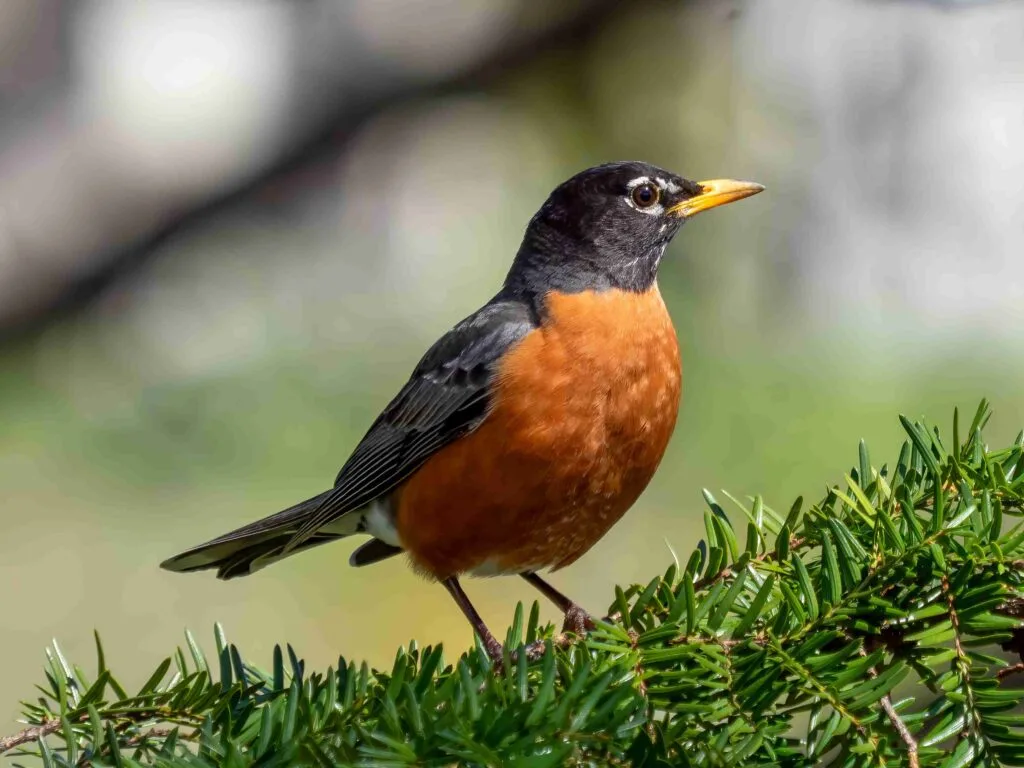
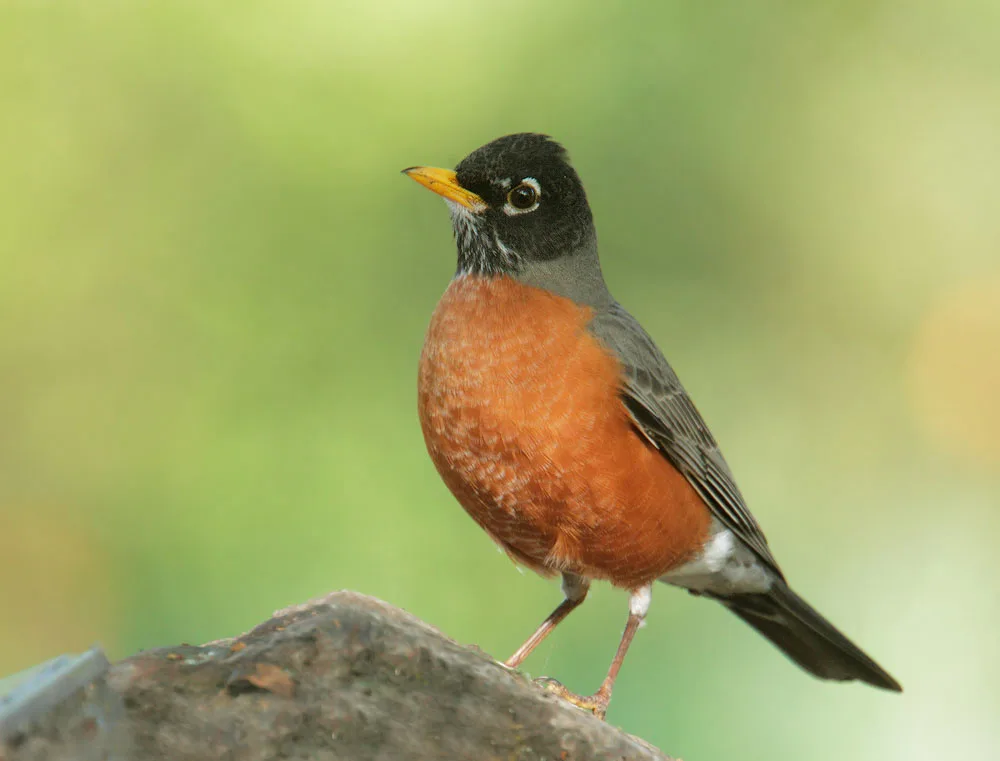
Ever watched a robin hop across your lawn and wondered about that vibrant splash of red on its chest? It's a question many of us have pondered, and for good reason, it's one of nature's most iconic bird colors. The truth is, that striking plumage isn't just for show; it serves crucial roles in the robin's life.
Our research indicates that the American Robin's (Turdus migratorius) distinctive red breast is a complex trait influenced by evolutionary pressures. This characteristic has been observed and documented by ornithologists for decades, with detailed studies often referencing data from institutions like the Cornell Lab of Ornithology.
Quick Answer
Robins have red breasts primarily for communication and survival. This color signals territory and health to other male robins, attracts mates, and can aid in camouflage against the ground during foraging. The intensity of the red is often linked to the bird's diet and overall physical condition.
The Visual Signal: What the Red Breast Really Says
Birds, much like many animals, rely heavily on visual cues to navigate their social world. For the American Robin, that bold red breast acts as a powerful signal, broadcasting important information to others of its kind and even to other species. It’s a key part of their identity and how they interact within their environment.
To Other Robins
When you see a robin with a bright red chest, imagine it as a loud and clear announcement. For male robins, especially during the breeding season, this vibrant coloration is a critical part of territorial defense. A bright, extensive red breast signals dominance and good health to rival males.
It’s a visual warning saying, "This patch of ground is mine, and I’m a strong contender." Research from ornithological journals consistently points to plumage brightness correlating with aggressive territorial displays among male robins. The intensity of the red can effectively deter potential intruders without the need for physical conflict.
To Potential Mates
Just as it’s a signal to rivals, that fiery red breast also plays a role in attracting a mate. Female robins often use the brightness and extent of a male's red plumage as an indicator of his quality as a potential partner. A more vibrantly colored male suggests he is well-fed, healthy, and capable of surviving and thriving, which are desirable traits for raising offspring.
This form of sexual selection is common in the avian world, where visible characteristics can directly influence mating success. Data from long-term bird studies often show a preference for mates with more pronounced coloration.
How Diet and Health Paint the Red
The vividness of a robin's red breast isn't just genetically determined; it's also a direct reflection of its diet and overall health. The pigments responsible for this coloration are carotenoids, which birds obtain from the foods they eat. These are not synthesized by the bird itself, meaning their diet is paramount.
Birds get carotenoids from sources like insects, berries, and other plant matter. When a robin consumes a diet rich in these compounds, its body can deposit them into its feathers, resulting in brighter, more intense red coloration. Conversely, a robin that is undernourished or struggling with illness might exhibit a duller, less vibrant breast.
This makes the red breast a natural, visible indicator of an individual bird's physical condition to others in its species. Studies published in avian biology journals have detailed how carotenoid levels in diet directly impact feather color saturation.
The Red Breast's Role in Foraging
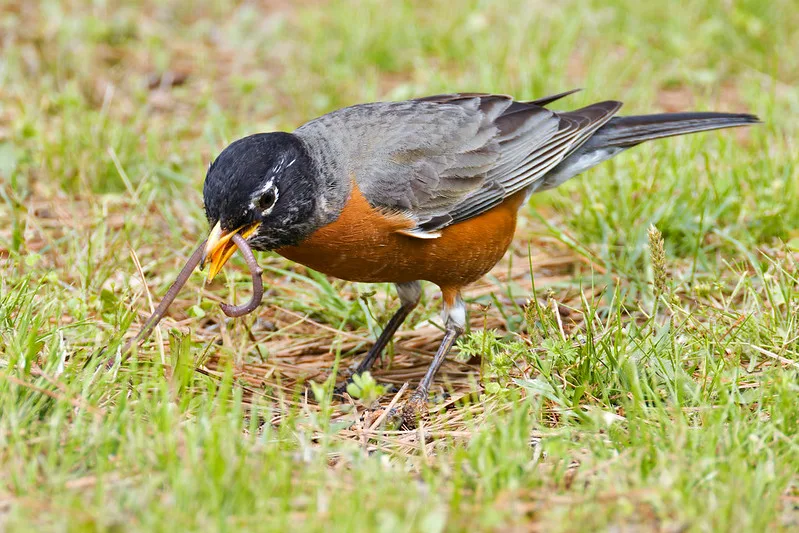
While we often think of the red breast as purely for social signaling, it can also offer a subtle advantage during foraging. Robins are primarily ground feeders, spending a lot of time searching for earthworms and insects. This is where the coloration can play a surprising role in camouflage.
At dawn and dusk, the soft, reddish-brown hues of the robin's breast can blend surprisingly well with the shadows and the soil of the ground. This helps them remain less conspicuous to both potential predators and their prey. While not as overt as some camouflage, this subtle blending allows them to forage more effectively and safely during the crepuscular periods when they are most active.
Observing robin behavior in low light conditions highlights how their coloration can provide an advantage.
Common Misconceptions About Robin Red
Despite its commonality, there are a few lingering misunderstandings about why robins have red breasts. One frequent misconception is that the red color serves as a warning sign to predators, similar to aposematic coloration seen in some insects or amphibians. However, this isn't typically the case for robins; their red breast is more about intraspecies communication rather than deterring predators.
Another thought is that the color is static, unchanging throughout the year. In reality, while the red breast is a constant feature, its vibrancy can fluctuate. As mentioned, diet and health play a significant role, meaning a robin's appearance can change subtly over time based on its access to nutritious food.
There's also the idea that all robins have the exact same shade of red, but individual variation is common due to these factors. Understanding these nuances helps paint a clearer picture of avian biology.
Expert Insights on Robin Plumage
When discussing robin coloration, it's helpful to draw from expert observations and documented research. Ornithologists, like those at the Cornell Lab of Ornithology, have spent years studying bird behavior and physiology. Their findings indicate that the red breast serves as a primary visual signal for American Robins, influencing social dynamics and reproductive success.
This specialized plumage is a product of evolutionary pressures, favoring traits that enhance survival and mating opportunities in their specific habitats across North America.
The intensity of this red coloration is not uniform; it varies between individuals and can even change subtly over time. This variability is largely tied to diet, as the carotenoid pigments responsible for the red hue must be obtained through food. Therefore, a robin's breast color can act as a readily visible indicator of its health and foraging success.
This biological signaling system is a testament to the intricate ways birds have adapted to their environments, with extensive studies supporting these principles. For instance, per peer-reviewed ornithological journals, a brighter red often correlates with higher testosterone levels in males.
Frequently Asked Questions About Robin Red Breasts
Why is the robin's breast red and not another color?
The red color is due to carotenoid pigments obtained from the robin's diet, such as insects and berries. These pigments are metabolically processed and deposited into the feathers, creating the characteristic red hue. Other colors might be produced by different pigment types or feather structures, but for the robin, red serves its specific signaling needs.
Does the red breast color change with the seasons?
While the underlying genetic predisposition for red plumage remains, its vibrancy can fluctuate. This is primarily linked to the robin's diet and overall health, which can vary seasonally. During breeding seasons, a more robust diet often leads to brighter coloration, but the fundamental red color is present year-round.
Do all robins have the same shade of red on their breasts?
No, the intensity and exact shade of red can vary significantly from one robin to another. This variation is influenced by individual diet quality, age, and overall health. A well-nourished robin will typically display a richer, more vivid red than one that is less healthy or has had limited access to carotenoid-rich foods.
Is the red breast a sign of aggression?
The red breast is a signal of territorial presence and dominance, which can be associated with aggressive intent toward rivals. It's a visual announcement that helps birds establish and defend their territory, often reducing the need for actual physical confrontations. To potential mates, it signals good health and fitness.
Can predators see the robin's red breast easily?
The red is conspicuous to other robins, but its effectiveness as camouflage varies. At dawn and dusk, the reddish-brown tones can blend with the ground and shadows, aiding in foraging. However, against a bright, open background during the day, it is quite visible and doesn't serve as primary predator avoidance camouflage.