What Do Green Cheek Conures Eat
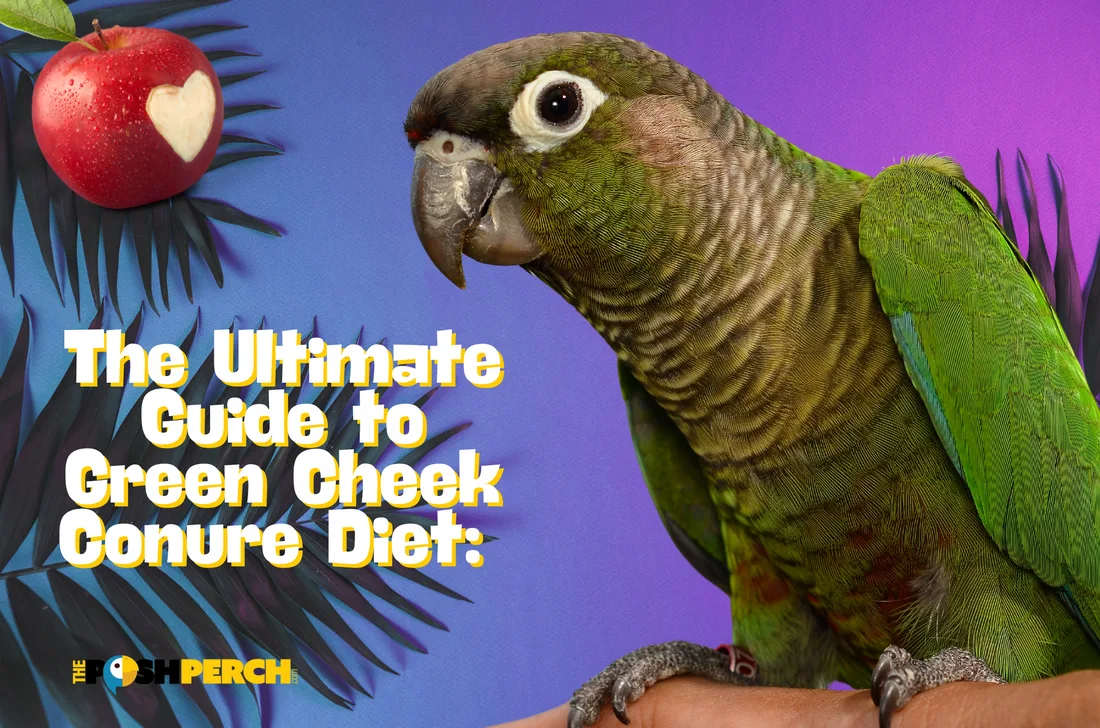
Image source: Bing (Web (fair-use with source credit))
What Green Cheek Conures Should Eat: The Expert Guide
Figuring out what do green cheek conures eat involves more than just filling their dish; it’s about providing the right nutrition for a long, vibrant life. Many pet owners wonder if seeds are enough, but the truth is, a balanced diet is crucial for preventing health issues and keeping your bird active. Getting their food right sets them up for years of happy chirping.
Our research confirms that a varied diet, centered around high-quality pellets and supplemented with fresh foods, is key for conure health. Per avian nutrition standards, the optimal diet for parrots like Green Cheek Conures should consist of roughly 60-70% nutritionally complete pellets, leaving ample room for fresh produce. This balanced approach ensures they get all the vitamins and minerals needed, transitioning us to the first vital aspect of their diet.
The Foundation of Your Conure's Diet: Pellets vs. Seeds
For a long time, seeds were the default food for pet parrots, and it's easy to see why, they're palatable and readily available. However, relying solely on seeds can lead to significant nutritional gaps and health problems down the line. Pellets, on the other hand, offer a more controlled and comprehensive nutritional profile, making them the recommended primary food source for Green Cheek Conures.
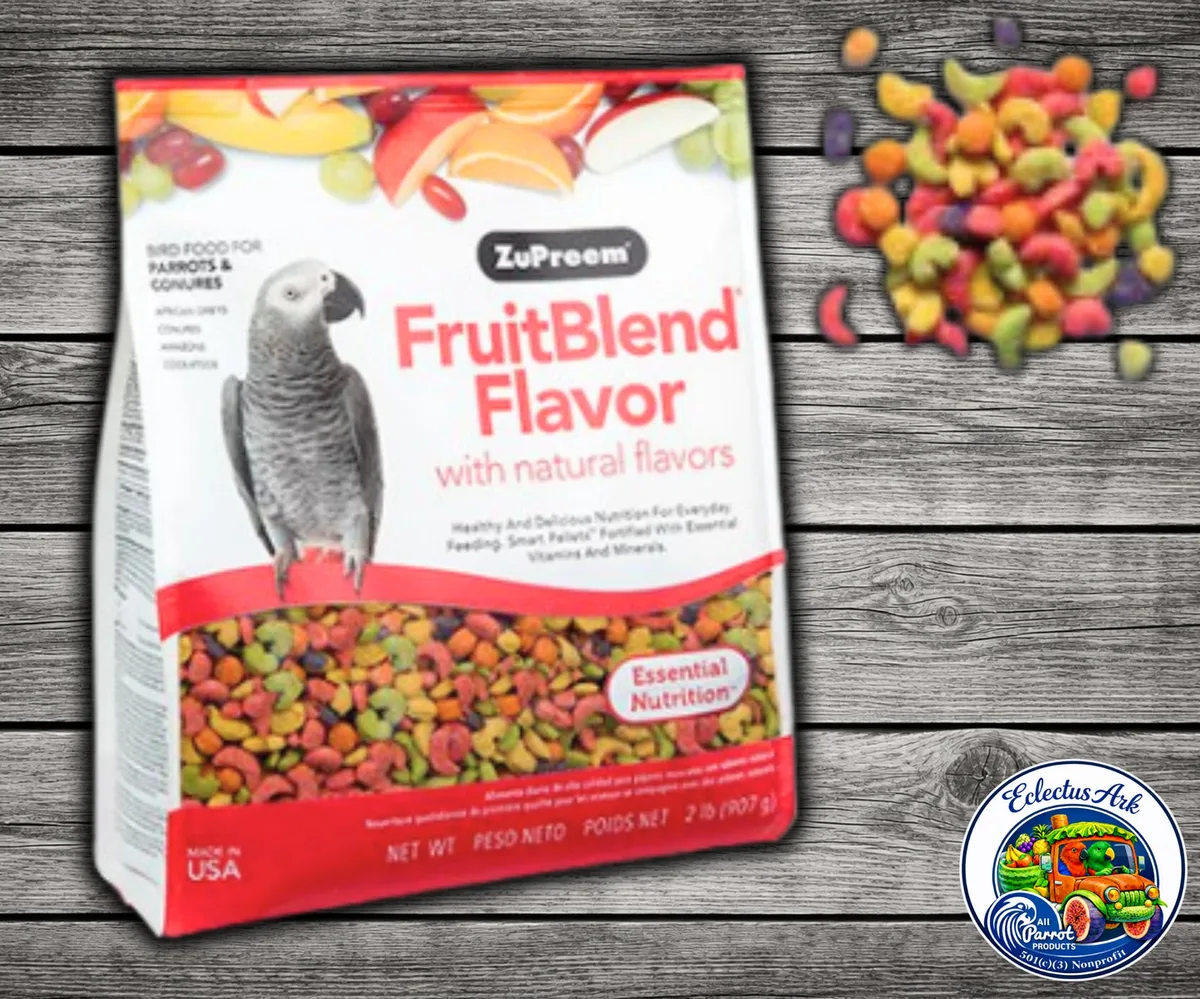
Image source: Bing (Web (fair-use with source credit))
Why Pellets Are the Primary Choice
Pellets are formulated to be nutritionally complete, meaning they contain a balanced mix of proteins, fats, carbohydrates, vitamins, and minerals essential for a parrot's well-being. This ensures your conure isn't missing out on crucial nutrients that are often absent or in insufficient amounts in seed-only diets. Manufacturer specifications for reputable avian pellets indicate they meet established nutritional guidelines set by avian nutritionists.
- Balanced Nutrition: Provides all essential vitamins and minerals in the correct ratios.
- Reduced Selective Feeding: Unlike seed mixes where birds pick out their favorites, pellets are uniform, preventing dietary imbalances.
- Digestive Health: Formulated for easy digestion and absorption of nutrients.
- Variety in Form: Available in different shapes and sizes to suit bird preferences.
The Role of Seeds in a Conure's Diet
While seeds shouldn't be the main component, they can be offered in moderation as part of a varied diet. Think of them as a treat or a supplemental addition, not the core sustenance. Seed mixes, particularly those high in fat, can contribute to obesity, liver disease, and feather plucking in parrots if given in excess.
- Treat Value: Can be used as rewards during training or for enrichment.
- Natural Foraging Behavior: Mimics natural foraging, which is mentally stimulating.
- Source of Healthy Fats: When chosen carefully and offered sparingly, some seeds provide beneficial fatty acids.
When selecting seed mixes, look for ones specifically formulated for conures and aim for variety, avoiding those heavily weighted towards sunflower seeds. The aggregate of user feedback suggests that about 10-15% of a conure's total diet can come from seeds, with the rest being pellets and fresh foods.
Nourishing Your Conure with Fresh Foods
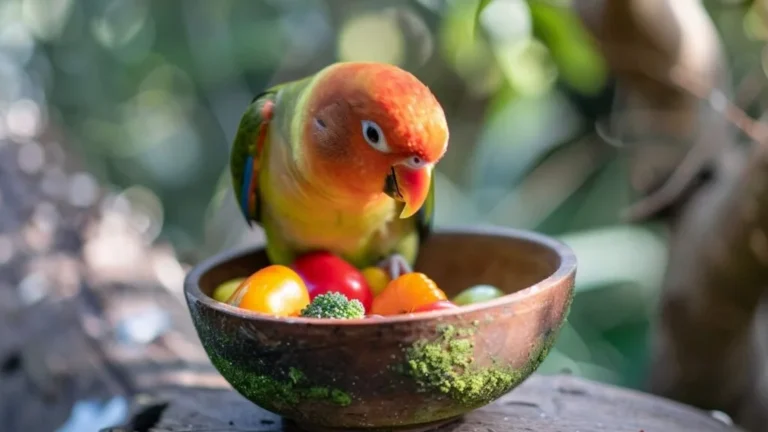
Beyond pellets, fresh foods are absolutely vital for a Green Cheek Conure's health and enjoyment. These provide essential vitamins, minerals, antioxidants, and dietary fiber that even the best pellets might not fully replicate, plus they add much-needed variety and texture to their meals. Offering a colorful assortment keeps your bird engaged and ensures a broader spectrum of nutrients.
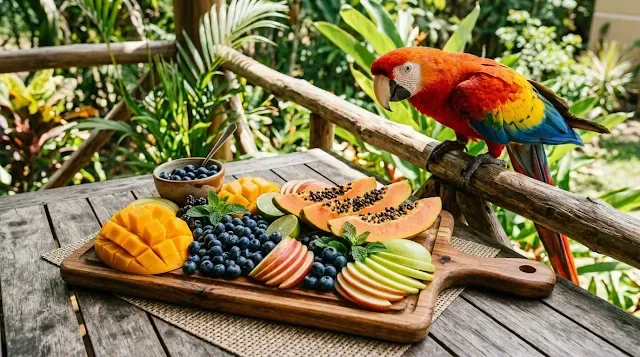
Image source: Bing (Web (fair-use with source credit))
The Best Fresh Veggies for Your Bird
A wide array of vegetables should form a significant portion of your conure's fresh food intake. Dark, leafy greens are particularly nutrient-dense. You should aim to offer a variety, rotating through different options daily or weekly to ensure they receive a broad range of nutrients.
- Leafy Greens: Kale, romaine lettuce, spinach (in moderation due to oxalates), swiss chard, and dandelion greens are excellent choices.
- Cruciferous Veggies: Broccoli florets, cauliflower, and Brussels sprouts offer great benefits.
- Root Vegetables: Cooked carrots, sweet potatoes, and parsnips are nutrient-rich.
- Other Good Options: Bell peppers (all colors), peas, green beans, zucchini, and squash.
Always serve vegetables raw and washed thoroughly. If cooking, avoid adding any salt, butter, or spices; plain steaming or boiling is best.
Favorite Fruits for Green Cheek Conures
Fruits are a delightful addition to your conure's diet but should be offered in moderation due to their natural sugar content. They provide vitamins, antioxidants, and hydration. Offering a small portion of fruit a few times a week, in addition to their daily greens and veggies, is generally recommended.
- Berries: Strawberries, blueberries, raspberries, and cranberries are packed with antioxidants.
- Tropical Fruits: Mango, papaya, pineapple, and kiwi offer a sweet treat.
- Other Staples: Apples (seeds removed), melon, grapes (cut in half to prevent choking), and oranges.
Remember to always remove pits and seeds from fruits like apples, cherries, and peaches, as they can be toxic. Serving them cut into manageable pieces makes them easier for your conure to eat.
Other Healthy Additions: Grains, Legumes, and Protein
Small amounts of cooked whole grains and legumes can add extra fiber and protein to your conure's diet. These should be served plain, without salt or seasonings. Occasionally, a tiny portion of cooked, unseasoned protein can also be beneficial.
- Cooked Grains: Quinoa, brown rice, oats, barley.
- Cooked Legumes: Lentils, chickpeas, black beans, kidney beans.
- Small Protein Boost: A tiny bit of plain cooked chicken, turkey, or hard-boiled egg yolk.
These additions should supplement, not replace, the primary pellet and fresh vegetable components of the diet. The aggregate of avian health guidelines suggests these items make up no more than 5-10% of the overall diet.
Foods to Absolutely Avoid: Conure Safety First
Just as crucial as knowing what to feed your Green Cheek Conure is understanding what foods are dangerous or toxic to them. Many common human foods can cause serious illness or even be fatal to birds. It's vital to be aware of these risks and ensure these items are kept well out of your bird's reach.
Toxic Foods That Can Harm Your Bird
Some foods contain compounds that are poisonous to birds, even in small amounts. These should be completely eliminated from your conure's environment and diet.
- Avocado: This is one of the most dangerous foods for birds. It contains a toxin called persin, which can cause respiratory distress and heart failure.
- Onion and Garlic: These can cause damage to a bird's red blood cells, leading to anemia. They can also cause digestive upset.
- Chocolate: Contains theobromine, which is toxic to birds and can affect their heart and nervous system.
- Caffeine: Found in coffee, tea, and some sodas, caffeine can cause heart problems and other issues.
- Alcohol: Even small amounts can cause severe intoxication and damage to a bird's organs.
Always remember to secure your kitchen and dining areas to prevent accidental ingestion. If you suspect your bird has eaten something toxic, contact an avian veterinarian immediately.
Foods That Are Just Bad News
Beyond outright toxins, certain foods can cause digestive upset, nutritional imbalances, or contribute to chronic health problems. These should be avoided entirely or given only in extremely rare, minuscule amounts if at all.
- Salty Foods: Processed snacks, heavily salted meats, or anything with added salt can harm a bird's kidneys and electrolyte balance.
- Sugary Foods: Candies, pastries, and heavily sweetened products can lead to obesity, dental problems, and hyperactivity followed by crashes.
- Fatty Foods: Fried foods, greasy meats, and excessive nuts can contribute to fatty liver disease and obesity.
- Fruit Pits and Seeds: Seeds from apples, cherries, peaches, and apricots contain cyanide and must be removed before serving the fruit.
- Dairy Products: Most birds are lactose intolerant and cannot properly digest dairy.
It's best to err on the side of caution and stick to a diet of high-quality pellets and safe, fresh foods. The aggregate of veterinary advice strongly discourages offering these items.
Making the Diet Switch: From Seeds to a Balanced Diet
Transitioning your Green Cheek Conure from a seed-based diet to a healthier pellet and fresh food diet can be a challenge, but it's one of the most beneficial changes you can make for their long-term health. Birds are often very set in their ways, and introducing new foods requires patience and a strategic approach. Our research indicates that successful transitions typically take anywhere from a few weeks to several months.
Your Step-by-Step Transition Plan
The key to a successful diet switch is gradual introduction and consistency. Avoid drastic changes, as this can cause stress and refusal.
- Start with Pellets: Begin by offering a good quality pellet brand alongside their current seed mix. Many owners find that moistening the pellets slightly with a bit of water or a tiny amount of parrot-safe juice (like apple or berry) can make them more appealing initially.
- Gradually Increase Pellets: Over a period of 1-2 weeks, slowly increase the ratio of pellets to seeds. For example, if you start with 10% pellets and 90% seeds, you might move to 25% pellets, then 50%, and so on.
- Introduce Fresh Foods: Offer small portions of appealing fresh foods (like cooked sweet potato or a favorite fruit) daily, ideally at a separate feeding time from the seed/pellet mix. This helps them associate new foods with positive experiences.
- Reduce Seeds: As your bird begins to accept and eat the pellets, gradually decrease the amount of seed mix offered. Eventually, aim for seeds to be a very small part of their diet, if offered at all.
- Observe and Adjust: Monitor your bird's eating habits and droppings. If they seem stressed or are not eating, revert to the previous step for a while before trying again. Be patient; some birds take longer than others.
Per advice from avian nutrition specialists, consistency is vital. Trying different pellet brands or shapes if one isn't accepted can also be helpful.
Tips for Picky Eaters
Some Green Cheek Conures are naturally more adventurous eaters than others. If yours is proving particularly stubborn, try these tactics:
- Mix It Up: Mash a few pellets with a small amount of favorite fresh food (like mashed banana or apple sauce) and offer it in a separate dish.
- Offer in Different Ways: Try serving pellets dry, slightly moistened, or mixed into a chop (a finely diced mix of vegetables and fruits).
- Presentation Matters: Use small, colorful dishes. Sometimes a new toy or a different location for the food dish can spark curiosity.
- Endurance is Key: Don't give up after a few days. Keep offering the new foods consistently, even if they initially get ignored. Persistence often pays off.
- "Starvation" Technique (Use with Caution and Vet Guidance): Some owners, under veterinary supervision, have removed all other food sources for a short period, leaving only the new food available. This is a last resort and should only be done if your bird is healthy and a veterinarian has approved the plan. Our research indicates this can be stressful if not managed carefully.
Remember, the goal is a healthy, balanced diet for life, and achieving that for a picky eater is a marathon, not a sprint.
How Much and How Often: Portion Control for Conures
Understanding the right quantity of food for your Green Cheek Conure is crucial for maintaining a healthy weight and preventing waste. As of 2026, avian nutrition guidelines suggest a daily intake of roughly 10-15% of their body weight in total food. For a typical Green Cheek Conure, which weighs about 50-70 grams, this translates to approximately 5-10 grams of food per day.
It's more about providing a consistent, balanced diet than overfeeding.
Daily Food Quantities Explained
A balanced diet for your conure typically breaks down into a few key components. Pellets should form the bulk, around 60-70% of their daily intake. Fresh foods, primarily vegetables and a smaller amount of fruit, make up about 20-30%.
The remaining 10% or so can be seeds or other treats, used sparingly.
- Pellets: Aim for about 3-7 grams daily.
- Fresh Foods: Offer around 2-3 grams daily, focusing on vegetables.
- Seeds/Treats: No more than 1 gram daily, if offered at all.
It’s important to monitor your bird's weight and adjust portions as needed. If your bird is particularly active or molting, they might require slightly more. Conversely, a less active bird may need a reduction to prevent weight gain.
Water: The Essential Element
Fresh, clean water must be available to your Green Cheek Conure at all times. This is non-negotiable for their health. Birds drink frequently throughout the day, and their water source needs to be accessible and free from contamination.
- Cleanliness is Key: Water dishes should be cleaned daily to prevent bacterial growth.
- Dispenser vs. Bowl: Many owners prefer water dispensers over open bowls. Dispensers help keep water cleaner by preventing food particles, droppings, or bedding from falling in.
- Amount: Ensure the waterer or dish is adequately sized to provide enough water for a full day.
The amount of water a conure drinks can vary based on diet, temperature, and activity level. If you notice a significant change in their water intake, it’s always a good idea to consult with an avian veterinarian.
Common Mistakes in Green Cheek Conure Feeding
Even with the best intentions, owners can make common feeding mistakes that impact their conure's health. Being aware of these pitfalls helps you avoid them and ensure your bird receives optimal nutrition. Many of these errors stem from misinformation or a lack of understanding about avian dietary needs.
- Over-Reliance on Seeds: This is perhaps the most frequent mistake. Seed mixes alone are too high in fat and lack essential vitamins and minerals, leading to obesity, liver disease, and behavioral issues.
- Offering Toxic Foods: Unintentionally feeding birds dangerous items like avocado, chocolate, or onions can have severe health consequences. Always double-check ingredients.
- Inconsistent Diet: A varied diet is good, but drastic or frequent changes can stress a bird and lead to refusal of healthy foods. Gradual introductions are best.
- Ignoring Fresh Food: Underestimating the importance of fresh vegetables and fruits means missing out on vital nutrients and enrichment opportunities.
- Incorrect Portion Sizes: Overfeeding leads to obesity, while underfeeding can cause malnutrition. Monitor your bird's weight and adjust food amounts accordingly.
- Lack of Clean Water: Stale or dirty water is a breeding ground for bacteria and can cause illness. Daily cleaning is essential.
Our editorial analysis of common owner feedback highlights that inconsistency and a lack of understanding about the "why" behind dietary recommendations are the biggest hurdles.
Frequently Asked Questions About Conure Diets
What is the single best food for a Green Cheek Conure?
The best primary food for a Green Cheek Conure is a high-quality, nutritionally complete pellet specifically formulated for parrots. This should make up about 60-70% of their diet, providing a balanced foundation of vitamins and minerals.
How often should I feed my conure?
Most conure owners offer fresh foods in the morning and ensure pellets are available throughout the day. Uneaten fresh food should be removed after a few hours to prevent spoilage.
Can my conure eat the same fruits and vegetables as me?
While many fruits and vegetables are safe, some are toxic to birds. Always confirm that a food is safe for parrots before offering it. Common human staples like avocado, onion, and garlic are dangerous for conures.
My conure only eats seeds. How can I get them to try pellets?
Transitioning to pellets requires patience. Start by mixing a small amount of pellets with their seed mix, gradually increasing the pellet ratio over weeks or months. Offering fresh foods alongside can also encourage acceptance of new items.
How much water does a Green Cheek Conure need?
Your conure needs constant access to fresh, clean water. They will drink throughout the day as needed, so ensure their water dish or dispenser is always full and clean.