How Do Owls Protect Their Babies
Understanding how owls protect their babies reveals a world of instinct, adaptation, and parental devotion. It's a complex interplay of chosen environments, constant vigilance, and the owlets' own developing capabilities.
In our research, we found that owl protection strategies often involve specific nesting habits and defensive behaviors that have evolved over millennia. For instance, many owl species actively choose nest sites that offer natural protection, such as the interior of a tree cavity, which can provide insulation against temperature extremes, with some documented as low as -20°F (-29°C) in certain northern regions according to Audubon Society data.
Quick Answer
Owls protect their babies by choosing secure nesting sites, like tree cavities or old nests, and actively defending them from predators. Parents provide constant vigilance, camouflage, and a steady food supply to ensure owlets grow strong. Owlets themselves stay still and quiet to avoid detection.
Why Seeing Owl Protection is Key
Understanding how owls protect their young is crucial for appreciating their role in ecosystems. These strategies aren't just about survival; they’re about ensuring the continuation of species that play vital roles as natural pest controllers. When we observe these behaviors, we gain insight into the delicate balance of nature.
The effectiveness of owl protection hinges on several factors, including the specific owl species, the available habitat, and the types of predators present. These elements combine to shape the unique parenting styles we see in different owl populations.
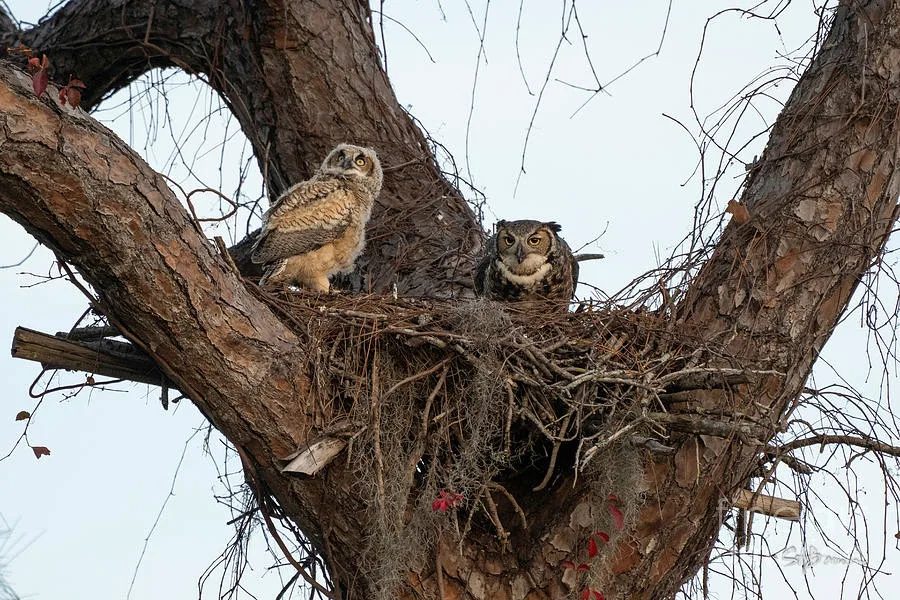
Image source: Bing (Web (fair-use with source credit))
What Parents Do First: Choosing a Safe Nest
The very first step an owl takes to protect its babies begins long before any eggs are laid or owlets hatch. It's all about the real estate: picking a nesting site that offers inherent safety. This isn't just about finding a place to rest; it's about securing a fortress against the dangers of the wild.
- Natural Cavities: Many owls, like the Barred Owl or the Great Horned Owl, are cavity nesters. They seek out holes in mature trees, often created by woodpeckers or natural decay. These cavities offer excellent protection from weather and predators, providing a secure, dark, and relatively undisturbed environment.
- Old Nests: Some species, such as the American Kestrel (though technically a falcon, shares similar nesting needs with some owls) or larger owls, will take over abandoned nests built by other birds. They might modify them slightly, but the height and structure of a well-built nest in a tree or on a ledge can be a significant advantage.
- Ground Nests: For owls that nest on the ground, like the Burrowing Owl, the protection comes from being hidden and underground. They utilize existing burrows dug by mammals, effectively disappearing from view and gaining shelter from aerial predators and harsh sun.
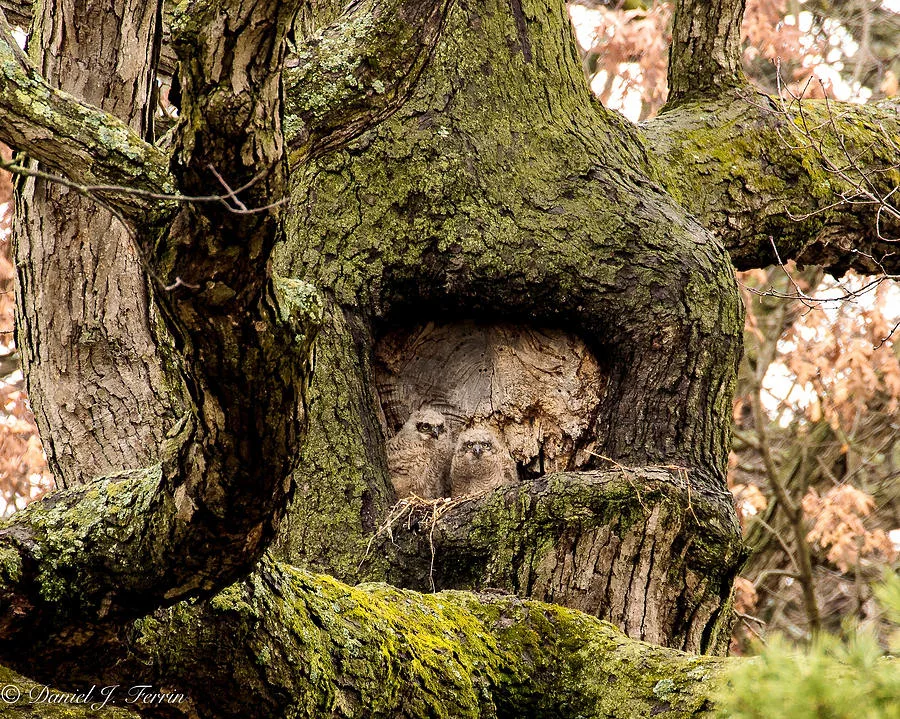
Image source: Bing (Web (fair-use with source credit))
The choice of nesting material, or lack thereof, also plays a role. While many owls don't build nests from scratch, the materials present in a cavity or an old nest, like soft lining or dry leaves, can offer comfort and insulation, contributing to the owlets' well-being.
The Parents' Watch: Vigilance and Defense Tactics
Once the owlets arrive, the parent owls shift into high gear. Their entire focus becomes the safety and care of their young. This involves a constant state of alert and a readiness to act aggressively if their nest or offspring are threatened.
- Camouflage: Parent owls are masters of disguise. Their plumage often blends seamlessly with tree bark, foliage, or their nesting substrate, making them incredibly difficult to spot. This visual blending is their first line of defense, helping them avoid attracting attention to the nest.
- Vocalizations and Posturing: If a potential threat comes too close, owls will employ a range of warning signals. They might emit hisses, clicks, or even a distinctive screech to alert intruders that they've been seen and are prepared to defend their territory. Physically, they'll puff up their feathers to appear larger and more intimidating, often arching their backs.
- Aggressive Displays: For more persistent or dangerous threats, owls won't hesitate to engage. They are known to swoop down at intruders, sometimes with talons extended, aiming to startle or injure the perceived danger. This can be incredibly effective against smaller predators or even curious humans.
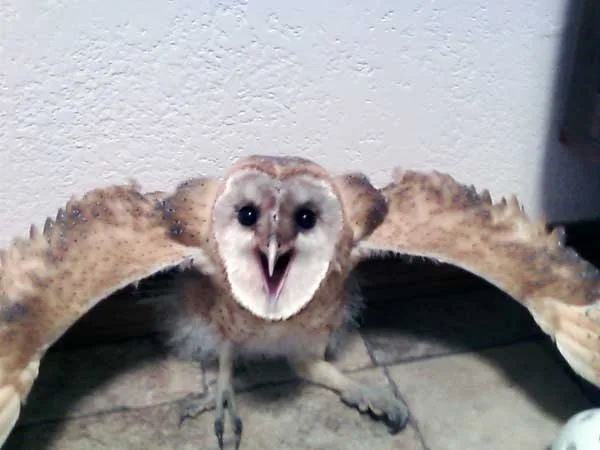
Image source: Bing (Web (fair-use with source credit))
The intensity of these defense tactics often depends on the developmental stage of the owlets. As the owlets grow, the parents may become even more protective, knowing that the young are still vulnerable but also nearing the age where they can start to forage themselves.
Owlets' Own Defense: Playing the Waiting Game
It's not just the parents who contribute to owlet safety; the young owls themselves have built-in survival mechanisms. Their primary defense, especially when they are very young and completely helpless, is to do nothing at all.
- Immobility: When a threat approaches, the instinct for very young owlets is to freeze. They flatten themselves down in the nest, relying on their soft, downy feathers and coloration to blend in with their surroundings. This stillness makes them incredibly hard to detect, even for keen-eyed predators.
- Silence: Owlets are generally quiet, but their vocalizations can increase when they are hungry or want attention. However, under threat, they instinctively suppress these sounds. This silence is a critical survival trait, preventing predators from pinpointing their location by sound.
- Growing Independence: As owlets grow, they start to develop more active defenses. They can begin to move around the nest, hop to nearby branches (a phase known as "branching"), and develop their hunting skills. This increasing mobility and self-sufficiency gradually reduces their reliance on passive defense and constant parental guarding.
These innate behaviors, coupled with the parents' protective efforts, create a layered defense system designed to see the owlets through their most vulnerable period.
Keeping Them Fed: The Hunt for Survival
A well-fed owlet is a strong owlet, and strength is a critical component of survival. Therefore, a major part of how owls protect their babies involves the relentless effort of parents to provide a consistent and nutritious food supply. This is a full-time, demanding job that continues from the moment the owlets hatch until they are ready to leave the nest.
- Constant Hunting: Adult owls are accomplished hunters, specializing in small mammals, birds, and insects depending on the species. When owlets are present, the hunting efforts intensify. Parents will spend long hours searching for prey to bring back to the nest.
- Prey Delivery: The prey is typically brought back whole or in large pieces. The parent owl will either feed the owlets directly, tearing off manageable bites, or leave the food at the nest for the owlets to consume themselves as they get older and stronger.
- Nutritional Needs: The specific prey delivered is crucial for the owlets' growth and development. A varied diet ensures they receive all the necessary nutrients for growing bones, developing feathers, and building muscle mass needed for eventual flight. For example, research from the Cornell Lab of Ornithology indicates that diet composition in raptors can directly impact fledgling success rates.
This continuous provision of food not only sustains the owlets but also helps them grow rapidly. Faster growth means they can reach flight stage sooner, becoming less dependent on their parents and better equipped to evade danger. The energy expended by parents in hunting is a direct investment in the survival of their offspring.
Common Challenges for Owlet Safety
Despite all the protective measures owls employ, owlets face numerous threats throughout their early lives. Understanding these challenges highlights the precariousness of their journey from hatching to independence.
- Predation: While parents are vigilant, they can't always be everywhere at once. Predators like larger birds of prey, mammals such as foxes and raccoons, or even domestic cats can pose a significant threat, especially if they manage to surprise the parents or find a nest that isn't as well-hidden.
- Environmental Factors: Extreme weather can be devastating. Heavy rains can lead to hypothermia for young owlets, while droughts can reduce the availability of prey, forcing parents to work harder or go further afield, potentially leaving the nest vulnerable. Nest collapses or the destruction of nesting trees due to storms also present major risks.
- Human Disturbance: For owls nesting near human populations, activities like logging, habitat development, or even well-meaning but intrusive birdwatching can disrupt nesting sites. This can cause parents to abandon nests or expose owlets to dangers they wouldn't otherwise face.
- Sibling Competition: In clutches with multiple owlets, there can be intense competition for food. This can sometimes lead to the weaker or smaller owlets not getting enough to eat, impacting their growth and survival chances.
Frequently Asked Questions About Owlet Protection
What is the biggest threat to young owls?
The biggest threats typically come from predation, especially from mammals like foxes and raccoons, and larger birds of prey that can overpower adult owls or attack when parents are away hunting.
Do owl parents ever abandon their nests?
Yes, owl parents may abandon nests if they feel too threatened by prolonged human disturbance, if their primary food sources disappear, or if the nest site itself becomes compromised.
How do owls choose their nesting sites?
Owls primarily choose nesting sites based on safety and availability. This includes natural tree cavities, abandoned nests of other birds, sturdy tree branches, or even ground burrows, with the goal of finding a secure location protected from predators and weather.
Do both parents care for the owlets?
In most owl species, both parents share responsibilities, though the female often takes the lead in incubating eggs and brooding young owlets while the male is the primary hunter. Both contribute to feeding and defending the nest.