Where Do Owls Sleep During the Day
When you picture an owl, you probably imagine it hunting under the cloak of darkness. But where do owls sleep during the day? These magnificent nocturnal predators find quiet, secluded spots to rest and conserve energy, largely unseen by the bustling world.
Understanding their daytime habits helps us appreciate their secret lives and the importance of their habitats.
Owls are primarily nocturnal, meaning they're most active at night. But like all creatures, they need rest. Their daytime roosting is a critical part of their survival strategy, allowing them to recharge for their nightly hunts.
It’s not just about finding a cozy spot; it’s about strategic concealment. According to the Cornell Lab of Ornithology, a leading institution in ornithological research, owl roosting behavior is key to their survival and energy management.
Quick Answer
Owls sleep in sheltered, camouflaged locations during the day. They often choose tree hollows, dense foliage, or even man-made structures. These roosts provide protection from predators and the elements.
The specific location depends on the owl species and its environment.
Understanding Owl Daytime Roosting
Owls are primarily nocturnal, meaning they're most active at night. But like all creatures, they need rest. Their daytime roosting is a critical part of their survival strategy, allowing them to recharge for their nightly hunts.
It’s not just about finding a cozy spot; it’s about strategic concealment.
Why Seeing Owls During the Day Requires Knowing Where They Hide
Spotting an owl during daylight hours is a special treat for many nature enthusiasts. Since they're active hunters at night, they're naturally trying to be inconspicuous during the day. They choose roosting spots that blend in perfectly with their surroundings, making them incredibly hard to find unless you know what to look for.
This camouflage is their primary defense mechanism when they're most vulnerable.
What Owls Look For in a Daytime Roost
Our research indicates that owls prioritize safety and shelter when selecting a daytime roost. This means finding a place that offers:
- Camouflage: The roost should blend seamlessly with the environment, making the owl difficult for predators or even curious humans to spot. Think bark textures, leaf patterns, or shadowed alcoves.
- Shelter from Elements: Protection from harsh sun, wind, and rain is crucial. This helps them maintain body temperature and stay comfortable.
- Protection from Predators: The chosen spot should minimize exposure to ground predators like foxes or other birds of prey that might be active during the day. High perches or enclosed spaces are ideal.
- Perching Spots: A stable branch, ledge, or cavity edge where the owl can comfortably rest, often with good visibility of its surroundings, is essential.
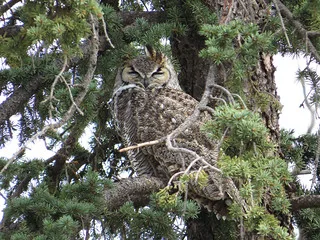
Image source: Bing (Web (fair-use with source credit))
Common Roosting Spots: A Visual Guide
Owls are remarkably adaptable, and their roosting choices reflect the diverse environments they inhabit. While you might imagine them perched on a bare branch, their true resting spots are often more hidden and specific. Visualizing these locations is key to understanding their behavior.
Tree Hollows and Cavities
These are prime real estate for many owl species. A natural hollow in an old tree offers complete concealment and protection. Species like Screech Owls and Barn Owls frequently use these enclosed spaces to sleep soundly, undisturbed by the daylight.
Dense Foliage and Evergreens
For owls that don't rely on cavities, the dense cover of trees, especially evergreens like pines and spruces, provides excellent daytime shelter. The thick needles and branches create a natural curtain, hiding the owl from view. This is a common roosting strategy for species like Barred Owls and Great Horned Owls.
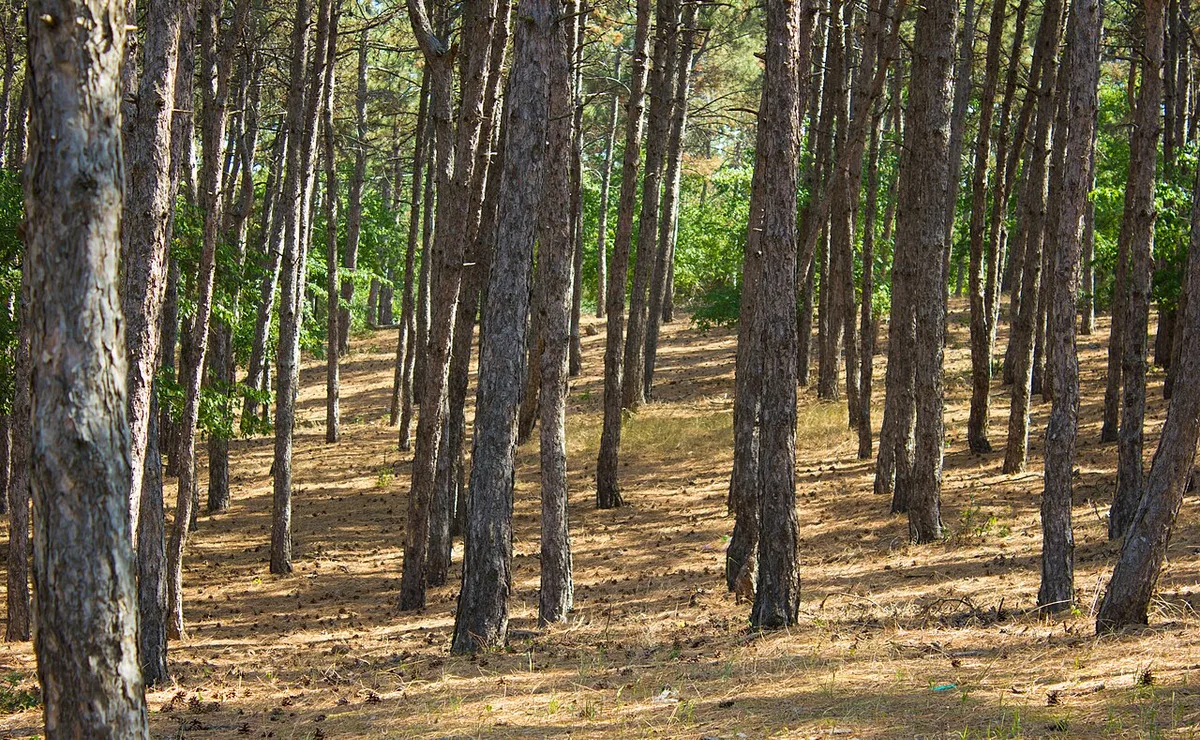
Image source: Wikimedia Commons / policarbonat21 (CC BY-SA)
Under Bridges and Structures
In areas where natural tree cover is scarce, some adaptable owl populations have learned to utilize man-made structures. Bridges, old barns, and abandoned buildings can offer the quiet, dark, and sheltered conditions owls seek for their daytime rest. Barn Owls, in particular, are known for roosting in these types of locations.
Rocky Outcroppings and Cliffs
For certain owl species that inhabit more rugged terrain, natural rock formations provide ideal roosting sites. Overhangs, crevices, and caves within cliffs offer both concealment and protection from the elements and predators. This is particularly true for species like Burrowing Owls, which might also use abandoned burrows.
Image source: Web (Bing) / pinterest.com (Web image (fair-use with source credit))
Not a Nest: Differentiating Roosting from Nesting
It's easy to confuse where an owl sleeps with where it raises its young. While both require safe spaces, roosting and nesting serve distinct purposes and often occur in different locations. Understanding this difference is fundamental to understanding owl behavior.
Why Owls Need a Safe Place to Sleep
Daytime roosting is all about survival and energy conservation for owls. They spend their nights hunting, which is an energy-intensive activity. To be at their best, they need undisturbed rest during daylight hours.
A good roost prevents them from becoming prey themselves and allows them to maintain their energy levels.
How Their Roost Choice Protects Them
The selection of a roosting site is an evolutionary strategy honed over millennia. A well-chosen roost offers multiple layers of protection. For instance, a Great Horned Owl might choose a sturdy branch in a dense pine tree.
This perch provides height, shielding it from ground predators. The thick needles offer camouflage, breaking up its outline and making it hard to spot from below or the sides. Similarly, a Barn Owl in an old barn uses the dark rafters to hide from aerial predators and the bright sun, effectively creating a safe daytime sanctuary.
This careful selection ensures they can rest without constant threat.
The Art of Observation: Finding Owls Without Disturbing Them
Spotting an owl during its daytime rest is a rewarding experience for anyone interested in wildlife. However, it requires patience, keen observation skills, and a deep respect for the bird's need for peace. The key is to look for clues that an owl is present without directly disturbing its slumber.
What to Look For (Besides the Owl)
Since owls are masters of camouflage, you're more likely to find them by spotting indirect signs. Look for a scattering of white droppings (called "pellets" or "mutes") directly below a likely perch. These droppings are a telltale sign that an owl has been roosting in that spot.
Also, keep an eye out for discarded prey remains, like feathers or bones, which owls sometimes leave near their roost. Listen for the calls of smaller birds, as they might be agitatedly mobbing an owl that has settled nearby for the day.
When and Where to Look for Daytime Roosts
The best times to attempt spotting an owl during the day are typically the early morning or late afternoon, when light conditions can still be a bit dim. Think about the types of habitats owls prefer: mature forests, wooded areas near water sources, dense thickets, or even quiet, secluded parts of parks and suburban areas with mature trees. Look for large, old trees, especially those with cavities or thick, overgrown branches that offer dense cover.
Common Mistakes Birdwatchers Make
The most common mistake people make is getting too close. Owls are highly sensitive to disturbance, especially when roosting. Getting too near can stress the bird, causing it to abandon its roost or even fail to get adequate rest.
This stress can impact its hunting success and overall health. Another mistake is assuming an owl will be out in the open; they are experts at blending in. Searching too quickly or making loud noises will also scare them off before you even have a chance to spot them.
Remember, our goal is observation, not interaction.
Protecting Owl Roosting Habitats
The places where owls find rest during the day are just as vital as their hunting grounds. Protecting these areas is crucial for the long-term survival of owl populations. We all play a role in ensuring these silent hunters have the peace they need.
Why Habitat Matters for Owl Sleep
When an owl's preferred roosting sites are destroyed or degraded, they face significant challenges. Loss of mature trees, for example, means fewer cavities for nesting and fewer dense branches for daytime shelter. Urban sprawl and extensive logging can fragment habitats, forcing owls into less suitable areas or closer to human activity, increasing stress and the risk of predation.
Maintaining healthy, undisturbed habitats is paramount for their ability to rest and thrive.
How We Can Help Conserve Their Spaces
There are several ways we can contribute to owl habitat conservation. Supporting organizations that work on land preservation and wildlife corridor creation is a direct impact. Even on a smaller scale, advocating for the preservation of mature trees in local communities or supporting responsible land management practices can make a difference.
Avoiding unnecessary disturbance in known owl habitats, especially during daylight hours, is also a key practice. Educating others about the importance of these spaces further amplifies conservation efforts.
Frequently Asked Questions About Owl Roosting
Do owls sleep at night?
Owls are primarily nocturnal hunters, meaning they are most active during the night. They typically roost and sleep during the day to conserve energy for their nighttime activities.
Can you find owls sleeping during the day?
Yes, it is possible to find owls sleeping during the day, but it requires careful observation. They choose well-camouflaged and secluded spots, so you need to look for subtle signs rather than expecting to see them easily.
Why do owls choose specific roosting spots?
Owls choose roosting spots based on factors like camouflage, protection from weather, and safety from predators. The specific requirements vary by owl species and the available habitat.
Is it harmful to disturb an owl's roost?
Yes, disturbing an owl's roost can be very harmful. It causes stress, can make them abandon the roost, and disrupts their essential rest, negatively impacting their hunting success and overall health.