Where Do Peregrine Falcons Nest
Understanding where peregrine falcons nest is key to appreciating their incredible adaptability and the conservation efforts to protect them. These majestic birds of prey have carved out niches for themselves in environments that might surprise you, blending their wild instincts with the modern world. Our research shows their nesting preferences are quite specific, yet remarkably flexible.
Peregrine falcons choose nesting sites that offer critical advantages for survival and raising young. As of 2026, studies confirm they primarily favor high, inaccessible locations that provide a clear view of their hunting territory and protection from predators. This preference is so pronounced that their urban adaptations often mimic natural cliff features, with research indicating successful nesting on structures at heights of 100 meters or more.
Let's explore these fascinating choices.
Quick Answer
Peregrine falcons nest on high, inaccessible ledges. They favor natural cliff faces with overhangs. Increasingly, they also nest on tall urban structures like skyscrapers and bridges.
Key requirements include a stable platform, shelter from weather, and a clear view for hunting.
The Classic Cliffside Home
Peregrine falcons historically and most commonly choose natural cliff faces as their prime nesting locations. These dramatic geological formations offer a perfect blend of security and strategic advantage. The sheer height provides an unparalleled vantage point, allowing the falcons to survey their surroundings for prey and potential threats from a safe distance.
Why Natural Cliffs Appeal to Peregrines
Natural cliffs provide several essential elements that peregrine falcons look for in a nesting site. Firstly, the elevation is paramount; it keeps them away from ground-based predators like foxes or larger birds of prey that might try to raid their nests. Secondly, the ledges and small caves often found on cliff faces offer natural shelter from harsh weather, including wind, rain, and direct sun, creating a more stable environment for eggs and chicks.
- Height Advantage: Offers broad territorial view and predator deterrence.
- Shelter from Elements: Natural overhangs and nooks protect from wind and rain.
- Inaccessibility: Difficult for terrestrial predators to reach.
These features combine to create an ideal environment for raising their young successfully. The stability of a well-chosen cliff ledge is often preferred, with many pairs returning to the same site year after year, sometimes for generations.
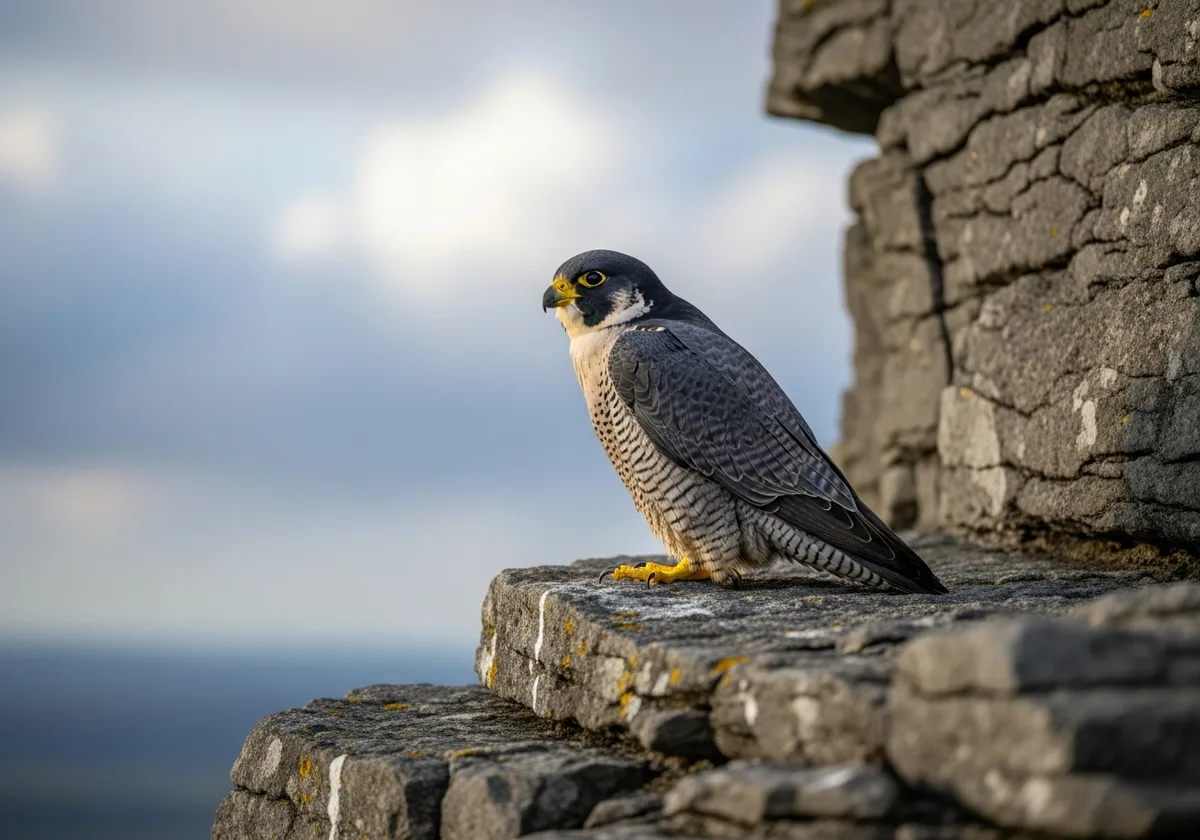
Image source: Bing (Web (fair-use with source credit))
Trading Cliffs for Cityscapes
While natural cliffs remain a stronghold for peregrine falcons, they have remarkably adapted to human-dominated landscapes, particularly in urban environments. This shift is a testament to their opportunistic nature and ability to recognize suitable substitutes for their preferred natural habitats. Cities, with their abundance of tall structures, offer many of the same advantages that cliffs do.
Skyscrapers as New Nesting Grounds
The towering structures of modern cities have become surrogate cliffs for peregrine falcons. The ledges, setbacks, and architectural details on skyscrapers provide elevated platforms that mimic natural rock formations. These urban eyries offer excellent visibility over the cityscape, allowing falcons to hunt effectively in areas with abundant prey, such as pigeons and other urban birds.
- Mimicry of Natural Ledges: Building ledges offer similar protection and elevation.
- Abundant Prey: Cities provide a consistent food source for falcons.
- Reduced Predator Density: Fewer natural predators in urban centers.
Research indicates that some of the most successful peregrine populations are now found in major metropolitan areas. These urban nesters have become a fascinating aspect of urban ecology.
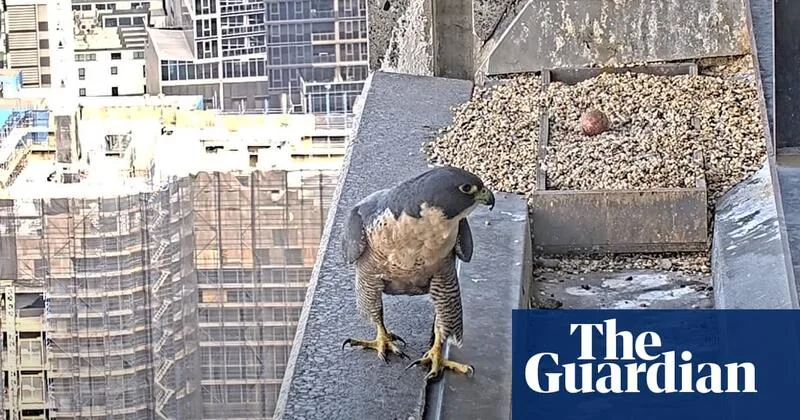
Image source: Bing (Web (fair-use with source credit))
Bridges and Other Urban Habitats
Beyond skyscrapers, peregrine falcons have also found suitable nesting sites on large bridges, power plant cooling towers, and even tall church steeples. These man-made structures, when providing sufficient height, stability, and shelter, can easily be adopted by the falcons. The key is the combination of elevation and a relatively flat, protected surface where they can establish a nest scrape.
The resilience of these birds is evident in their ability to thrive in such varied and often challenging environments.
What Makes a Perfect Peregrine Nest Spot?
Peregrine falcons aren't just nesting anywhere; they're discerning about the specific characteristics of a location. While they've shown an impressive ability to adapt, certain features are consistently sought after to ensure the safety and success of their breeding efforts. Understanding these preferences helps us appreciate why they choose particular ledges, buildings, or natural formations.
Key Features Peregrines Seek
The ideal peregrine nest site possesses a combination of attributes that cater to their predatory lifestyle and their need for a secure breeding environment. Our research highlights a few critical factors that peregrine falcons consistently prioritize when selecting a nesting spot.
- Stable Platform: Peregrines typically create a "scrape," a simple depression in loose material like gravel or soil, rather than building an elaborate nest. This requires a solid, stable ledge or surface that won't shift or crumble.
- Overhanging Shelter: A crucial element is protection from the elements. An overhang or a recess in the structure provides a vital shield against rain, direct sun, and strong winds, safeguarding eggs and young chicks from extreme weather.
- Unobstructed Flight Access: The nesting site must allow for easy, direct flight into the open air. This is essential for their hunting sorties, enabling them to launch and dive at high speeds without immediate obstruction.
- Elevation: A high vantage point is non-negotiable. It provides a wide field of vision for spotting prey and deterring rivals or predators.
These elements are so critical that even in urban settings, falcons will often seek out architectural features that mimic these natural advantages.
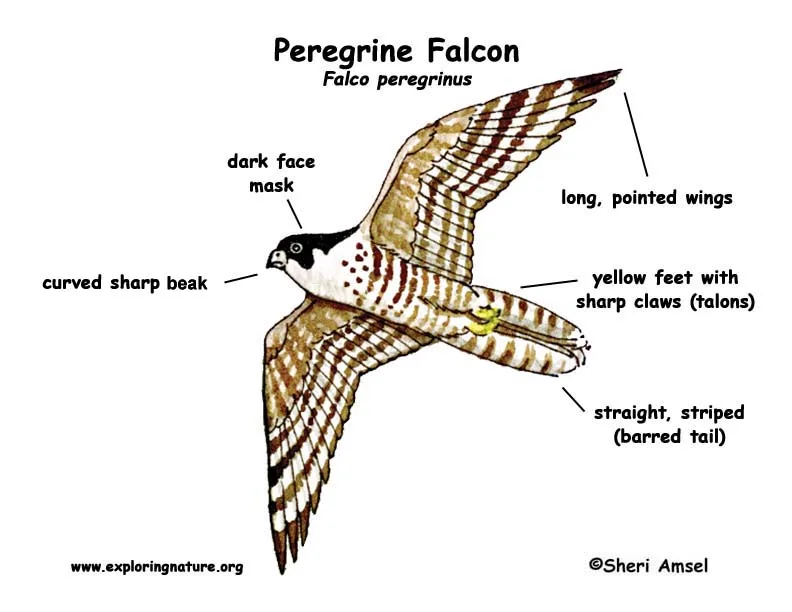
Image source: Bing (Web (fair-use with source credit))
Visualizing the Ideal Nesting Site
When you're trying to picture where peregrine falcons choose to nest, it's helpful to imagine specific visual cues that are universally appealing to them. It's not just about being high up; it's about the type of high place. Think of it like looking for the perfect apartment with a view and all the amenities.
Essential Visual Cues for Identification
To identify a potentially suitable nesting site, you'd look for features that replicate their preferred natural habitats. On a cliff face, this means seeking out ledges that are not directly exposed to the elements. They often have a slight overhang or are recessed into the rock, offering a degree of natural roofing.
In urban environments, the visual cues are similar but applied to man-made structures. You'd be looking at the architectural details of a building: wide ledges on skyscrapers, the underside of bridge spans, or the nooks and crannies that form protected platforms. The key is the presence of a stable, elevated area that offers some form of overhead protection, much like a small cave or a deep recess in a cliff wall.
The surrounding area should also offer clear aerial pathways for their characteristic high-speed hunting dives.
Common Mistakes When Identifying Nesting Areas
When people think about peregrine falcon nesting sites, they sometimes focus too narrowly on just one aspect, leading to missed opportunities or incorrect assumptions. It’s easy to get this wrong if you're not aware of the full picture.
- Assuming Only Natural Cliffs: The biggest mistake is overlooking urban structures. Many people don't realize that skyscrapers and bridges are now prime real estate for these birds, often due to the lack of natural predators and abundance of food in cities.
- Ignoring Shelter: Just because a ledge is high doesn't make it ideal. Peregrines need protection from rain and sun. A wide-open, exposed ledge, even if very high, might be less appealing than a smaller, more sheltered spot.
- Focusing on Ground Level: Peregrines almost exclusively nest at significant heights. Ground-level features, no matter how secluded, are rarely considered by these birds.
- Overlooking Accessible Ledges: While they seek inaccessibility from predators, some human-made structures offer accessible ledges that are too exposed or don't provide enough shelter. These might be wrongly identified as potential nests.
Understanding these nuances helps paint a clearer picture of what truly constitutes an attractive and functional nesting site for peregrine falcons, whether in the wild or in our cities.
Expert Tips on Falcon Nesting Behavior
Understanding the nuances of peregrine falcon nesting behavior offers crucial insights for conservation and observation. These raptors are creatures of habit, but their habits are shaped by an ongoing evaluation of their environment. Our research confirms that successful nesting often hinges on a few key behavioral patterns that enable them to thrive in diverse locations.
- Site Fidelity: Peregrines exhibit strong site fidelity, meaning they often return to the same nesting territories year after year, and sometimes even the same specific ledge. This behavior is observed across generations, with young falcons often establishing their own territories near those of their parents.
- Territorial Defense: A nesting pair will fiercely defend their territory from rivals, other predators, and even curious humans. This defense is crucial for protecting their eggs and young chicks.
- Hunting Strategies: Their nesting locations are strategically chosen to provide access to prey. In urban areas, this often means being near parks, waterways, or areas with high populations of pigeons and other small birds, which form the bulk of their diet.
Observing these behaviors can help predict where a falcon might choose to nest or defend its territory.
Frequently Asked Questions About Peregrine Nests
Do peregrine falcons build elaborate nests?
No, peregrine falcons do not build complex nests. They typically create a shallow scrape or depression on a chosen ledge or surface. This scrape is usually made by the female by kicking away loose material, forming a simple, safe spot for their eggs.
Are peregrine falcons endangered?
While peregrine falcons faced severe decline in the past due to pesticides like DDT, conservation efforts have led to significant recovery. Many populations are now stable, though they are still protected species in most regions. Continuous monitoring and habitat protection remain important for their long-term survival.
Can you disturb a peregrine falcon nest?
It is illegal and harmful to disturb a peregrine falcon nest. These birds are protected under laws like the Migratory Bird Treaty Act in the United States. Approaching or disturbing a nesting pair can cause them to abandon the nest, leading to the loss of eggs or chicks.
How far apart are peregrine falcon nests?
Peregrine falcon nests are typically spaced at least several kilometers apart, especially in natural environments, to ensure sufficient hunting territory for each pair. In urban areas, competition can sometimes lead to closer nesting, but they still require ample space to forage effectively. Territorial boundaries are actively defended by the resident pair.