How Long Do Bird Eggs Take to Hatch
How long do bird eggs take to hatch? Most people expect one simple answer, but the reality spans a huge range. A chicken egg takes 21 days.
A hummingbird egg takes about 12 days. An ostrich egg takes 42 to 45 days. The spread is remarkable.
Research from the Cornell Lab of Ornithology catalogs incubation periods for hundreds of species, and the data shows that egg size, species type, and climate all play a role. USDA poultry guidelines confirm that temperature, humidity, and turning frequency directly impact hatch success. As of 2026, that dataset remains the gold standard for understanding hatching timelines.
Let's dig into the numbers.

Image source: Web (Bing) / pxhere.com (Web image (fair-use with source credit))
How Long Do Bird Eggs Take to Hatch? (Quick Answer)
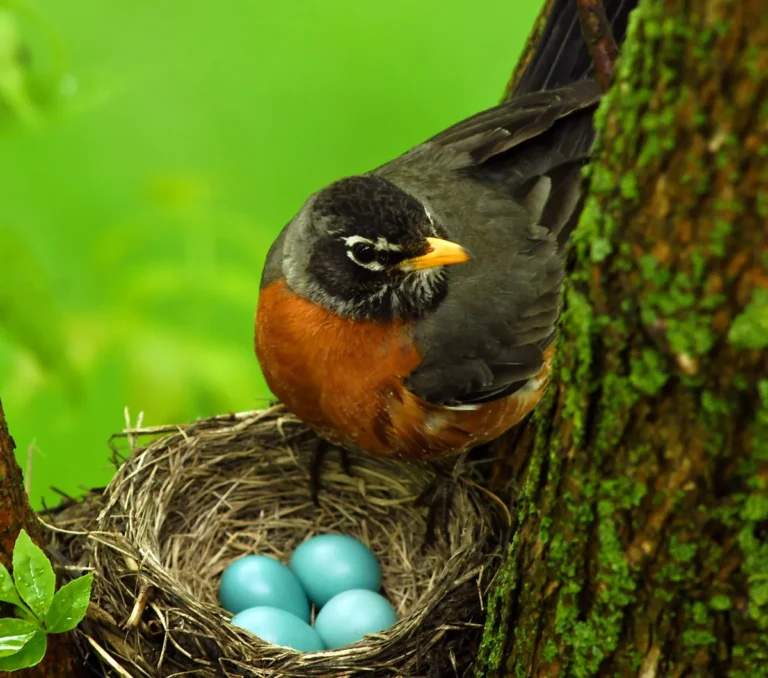
Incubation times vary dramatically by species. Most backyard chicken eggs take exactly 21 days to hatch. Small songbirds like robins and sparrows take just 12 to 14 days.
Larger birds like ostriches take 42 to 45 days. Across all known bird species, hatching times range from 12 to 75 days.
Why Incubation Time Varies So Much Between Species
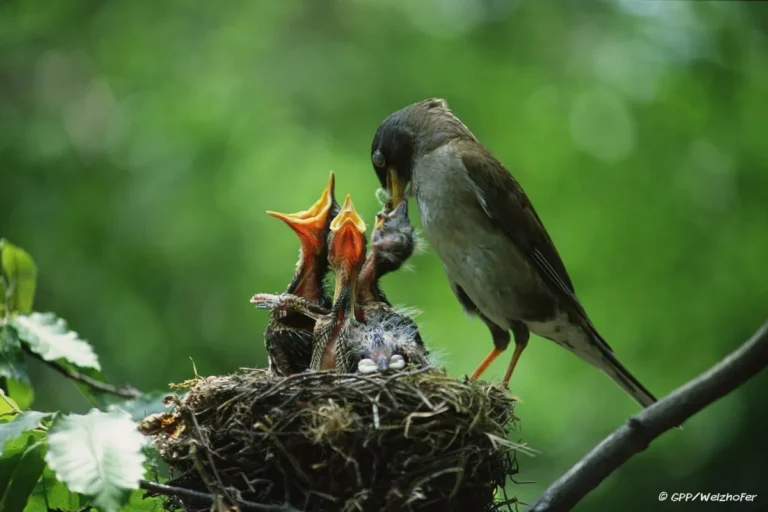
The answer to how long bird eggs take to hatch comes down to one key distinction: altricial vs precocial species. Altricial birds hatch helpless and need extended parental care. Precocial birds hatch with down, open eyes, and the ability to walk almost immediately.
That biological split drives most of the variation in hatching time.
Small altricial species like robins and barn swallows have fast incubation cycles. Their eggs are small, and embryos develop relatively quickly. Precocial species like chickens and ducks take notably longer.
Their eggs need more time for the embryo to fully develop before hatching.
Egg size matters significantly. A hummingbird egg weighs less than one gram. An ostrich egg can weigh up to 1.4 kilograms.
Larger eggs carry more mass, which naturally extends the incubation period.
Egg shell thickness also plays a part. Thicker shells allow slower gas exchange, which can extend incubation. Some species have evolved more porous shells to speed up oxygen delivery to the embryo.
Parental body temperature plays a role too. A chicken's body sits around 105°F. Emperor penguins must maintain warmth in extreme cold through pure metabolic effort.
That kind of thermal challenge can stretch incubation periods substantially.
Environmental conditions like ambient temperature and humidity further influence embryo development. Species living in polar or high-altitude environments have adapted their incubation strategies to compensate for harsher conditions.
Incubation Timeline by Species: Real Numbers

Image source: Bing (Web (fair-use with source credit))
Here's the data that answers how long do bird eggs take to hatch for the most commonly researched species. These incubation periods reflect standard conditions and average outcomes.
| Species | Incubation Period | Notes |
|---|---|---|
| Hummingbird | 12 to 14 days | Fastest known hatching |
| Robin | 12 to 14 days | Small songbird |
| Pigeon | 17 to 19 days | Moderate timeline |
| Chicken | 21 days | Standard domestic breed |
| Macaw | 24 to 26 days | Exotic parrot |
| Turkey | 28 days | |
| Duck (Pekin) | 28 days | Commercial standard |
| Goose | 28 to 35 days | Varies by breed |
| Bald Eagle | 35 days | Raptor species |
| Ostrich | 42 to 45 days | Longest common hatching |
| Emu | 50 to 56 days | Ratite species |
| Albatross | 78 to 80 days | Exceptional duration |
| Kiwi | 75 to 80 days | Longest egg-to-chick ratio |
A few patterns jump out. Small songbirds and hummingbirds consistently hatch fastest. Domestic poultry lands in the 20 to 28 day range.
Large ratites and seabirds take the longest by far.
If you're working with chickens, the 21-day timeline is extremely consistent across breeds. A Silkie might hatch a day early at around 20 days, but most breeds land right on the standard.
What Determines How Long Bird Eggs Take to Hatch
Beyond species, several practical factors directly influence how long bird eggs take to hatch. Understanding these helps you predict hatch dates accurately and avoid costly mistakes.
Temperature is the single biggest factor. Artificial incubation typically runs at 99.5°F (37.5°C) for most poultry species. Too high and embryos develop too fast, leading to early hatching with underdeveloped chicks. Too low and incubation stretches well beyond the normal window.
Humidity affects the hatch window. Standard incubation calls for 50 to 55% humidity during the early and middle stages. During lockdown and hatching, humidity should rise to 65 to 70%. Improper humidity leads to sticky hatches, early pipping, or chicks that simply can't emerge.
Egg turning frequency matters. Natural parents turn eggs every one to two hours. In artificial incubation, eggs should be turned three to five times daily. Failing to turn eggs leads to embryo membrane adhesion and developmental deformities.
Egg age at setting impacts viability. Fresh eggs stored for seven days or fewer at cool temperatures show the highest hatch rates. Per USDA research and poultry improvement guidelines, hatch rates drop significantly beyond that window.
Genetics and breed selection can also shift timelines. Some breeds have been selected for longer or shorter incubation, though these differences are usually one day at most.
Artificial Incubation vs. Natural Nesting
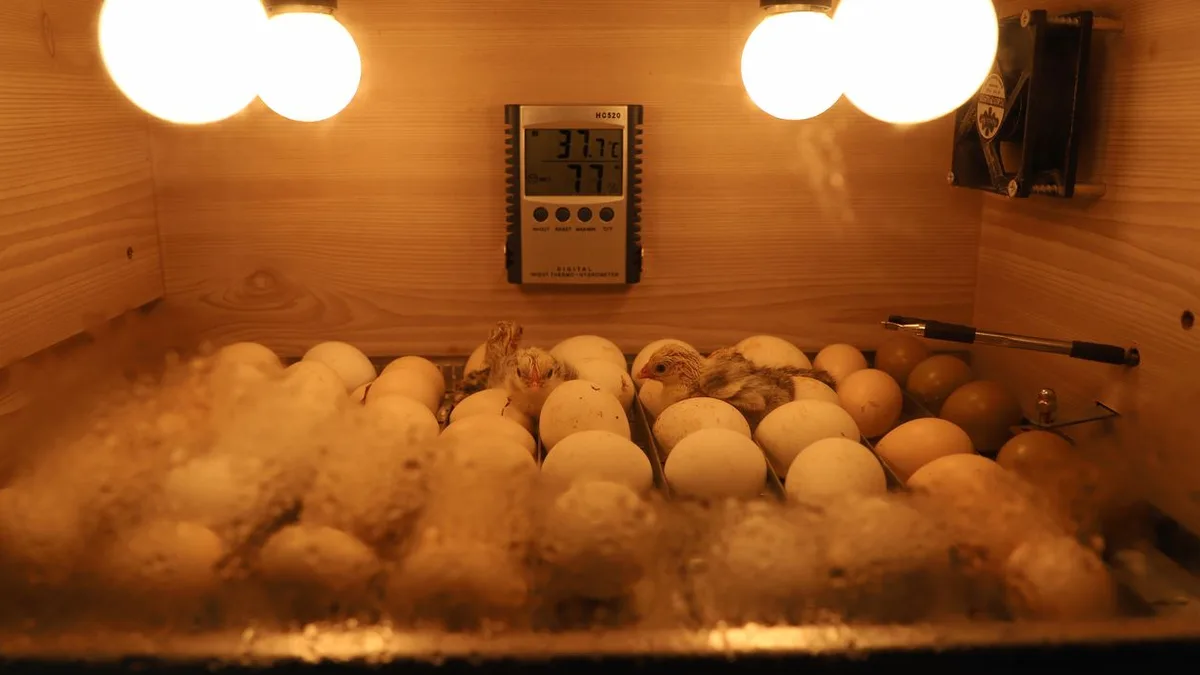
Image source: Bing (Web (fair-use with source credit))
When asking how long do bird eggs take to hatch, most people are weighing two methods: letting parents handle it naturally, or using an incubator. Each approach has clear strengths and trade-offs.
Natural Incubation
Parent birds handle incubation instinctively. A broody hen will sit on eggs for the full 21 days without prompting. Wild birds follow species-specific schedules set by millions of years of evolution.
The biggest advantage here is simplicity. You don't need equipment, and the parent handles temperature and humidity automatically.
The downside is control. You can't adjust conditions if something goes wrong. Weather events, predator disturbance, or a hen abandoning the nest can ruin a clutch.
For wild species, intervention isn't practical or legal in many regions.
Artificial Incubation
An incubator gives you full control over temperature, humidity, and turning. For backyard chicken keepers, this means predictable hatch dates and higher success rates when conditions are managed correctly.
Artificial incubation does require investment and attention. You need a reliable incubator, a hygrometer, and daily monitoring. Equipment failure during incubation can be devastating to a clutch.
Best for backyard poultry keepers who want predictable timelines and full control over conditions.
Best for wild species observation where parent-rearing is the only ethical option.
Common Hatching Mistakes and How to Avoid Them
Even with the right species timeline, a few mistakes derail hatching more often than anything else. Aggregate hatchery data shows that most failed hatches trace back to just a handful of errors.
Temperature and Humidity Fluctuation
The most common mistake is letting temperature drift. A few degrees above 100°F can push embryos to develop too fast. A few degrees below slows things down enough to kill the embryo outright.
Per PennState Extension guidance, temperature should be checked at least twice daily with a calibrated thermometer. Humidity errors cause their own set of problems. Too low and eggs dry out.
Too high and chicks struggle to absorb yolk properly.
The sweet spot for most poultry is 50 to 55% during early incubation, rising to 65 to 70% during lockdown.
Failure to Turn Eggs
Egg turning is non-negotiable. Without it, the embryo sticks to the shell membrane and deforms. Natural parents handle this instinctively.
In an incubator, you need an automatic turner or a strict manual schedule.
Set a phone reminder. Turn eggs three to five times daily. Never skip days.
Opening the Incubator During Lockdown
Lockdown starts three days before the expected hatch date. At that point, you stop turning eggs and stop opening the incubator. Every time you open it, temperature and humidity spike.
Both fluctuations harm chicks that are already struggling to pip.
This is where patience pays off. Aggregate reviews from backyard hatchers consistently report that premature intervention causes the most post-lockdown failures.
Misidentifying Species Incubation Time
Setting a timer based on the wrong species timeline leads to premature removal or unnecessary worry. If you're hatching mixed eggs from different species, track each species separately. An ostrich egg sitting 21 days means nothing yet.
It still needs another three weeks.
Pro Tips for Getting Hatching Time Right
The difference between a good hatch and a great one comes down to a few small practices that experienced keepers swear by.
Calibrate Your Equipment Before Setting Eggs
Buy a reliable incubator thermometer and hygrometer. Cross-check your readings against a trusted digital thermometer before you set a single egg. Per USDA National Poultry Improvement Plan standards, temperature accuracy within 0.5°F matters for hatch consistency.
Run the incubator empty for 24 hours first. Adjust until readings are stable and correct. This one step prevents dozens of downstream problems.
Store Eggs Properly Before Setting
Egg age at setting directly impacts viability. Store fresh eggs at 55 to 65°F with humidity around 70%. Turn them daily during storage, just like the hen would.
Seven days or fewer is the ideal window. Beyond that, hatch rates drop steadily.
Don't wash eggs before storage. Washing removes the natural protective coating called the bloom. Only clean eggs with warm water and a soft brush if absolutely necessary.
Match Humidity to Your Climate
If you live in a humid environment, your incubator may naturally run wetter than specified. If you're in an arid region, you'll likely need to add water or use wet sponges to keep humidity in range. Read the room, then adjust the machine.
Calculate Hatch Dates for Every Species
Write the setting date and expected hatch date on each incubator tray or log. Chicken eggs set on a Monday hatch the following Sunday, 21 days later. A duck egg set the same day takes another week.
Clear labeling prevents confusion and reduces the urge to check early.
Frequently Asked Questions
How long does a chicken egg take to hatch?
Chicken eggs take exactly 21 days to hatch under normal conditions. Some breeds hatch a day early at around 19 to 20 days, with Silkies being the most common exception. Standard broiler and laying breeds land reliably on day 21.
Can bird eggs hatch early or late?
Yes. Temperature fluctuations are the primary cause. If incubator temperature runs even one to two degrees above normal, embryos can develop faster and pip early.
Cooler conditions stretch incubation by a day or two. Late pipping beyond 24 hours past the expected date usually signals a problem.
What temperature do bird eggs need to hatch?
Most poultry eggs require a consistent 99.5°F (37.5°C) during incubation. Wild species vary depending on the parent bird's body temperature, which can range from 100°F in chickens to over 105°F in some tropical species. Humidity sits at 50 to 55% for most of incubation, rising to 65 to 70% during hatching.
How long do wild bird eggs take to hatch compared to domestic eggs?
Wild songbirds like robins and sparrows hatch in 12 to 14 days. Raptors take 28 to 38 days. Large seabirds and ratites can take over 75 days.
Domestic chickens are actually mid-range at 21 days, making them an unreliable reference point for wild species timing.
When do you stop turning eggs during incubation?
Stop turning eggs exactly three days before the expected hatch date. For chickens, that's day 18. This is called lockdown.
The chick positions itself internally for hatching, and continued turning disrupts that process.
How long does it take a chick to hatch after pipping?
From the first external pip to full hatching takes 12 to 24 hours. The chick needs time to absorb the yolk sac and puncture the air cell. Opening the incubator or helping a chick out of its shell during this window frequently causes fatal injury.