How Do Birds Build Nests
Knowing how birds build nests is one of the most fascinating questions in animal behavior. Without hands, tools, or blueprints, birds weave, sculpt, and assemble structures that shelter their eggs and raise their young from scratch every breeding season.
Research shows that many songbird species complete a simple nest in just 2 days, using materials gathered one piece at a time. The techniques vary wildly by species, but the core process follows a clear pattern. Let's break it down.
Quick Answer
How do birds build nests? Birds collect natural materials like grass, mud, twigs, and spider silk. They shape these materials using their beak and feet.
Most birds build nests during the breeding season. Construction takes 2 days to several weeks depending on species.
What Makes a Bird Build a Nest in the First Place
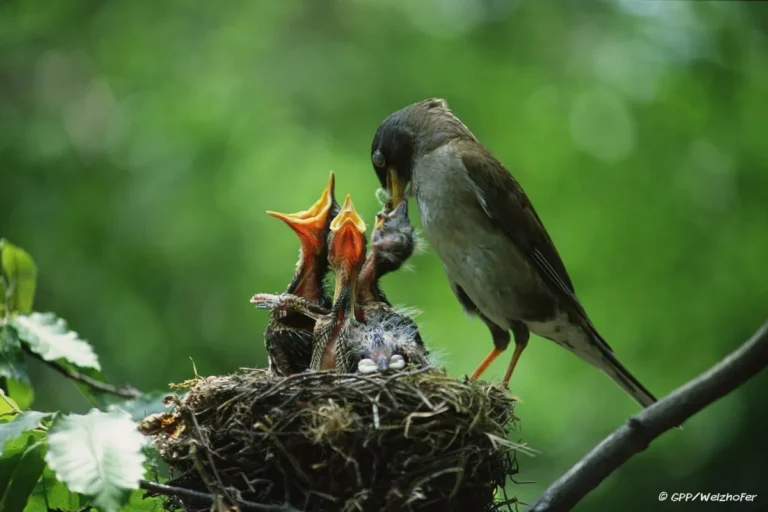
Nest building isn't a choice for most birds. It's hardwired. When a female American Robin feels her reproductive cycle kick in, she starts gathering grass and mud on instinct alone.
The real driver is reproductive success. A nest gives eggs protection from predators and the elements. It also gives hatchlings a stable microclimate while their feathers grow in.
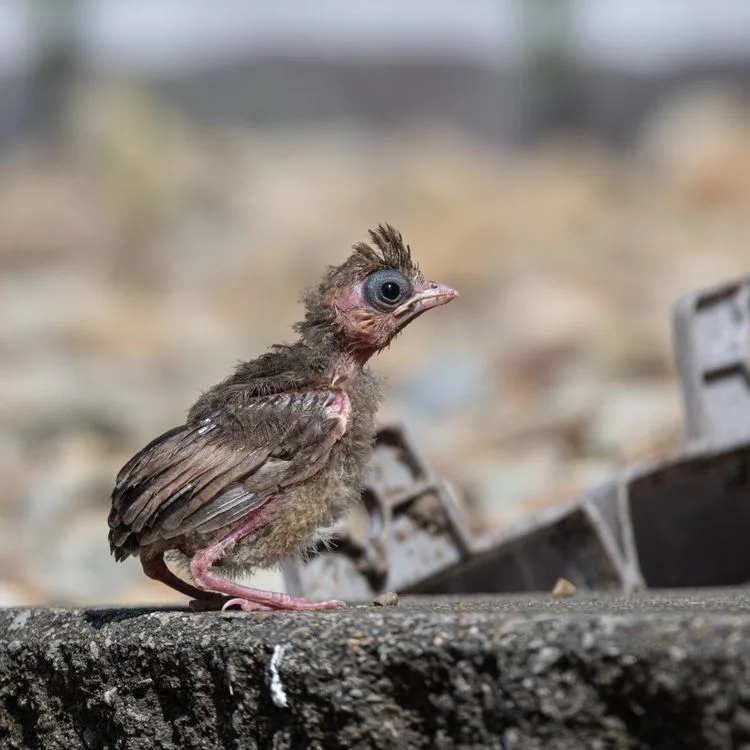
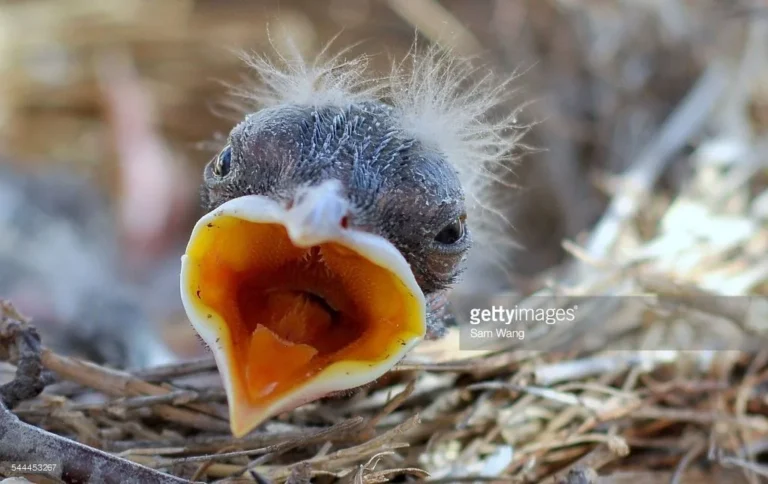
Without a nest, most altricial species (those born naked and helpless) would never make it to fledging.
Predation is one of the biggest threats. Raccoons, snakes, and crows regularly raid nests before chicks can fledge. That pressure pushes birds to build faster, stronger, and smarter structures.
The U.S. Fish and Wildlife Service identifies habitat loss and nest predation as major causes of bird population decline across North America.
Interestingly, brood parasites like the Brown-headed Cowbird skip this step entirely. They lay eggs in other species' nests and let the host do all the work. For the vast majority of birds, though, building a nest is the starting line of everything.
Image source: Web (Bing) / wallpaperaccess.com (Web image (fair-use with source credit))
The Materials Birds Use and How They Choose Them
Birds don't build with just one material. They use a layered approach, choosing different pieces for different jobs. The materials they pick depend entirely on species and environment.
Here's a quick breakdown of common nesting materials:
| Material | Primary Use | Common Species |
|---|---|---|
| Grass and twigs | Structural framework | Robins, sparrows, thrushes |
| Mud and clay | Masonry bonding | Magpie-larks, cliff swallows |
| Spider silk | Reinforcement binding | Sunbirds, hummingbirds |
| Moss and lichen | Camouflage and insulation | Warblers, wrens |
| Feathers and fur | Interior lining | Owls, hawks, woodpeckers |
| Plant fibers | Weaving and construction | Weaver birds, bushtits |
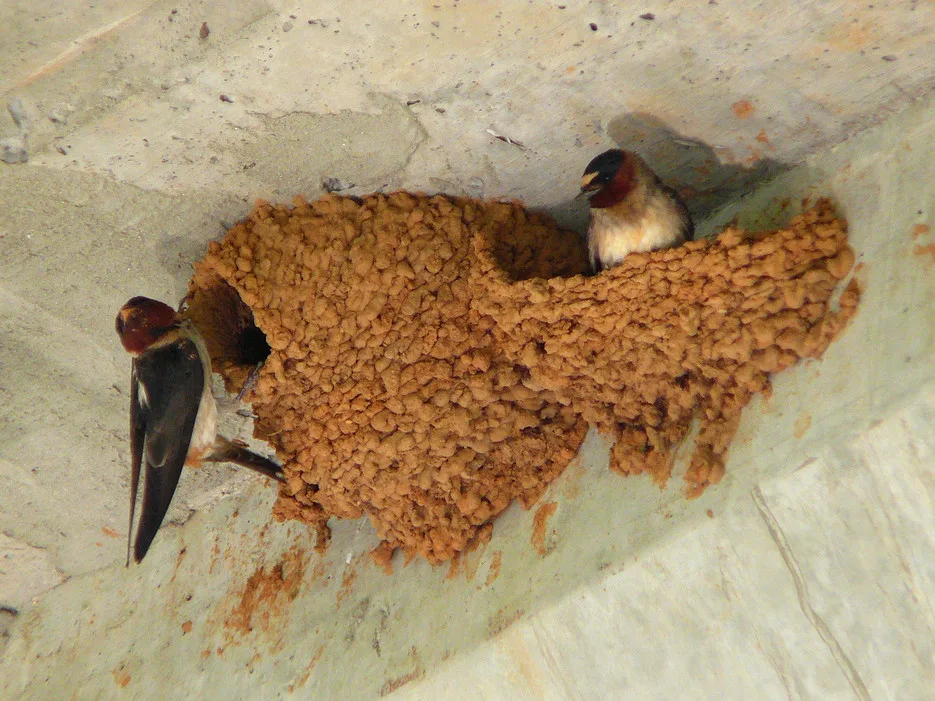
Image source: Bing (Web (fair-use with source credit))
What's remarkable is how selectively birds choose. Research from the Cornell Lab of Ornithology shows that many species pick materials based on specific properties. Tensile strength matters for weaving.
Moisture resistance matters for waterproofing. Flexibility matters for shaping. Swiftlets in Southeast Asia use salivary secretions as natural cement to build nests almost entirely from saliva.
Material choice is never random. Every piece serves a structural purpose.
From Site Selection to Finished Nest: How the Building Process Actually Works
If you want to understand how a nest comes together, follow the building sequence. Most species follow these steps in order:
Site selection. The bird picks a location based on cover, wind exposure, predator access, and microclimate. If the site is too exposed, the nest fails. If it's too hidden, feeding becomes difficult.
Material gathering. Birds collect materials in specific orders. Foundation materials first, like twigs and coarse grass. Then the cup liner, like moss, fur, and feathers. A single American Robin can make dozens of gathering trips per day.
Foundation construction. The bird lays a structural base. Think of it like framing a house before adding walls.
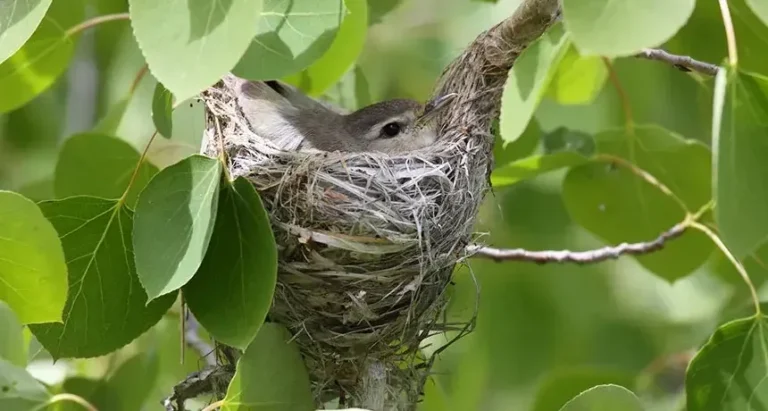
Cup shaping. The bird presses and molds the interior using its body weight and feet. This creates the egg cup, the most critical element for holding eggs securely.
Lining and finishing. Soft materials go inside last for insulation. Spider silk and plant down often serve as the final binding layer.
Camouflage. Many species add a final exterior pass of lichen, bark, or webbing to hide the nest from predators.
Building duration ranges from about 2 days for simple cup nests to 3 or more weeks for complex weaver and masonry structures. The timeline depends on nest complexity and how readily materials are available.
Cup, Dome, Cavity, or Weave: Nest Types Compared
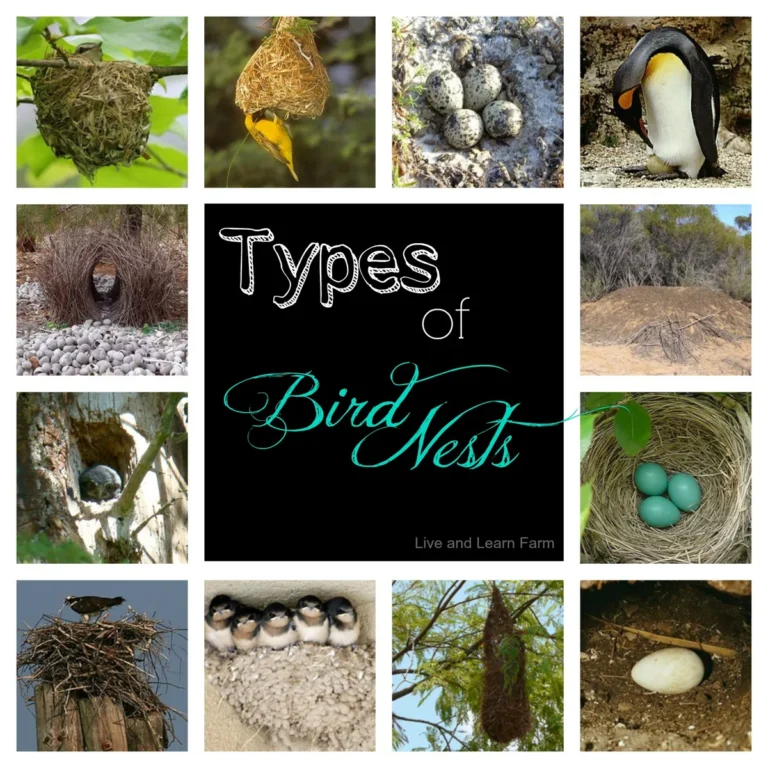
Not all nests look the same. Species have evolved distinct architectural styles that suit their environment and survival strategy. Here are the major types compared:
| Nest Type | Structure | Key Advantage | Best For |
|---|---|---|---|
| Cup | Open, bowl-shaped | Easy to build, good drainage | Open woodland species |
| Dome | Closed with a roof | Weather protection, insulation | Wet or windy environments |
| Cavity | Enclosed in a hole or box | Predator protection | Woodpeckers, owls, swallows |
| Pendant/Weave | Hanging woven basket | Predator avoidance | Weaver birds, sunbirds |
| Platform | Flat or shallow | Supports heavy raptors | Open water and wetlands |
| Ground | Nestled on or in the ground | Camouflage in low vegetation | Ground-nesting species |

Image source: Bing (Web (fair-use with source credit))
The choice between these types follows a clear logic. If you're a small songbird in an open forest, a cup nest gives you speed and drainage. If you're in a windy coastal area, a dome nest buffers rain and cold.
Cavity nesters get predator protection at the cost of limited space.
Each design solves a different environmental problem.
Species-Specific Building: How Different Birds Take Different Routes
The broad process above applies to most birds, but the details tell the real story. A few species are worth knowing:
Weaver birds (Ploceidae). Male weavers weave elaborate hanging nests from strips of grass or palm fronds. They construct multiple nests and display them to attract females. If a female approves, she joins the lining.
If not, she rejects it and the male rebuilds. The Sociable Weaver in South Africa builds massive communal structures that house hundreds of birds and stay occupied for decades.
Ovenbirds (Seiurus aurocapilla). These ground-dwelling songbirds build dome-shaped nests from leaves, bark, and mud. The shape resembles a Dutch oven, which is where their name comes from. The entrance sits near the ground, hidden under leaf litter.
Swiftlets (Aerodramus). As of 2026, swiftlets in Southeast Asia remain the only birds that build nests almost entirely from salivary secretions. These nests are commercially harvested in certain regions.
The takeaway is simple: technique follows species. The broad workflow holds, but the engineering varies dramatically.
What Goes Wrong: Nest Failure, Predation, and Human Impact
Even a well-built nest doesn't guarantee survival. Many songbird species experience nest failure rates between 40 and 70 percent. The causes break down into three main categories.
Predation. Raccoons, snakes, crows, and invasive European Starlings account for the majority of lost nests. A single raccoon raid can wipe out an entire nesting season for a cavity-nesting pair.
Human activity. Habitat destruction removes nesting substrates entirely. Pesticide use reduces the insect prey birds rely on to feed nestlings. Window strikes near nesting areas cause additional losses each year.
Anthropogenic materials. Birds increasingly incorporate plastic, cigarette filters, and synthetic fibers into nests. Entanglement is a real hazard. Lead in yarn or contaminated mud poses direct toxicity risks to developing chicks.
There's one more factor worth knowing. Under the Migratory Bird Treaty Act, disturbing active nests of most wild birds in the US and Canada is federally prohibited. The legal framework exists because nest disturbance causes measurable population-level harm.
Frequently Asked Questions
How long does it take a bird to build a nest?
It depends on the species. An American Robin builds a simple cup nest in about 2 days. A Sociable Weaver colony structure stays occupied and repaired across decades.
Complex woven nests from weaver birds take roughly 3 to 5 days of dedicated labor.
Do both parents build the nest?
Sometimes. In many species, the female builds alone while the male gathers materials or defends territory. Weaver birds are a notable exception where males weave the nest and females choose which one to line.
Roles shift by species.
What happens if a bird's nest is destroyed?
Most birds will attempt a second nest within the same breeding season. If the first attempt fails early in incubation, the pair often rebuilds within days. Repeated failures in the same territory can lead to abandonment of that site entirely.
Why do some birds not build nests?
Brood parasites like Brown-headed Cowbirds and Common Cuckoos lay eggs in other species' nests instead. Bowerbirds build elaborate courtship platforms for display, not for raising young. A few species, like kingfishers, excavate cavities instead of weaving structures.
What is the strongest material birds use in nests?
Spider silk is among the strongest natural fibers known, with a tensile strength of roughly 1.65 gigapascals. Birds like sunbirds and hummingbirds use it to bind nests. It adds remarkable structural integrity despite being hair-thin.
A Practical Framework for Understanding Bird Nest Building
If you want to predict how any bird will build its nest, follow this decision tree. Start with the species. Then ask three questions.
First, where does the bird live? If it's in open woodland, expect a cup or platform nest. If it's in a cliff or coastal region, expect masonry or mud-based construction.
If it's in dense canopy, expect a woven pendant nest.
Second, what materials are locally available? A bird in a reed marsh uses different substrate than one in a desert scrub. Species adapt their technique to whatever the environment offers.
Third, what's the predation risk? High-risk environments push birds toward enclosed dome nests, cavity excavation, or hanging basket designs that are harder for predators to reach. Low-risk ground environments allow simpler, shallower nests.
The framework holds across species as of 2026 because it reflects the same underlying logic every bird follows: match the structure to the environment, optimize materials for the job, and build to protect what matters.