Types of Bird Nests
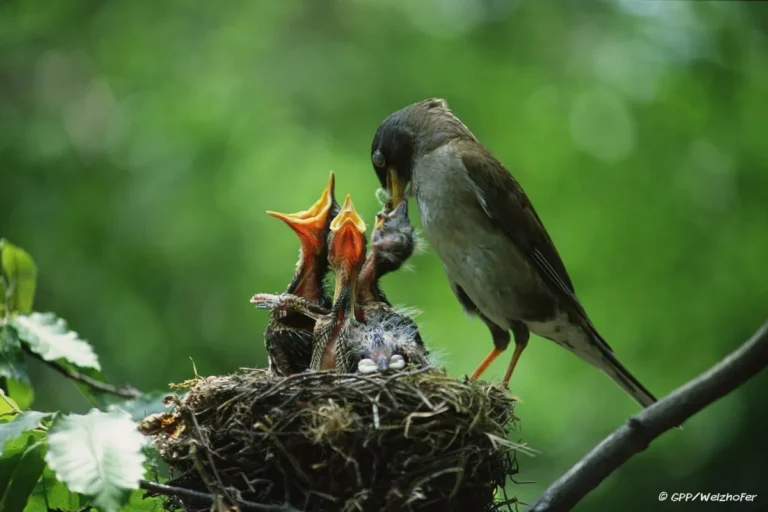
There are seven main types of bird nests, and each one reveals something different about the species that built it. You might spot a cup nest tucked into a shrub, a mud structure glued to a porch beam, or a bulky stick platform high in a tree. These are all bird nests.
But they belong to very different worlds.
Identifying what type of nest you're looking at takes practice. Here's a concrete example of why structure matters. Eastern Bluebirds prefer a 1.25-inch nest box entry hole.
Tree Swallows need 1.5 inches. That half-inch difference tells you everything about which species you're dealing with. Let's break it down.
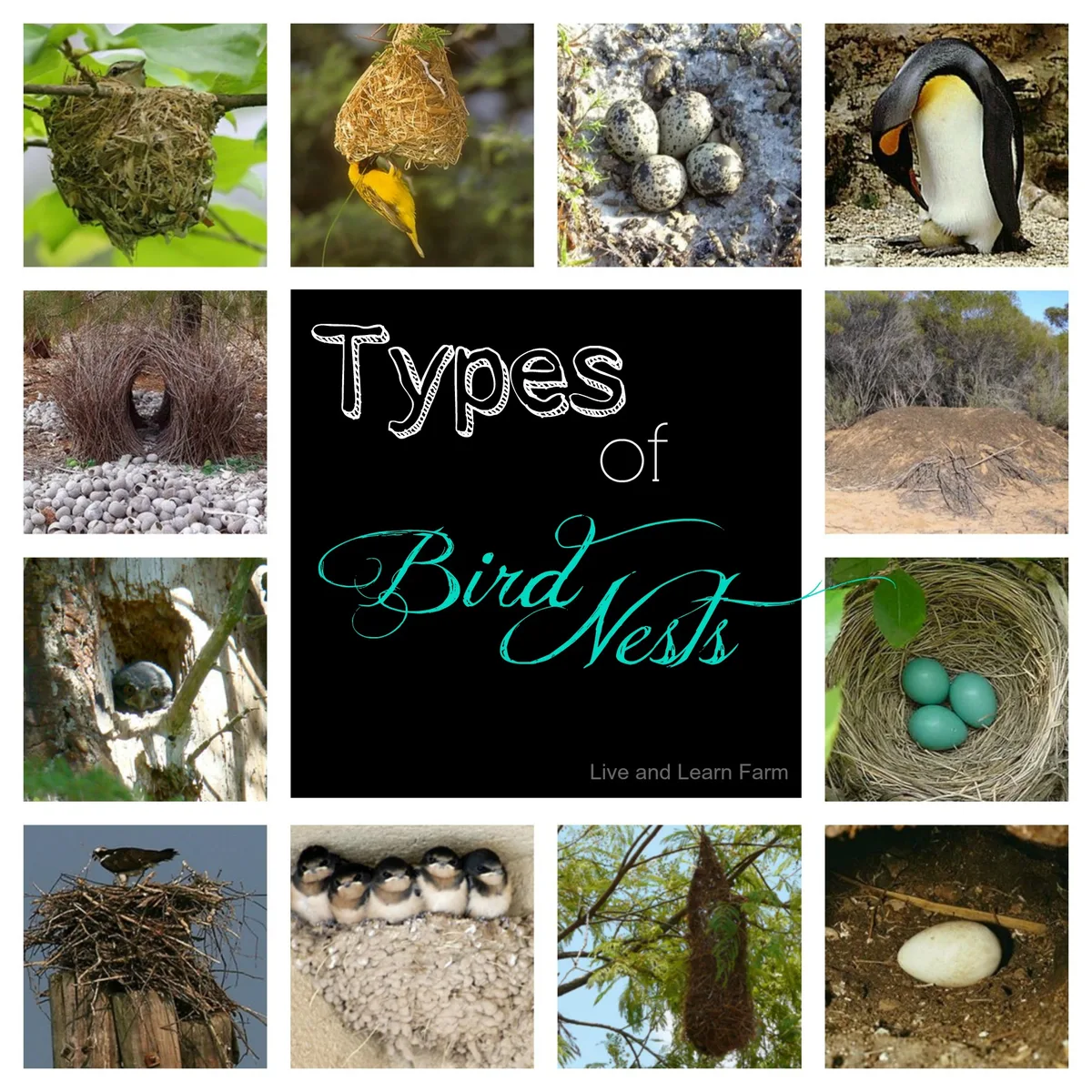
Image source: Bing (Web (fair-use with source credit))
Quick Answer
Types of bird nests fall into seven main categories. They include cup, cavity, pendant, platform, ground, mud, and burrow nests. Cup nests are the most common in North America.
Cavity nesters prefer tree holes or birdhouses. Ground and burrow nests create very different survival challenges.
Why Bird Nest Shape Tells You More Than Species Alone
When you spot a nest, your first instinct is to look for the bird. But the nest itself often tells you more than the bird does. Structure, placement, and materials are powerful identification tools.
A cup nest three feet up in a shrub tells a different story than a mud structure on a porch beam. Both were built by birds. But they belong to completely different species.
The shape and location narrow things down fast.
In our research across ornithological field guides, nest architecture consistently ranks among the top four identification marks. It sits alongside plumage, song, and habitat as a primary diagnostic feature. You don't even need to see the bird.
Visual cues are everything here. Shape narrows the pool immediately. Materials hint at nearby habitats.
Placement height eliminates entire groups of species. A domed cup with fine grass lining points to a songbird, not a raptor or waterbird.
The Cornell Lab's All About Birds resource confirms this approach. As of 2026, nest type remains one of the first fields listed in their species profiles. It sits right next to range and song.
The Seven Main Types of Bird Nests and How to Tell Them Apart
Seven primary nest structures cover the vast majority of species worldwide. Once you know these categories, identification gets much easier. Here's what each one looks like and who builds it.
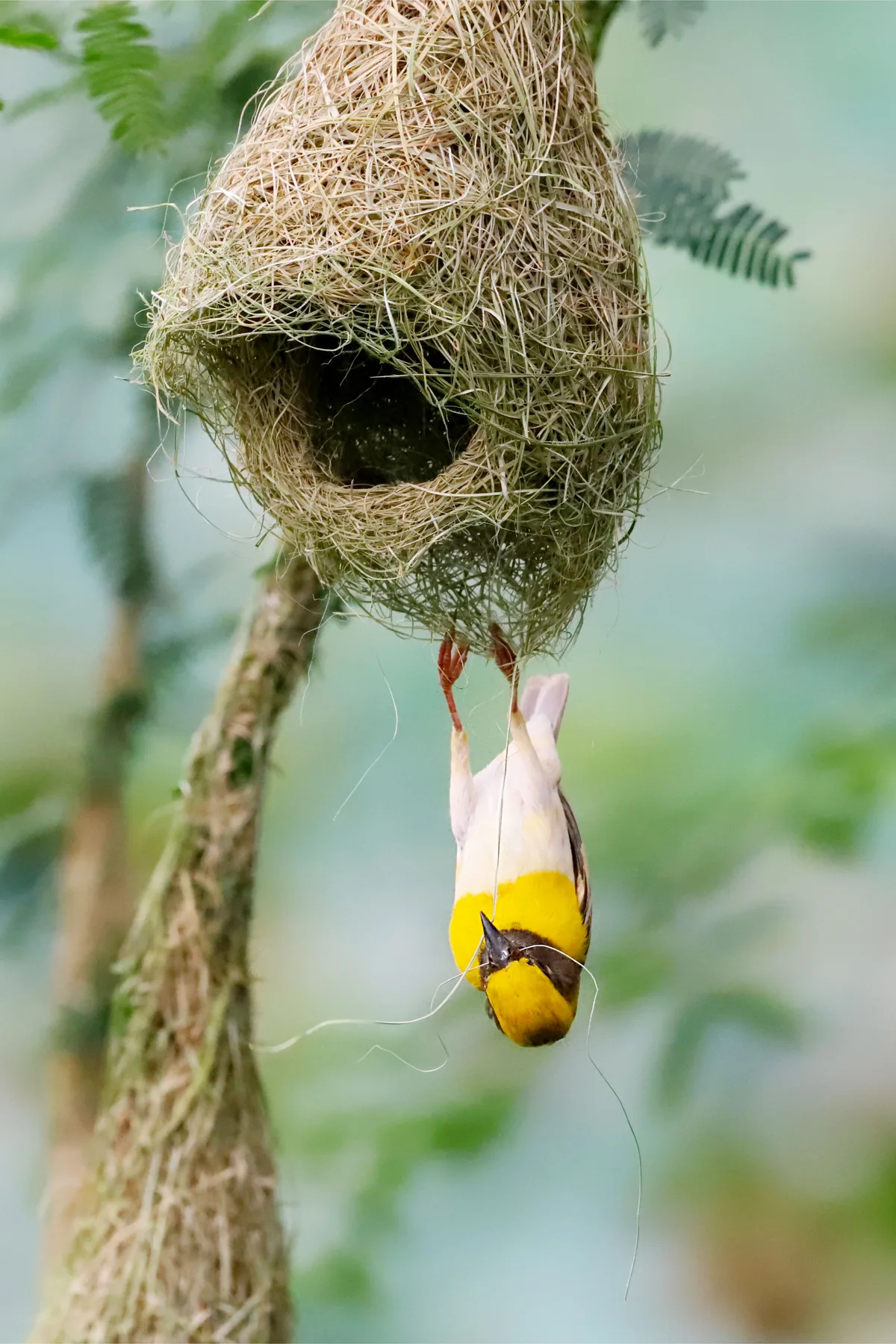
Image source: Bing (Web (fair-use with source credit))
Cup Nests
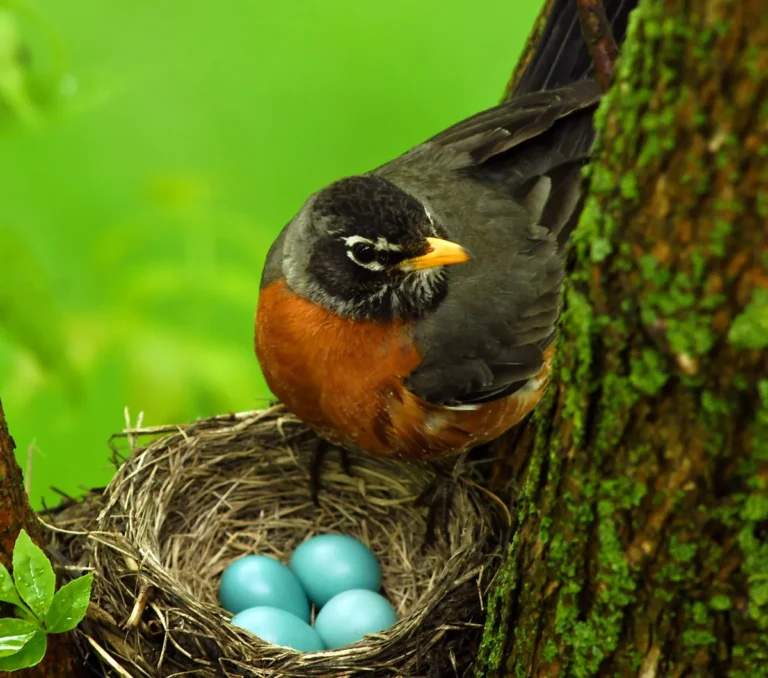
The most common nest type you'll ever encounter. It's a shallow or deep bowl woven from grasses, mosses, or mud. Robins and warblers are classic builders.
Look for a rounded, open structure.
Cavity Nests
Cavity nesters occupy hollow spaces inside tree trunks, dead stumps, or nest boxes. Bluebirds and nuthatches use these. The key giveaway is an entrance hole with no visible outer construction.
Pendant and Hanging Nests
Pendant nests are woven pouches hanging freely from branches. Weaver birds are famous for these in Africa. North American orioles build loosely hanging pouches that sway easily in wind.
Platform Nests
Platform nests are large, flat structures made of sticks. Crows, ospreys, and herons build them. They're bulky and visible from below.
Many species reuse them year after year.
Ground Nests
Ground nests are simple scrapes in soil, gravel, or leaf litter. Killdeer and meadowlarks depend on camouflage instead of structure. They're the hardest to spot because there's nothing elevated.
Mud Nests
Mud nests are cups made from wet mud cemented to walls or branches. Phoebes and barn swallows are the most common builders. The smooth, clay-like material is unmistakable.
Burrow and Floating Nests
Burrow nesters dig tunnels into earth banks. Bank swallows and kingfishers use these. Some waterbirds build floating nests from reeds that drift on water surfaces.
What Nest Structure Reveals About a Bird's Survival Strategy
Every nest type is a direct response to a specific environmental problem. Birds don't choose their nest architecture at random. Each structure solves a challenge the species faces in its habitat.
Cup nests prioritize camouflage and concealment. A robin's cup tucked into dense foliage avoids most visual predators. But open-top designs leave eggs exposed to rain and aerial attacks.
That's why species line the cup with soft insulating material.
Cavity nests take the opposite approach. Instead of blending in, they hide behind a hard barrier. A tree cavity with a narrow entrance hole is nearly impossible for most predators to access.
The tradeoff is competition for limited nesting sites.
Weaver bird nests represent one of the most sophisticated solutions in nature. Hanging from a flexible branch, the pendulum design is extremely hard for arboreal snakes to reach. This architecture evolved as a predator defense in tropical environments.
| Nest Type | Primary Advantage | Main Tradeoff |
|---|---|---|
| Cup | Camouflage, flexible materials | Exposed to weather and aerial predators |
| Cavity | Strong predator barrier | Limited availability, species competition |
| Pendant | Deters snakes and climbing predators | Energy-intensive to build |
| Platform | Durable, reusable structure | Highly visible from a distance |
| Ground | Quick and simple to construct | Maximum predation risk |
| Mud | Firmly anchored, durable | Time-consuming construction |
Common Nest Identification Mistakes and How to Catch Them
Misidentifying nests is easy, even for experienced birders. Here are the most common mistakes and how to avoid them.
Judging by material alone. Many species use the same materials. A grass cup could belong to a dozen different birds. Always check placement and size too.
Assuming grounded means abandoned. A nest on the ground might have just blown down from a tree above. Before you mark it abandoned, look up. The parent species could be nearby.
Confusing predator nests with songbird nests. Large stick nests high in trees usually belong to corvids or raptors. A squirrel drey made of leaves isn't a bird nest at all, even though it looks similar.
Ignoring entrance design. Some nests appear closed from above but are open underneath. Others look enclosed but have small entry holes. Always check from every angle.
Missing the bower. Bowerbirds in Australia build elaborate structures decorated with colorful objects. These aren't nests. They're display courts for attracting mates.
If you're in Australia and spot something ornamental, it's not a nest.
In our research, the most reliable identification sequence is location first, then materials, then shape, then size. Follow that order and you'll narrow things down quickly.
Building Your Yard to Support Different Nest Types
If you want birds nesting in your yard, think about what each species actually needs. Different nest types require different habitat features. Variety is the key.
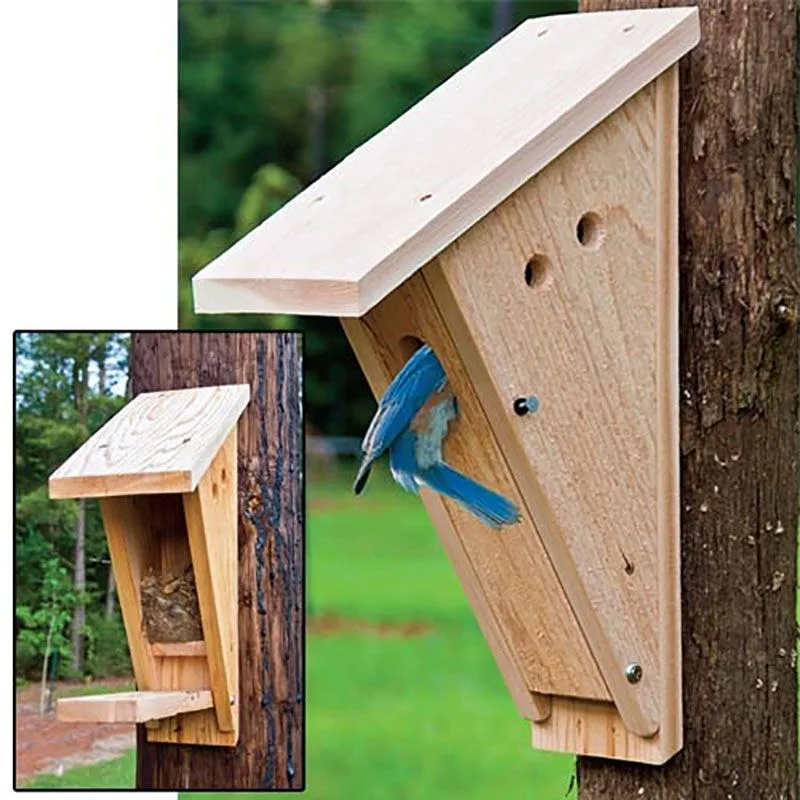
Image source: Bing (Web (fair-use with source credit))
For cup nesters: Dense shrubs and small trees are essential. Species like robins and sparrows want low, covered spaces. Plant native shrubs in clusters rather than spread apart.
Provide a mix of deciduous and evergreen coverage.
For cavity nesters: Install a nest box with the correct entry hole diameter. Eastern Bluebirds prefer 1.25 inches. Tree Swallows need 1.5 inches.
Mount boxes 5 to 10 feet off the ground with predator guards.
For platform nesters: If you have open water, consider an osprey platform on a pole or dock. In dry areas, a flat platform on a fence post gives crows and doves a place to build.
For ground nesters: Leave some open, undisturbed ground. A patch of short grass near shrubbery can attract killdeer and other species. Avoid mowing during spring and early summer.
For mud nesters: Phoebes and robins will build mud nests on porch beams and under eaves. Leave those structures intact and skip frequent painting or sealing.
The key principle is variety. Most bird-friendly yards support multiple nest types. Cornell Lab data shows that yards with layered vegetation attract the widest range of species.
Nest Disturbance Laws and Best Practices You Should Know
Active nests in the U.S. are protected under the Migratory Bird Treaty Act. This federal law makes it illegal to disturb, damage, or destroy active nests and eggs of migratory birds. That applies to most songbirds, woodpeckers, and their nests.
Violations carry fines up to $15,000 per count as of 2026.
In Europe, the Wild Birds Directive (2009/147/EC) offers similar protections. It's illegal to intentionally destroy or damage nests of listed species during the breeding season. Several member states enforce stricter rules during peak nesting months.
Here's what counts as disturbance and what doesn't:
| Action | Protected? | Notes |
|---|---|---|
| Trimming trees near an active nest | Potentially yes | Depends on proximity and species |
| Cleaning a nest box after the season ends | No | Safe during winter months |
| Painting porch beams near a mud nest | Yes if eggs present | Wait until late fall |
| Clearing brush piles during nesting season | Potentially yes | Ground nesters are vulnerable |
| Mowing near a ground nest | Yes | Killdeer and meadowlarks nest on short grass |
Best practices for staying out of trouble:
- Keep at least 15 to 20 meters from any nest with eggs or chicks.
- Never use flash photography on incubating birds or into cavities.
- Time yard maintenance for late fall or winter. Nesting peaks in spring and early summer.
- Clean nest boxes between September and December. Remove old nesting material and disinfect the interior to reduce disease transmission.
- If you suspect a raptor nest (eagles, hawks, ospreys), contact your state wildlife agency immediately. Special rules apply.
Per the U.S. Fish & Wildlife Service, reporting damaged nests or wildlife incidents is easy through their online portal. When in doubt, call before you act.
Frequently Asked Questions
How can I tell what type of bird nest I'm looking at?
Start with location. A cup nest sits in shrubs or small trees. A cavity nest has a visible entrance hole.
Platform nests are large and flat. Ground nests are flush with the soil. Once you know where it is, check materials and shape to narrow things down further.
What materials do birds use to build nests?
Common materials include grasses, twigs, bark strips, mud, moss, lichen, feathers, spider silk, and plant fibers. Fine grasses and rootlets typically line the inner cup. Mud builders use wet clay that dries hard.
Some species incorporate hair or fur for insulation.
Should I build a birdhouse for a specific nest type?
Yes, match the entry hole to the target species. Bluebirds need 1.25 inches. Tree Swallows need 1.5 inches.
Mount boxes 5 to 10 feet high with a predator guard. Avoid painting or sealing the interior. Leave nesting material removal for winter months.
What should I do if I find a nest on the ground?
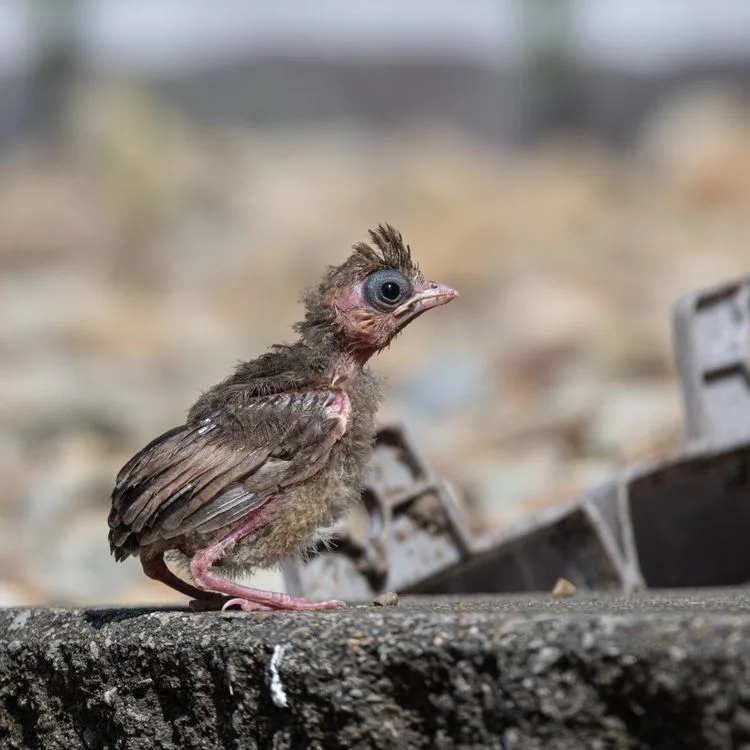
Check if it's active first. Look for signs of parental activity nearby. A grounded nest may have recently fallen from above.
If eggs or chicks are present, contact a wildlife rehabilitator. Don't move the nest yourself unless a licensed professional directs you to.
Do all bird nests get used only once?
Most species build fresh nests each breeding season. Some platform builders like crows and ospreys reuse the same structure year after year. Cavity nesters often return to the same tree hole or birdhouse across multiple years.
Nest reuse varies widely by species.
What's the difference between a nest and a bower?
A nest is for raising young. A bower is an ornamental display court. Bowerbirds in Australia build elaborate structures decorated with colorful objects to attract mates.
Bowers aren't nests and don't hold eggs. If you're in Australia and spot something ornamental, it's a bower, not a nest.
Matching Nest Type to Your Birdwatching Goals
Your approach to nest identification should match what you actually want to see. Different interests lead you to different nest types.
If you're a casual backyard birder, focus on cup and cavity nests. These are the most common species you'll encounter. Robins, sparrows, chickadees, and bluebirds all build nests you can find without leaving home.
Install a nest box or two and you'll attract cavity nesters quickly.
If raptors fascinate you, head to open water or forest edges. Platform nests belong to ospreys, bald eagles, and great blue herons. Spotting a large stick nest high in a pine tells you a raptor or corvid is likely occupying it.
Carry binoculars and scan treetops.
If you're traveling to tropical regions, pendant and mud nests offer some of the most striking structures on Earth. Weaver bird nests in sub-Saharan Africa hang in dozens from a single acacia tree. It's a visual you won't forget.
The best strategy is to start with what's closest to you. Learn the three most common nest types in your area first: cup, cavity, and platform. Once those feel familiar, branch out.