How Can You Tell If a Rabbit Is Pregnant?
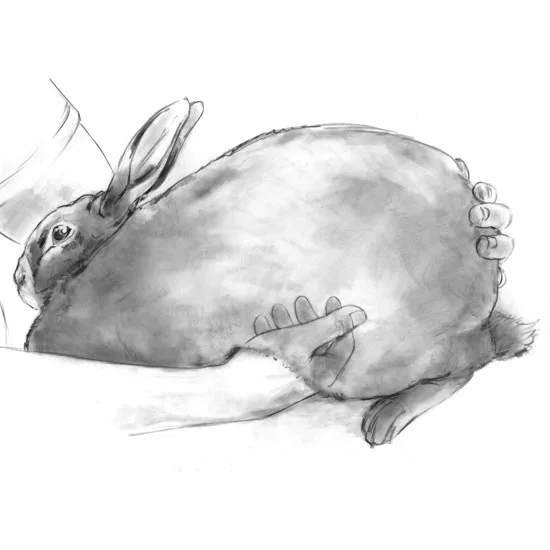
Image source: Web (Bing) / motherearthnews.com (Web image (fair-use with source credit))
Figuring out if your rabbit is pregnant can feel like a puzzle, but knowing the signs is key for her health and yours. If you're wondering, "How Can You Tell If a Rabbit Is Pregnant?", you're in the right place. Understanding these indicators means you can provide the right care from the start.
The average gestation period for a rabbit is between 28 and 31 days, a relatively short window that requires prompt attention once pregnancy is suspected. Getting it right helps you prepare for a new litter and avoid unnecessary stress on your doe. Let's dive into the specifics of what to look for.
Why Spotting Rabbit Pregnancy Matters So Much
Knowing your rabbit doe is pregnant is crucial for several reasons. First and foremost, it’s about her well-being. A pregnant rabbit has specific nutritional and environmental needs that differ from a non-pregnant rabbit.
Providing the correct diet and a calm, safe space can prevent complications during pregnancy and birth, known as whelping.
Misidentifying pregnancy can lead to improper care, potentially causing stress or health issues for the doe. On the flip side, early detection allows you to prepare for a new litter, ensuring you have appropriate supplies and knowledge to support both the mother and her kits. This proactive approach is vital for responsible rabbit ownership and breeding.
Recognizing Early Physical Signs in Your Doe
Spotting pregnancy often starts with observing subtle changes in your rabbit's physical appearance. While not always obvious in the very early stages, these clues become more pronounced as the gestation progresses. It’s a process of piecing together a few key indicators.
Subtle Body Changes to Watch For
In the initial days after conception, you might not see much. However, as pregnancy advances, your doe may begin to show a slight rounding of her abdomen. Her nipples might also become more prominent and pinkish, especially as she gets closer to giving birth, typically around the 2-week mark of gestation.
This is a direct result of her body preparing for lactation.
Abdominal Swelling and Palpation
As the pregnancy continues, usually between 10 to 14 days, you might be able to gently feel the developing fetuses. This is called palpation. It requires a very light touch and extreme care, as rough handling can be harmful.
The fetuses will feel like small, firm marbles or grapes within the abdominal cavity.

Image source: Web (Bing) / qaqooking.wiki (Web image (fair-use with source credit))
It’s crucial to have an experienced rabbit owner or a veterinarian guide you through palpation if you're unsure. Overzealous palpation can cause stress or even injury. If you notice significant abdominal swelling without being able to feel fetuses, or if your doe seems uncomfortable or in pain, seek veterinary advice immediately.
Behavioral Clues: What to Look For in Your Rabbit's Actions
Beyond physical changes, a pregnant rabbit’s behavior often shifts dramatically. These are instinctual responses geared towards preparing for her young. Paying close attention to her daily routine and interactions can offer strong hints about her condition.
Nesting Instincts and Building Behavior
One of the most telling signs is the onset of nesting behavior. This typically begins about a week to 10 days before birth. Your doe will start gathering soft materials like hay, straw, fur she pulls from her own body, and any other bedding available to build a nest.
She might become territorial around her chosen nesting spot.

Image source: Bing (Web (fair-use with source credit))
This building instinct is powerful. She might drag items into a corner, dig or rearrange her bedding obsessively, and even try to pull out her own fur to line the nest. This fur pulling, known as "pulling down," is a sign her body is preparing for lactation and is a very strong indicator of impending birth, often occurring within 48 hours of delivery.
Changes in Appetite and Mood
A pregnant doe’s appetite will likely increase significantly as her body requires more nutrients to support the growing fetuses. She may eat more frequently and consume larger quantities of food. You might notice her drinking more water as well.
Her mood can also change. Some does become more affectionate and seek out company, while others may become more solitary, aggressive, or irritable, especially if disturbed. She might become less active, spending more time resting near her nesting area.
Observing these shifts in her routine and personality can be a good signal.
Pseudopregnancy vs. Real Pregnancy: A Crucial Distinction
It's important to know that rabbits can experience pseudopregnancy, or a false pregnancy. This happens when hormonal changes mimic those of actual pregnancy, even if no mating occurred or conception failed. The doe will exhibit nesting behavior and may even show mammary development, leading owners to believe she's pregnant.
The key difference lies in the physical presence of fetuses. In true pregnancy, palpation (if done correctly) will reveal developing young. Pseudopregnancy typically lasts about 14-16 days and then the doe returns to her normal state without giving birth.
Veterinary examination is often the most reliable way to differentiate between the two.
When to Call the Vet: Expert Confirmation and Next Steps
While you can learn to recognize the signs of rabbit pregnancy yourself, a veterinarian’s confirmation is always the safest route. They have the expertise and tools to accurately diagnose pregnancy and assess the doe’s overall health. This is particularly important if you're inexperienced or if your doe shows any signs of distress.
A vet can perform a physical examination, including gentle palpation, to confirm the presence of fetuses. In some cases, they might use ultrasound for a more definitive diagnosis, especially if palpation is unclear. Early confirmation allows for timely adjustments to her diet and environment, ensuring she receives the best possible care leading up to whelping.
If you are considering breeding rabbits as a hobby or professionally, understanding the cost associated with owning a rabbit, including potential vet bills for unexpected issues, is a good idea.
Essential Care for the Expecting Rabbit Doe
Once you've confirmed your doe is pregnant, adjusting her care is essential for a healthy pregnancy and litter. This involves focusing on her diet and preparing a safe, comfortable environment for her to give birth and raise her kits.
Diet and Nutrition Adjustments
A pregnant rabbit needs a diet that supports fetal development and her own increased nutritional demands. This means increasing her intake of high-quality alfalfa hay, which is richer in protein, calcium, and calories than timothy hay. You can also introduce a small amount of nutrient-rich rabbit pellets, formulated for pregnant or nursing does, gradually increasing the quantity over the course of her pregnancy.
Ensure she always has access to fresh, clean water. Avoid sudden major dietary changes, as these can upset her digestive system. Introduce any new foods slowly and monitor her for signs of digestive upset.
As she gets closer to giving birth, her appetite might fluctuate, but maintaining consistent access to good food is paramount.
Preparing the Nesting Area
A few days before her due date, typically around day 25-27 of gestation, provide your doe with a nesting box. This should be a dark, secure, and private space where she feels safe to give birth. You can use a wooden box with a hole in the side or a commercially available nesting box designed for rabbits.
Line the box with soft, absorbent bedding like unscented paper-based litter, hay, or straw. Avoid materials that can easily stick to the kits or the doe's fur. Your doe will naturally pull fur from her own body to further line the nest, so don't be alarmed if you see tufts of fur in her cage or around the nesting box.
Ensure the box is placed in a quiet area of her enclosure, away from loud noises or excessive traffic, to minimize stress.
Common Mistakes When Identifying Rabbit Pregnancy
It's easy to misinterpret signs or miss crucial indicators when trying to determine if your rabbit is pregnant. One common mistake is mistaking hormonal shifts for actual pregnancy. Rabbits are prone to pseudopregnancy, where they exhibit nesting behaviors and hormonal changes similar to a real pregnancy, even if they aren't carrying kits.
This can happen without mating or if conception doesn't occur after mating.
Another error is relying solely on weight gain or a slightly rounded belly. While these can be indicators, they are not definitive proof and can be caused by other factors like overfeeding or digestive issues. Over-handling a potentially pregnant doe is also a significant risk.
Too much pressure or stress during palpation can harm developing fetuses or cause the doe to lose her pregnancy. Always approach her gently and with extreme caution.
What If My Rabbit Isn't Nesting?
Not all does exhibit strong nesting behaviors, especially first-time mothers or those in a less natural environment. The absence of intense nesting doesn't automatically mean she isn't pregnant. Some rabbits are very subtle in their preparations.
If nesting is absent, focus more intently on physical changes like abdominal distension and nipple development. If you’re still uncertain after observing these signs, it’s best to consult a veterinarian for a professional assessment.
Overlooking Subtle Behavioral Cues
Sometimes, the signs are behavioral but not overtly related to nesting. A pregnant doe might become unusually lethargic, spending more time sleeping and less time grooming or interacting. Conversely, some may become more anxious or irritable.
Missing these mood or energy shifts can lead to a delayed diagnosis.
FAQs About Rabbit Pregnancy Detection
How soon can I tell if my rabbit is pregnant?
You can start looking for physical signs of pregnancy, like nipple changes, around 10-14 days after potential mating. Palpable fetuses can usually be felt between 10 and 14 days of gestation. Behavioral changes like nesting often begin later, around a week to 10 days before birth.
Can I palpate my rabbit myself?
Yes, but with extreme caution and gentleness. This is best learned from an experienced rabbit handler or veterinarian. You should feel for small, firm lumps that are freely movable within the abdomen.
Overly aggressive palpation can be harmful, so if you're unsure, leave it to the professionals.
What is pseudopregnancy in rabbits?
Pseudopregnancy, or a false pregnancy, is a hormonal condition where a doe displays signs of pregnancy, including nesting and mammary development, without actually being pregnant. This can occur even if no mating took place. It typically resolves on its own within about 16 days.
How do I prepare a nest box for my pregnant rabbit?
Provide a dark, enclosed nesting box with an entry hole a few days before her due date. Line it with clean, absorbent bedding like hay or unscented paper-based litter. Your doe will likely pull fur from her own body to further line the nest.
Ensure the box is in a quiet, safe area.
What should I feed a pregnant rabbit?
A pregnant doe needs a diet rich in nutrients. This includes unlimited access to high-quality alfalfa hay, and you can gradually increase her intake of high-quality rabbit pellets, especially those formulated for pregnant or nursing rabbits. Always ensure she has plenty of fresh water available.