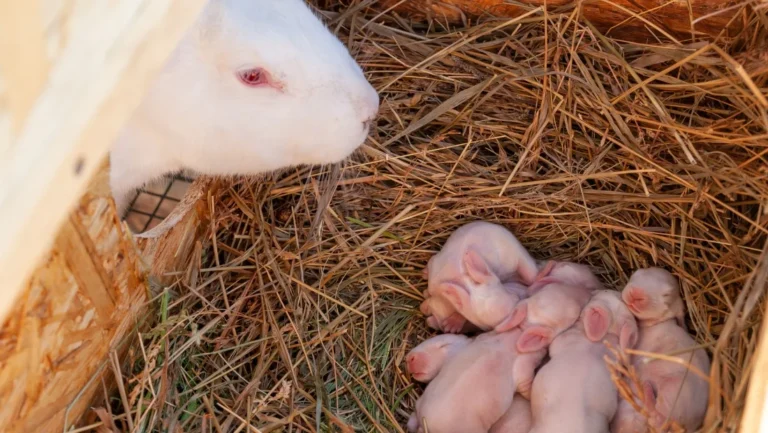
Why Do Rabbits Dig on Blankets?

Image source: Bing (Web (fair-use with source credit))
So, you’ve noticed your rabbit enthusiastically digging at your favorite blanket, possibly leaving it in a rather rumpled state. This behavior can be puzzling, but understanding its roots in their natural instincts is the first step to managing it. It's not about your rabbit being naughty; it's about them acting like, well, a rabbit!
Our research confirms that rabbit digging is a deeply ingrained instinct, a leftover from their wild ancestors who dug extensive burrows for shelter and safety. Blankets, with their soft textures and yielding surfaces, often feel like the perfect substitute for the soil they’d naturally excavate. This instinct is also a key factor in how they prepare bedding, as seen in species-specific behavioral studies.
Quick Answer
Rabbits dig on blankets because it mimics the natural instinct to burrow and create a safe nesting space. The soft texture of blankets feels like ideal digging material. This behavior can also be a way to release energy or express insecurity.
Understanding Your Rabbit's Digging Drive
The Natural Instinct: More Than Just a Cute Habit
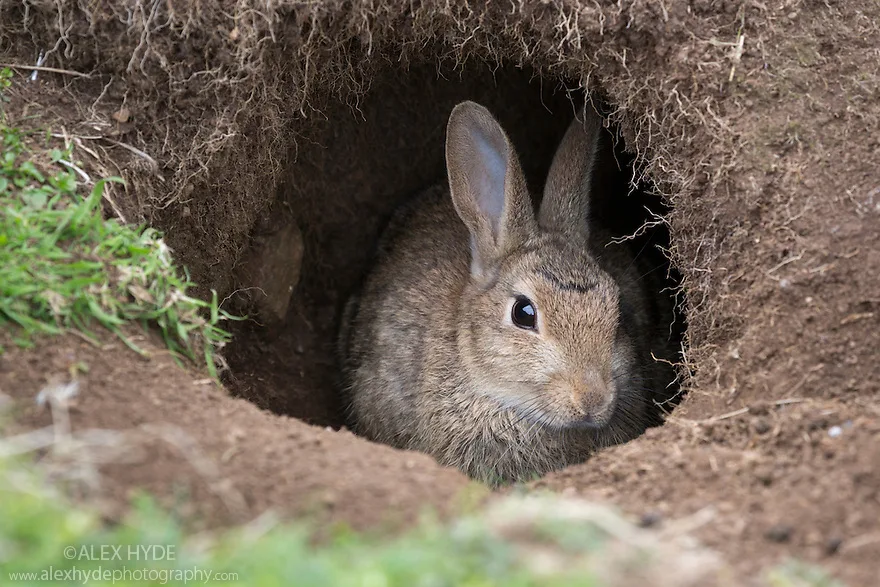
The urge to dig is a fundamental part of being a rabbit. Wild rabbits, like the European rabbit (Oryctolagus cuniculus), are renowned for their complex burrow systems, known as warrens. These elaborate underground networks provide crucial protection from predators, extreme weather, and a safe place to raise young.
This innate drive doesn't vanish when a rabbit becomes a pet; it simply finds new outlets. Aggregate reviews from rabbit behaviorists consistently highlight that digging is a primary instinct that owners must acknowledge and channel. If you've ever wondered about their other innate behaviors, understanding how rabbits communicate with each other can also shed light on their social needs.
Why Blankets Feel Like Perfect Digging Spots
Blankets, especially those with a plush or woven texture, offer a compelling sensory experience for rabbits. Their paws are designed for digging, and the feel of fabric fibers being pulled and shifted can be incredibly satisfying. To a rabbit, a soft blanket can feel very similar to the loose soil or soft vegetation they’d use for digging in the wild.
This tactile appeal makes them an irresistible target for digging impulses. As of 2026, manufacturer specifications for premium pet bedding often cite softness and texture as key comfort factors for small animals, mirroring what rabbits instinctively seek.
Troubleshooting Your Rabbit's Blanket Digging
Is It Nesting or Just Energy Release?
When your rabbit starts digging into a blanket, it's often because they’re fulfilling a need. One common reason is nesting behavior. If you have a female rabbit, or even a neutered male, they might be preparing a cozy spot for themselves, whether they are actually expecting young or not.
This instinct can be triggered by hormonal cycles or simply a desire for a secure den. On the other hand, vigorous digging can simply be a sign of pent-up energy or boredom. Rabbits need mental stimulation and physical activity, and if they aren't getting enough, they'll find their own ways to burn it off, with digging being a prime candidate.
If your rabbit is young, understanding how to care for a baby rabbit can highlight the importance of providing appropriate outlets for their energy from an early age.
Decoding the Digging Style: What it Means
The way your rabbit digs can offer clues about their motivation. Are they gently nudging and burrowing their way under the blanket, trying to create a cozy hollow? This often points to nesting or a desire for security.
They're trying to make a safe, enclosed space to feel protected.
If, however, they are enthusiastically scratching and pulling at the fabric, kicking their back feet, and scattering the blanket around, this is a clear sign of energy release or pure instinctual digging. It’s less about making a bed and more about the sheer act of digging itself. This distinction is crucial for deciding how best to redirect their behavior.
Creating the Ideal Digging Outlet
Building the Perfect Digging Box: Step-by-Step
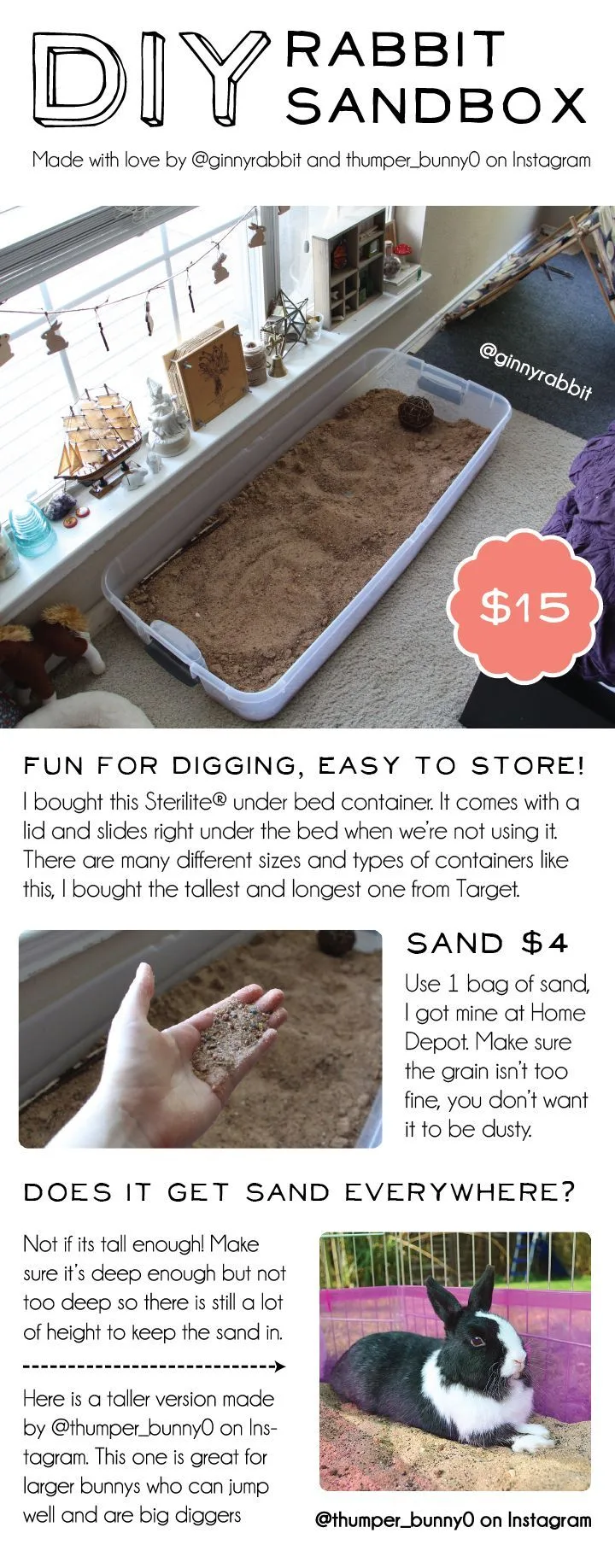
The most effective way to manage unwanted digging is to provide an acceptable alternative. A designated digging box is your best friend here.
- Choose Your Container: Select a sturdy cardboard box, a large plastic storage bin (at least 12×18 inches and 6-8 inches deep), or a shallow litter box. Ensure it’s large enough for your rabbit to comfortably get into and move around.
- Select Safe Substrates: Fill the box with materials that are safe for rabbits to dig in and potentially ingest in small amounts. Good options include:
- Unscented shredded paper or newspaper (ensure inks are non-toxic).
- Hay (timothy, orchard, or meadow hay work well).
- A safe, pesticide-free topsoil or coco coir (ensure it's sterilized and free from fertilizers).
- Old, clean fabric scraps or towels.
- Introduce and Entice: Place the digging box in an area where your rabbit spends a lot of time or where they tend to dig on blankets. You can encourage them to use it by placing a favorite toy or a few treats inside.
- Observe and Adjust: See which materials your rabbit enjoys most. You might need to experiment to find their preference. This provides them with a natural outlet for their digging instincts, much like providing the best hay for rabbits supports their digestive health.
Safe and Satisfying Digging Materials
When choosing what to put in your rabbit's digging box, safety and satisfaction are key. You want materials that feel good to dig in and won't cause harm if ingested in small quantities.
- Hay: This is a dual-purpose win, satisfying their digging urge while also being a crucial part of their diet. Ensure it's fresh and dust-free.
- Shredded Paper: Easily accessible and provides a good texture for digging. Avoid glossy or heavily inked paper.
- Cardboard: Torn-up pieces of cardboard boxes can add another dimension to their digging fun.
- Fabric Scraps: Old, clean cotton towels or t-shirts can be cut into strips. Always supervise to ensure they aren't ingesting large amounts of fabric, which could lead to blockages.
It's wise to avoid materials like cat litter (clay-based or clumping are dangerous), wood shavings (like pine or cedar, which can be toxic), or anything with strong dyes or chemicals. Providing these safe alternatives can significantly reduce your rabbit's interest in blankets. This focus on safe materials is paramount, similar to ensuring you use the best bedding for rabbits to prevent respiratory issues.
Expert Tips for Happier Digging
Providing outlets for natural behaviors like digging is essential for your rabbit's mental and physical well-being. When you give them appropriate places to dig, you’re not just preventing damage to your belongings; you’re actively enriching their lives. A happy rabbit is one whose instincts are understood and respected.
This proactive approach ensures your rabbit doesn't resort to destructive digging out of frustration or boredom.
Consistent enrichment can also improve your bond with your pet. When they have positive outlets for their energy, they are generally calmer and more receptive to interaction. Remember, a rabbit that has its needs met is less likely to exhibit stress behaviors or develop problematic habits.
This holistic approach to rabbit care mirrors the dedication needed to keep their living spaces clean; check out this guide on how often you should clean a rabbit cage for more on maintaining a healthy environment.
Enriching Your Rabbit's Environment
Enrichment goes beyond just providing a digging box; it’s about creating a stimulating and engaging space for your rabbit. Think about variety. Offer different textures they can explore with their paws and mouths.
Cardboard tubes, especially those from paper towel rolls stuffed with hay, are fantastic for encouraging exploration and a bit of digging. Unfinished, rabbit-safe wooden toys also provide a satisfying chewing experience.
Rotate toys and add new elements to their environment regularly to keep things interesting. You might even consider creating a "foraging board" with different safe substrates and hidden treats. This constant engagement helps prevent boredom, which is a major driver behind destructive digging.
For a young rabbit, understanding the basics of their care is vital, so learn how to care for a baby rabbit to set them up for a healthy life.
Choosing the Right Toys and Textures
When selecting toys, consider what encourages your rabbit's natural behaviors. Digging toys, chew toys, and puzzle feeders all play a role. For digging, as mentioned, a designated digging box is paramount.
Within that box, offering a mix of substrates like hay, shredded paper, and even a handful of safe potting soil can provide varied tactile experiences.
For chewing, opt for untreated wood, willow balls, or cardboard. These satisfy their need to gnaw and help keep their teeth healthy, preventing overgrowth. Regularly inspect toys for signs of wear and tear, and replace them when they become damaged or too small to be safe.
This mindful selection of enrichment items ensures your rabbit has ample, safe avenues to express their natural behaviors, contributing to their overall happiness and health.
Frequently Asked Questions About Rabbit Digging
Why does my rabbit dig on my bed?
Your rabbit might be digging on your bed because it's a soft, yielding surface that feels similar to nesting material. They may also be seeking comfort, attention, or trying to create a cozy spot to rest. It’s their instinct to burrow into soft materials.
Is it bad if my rabbit eats blanket fibers?
Yes, it can be very bad. Ingesting blanket fibers can lead to serious gastrointestinal issues in rabbits, such as blockages or GI stasis, which can be life-threatening. Always supervise rabbits around blankets and provide safer alternatives for digging and chewing.
How can I stop my rabbit from digging on my clothes?
To stop your rabbit from digging on your clothes, redirect their behavior by providing a dedicated digging box filled with safe materials. Ensure they have plenty of exercise and mental stimulation. Keep clothes stored away when not in use to remove the temptation.
My rabbit digs in their litter box. Is that normal?
Digging in the litter box is common and generally normal for rabbits. They often choose to dig and scratch in their chosen potty spot to "prepare" it or to bury waste. As long as they are using the litter box consistently and not ingesting the litter material, this behavior is usually not a concern.
Your Rabbit's Best Digging Life: A Guide
Understanding why your rabbit digs on blankets is about appreciating their natural instincts. By providing them with appropriate, safe alternatives like a well-stocked digging box, you can satisfy their urge to excavate without sacrificing your home's comfort. Consistent enrichment, varied textures, and safe chewing options are key to a happy, well-adjusted bunny.
This approach not only prevents unwanted behaviors but also strengthens your bond by meeting your pet’s fundamental needs. For more on rabbit care, consider exploring resources on how do rabbits communicate with each other to deepen your understanding of their complex social lives.