How Do Mother Rabbits Care for Their Babies?
When you see a nest of tiny, helpless baby rabbits, it’s natural to wonder how their mother manages. Mother rabbits, or does, have a fascinating and highly instinctual approach to raising their young. Understanding their unique methods is key to appreciating the wild and knowing when intervention might actually be harmful.
How do mother rabbits care for their babies? Their care is surprisingly hands-off yet incredibly effective, focused on providing essential nutrition and protection through a specialized, infrequent feeding schedule and diligent nest maintenance. For instance, the American Rabbit Breeders Association (ARBA) standards emphasize that a healthy doe will dedicate itself to its litter for the critical first few weeks.
Quick Answer
Mother rabbits primarily care for their babies through infrequent, highly nutritious nursing sessions. They build safe nests, often lining them with their own fur, and visit kits only once or twice daily, typically at dawn and dusk. This strategy minimizes scent around the nest, protecting kits from predators.
Their milk is rich in fat and protein, ensuring rapid growth and survival with minimal exposure.

Image source: Web (Bing) / ph.pinterest.com (Web image (fair-use with source credit))
Seeing How Mother Rabbits Care for Their Babies
Understanding how mother rabbits care for their babies isn't just about knowing biological facts; it's about observing their distinct behaviors. Unlike many mammals that are constantly with their young, does operate on a schedule that prioritizes safety through absence. This can look alarming to someone unfamiliar with rabbit instincts, but it's a deeply ingrained survival mechanism.
This hands-off approach, combined with the mother's specific nesting habits, ensures the kits have the best chance of survival. We'll explore what makes their care so effective, why it appears so minimal, and what you might see if you're lucky enough to observe it. It’s a masterclass in efficiency and instinct.
What a Mother Rabbit's Nest Looks Like
The first step a mother rabbit takes in caring for her babies is creating a secure and comfortable nursery. This isn't a permanent fixture; it's a temporary, carefully constructed haven. A doe will dig a burrow or use an existing one, often lining it with soft materials she gathers herself.
Nest Materials and Construction
A pregnant doe will prepare her nest box or burrow in the days leading up to giving birth. She'll pull soft fur from her own body to create a warm, insulating lining. This fur isn't just for warmth; it carries her scent, helping the young kits identify her.
She might also incorporate dry grass, straw, or leaves if available to add structure and further insulation.
The nest itself is typically a hollow dug into the ground or a prepared nest box. It's crucial that the nest provides a stable temperature and protection from external elements and predators. If you're keeping rabbits and they've had a litter, you might notice a pile of soft fur and bedding material in one corner of their enclosure.
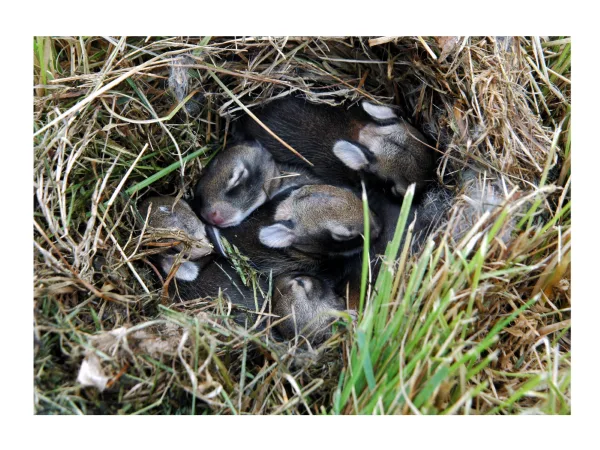
Image source: Web (Bing) / hobbyfarmheaven.com (Web image (fair-use with source credit))
Signs of a Healthy Nest
A healthy nest is usually well-lined with fur and has a distinct scent. You’ll often see the mother rabbit visiting the nest at specific times, usually at dawn and dusk. The kits themselves should sound healthy, emitting soft squeaks or chirps, rather than distressed cries.
A disturbed nest, however, might show signs of the mother not returning, or the kits might appear cold, inactive, or unkempt. It's important to remember that a mother rabbit may abandon a nest if it's been disturbed too much or if she senses danger. Minimal observation is key to avoiding this.
The Daily Routine: How Kits Get Fed
Perhaps the most counter-intuitive aspect of how mother rabbits care for their babies is their feeding schedule. It’s incredibly brief, infrequent, and often happens when humans are asleep. This strategy is designed to minimize the time the mother spends at the nest, thus reducing the scent that could attract predators.
Quick Nursing Visits: Why So Short?
A doe typically nurses her litter only once or twice a day, sometimes even less frequently, especially as the kits get older. Each nursing session lasts just a few minutes, from five to twenty, depending on the litter's size and age. This brevity is crucial.
The mother is exposing herself and her kits to risk by being present. By making these visits short and infrequent, she drastically lowers the chances of a predator discovering the nest. It’s a calculated risk that pays off by keeping her family safe.
What Kits Eat: Rabbit Milk Details
Rabbit milk is exceptionally rich, designed to provide rapid growth and development in a short period. It contains a high percentage of fat and protein, much higher than cow's milk or even many other mammals. For instance, rabbit milk can be around 15% fat and 12% protein, which is crucial for the kits' energy needs and rapid development.

Image source: Bing (Web (fair-use with source credit))
This dense nutrition means the kits can gain weight quickly and develop their fur and mobility in just a few weeks. This rapid growth is essential, as kits are born blind, naked, and entirely dependent, but they mature quickly to be weaned around four to six weeks old. For those interested in rabbit care, understanding this intense nutritional profile is key to comprehending their survival strategy.
Protecting the Nursery: Mother Rabbit's Vigilance
While a mother rabbit's direct interaction with her kits is limited, her protective instincts are fierce. Her primary method of protection is indirect, by being absent from the nest most of the time. This strategy, however, is backed by vigilance and preparation.
Keeping Kits Warm and Safe
The carefully constructed nest, lined with the mother's fur, is the primary source of warmth for newborn kits. Since the mother isn't constantly present to regulate temperature, the nest materials must be highly insulating. The hollow burrow or box also provides a stable microclimate, shielding the kits from extreme weather and temperature fluctuations.
The mother also carefully covers the nest opening after each feeding. This simple action helps to conceal the nest from predators and maintain the internal temperature. You might notice the mother pushing nesting material back over the entrance with her nose and paws, a crucial step in her protective routine.
Dealing with Disturbance
A mother rabbit is incredibly sensitive to disturbances around her nest. If she perceives her nest as compromised or unsafe, her instinct is to abandon it. This can happen if the nest is handled too frequently, if there is excessive noise, or if predators are too close for too long.
For wild rabbits, this means predators like foxes, birds of prey, or even domestic cats and dogs pose a significant threat. Even the scent of a human can be enough to trigger abandonment in some sensitive does. This is why it's so important to observe from a distance and avoid touching or moving the nest unless absolutely necessary.
Instinctive Defense Mechanisms
Beyond her clever absence, a mother rabbit has other defense mechanisms. If a predator does manage to locate the nest, the mother can be surprisingly fierce. She may thump her hind legs vigorously to warn off threats or even physically confront an intruder, though this is a last resort.
Her fur lining is also a defense. By pulling fur from her own body, she leaves a scent trail that leads away from her hiding place and towards the nest. This can sometimes mislead predators, drawing them away from the vulnerable kits.
It’s a complex system designed for maximum kit survival against significant odds.
Common Problems with Rabbit Mothering
Sometimes, despite a mother rabbit's best instincts, things don't go as planned. Identifying these issues early is crucial for the kits' survival. The biggest challenges often revolve around the mother's interaction (or lack thereof) with her young, and environmental factors that can stress the situation.
Why Kits Might Be Abandoned
Abandonment is one of the most heartbreaking problems. It can happen for several reasons, often triggered by a perceived threat. If the nest is disturbed too frequently by humans, other pets, or even changes in the environment, the doe might decide it's too risky to continue.
Stress from loud noises, sudden movements, or even a change in her own food or water source can also lead to abandonment.
Sometimes, a doe might be too young or inexperienced to properly care for a litter. Illness or injury in the mother can also prevent her from being able to nurse or protect her kits. It's a harsh reality that not every litter survives, but understanding the triggers can help owners minimize the risks.
Signs Your Kits Aren't Getting Enough Milk
You can usually tell if kits are getting enough milk by their appearance and behavior. Healthy kits are plump and round, feeling firm to the touch. They should be active and vocal, especially when the mother is expected to visit.
Their fur should look clean and well-groomed.
If kits are skinny, appearing gaunt or flabby, it's a strong indicator they aren't nursing sufficiently. They might also be listless, cold, and make weak, continuous squeaking noises, which is a sign of hunger and distress. Always check the mother's teat area for signs of recent nursing activity if you suspect a problem.
Observing the mother's behavior, such as if she seems agitated or avoids the nest, can also be a clue.
When to Intervene: Helping Rabbit Families
Knowing when to step in is critical, but it's also important to know when to let nature take its course. For wild rabbits, intervention is almost never recommended and can do more harm than good. For pet rabbits, however, there are times when a helping hand might be necessary.
Signs a Mother Needs Help
A mother rabbit might need assistance if she's visibly ill, injured, or appears extremely stressed and disinterested in her litter for an extended period. If the kits are consistently cold, gaunt, and crying incessantly for more than 24 hours, it suggests the mother is not nursing them properly. Another sign is if the mother has not returned to the nest for her scheduled nursing times, and you can't see any signs of recent nursing.
If you notice a lack of fur lining, or the nesting material is scattered and unkempt, it might indicate the mother is struggling. In these situations, careful, minimal intervention might be considered, but it's best done with expert advice.
What NOT to Do When Helping
The biggest mistake people make is interfering too much. Handling the kits constantly can transfer your scent, potentially leading to abandonment. Trying to force-feed a rabbit kit without proper knowledge and equipment can be fatal.
Artificial warmth sources must be carefully managed to avoid overheating; kits are delicate.
Avoid disturbing the nest more than absolutely necessary. If you must handle the kits, do so briefly and gently. Wash your hands thoroughly beforehand.
It's often better to try and encourage the mother by ensuring her environment is calm and she has easy access to food and water, rather than taking over completely.
Frequently Asked Questions About Rabbit Mothers and Kits
How often do mother rabbits nurse their babies?
Mother rabbits typically nurse their babies only once or twice a day, usually at dawn and dusk. These feeding sessions are very brief, lasting only about five to twenty minutes. This infrequent schedule is a survival strategy to avoid attracting predators to the nest.
Can I touch the baby rabbits without the mother rejecting them?
It's best to avoid touching baby rabbits unless absolutely necessary. While mother rabbits don't have a highly developed sense of smell like some other animals, their instincts can be sensitive. If you must handle them, wash your hands thoroughly with unscented soap beforehand and do so quickly and gently to minimize scent transfer and stress.
What should I do if I find abandoned baby rabbits?
If you find abandoned baby rabbits, observe them from a distance first. Check if the mother is around, as she may only be away for a short period. If you're certain they've been abandoned (no mother for 24-48 hours, kits are cold and weak), contact a local wildlife rehabilitator or experienced rabbit rescue for guidance.
Do not attempt to feed them yourself unless instructed by an expert.
How can I tell if the baby rabbits are getting enough food?
Healthy baby rabbits will appear plump and well-fed, with smooth skin and fur. They should be warm to the touch and vocal when they are hungry. If kits look skinny, feel cold, or are constantly crying and listless, they may not be getting enough milk.
Visual Cues: Your Best Guide to Rabbit Mothering
Because so much of rabbit mothering relies on instinct and behavior that happens quickly or at odd hours, visual cues are your most reliable indicators. Observing the mother's actions and the condition of the nest and kits will tell you far more than trying to interpret their behavior in human terms. This is especially true for those observing wild rabbit populations.
You can often see the mother rabbit meticulously grooming herself, then using that fur to line her nest. Her visits to the nest are usually swift; she’ll disappear into the burrow or nest box and emerge a few minutes later, often pausing to push bedding material back over the entrance. This brief, deliberate action is a strong visual confirmation of her care.
The appearance of the kits themselves is also a powerful visual cue. Healthy newborns will have a slight sheen to their fur (once it starts to grow in) and look uniformly rounded. If you see kits with dull, ruffled fur, or ribs that are clearly visible, these are visual warnings that something is amiss with their nutrition or health.
Pay attention to these visual signals, as they often provide the most direct insight into how the mother rabbit is caring for her babies.