How Often Should You Feed a Rabbit?
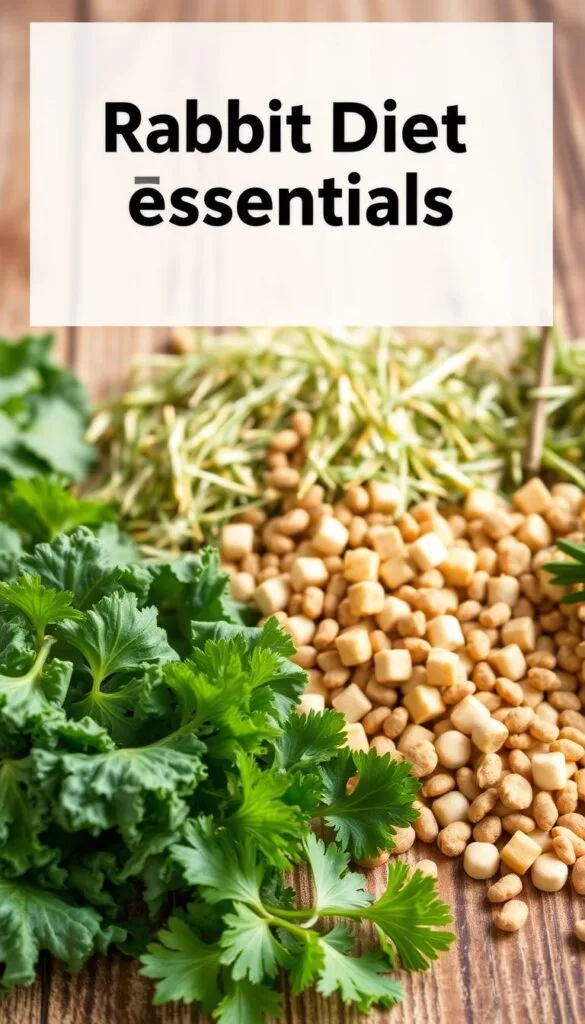
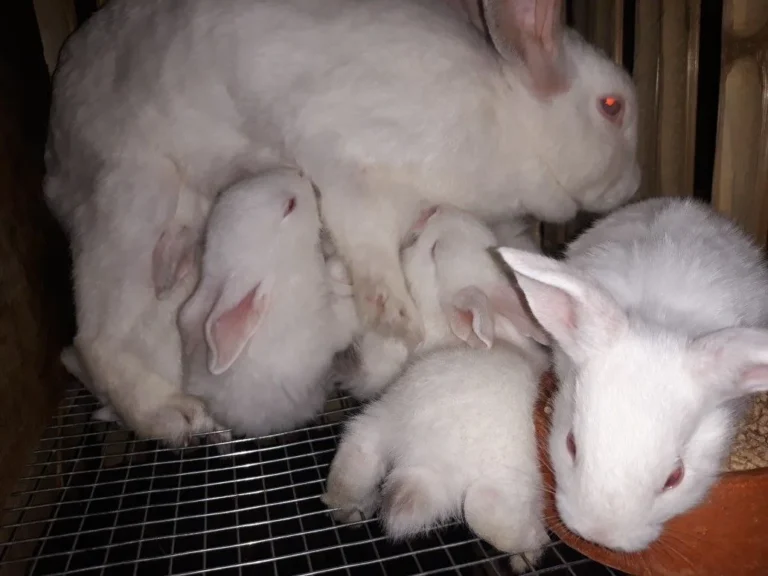
Image source: Bing (Web (fair-use with source credit))
When you bring a rabbit into your home, you're taking on the responsibility of understanding its unique needs, and feeding is at the top of that list. Getting it right means a happy, healthy bunny; getting it wrong can lead to serious health issues. So, how often should you feed a rabbit?
The answer depends on what you're feeding and the rabbit's specific life stage.
The core of a rabbit’s diet should always be unlimited access to fresh hay, providing essential fiber for their delicate digestive systems. Beyond that, you'll supplement with fresh greens and a controlled amount of high-quality pellets, typically offered in measured portions twice a day. Manufacturer specifications for leading rabbit pellet brands generally recommend a daily intake based on body weight, underscoring the need for precise portioning.
Quick Answer
Rabbits need constant access to hay. Offer fresh greens and pellets in measured portions twice daily. This schedule supports their digestive health.
Always ensure fresh water is available.
Unlimited Hay: The Golden Rule of Rabbit Diet
Your rabbit’s diet should be built around hay. It’s not just a suggestion; it’s the cornerstone of good rabbit health. This fibrous food is crucial for their digestive system to function properly.
Without enough hay, rabbits are prone to serious problems like gastrointestinal stasis.
Why Hay is Non-Negotiable
In our research and based on veterinary guidelines, hay makes up about 80% to 90% of a healthy rabbit’s diet. That's a massive chunk, and for good reason. The long-strand fiber in hay stimulates the gut, keeping things moving along.
This constant movement is essential for preventing blockages and helping your rabbit pass gas, which is vital for their comfort and survival. Think of it as the essential "sweeper" for their insides.
Types of Hay and When to Use Them
Not all hay is created equal, and knowing the differences helps you provide the best nutrition.
- Timothy Hay: This is the most common and recommended hay for adult rabbits. It has a good balance of fiber, protein, and calcium. It’s lower in protein and calcium than alfalfa, making it ideal for adult maintenance.
- Orchard Grass Hay: Similar to Timothy hay in nutritional profile, it's a great alternative if your rabbit gets bored with Timothy or if you want to offer variety. It’s palatable and high in fiber.
- Oat Hay: This hay is generally lower in protein and higher in fiber than Timothy. It’s a good choice for rabbits that are overweight or prone to putting on pounds. It has a slightly coarser texture.
- Alfalfa Hay: This is a richer, more calorie-dense hay, higher in protein and calcium. It’s perfect for young, growing rabbits (under 7 months old) or for pregnant and nursing does who have increased nutritional demands. For adult rabbits, unlimited Alfalfa can lead to obesity and bladder issues, so it's usually fed in limited quantities, if at all.

Image source: Web (Bing) / smallpetselect.com (Web image (fair-use with source credit))
You should always ensure your rabbit has access to hay 24/7. Make sure it’s fresh, clean, and dry, and housed in a hay rack or a designated area to keep it from getting soiled.
Fresh Greens: Adding Vitamins and Moisture
Beyond hay, fresh vegetables are a vital part of your rabbit’s diet, offering essential vitamins, minerals, and moisture. They add variety and important nutrients that hay alone doesn’t provide.
Building a Varied Green Mix
It's best to offer a mix of leafy greens rather than just one type. This ensures your rabbit gets a broad spectrum of nutrients and helps prevent potential issues that could arise from a diet too heavy in one specific vegetable. Some excellent greens include:
- Romaine Lettuce: A good staple, low in calories and high in water.
- Parsley: Rich in vitamins A and K.
- Cilantro: Offers a fresh flavor and is packed with antioxidants.
- Dill: Can aid digestion and is a good source of calcium.
- Kale, Spinach, and Swiss Chard: These are nutritious but should be offered in moderation due to their high oxalate content, which can interfere with calcium absorption in some rabbits. A rotation is key.
- Carrot Tops and Beet Greens: Don't throw these away! They are nutritious greens from vegetables you might be using.
You’ll want to introduce new greens slowly, one at a time, and monitor your rabbit for any signs of digestive upset, like soft stools. This gradual introduction helps their sensitive systems adjust.
How Much and How Often to Feed Greens
A general guideline, as confirmed by multiple veterinary nutrition sources, is to offer about 1 packed cup of fresh greens per two pounds of your rabbit’s body weight each day. It's most beneficial to split this amount into two servings, one in the morning and one in the evening. This mimics a more natural foraging pattern and ensures they have fresh food available throughout the day.
For example, a 5-pound rabbit would ideally receive about 2.5 packed cups of mixed greens daily, split between two feedings. Always remove any uneaten fresh greens after a few hours to prevent spoilage.
Pellets: The Smart Supplement, Not the Main Event
Pellets are concentrated nutrition, providing a blend of vitamins, minerals, and fiber. However, they should be considered a supplement to hay and greens, not the primary food source. Overfeeding pellets is a common mistake that can lead to obesity and serious digestive issues.
Understanding Pellet Purpose
High-quality rabbit pellets are formulated to provide balanced nutrition that complements the roughage from hay and the nutrients from fresh greens. They typically contain essential vitamins like A, D, and E, as well as minerals. It's important to choose plain, high-fiber pellets and avoid those with added seeds, nuts, or colored bits, as these are essentially junk food for rabbits.
How Often to Feed Pellets and How Much
Manufacturer specifications for leading rabbit pellet brands generally recommend feeding a specific amount based on your rabbit's weight. As of 2026, a widely accepted guideline for adult rabbits is about 1/4 cup of plain, high-fiber pellets per 5 pounds of body weight per day.

Image source: Bing (Web (fair-use with source credit))
It’s best to divide this daily ration into two servings, one in the morning and one in the evening. This feeding schedule helps maintain a steady intake of nutrients and supports their digestive rhythm. For instance, a 5-pound rabbit would receive roughly 1/4 cup of pellets daily, split into two 1/8 cup servings.
Always consult your veterinarian for the most accurate pellet recommendation for your specific rabbit, especially if they have any health conditions.
Feeding Schedule: Putting It All Together
Successfully feeding your rabbit involves integrating hay, greens, and pellets into a consistent routine. This consistency is key to supporting their digestive health and preventing stress.
Daily Routine for Adult Rabbits
A good daily feeding schedule for an adult rabbit looks something like this:
- Morning:
- Ensure a fresh supply of hay is available in their hay rack.
- Offer the first portion of their daily fresh greens.
- Provide the first measured serving of pellets.
- Check and refill their fresh water.
- Evening:
- Top up the hay rack with fresh hay.
- Offer the second portion of fresh greens.
- Provide the second measured serving of pellets.
- Ensure water is fresh and plentiful.
This routine provides consistent fiber, nutrients, and hydration, mimicking how rabbits might forage in the wild if they had access to a varied diet throughout the day. The key is that hay is always available, while greens and pellets are offered at set times.
Special Dietary Needs: Young, Pregnant, or Nursing Bunnies
Rabbits in different life stages have distinct nutritional requirements that alter feeding frequency and type.
- Baby Rabbits (under 6-7 months): Young bunnies are still growing and need more calories and nutrients. They should have unlimited access to alfalfa hay, which is richer in protein and calcium than timothy. Their pellet intake is also higher, and they typically don't need fresh greens introduced until they are a few weeks old, and then only in small amounts. Feeding schedules for kits should be guided by a rabbit-savvy veterinarian.
- Pregnant or Nursing Does: These rabbits have significantly increased energy and nutrient demands to support their offspring. Their diet will need to be adjusted to include more high-quality food sources, often with an emphasis on alfalfa hay and potentially increased pellet portions. Close monitoring and veterinary guidance are essential during this critical period.
For any rabbit experiencing illness or recovery, their feeding needs can change dramatically and require immediate veterinary attention.
Common Rabbit Feeding Mistakes to Avoid
Even with the best intentions, rabbit owners can sometimes fall into common feeding traps that negatively impact their pet's health. Recognizing these mistakes is the first step to preventing them.
Dangers of Overfeeding Pellets or Treats
One of the most frequent errors is providing too many pellets. As mentioned, adult rabbits only need a small, measured amount of pellets daily. Overfeeding them can lead to weight gain, digestive upset, and a reduced appetite for hay, which is their most critical food source.
Similarly, treats, whether commercial or fruit-based, should be given sparingly. Excessive treats can disrupt their delicate digestive balance, potentially causing diarrhea or GI stasis. A tiny piece of fruit, like a slice of apple or a single berry, is usually sufficient for a daily treat.
Recognizing Signs of Digestive Distress
Your rabbit's droppings are a key indicator of their digestive health. Healthy rabbit droppings are small, round, firm, and dry, like little pellets. If you notice changes, such as:
- Small, misshapen droppings: This can indicate a lack of fiber.
- Soft, mushy stools (diarrhea): This is a serious sign that requires immediate attention.
- Absence of droppings: This is a critical emergency, often signaling GI stasis.
Other signs of digestive distress include lethargy, loss of appetite, hunched posture, and grinding of teeth (a sign of pain). If you observe any of these symptoms, it’s crucial to contact a rabbit-savvy veterinarian immediately. Delaying care can be life-threatening for rabbits.
When to Consult a Rabbit-Savvy Vet About Diet
Knowing when to seek professional advice is critical for your rabbit's health. While consistent feeding practices are generally straightforward, there are specific situations where consulting a veterinarian who specializes in rabbits is essential. This isn't about second-guessing your efforts; it's about leveraging expert knowledge for complex health issues or significant dietary changes.
If you notice any of the following, it's time to call your vet:
- Sudden refusal to eat or drink: This is an emergency. A rabbit that stops eating can develop GI stasis within 24-48 hours, which is life-threatening.
- Changes in droppings: As discussed, any significant alteration in the size, shape, or consistency of droppings warrants veterinary attention.
- Weight loss or gain: If your rabbit is noticeably losing or gaining weight despite a consistent feeding routine, it indicates an underlying issue.
- Signs of pain or discomfort: Lethargy, hunched posture, teeth grinding, or changes in behavior are serious indicators of illness.
- Starting a new rabbit: Especially if it’s a young kit, pregnant, or has a known health history, a veterinary check-up is wise.
A rabbit-savvy vet can perform a thorough physical examination, assess your rabbit’s current diet, and provide tailored recommendations based on your rabbit’s age, breed, and health status. They can also help diagnose and treat conditions like dental problems, gut issues, or nutritional deficiencies that might not be apparent otherwise.
Rabbit Feeding FAQs
What is the most important food for a rabbit?
The most important food for a rabbit is unlimited, fresh hay. This provides the essential fiber needed to keep their digestive system functioning correctly and prevents serious health issues like gastrointestinal stasis.
Can I feed my rabbit table scraps?
No, rabbits should not eat table scraps. Many human foods contain sugars, salts, or ingredients that are indigestible or toxic to rabbits, leading to severe health problems. Stick to their specialized diet of hay, greens, and appropriate pellets.
How much water does a rabbit need?
A rabbit needs constant access to fresh, clean water. They typically drink a fair amount, especially when consuming dry pellets and hay. A heavy ceramic bowl is often preferred over sipper bottles as it encourages more natural drinking behavior and is easier to keep clean.
Is it okay to feed my rabbit fruit daily?
No, fruit should only be given as an occasional treat. It is high in sugar, which can cause digestive upset and contribute to weight gain. A small piece, like a slice of apple or a single berry, given a few times a week at most, is sufficient.