Why Do Rabbits Grind Their Teeth?
When you first hear a grinding sound coming from your rabbit, it's easy to feel a wave of panic. That distinct noise can be unsettling, and your immediate thought might be, "Is my bunny in pain?" It's a valid concern, as this behavior can indeed signal serious issues.

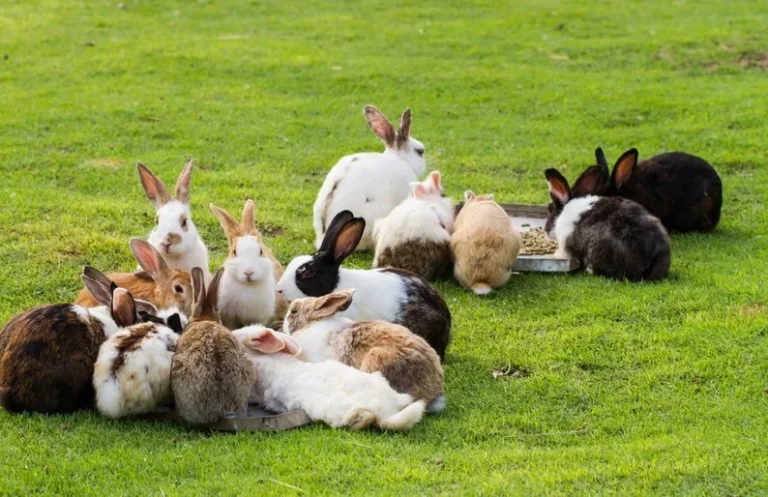
Image source: Web (Bing) / pexels.com (Web image (fair-use with source credit))
The truth is, rabbits grind their teeth for a couple of very different reasons. Understanding the nuances between a "happy" grind and a "painful" grind is crucial for recognizing when your pet needs your attention and potentially, veterinary care. As of 2026, this distinction remains a key indicator of a rabbit's well-being.
Quick Answer
Rabbits grind their teeth either out of contentment or pain. A soft, rhythmic grinding often signifies happiness and relaxation, commonly heard during petting. A louder, sharper, grating sound, however, is a strong indicator of pain, stress, or illness.
This painful grinding is a distress signal that requires prompt attention.
The Two Faces of Rabbit Teeth Grinding: Contentment vs. Concern
It's vital to recognize that not all teeth grinding in rabbits is a cause for alarm. These little creatures communicate through a range of subtle behaviors, and their teeth grinding is no exception. When you tune into the specific sound and the context in which it occurs, you can get a pretty good idea of what your bunny is trying to tell you.
The Gentle Rumble of a Happy Bunny

Image source: Bing (Web (fair-use with source credit))
When your rabbit is feeling utterly relaxed and safe, you might hear a soft, rhythmic, purring-like sound coming from them. This is often referred to as "chinning" or "happy grinding." It's a subtle, contented noise that usually accompanies positive experiences. Think of it as the bunny equivalent of a cat's purr when they're feeling loved and secure.
This sound is typically very gentle and almost imperceptible unless you're very close to your rabbit.
The Sharp Squeak of Discomfort

Image source: Web (Bing) / artofit.org (Web image (fair-use with source credit))
On the flip side, there's the sound you absolutely need to pay attention to. This is a much louder, sharper, and more grating sound, often described as a squeak or a creak. This is a clear sign that your rabbit is experiencing pain, significant discomfort, or intense stress.
It's not a subtle sound; it's a distress call that demands your immediate attention. If you hear this, your rabbit is telling you something is seriously wrong, and you need to investigate further.
What's Really Causing That Painful Grinding?
When that sharp, unpleasant grinding sound fills the air, it's your rabbit's emergency signal. This isn't just a passing mood; it's a symptom of an underlying issue that's causing them distress. Several common problems can trigger this painful reaction, and identifying the potential cause is the first step toward getting your bunny the help they need.
When Dental Drama Strikes
Rabbits' teeth are designed to grow continuously throughout their lives. This constant growth helps them chew through fibrous vegetation, wearing their teeth down naturally. However, this process can go awry.
If their diet lacks sufficient roughage, or if they have genetic predispositions, their teeth may not wear down evenly. This can lead to the development of sharp spurs on their molars, which can cut into their tongue and cheeks, causing immense pain. Malocclusions, where the teeth don't align correctly, are another common dental problem that leads to discomfort and the tell-tale grinding.
These dental issues require professional intervention from a veterinarian experienced with rabbit dentistry.
When Tummies Are Upset: GI Stasis
A rabbit's digestive system is incredibly sensitive, and any disruption can lead to a serious condition known as Gastrointestinal (GI) Stasis. This occurs when the normal muscular contractions of the gut slow down or stop altogether, causing a blockage. Rabbits in GI Stasis experience severe abdominal pain, bloating, and a loss of appetite.
The pain associated with GI Stasis is excruciating, and teeth grinding is one of the most common and urgent symptoms owners report. If you suspect GI Stasis, it's a veterinary emergency; time is critical, and prompt treatment, often involving intensive care and supportive medications, is essential.
Beyond the Gut: Other Health Issues
Pain from injuries or infections elsewhere in your rabbit's body can also manifest as teeth grinding. Whether it's a wound that's become infected, a urinary tract infection, or even a more serious internal ailment, any source of significant pain can trigger this defensive grinding behavior. Rabbits are prey animals and tend to hide signs of illness, so outward signs of pain, like teeth grinding, are often indicators that the problem has progressed to a point where they can no longer conceal it.
It's your rabbit's way of coping with discomfort that has become too overwhelming to ignore.
The Stress Factor: When Fear Causes Grinding
While physical pain is the most frequent culprit behind a rabbit's teeth grinding, extreme emotional distress can also play a role. Rabbits are sensitive creatures, and sudden loud noises, a new and frightening environment, or a traumatic event can trigger a stress response that includes teeth grinding. This might be less common than pain-induced grinding, but it's still a sign that your rabbit is experiencing significant fear or anxiety.
If the grinding is linked to stress, identifying and removing the stressor, alongside providing a secure and calm environment, is crucial for their recovery.
How to Tell If Your Rabbit Needs You (And Your Vet)
Figuring out if that teeth grinding is a happy sigh or a cry for help is the most important skill for any rabbit owner. It's not always straightforward, but by paying close attention to both the sound and your rabbit's overall demeanor, you can become a pro at interpreting these crucial signals. Think of yourself as a detective, gathering clues to understand your bunny's needs.
Reading Your Rabbit's Body Language
The sounds your rabbit makes are only part of the story. Their posture, actions, and general behavior provide essential context. When a rabbit is content and making that soft, happy grinding noise, you'll often see them relaxed and sprawling out.
They might be loafing, with their back legs stretched out behind them, or even doing a happy hop or binky. Their ears might be relaxed, not pricked forward intently, and their eyes will be soft and half-closed. They might be grooming themselves or nudging you affectionately.
However, if the grinding is sharp and concerning, their body language will likely shift dramatically. You might notice them hunched up, with their ears flattened back or twitching nervously. They may appear tense, unwilling to move, or even actively trying to hide.
Lethargy is a major red flag; a rabbit in pain often lacks the energy to move or even groom themselves. Changes in breathing, such as shallow or rapid breaths, are also serious indicators. If your rabbit isn't eating or has stopped producing droppings, that painful grinding is almost certainly tied to a severe medical issue.
Listening for Key Sound Differences
The actual sound is your primary clue. "Happy" grinding is a soft, low-frequency sound, akin to a gentle rumbling or purring. It's rhythmic and consistent, and you might only notice it when you're holding your bunny or sitting very close to them.
It's a sound that reinforces a feeling of peace and safety.
In contrast, "painful" grinding, also known as bruxism, is a much more unpleasant noise. It's often described as a loud, sharp squeak, creak, or even a hiss. It can be intermittent or continuous, but it's always jarring and indicative of distress.
This sound is often accompanied by visible signs of discomfort, like a tense jaw or facial grimace. It's the sound of your rabbit in clear, undeniable agony, and it signals the need for immediate veterinary assessment.
Immediate Steps: What to Do When You Hear Painful Grinding
Hearing that sharp, grating sound from your rabbit is your cue to act, and act fast. This isn't a situation where you can afford to wait and see. Your rabbit is telling you they are in significant discomfort, and prompt, informed action can make all the difference in their recovery and overall well-being.
The goal is to get them to a comfortable state and address the root cause as quickly as possible.
Observation and Assessment at Home
First, take a deep breath and try to assess the situation calmly. Observe your rabbit's overall behavior. Are they hunched and tense, or relaxed?
Are they grooming, eating, and drinking normally? Look for any other signs of distress, such as changes in breathing, unusual postures, or a lack of mobility. Listen carefully to the grinding sound itself, is it soft and purring, or loud and sharp?
Note any other symptoms you see, like discharge from the eyes or nose, or unusual droppings. This information will be vital when you speak with your veterinarian.
When and How to Call the Vet
If you hear the loud, sharp, painful grinding, or if your rabbit is showing any other signs of distress such as lethargy, loss of appetite, or changes in droppings, it's time to call your rabbit-savvy veterinarian immediately. Don't hesitate. Explain precisely what you're hearing and observing.
Your vet will likely want to examine your rabbit right away. They are trained to diagnose and treat the underlying causes of pain in rabbits, which can range from dental issues to serious gastrointestinal problems. Be prepared to provide them with a detailed history of your rabbit's behavior and any recent changes in their environment or diet.
Frequently Asked Questions About Rabbit Teeth Grinding
What is "happy" teeth grinding in rabbits?
Happy teeth grinding, often called "chinning" or "purring," is a soft, rhythmic grinding sound that contented rabbits make when they feel safe and relaxed. It's a sign of pure bliss and comfort, typically heard during petting or when they're settled in a cozy spot.
How can I tell if my rabbit's teeth grinding means pain?
Painful teeth grinding, or bruxism, sounds much louder, sharper, and more grating than happy grinding. It often resembles a squeak or a creak and is usually accompanied by signs of distress like hunched posture, tension, lethargy, or not eating.
Is teeth grinding always a sign of a serious problem?
No, not always. As explained, rabbits do grind their teeth out of contentment. However, the type of grinding and the accompanying body language are critical indicators.
If you hear a loud, sharp grind, or if your rabbit shows any other signs of discomfort, it should always be treated as a potential emergency.
What should I do if my rabbit is grinding its teeth loudly?
Your first step should be to observe your rabbit's behavior for other signs of distress. If you notice any indication of pain, discomfort, or lethargy, contact a rabbit-savvy veterinarian immediately. Prompt veterinary care is crucial for addressing potential underlying health issues.
Can stress cause rabbits to grind their teeth?
Yes, extreme stress or fear can sometimes cause rabbits to grind their teeth. This is less common than pain-related grinding but is still a sign of significant emotional distress. Identifying and removing the stressor, and creating a calm environment, is important if this is the suspected cause.
Maintaining Rabbit Well-being: Ongoing Care and Prevention
Keeping your rabbit healthy isn't a one-time task; it's an ongoing commitment to their well-being. This involves regular, preventative care that addresses their physical and emotional needs. By incorporating specific practices into your routine, you can significantly reduce the likelihood of issues that lead to painful teeth grinding and ensure your bunny lives a long, comfortable life.
One of the most critical aspects of ongoing care is diet. A rabbit's digestive system is designed for a constant intake of fibrous material. Therefore, an unlimited supply of good quality hay, like timothy or orchard grass, should be available at all times.
This hay is not just food; it's crucial for gut motility and for naturally grinding down their continuously growing teeth. Supplementing the diet with a measured amount of high-fiber pellets and a variety of fresh, rabbit-safe leafy greens provides necessary nutrients. Avoid feeding too many sugary treats or starchy vegetables, which can disrupt their delicate digestive balance and contribute to health problems.
Regular health monitoring is also essential. This includes daily observation of your rabbit's eating habits, water intake, and litter box usage. Any changes in these patterns can be early indicators of illness.
For instance, a decrease in appetite or a lack of droppings can signal the onset of GI stasis, a life-threatening emergency. Routine veterinary check-ups, ideally at least annually and more often for older rabbits or those with chronic conditions, are vital. A rabbit-savvy vet can perform thorough dental checks, assess your rabbit's overall health, and provide guidance on diet and care specific to your pet's breed and age.
Owners should also learn to perform basic health checks at home, such as looking at their eyes, ears, and fur for any abnormalities.
When to Seek Veterinary Intervention: Red Flags and Next Steps
Recognizing when your rabbit needs professional medical attention is a crucial skill for any owner. While you can manage day-to-day care, certain signs and symptoms indicate that a veterinarian's expertise is required. Prompt intervention can be the difference between a treatable condition and a serious crisis for your pet.
Don't hesitate to reach out to your vet if you have any concerns.
The most immediate red flag is that loud, sharp, grating teeth grinding (bruxism). This is an undeniable sign of pain or severe distress. If you hear this, contact your rabbit-savvy vet immediately.
Other critical signs include a sudden loss of appetite, a complete lack of droppings, lethargy, hunched posture, difficulty breathing, or any visible injury. Rabbits are prey animals and often hide their pain until it becomes severe. Therefore, any deviation from their normal behavior, especially if it involves a lack of activity or disinterest in food, should be taken very seriously.
When you contact your vet, be prepared to provide a detailed account of your rabbit's symptoms, including when the signs started, what you've observed, and any recent changes in their diet, environment, or routine. Your vet may recommend bringing your rabbit in for an examination. This could involve a physical exam, dental assessment, X-rays, blood work, or other diagnostic tests to pinpoint the cause of the distress.
Follow your vet's treatment plan diligently, which might include pain medication, dietary changes, or more intensive interventions, especially for conditions like GI stasis or dental disease.