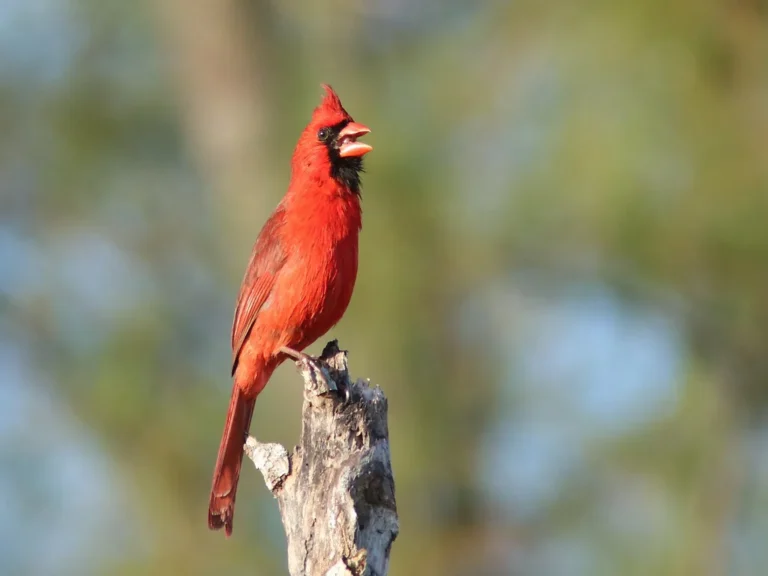
European Robin Facts
The European robin is a small, iconic songbird known for its bold personality and distinctive orange-red breast. If you have spent time in a garden, these birds have likely followed your movements as you work the soil.
These birds are highly territorial, yet they have become surprisingly comfortable living in close proximity to humans. As of 2026, research from the British Trust for Ornithology indicates that these birds remain one of the most widespread and recognizable species across the continent.
Quick Answer
The European robin is a small, territorial songbird. It displays a signature orange-red breast. It primarily consumes garden insects and worms.
These birds sing throughout the entire year. They often follow gardeners to locate hidden food.
Anatomy and Identification: Beyond the "Red" Breast

Image source: Web (Bing) / gapphotos.com (Web image (fair-use with source credit))
Identifying a European robin goes beyond just looking for that flash of orange color on the chest. They are compact birds, typically measuring between 12.5 and 14 centimeters in length. Their body shape is round and alert, supported by thin legs that are perfect for navigating low-level garden terrain.
The breast color is technically a burnt orange rather than a true red, and it extends from the face down to the upper chest. You will notice a greyish-brown border surrounding this color, which helps the bird blend into shadows. Their eyes are relatively large and dark, providing the depth perception necessary for catching moving prey like worms or small spiders.
Young robins look quite different from the adults you see on greeting cards. A fledgling robin has a mottled brown and gold appearance, which provides essential camouflage while it learns to fly. They lack the red breast during their first few months, a feature that only develops after their first autumn molt.
Behavioral Patterns: The Secret Life of Garden Robins
Robins are famous for their singing, but the reason behind it might surprise you. Most songbirds sing only to attract a mate or define a breeding territory during the spring. The robin, however, sings year-round.
This is because they maintain a permanent territory, often defending the same small patch of land throughout the winter.
Their personality is surprisingly combative. While they seem friendly to humans, they are fierce competitors with their own kind. A robin will puff up its red breast to warn intruders, and if that does not work, they will engage in high-speed chases to defend their food source.
This behavior is triggered by the color red, which they interpret as a direct challenge.
You might also notice them bobbing their heads or flicking their wings when they land. This is a common display of alertness. They are constantly scanning their surroundings for danger while maintaining their focus on potential food.
Despite their small size, their high metabolic rate keeps them active and moving for most of the daylight hours.
The Foraging Relationship: Why They Follow You
If you have ever wondered why a robin waits for you to turn over a patch of dirt, it is because you are acting as an involuntary foraging assistant. When you dig, you expose subterranean invertebrates, such as earthworms, beetle larvae, and woodlice. These are staples of the robin’s diet.
They are experts at learning human routines. If you garden regularly, they will quickly realize that the appearance of a shovel or a trowel means lunch is served. They will often land within arm's reach, waiting for you to move out of the way so they can strike at the newly exposed soil.
This relationship is purely functional from the bird's perspective. It saves them the effort of digging through hard, compacted soil themselves. They are not looking for attention, but rather for the most efficient path to a high-protein meal.
By keeping your garden soil healthy, you are essentially providing a buffet for these opportunistic hunters.
Managing Your Garden to Support a Resident Robin

Image source: Web (Bing) / wildyourgarden.com (Web image (fair-use with source credit))
Creating a robin-friendly space does not require major construction, but it does require a bit of intentionality. They prefer gardens that offer a mix of cover and open foraging space. Dense shrubs or hedges are essential, as they provide a safe refuge from predators like neighborhood cats or larger birds.
Open-fronted nest boxes are the best choice for robins. Unlike many other cavity-nesting birds that prefer small circular holes, robins prefer a larger opening that mimics a hollow in a tree or a ledge. According to guidance from the Royal Society for the Protection of Birds, placing these boxes in a shaded, quiet corner of the garden is vital for success.
| Feature | Preferred Environment |
|---|---|
| Ground Cover | Short grass or leaf litter for easy foraging |
| Shelter | Dense, low-lying shrubs or climbers |
| Water | Shallow birdbath, kept clean and ice-free |
| Nesting | Open-fronted boxes under 2 meters high |
Avoid using chemical pesticides in your garden. Since robins rely on a diet of insects and earthworms, any toxins you apply to the soil will end up in their system. A healthy, pesticide-free garden is the single most effective way to ensure your resident robins stay healthy and productive year after year.
Avoiding Common Birding and Feeding Pitfalls
One of the biggest mistakes people make when feeding robins is offering the wrong types of food. While many birds enjoy large, hard seeds, robins have delicate beaks designed for soft-bodied prey. Avoid bulk mixes containing large, hard grains, as these are often ignored or difficult for them to process.
Instead, prioritize soft, high-protein items. Dried or live mealworms are an excellent treat, especially during the colder months when natural food is scarce. You can also offer crushed peanuts or suet pellets, which provide the high fat content they need to survive freezing nights.
Water quality is another common oversight. Because they bathe frequently, their water sources can get dirty quickly. A simple ceramic saucer or a shallow plastic bowl works better than a deep, ornate birdbath.
Change the water daily to prevent the buildup of bacteria, and remember that in winter, you must ensure it remains liquid by breaking any ice that forms.
Vital Statistics and Scientific Context
Understanding the biological reality of these birds helps put their garden presence into perspective. Scientifically classified as Erithacus rubecula, the European robin belongs to the Muscicapidae family. They are not actually related to the American robin, which is a member of the thrush family.
The typical adult weighs between 16 and 22 grams. Despite this small stature, they possess a surprisingly high metabolic rate that requires them to feed constantly. This drives their near-constant activity and boldness when foraging near human activity.
Lifespan data indicates that most individuals in the wild live only 1 to 3 years. High predation rates and the energetic costs of defending a territory throughout the winter contribute to this short duration. They are highly resilient, however, and populations remain stable across their range.
The song you hear is complex and fluid, consisting of a mix of high-pitched notes and slower, warbling phrases. Because they sing year-round, they are one of the few birds that provide a constant soundtrack to a garden. Their song patterns change in intensity based on the season and the presence of potential rivals.
Frequently Asked Questions
Can I tame a wild robin to eat from my hand?
It is possible to get a robin to take food from your hand through patience and repetition. Move slowly and avoid making sudden gestures that might startle the bird. Sit quietly near a common feeding spot and offer mealworms on a flat palm.
Never force the interaction, as trust builds over many weeks.
Why do robins attack their own reflections?
Robins are hyper-territorial and view their own reflection as an intruding rival. When they see a red breast in a window or a car mirror, they attack it to drive the competitor away. You can stop this by placing a piece of cardboard or a sticker on the outside of the glass.
Where do robins go during the winter months?
In the United Kingdom and Ireland, European robins are largely sedentary and stay in their territories all year. In Northern and Eastern Europe, however, many migrate south to warmer regions to avoid harsh conditions. Those that stay rely on the consistent food supply provided by their established, defended patches of land.
How do I tell a male robin from a female?
There is no reliable way to distinguish males from females based on their appearance alone. Both sexes possess identical plumage and size traits. Ornithologists often use specific ringing or genetic testing to identify sex, as their behavior is the only real indicator during the breeding season.
Do robins nest in trees or on the ground?
Robins are highly adaptable and will nest in a wide variety of locations. They prefer sheltered spots like ivy banks, hedgerows, and man-made structures like sheds or hanging baskets. They avoid building nests in exposed tree branches, opting instead for hidden, stable crevices that keep their eggs safe from predators.