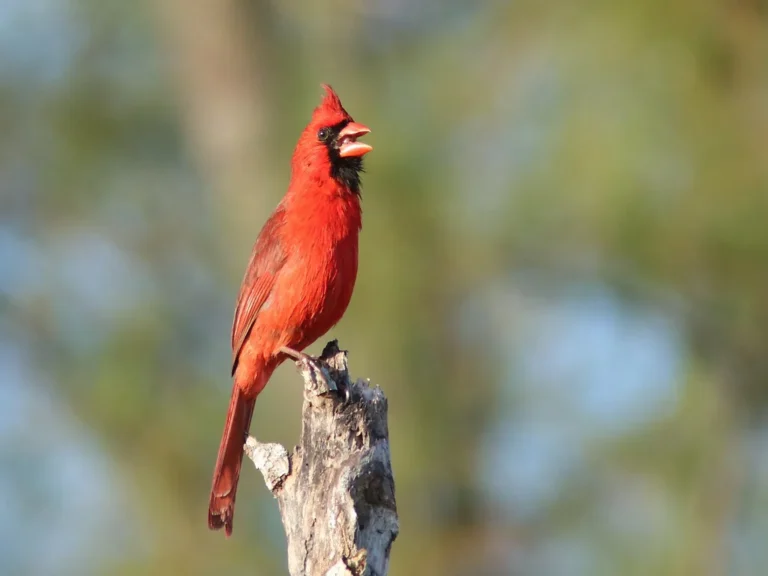
Goldfinch Facts
The American Goldfinch is a common sight in North American backyards, though many people overlook them until their bright yellow colors arrive in spring. Understanding these bird's unique goldfinch facts helps you spot them and provide the right environment for them to thrive.
These birds are easily recognized by their small, conical beaks and distinctive, bouncy flight patterns. As of 2026, scientific observations confirm they are one of the few species that undergo a complete body molt twice each year.
Quick Answer
The American Goldfinch is a small, seed-eating North American bird. It displays bright yellow plumage during the summer months. These finches eat seeds rather than insects.
They nest much later than most other songbirds. Their flight path looks like a rhythmic, bouncy roller coaster.
Identifying the American Goldfinch: A Visual Guide
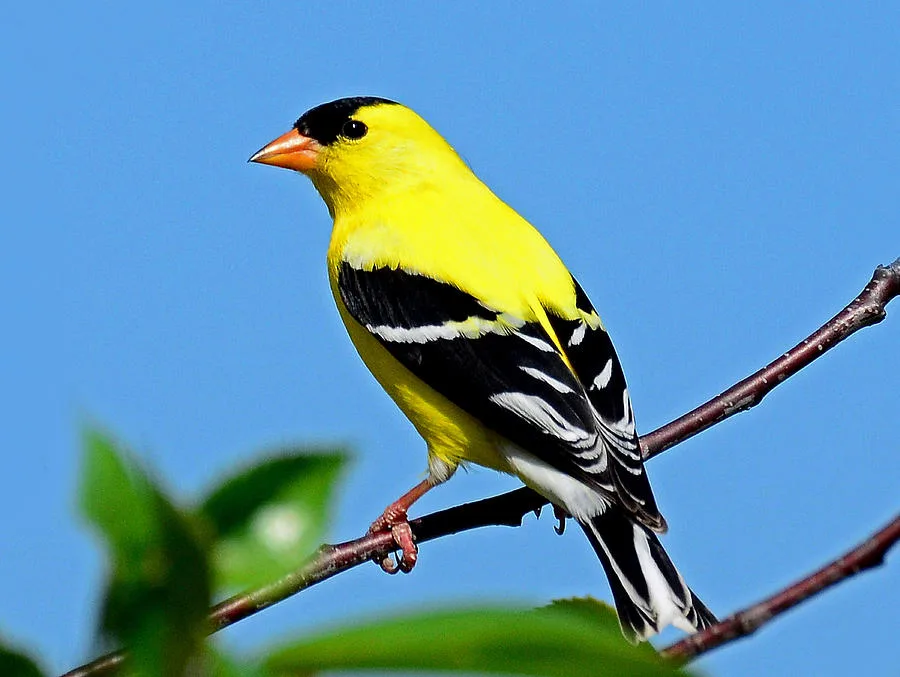
Identifying a goldfinch requires more than just looking for a flash of yellow. During winter or early spring, the males lose their vibrant color and appear much more like the muted, olive-brown females. The most reliable way to identify them regardless of the season is by their white wing bars and short, notched tails.
When they are in flight, goldfinches are unmistakable. They follow a rhythmic, undulating path that rises and falls like a rolling wave. While they move through the air, they often vocalize with a call that sounds like "po-ta-to-chip." This rhythmic, three-syllable call is a key field identifier for birdwatchers across the continent.
Their beaks also provide a clear clue for identification. They possess small, conical beaks that are perfectly adapted for gripping and cracking open tiny seeds. Unlike the stouter, more aggressive beaks of house finches, the goldfinch beak is delicate and consistently pink or pale orange in color.
If you are ever unsure, look for these physical traits:
- White Wing Bars: Two distinct white stripes on dark wings.
- Beak Shape: A short, sharp, conical shape for seed extraction.
- Flight Pattern: An up-and-down, bouncy motion during flight.
- Tail Markings: A small notch at the tip of the tail feathers.
Seasonal Plumage: Understanding the Molting Cycle
Most songbirds molt their feathers once a year, usually after the breeding season is complete. Goldfinches break this rule by molting twice annually. This creates a drastic shift in their appearance as they cycle between their breeding and non-breeding plumage.
In late spring, males undergo a molt that reveals the brilliant, lemon-yellow feathers and jet-black caps they are famous for. By late fall, they lose these bright colors and shift into a duller, brownish-grey coat. This camouflage helps them stay hidden during the colder months when predators might be more active.

The process is biologically demanding and requires significant nutrition. During the molt, the birds consume extra seeds to support the growth of new plumage. You can track this cycle by noting the colors at your feeders.
As the days lengthen, you will see the transition from grey to yellow begin to take hold.
Why Goldfinches Nest Later Than Other Songbirds
Goldfinches are notoriously late nesters, often waiting until mid-summer to begin building their homes. While robins and bluebirds are busy with their second brood in June, goldfinches are usually still gathering in small, social groups. This isn't a mistake or a delay; it is a calculated evolutionary survival strategy.
Their nesting timeline is synced with the maturation of specific plants, particularly those in the thistle and milkweed families. Goldfinches feed their chicks almost exclusively on seeds rather than the insects that many other songbirds rely on for protein. By waiting until July or August, they ensure a massive, consistent food supply is available for their young.
The nest itself is a feat of engineering, often lined with soft plant down from milkweed or thistle. It is built tightly enough to hold water, which keeps the nestling environment stable. By the time the chicks hatch, the fields are full of the high-energy seeds they need to grow quickly and prepare for their first migration.
Creating a Goldfinch-Friendly Backyard Habitat
Attracting goldfinches to your yard is easier when you prioritize their dietary needs. They are specialists in the garden, and they tend to favor areas with native plants over standard ornamental landscaping. If you want to see them regularly, focus on providing a mix of food and shelter.
You should consider incorporating native wildflowers that produce small seeds, such as sunflowers, coneflowers, and asters. Leaving these flower heads standing through the winter provides a natural, renewable food source. The Cornell Lab of Ornithology suggests that native plantings significantly increase the likelihood of attracting a consistent flock.
Water is another major draw for these birds. Like most songbirds, they need water for both drinking and bathing. A shallow birdbath with moving water or a gentle drip system can catch their attention from a distance.
If you keep the water clean and shallow, you’ll likely see them stopping by daily.
- Host Plants: Milkweed, thistle, and coneflower.
- Shelter: Dense shrubs or coniferous trees for protection.
- Water: Shallow basins with a birdbath heater during winter months.
- Protection: Avoid using pesticides that eliminate natural weed seeds.
Best Practices for Feeder Selection and Maintenance
Goldfinches have specific feeder requirements due to their small size and specialized beak structure. Standard hopper feeders with large openings are often dominated by larger birds like jays or blackbirds. To support goldfinches, you need feeders designed to accommodate their agility and seed preferences.
Nyjer seed, often called thistle, is the gold-standard food source for these birds. Because these seeds are tiny, they require a mesh feeder or a "thistle sock" that keeps the seeds contained while allowing the birds to pull them through the fabric. This prevents waste and keeps the birds busy for longer periods.

Maintenance is the most critical part of the feeding process. Because goldfinches feed in large, social groups, they are susceptible to passing infections if the feeding site is unsanitary. You should clean your feeders with a diluted bleach solution every two to three weeks.
Always allow the equipment to dry completely before refilling to prevent mold growth on the seeds.
| Feeder Type | Best Seed Type | Maintenance Frequency |
|---|---|---|
| Mesh Sock | Nyjer (Thistle) | Replace monthly |
| Tube Feeder | Sunflower Hearts | Every 2 weeks |
| Tray Feeder | Mixed Seeds | Daily cleaning |
Avoiding Common Mistakes in Goldfinch Care
The most frequent mistake birdwatchers make is failing to store seed correctly. Nyjer seed has a high oil content and can go rancid quickly when exposed to humidity or heat. Keep your seed in an airtight container in a cool, dark place to maintain its freshness and nutritional value.
Another common error is ignoring the health of the birds at your feeder. Goldfinches are highly susceptible to salmonellosis and conjunctivitis, especially when many birds congregate in a small space. If you notice a bird with crusty, swollen eyes or one that appears lethargic, take your feeders down immediately.
Leaving a feeder up during an outbreak is one of the quickest ways to spread illness through your local flock. Scrub every feeder with a 10 percent bleach solution, and let the equipment air-dry for at least 48 hours before putting it back out. During this time, consider offering natural food sources like sunflower heads instead of a centralized feeder.
Finally, avoid the trap of "over-cleaning" your yard. Goldfinches rely on dried stalks and seed heads during the winter, so don't be too quick to tidy up your garden in late autumn. Those dead plants are essentially natural feeders that provide the exact nutrients they need to survive freezing nights.
Frequently Asked Questions About Goldfinch Behavior
Do goldfinches migrate?
Many populations are migratory, moving south as food sources become scarce in the north. However, some goldfinches remain in the same region year-round if they can find reliable food. Their movement is often less about temperature and more about the availability of seeds in the landscape.
How can I tell a goldfinch from a house finch?
Look closely at the wing patterns and the beak shape. Goldfinches have distinct white bars on their wings, while house finches display a more streaky, brown-and-white wing pattern. Goldfinches also have smaller, more delicate, pinkish beaks compared to the thicker, curved beaks of house finches.
Why do goldfinches fight at the feeder?
They are social birds, but they do establish a clear hierarchy, especially when food is limited. You will often see them display aggressive postures, such as opening their beaks toward one another to establish dominance. Adding more feeding stations or spreading food out can reduce these scuffles and allow more birds to eat.
How long do American goldfinches live?
In the wild, their average lifespan is often estimated at three to six years. Environmental factors like predation, severe weather, and access to food impact their longevity. Proper care in backyard settings can help them maintain health, but they remain vulnerable to natural hazards in the wild.
Are they aggressive toward other species?
Goldfinches are generally non-aggressive toward other species and prefer to stick to their own kind. They are more likely to wait patiently or fly away than to initiate a confrontation with larger birds like cardinals or blue jays. If you want to encourage them, use dedicated thistle feeders that larger, more aggressive birds find difficult to use.