Types of Songbirds
If you’ve ever sat on your porch with a coffee, listening to the morning chorus and wondering exactly who’s making that racket, you’re not alone. Identifying the various types of songbirds in your backyard can feel like a daunting task, but it is one of the most rewarding ways to connect with nature. Whether you are observing a cardinal at your feeder or listening to a warbler high in the trees, these birds belong to the order Passeriformes and are defined by their complex vocalizations.
Understanding the specific traits that distinguish these species turns a confusing array of feathers into a clear, identifiable system. By focusing on plumage, behavior, and environment, you will find that identifying your local visitors becomes second nature as of 2026.
Quick Answer
Songbirds belong to the scientific order Passeriformes. They share unique vocal anatomy for complex singing. Identification relies on plumage, beak shape, and habitat.
You can classify them by their specific feeding behaviors. Most backyard species are either ground-dwellers or tree-dwellers.
Why Visual Identification is the Key to Songbird Mastery
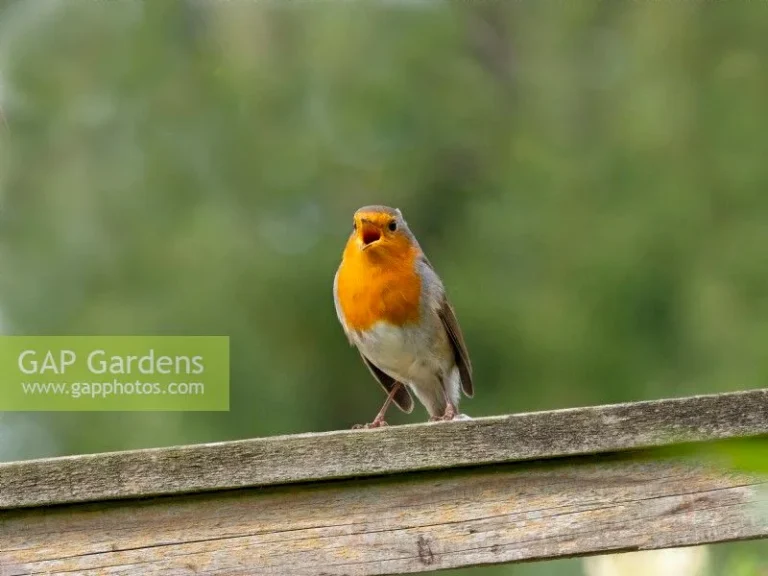
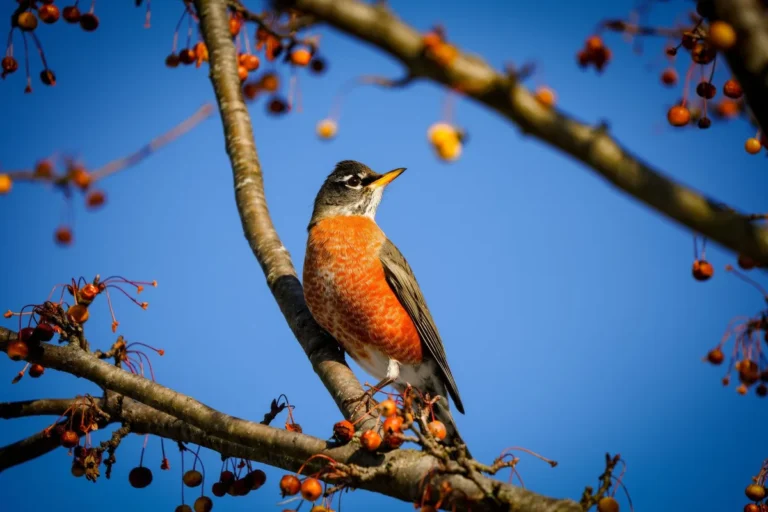
Visual identification is the foundation of birding. You start by looking at the field marks that set one species apart from another. These marks include color patterns, wing bars, and tail shapes.
Learning these cues takes time, but they remain constant. You don’t need to guess if you know what to watch for. A bird’s silhouette can tell you as much as its color can.
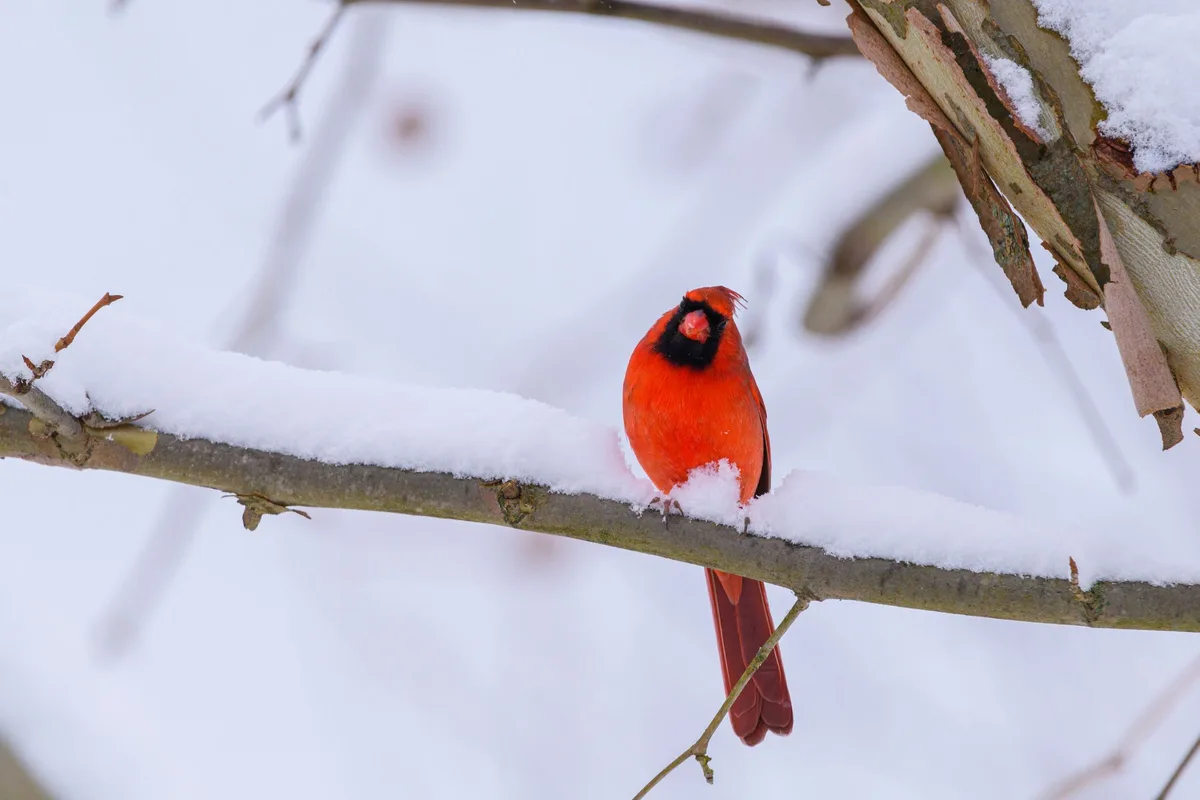
Image source: Web (Bing) / pexels.com (Web image (fair-use with source credit))
When you first start, focus on common species in your immediate area. You can look up regional checklists provided by the Cornell Lab of Ornithology to narrow down your options. These resources help you filter out birds that aren't likely to be in your region.
Recognizing Physical Anatomy and Field Marks
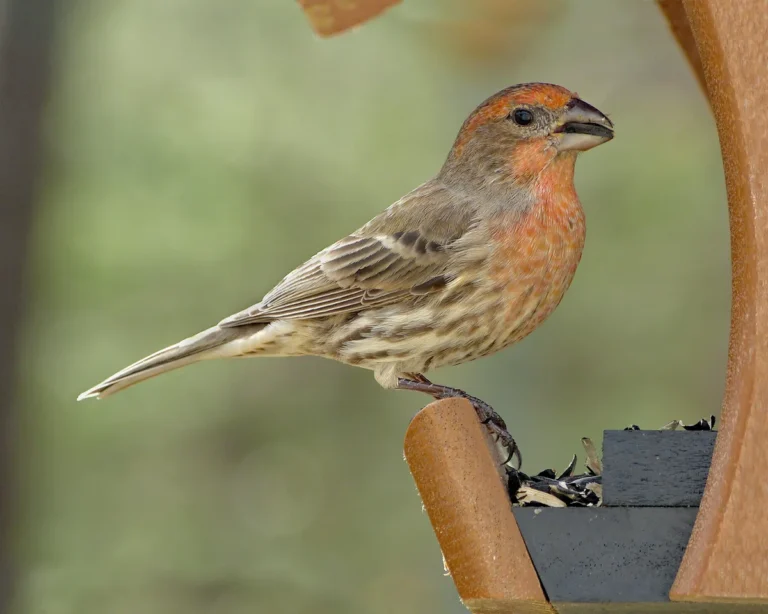
Physical anatomy provides the most reliable data for identification. The shape of a bird's beak is the first thing to check because it reveals the bird’s diet. A thick, cone-shaped beak indicates a seed-eater, while a slender, needle-like beak suggests an insectivore.
You should also look for distinctive markings on the head and wings. Many birds have an eye-ring or a supercilium, which is a stripe of color running above the eye. These details are essential when two species look similar.
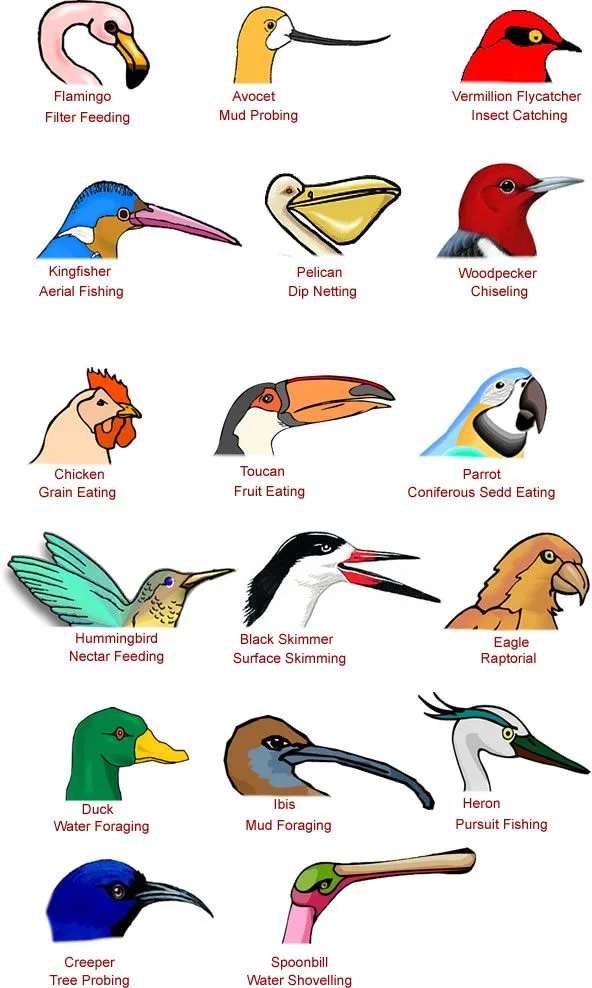
Image source: Web (Bing) / atlantafigures.org (Web image (fair-use with source credit))
Pay attention to wing bars as well. These are patches of color, often white or yellow, that appear when the wings are folded. You can find visual charts of these anatomical features in standard field guides to verify your findings.
The Guild System: Identifying Birds by Habitat and Behavior
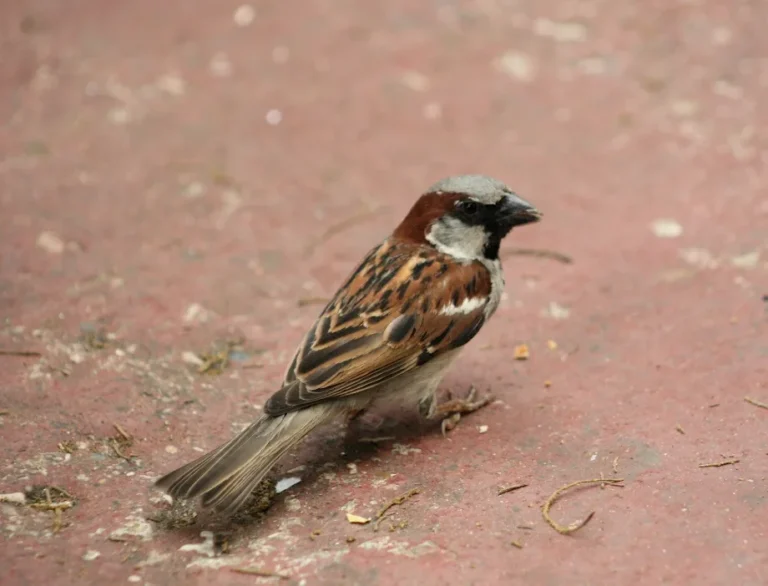
Birders often organize species into guilds based on where they spend their time. Ground-feeding birds act differently than canopy-dwelling birds. Sparrows and juncos, for example, spend their energy scratching at the earth.
If you see a bird clinging to the side of a tree trunk, you are likely looking at a nuthatch or a woodpecker. Their behavior is a direct result of their survival strategy. You can predict where a bird will be by understanding its preferred habitat.
| Guild Category | Common Species | Primary Feeding Zone |
|---|---|---|
| Ground Feeders | Sparrows, Juncos | Leaf litter, garden soil |
| Canopy Dwellers | Warblers, Tanagers | High branches, dense leaves |
| Feeder Visitors | Finches, Chickadees | Backyard bird feeders |
Knowing the vertical layer of the yard a bird occupies saves you time. Focus your gaze on the right height for the type of bird you hope to see.
Interpreting Vocalization Patterns and Rhythms
Songbirds use vocalizations for mating and defending territory. Because many birds look alike, their songs are often the only way to tell them apart. You don't need to be a musician to recognize these patterns.
Listen to the speed and pitch of the song. Some birds produce a rapid, high-pitched trill, while others offer a slow, melodic whistle. Practice helps you tune out the background noise.
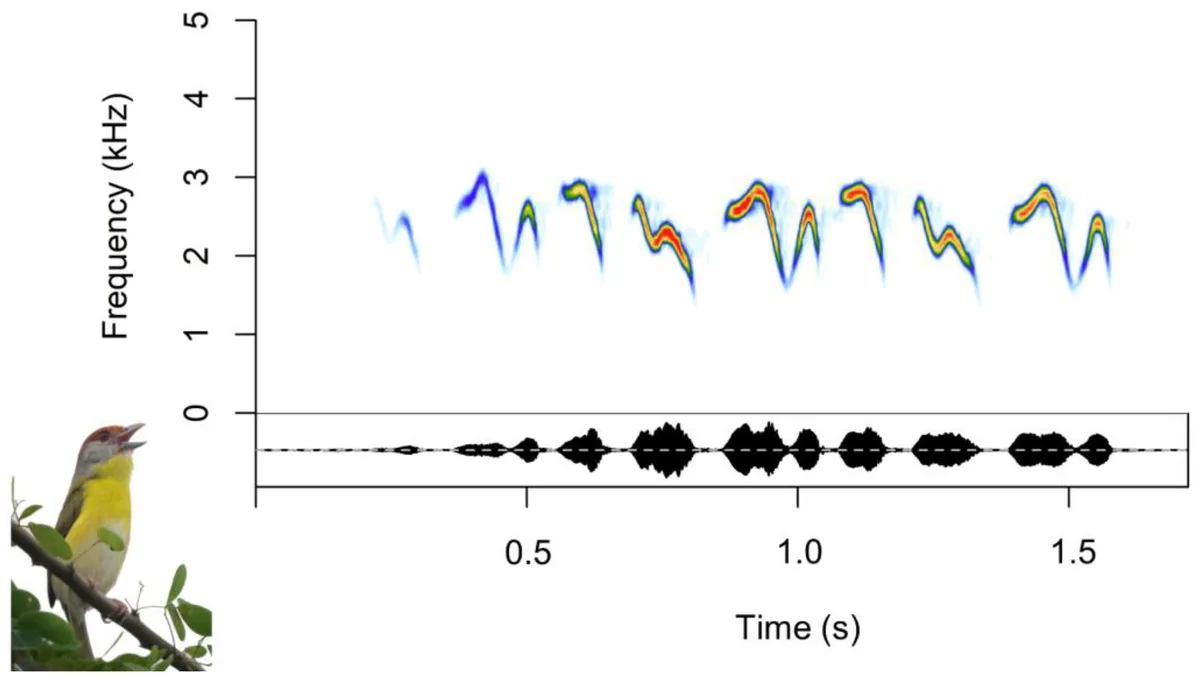
Image source: Web (Bing) / mdpi.com (Web image (fair-use with source credit))
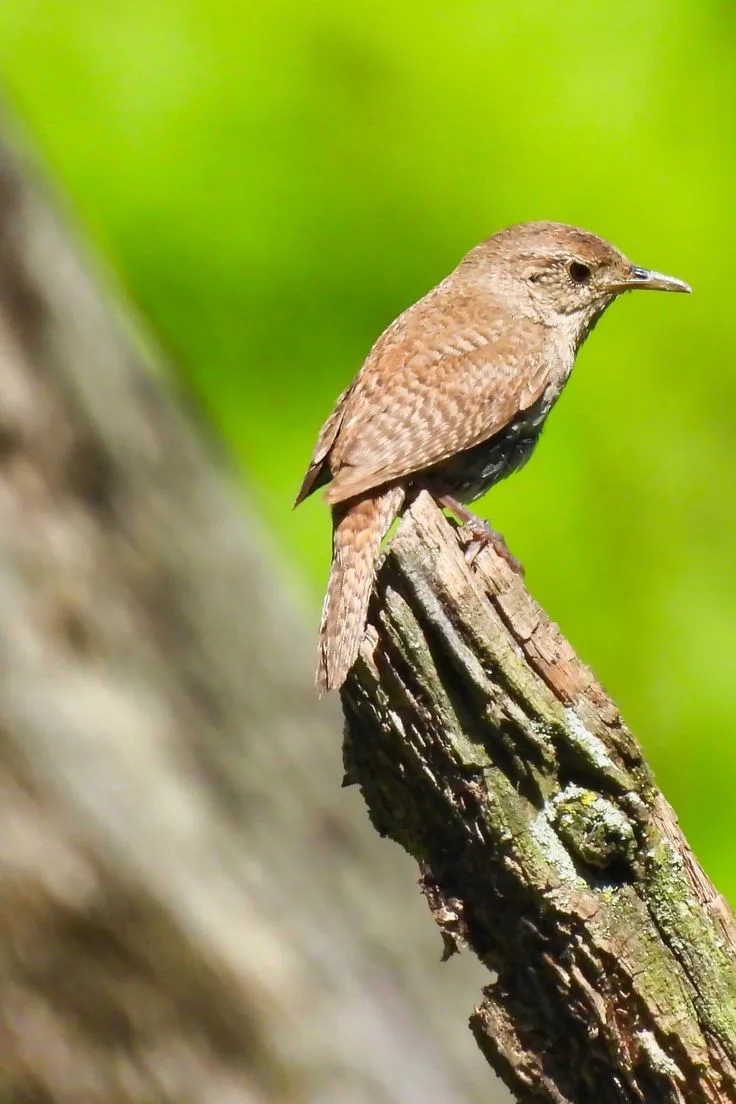
If you struggle to identify a song, try to describe the rhythm to yourself. "Tea-kettle, tea-kettle" is a famous mnemonic for the Carolina Wren. Scientists often use spectrograms to visualize these sounds, which confirms that each species has a unique acoustic signature.
Avoiding Common Identification Pitfalls and Confusion Points
The most common mistake is assuming a bird is a rare species when it is actually a common one in a different season. Many birds change their plumage from summer to winter. A bright male bird might look dull and brown during the non-breeding months.
Another frequent error is forgetting that juveniles look different from adults. Young birds often have streaky, muted colors that don't match the illustrations in your guidebook. Always consider the time of year and the bird's age before reaching a conclusion.
- Check the season: Is the bird currently migrating through your area?
- Observe the movement: Is it a solitary bird or part of a flock?
- Verify the habitat: Is this species actually found in this environment?
When in doubt, take a photo or a quick video if possible. Comparing a static image to a reference guide is much easier than trying to recall details from memory. Patience remains your most valuable tool in the field.
Ethical Birding: Protecting Populations and Habitats
Ethical birding starts with the idea that the birds always come first. You should observe them from a distance that does not alter their natural behavior. If a bird stops feeding, starts calling repeatedly, or flushes from its perch because of your presence, you are too close.
You should also minimize the use of audio playback to lure birds for better views. While it might seem harmless, constant playback causes stress during critical times like migration or nesting. The [U.S.
Fish and Wildlife Service](https://www.fws.gov) provides guidance on how to respect wildlife during all seasons.
- Keep your distance when birds are nesting.
- Stick to marked trails to protect sensitive ground-nesting areas.
- Avoid using flash photography, as it can startle birds in low light.
- Keep pets on a leash if you are birding in public parks.
Protecting habitat is just as important as your actions in the field. By planting native species, you provide the natural food sources that local populations need to survive. A garden full of native seeds and insects is much more valuable than a plastic feeder filled with cheap filler.
Frequently Asked Questions
What is the easiest way to start identifying songbirds?
Start by learning the five most common birds in your specific zip code. Use a basic field guide or a reliable app to match photos to what you see. Focus on one bird at a time rather than trying to memorize an entire list.
You will build your skills quickly through repetition.
How do I distinguish between a sparrow and a finch?
Look closely at the beak and the chest markings. Sparrows typically have streaky, brown-patterned chests and prefer feeding on the ground. Finches often feature brighter colors, like red or gold, and have stouter, triangular beaks for crushing hard seeds.
Their flight patterns also differ, with finches showing a more bounding, rhythmic flight.
Can I identify songbirds just by their call?
Yes, you can identify many species by their songs once you learn to recognize the rhythm and frequency. Many birds have distinct, repeating patterns that serve as a sonic fingerprint. It takes practice, but associating a specific sound with a visual encounter helps solidify your memory.
You can also use audio libraries online to study.
Why do some birds look different in the spring than they do in the fall?
Many species undergo a molt before the breeding season, which brings out their vibrant breeding plumage. By autumn, these bright feathers have worn down or are replaced by duller, more cryptic colors for winter survival. This change helps them blend into the environment when they are not competing for mates.
What should I do if I find an injured songbird?
Do not attempt to feed or treat the bird yourself, as wild birds require specialized care. Instead, contact a local wildlife rehabilitator or your state wildlife agency for instructions. Many birds that look injured are actually fledglings learning to fly, so it is often best to keep pets away and monitor them from afar.