House Sparrow Facts
The house sparrow is a hardy, non-native bird that has become a familiar presence in nearly every town across North America. Learning these house sparrow facts helps you better understand why this resilient species thrives in human-altered landscapes while often outcompeting local birds for essential nesting sites.
As of 2026, research from the Cornell Lab of Ornithology confirms these birds are strictly non-migratory and highly social. They maintain complex colonies and rely on human-provided resources, often settling within 1.5 miles of their birthplace for their entire lives.
Quick Answer
The house sparrow is an invasive, non-native bird species.
They possess a thick, seed-cracking conical bill.
Males feature a distinct gray crown and black bib.
Females show plain brown plumage with eye stripes.
These birds never migrate and stay year-round.
Identifying the House Sparrow: Visual Cues and Behavior

Identifying a house sparrow comes down to recognizing their energetic, non-stop movement and specific field marks. You will rarely see them walking or strutting on the ground. Instead, they move with a frantic, rhythmic hopping motion that distinguishes them from many native ground-foraging birds.
Sexual dimorphism is extremely pronounced in this species, making it easy to identify the sexes once you know what to look for. Males sport a bold, charcoal-colored bib on their throat and a soft gray crown that contrasts with their chestnut neck patches. Females are more subtle, wearing a palette of muted browns, grays, and buff tones, with a clean pale stripe extending back from the eye.
When you observe a flock, watch for the aggressive, high-energy interactions. They use a range of chattering, chirping calls that sound repetitive and buzzy. Unlike some native sparrow species that prefer dense brush or tall grasses, house sparrows gravitate toward human architecture.
You will frequently find them gathered near streetlights, building eaves, or garden vents.
Why the House Sparrow Is a Unique Backyard Guest
The house sparrow is a master of adaptation, primarily because it evolved alongside human agricultural practices for thousands of years in Eurasia. Their status as a synanthropic species means they do not just tolerate humans, they rely on us. They have effectively traded the wild for the convenience of our structures.
Their success stems from a generalist diet. While native birds may require specific seeds or berries, house sparrows act as opportunistic feeders. They will readily consume kitchen scraps, insects, and commercial birdseed mixes.
This broad dietary preference allows them to maintain populations in areas where other bird species might struggle to find specialized food sources.
Being non-migratory is another key trait. While many native species must expend massive energy to fly south during winter months, house sparrows occupy their territory year-round. They utilize existing cavities in man-made structures to survive freezing temperatures, often congregating in groups to conserve body heat.
Understanding Their Social and Nesting Habits
House sparrows are colonial nesters. They feel safest when they are part of a larger group, which leads to their tendency to build multiple nests in the same general location. This social structure allows for better detection of predators, as multiple birds are constantly scanning the area while others feed.
Their nesting habits are remarkably flexible compared to most native species. They will squeeze a ball of grass, feathers, and string into almost any available space. Common nesting sites include:
- Building soffits and drainage pipes.
- Abandoned light fixtures or signs.
- Hollows in mature trees, if available.
- Traditional bluebird boxes, which they often hijack.
The breeding cycle is rapid and productive. They can raise multiple broods per season, often beginning as early as February in warmer climates. A single female might lay 3 to 7 eggs per clutch, and the incubation period is a short 10 to 14 days.
This quick turnover allows their population to bounce back rapidly even after a harsh winter.
Navigating Nesting Competition and Garden Conflicts
The biggest challenge house sparrows present to backyard bird enthusiasts is their aggressive competition for nesting cavities. Native cavity-nesters, such as the Eastern bluebird or tree swallow, often stand little chance when a colony of house sparrows decides to claim a nearby box.
The behavior is not just competitive; it is often destructive. House sparrows have been observed entering the boxes of other birds to destroy eggs or even kill nestlings. This behavior is a primary reason that many conservationists who focus on native songbirds take active steps to exclude house sparrows from their property.
If you are a gardener, you might also find that their flocking behavior can lead to large groups descending on newly planted seeds or tender seedlings. Their persistent presence can feel overwhelming in small, managed spaces. Managing them effectively requires balancing your interest in birding with the health of the native ecosystem you want to foster.
Managing Your Feeder and Garden Environment
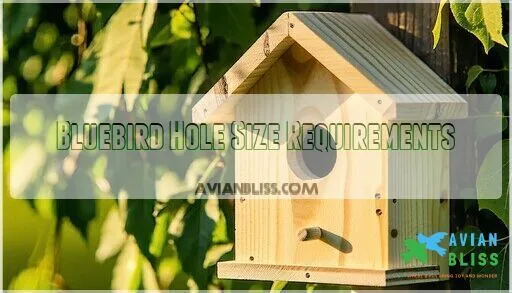
Managing your property to favor native species requires intentional hardware choices. If you use birdhouses, the most effective tool is the use of size-specific entrance holes. House sparrows generally require an entrance of 1.5 inches to enter comfortably.
Using a box with a 1 1/8 to 1 1/4 inch hole will often exclude them while allowing smaller native birds like chickadees or wrens to enter safely.
Regarding your bird feeders, the type of seed you offer makes a huge difference. House sparrows strongly prefer:
- Cracked corn and wheat mixtures.
- Millet (often found in cheap, bulk birdseed blends).
- Table scraps and bread crumbs.
To reduce their presence, stop buying inexpensive blends that contain high ratios of millet and corn. Instead, switch to black-oil sunflower seeds or safflower seeds. Many house sparrows do not prefer these, and they are generally ignored by these birds in favor of more accessible grain sources.
Per the USDA agricultural extension guidelines, keeping feeders clean and clearing away scattered seed from the ground also discourages the colony from congregating directly under your feeder setup.
Essential Data: Specs and Biological Metrics
Understanding the biological performance of this species helps explain their widespread success as an invasive organism. Their reproductive metrics are high, which allows them to saturate local environments quickly. Females reach reproductive maturity within one year, and they can produce up to four broods annually in temperate climates.
| Metric | Typical Value |
|---|---|
| Clutch Size | 3 to 7 eggs |
| Incubation Period | 10 to 14 days |
| Fledging Age | 14 to 16 days |
| Average Lifespan | 2 to 3 years |
These data points reflect a reproductive strategy that prioritizes volume and speed over long-term individual survival. By keeping incubation and fledging times short, they minimize the window during which their young are vulnerable to nest predators.
Physical specifications are also consistent. Most adults weigh between 24 and 35 grams, with a wingspan of approximately 7 to 9 inches. Their compact, sturdy body shape is a functional design for maneuvering through dense urban settings, such as parking garages or congested strip mall signage.
Frequently Asked Questions
Are house sparrows protected by law?
House sparrows are not protected under the Migratory Bird Treaty Act in the United States. Because they are an introduced, invasive species, they do not receive the same federal protections afforded to native songbirds. This allows for specific management actions that would be illegal if applied to native species.
How do I stop house sparrows from eating all my birdseed?
The most reliable method is switching your seed type. Avoid cheap filler seeds like millet, milo, and cracked corn that these birds target. Stick to black-oil sunflower seeds or safflower seeds, which attract native cardinals and finches while deterring the sparrow flocks.
Do house sparrows migrate during the winter?
They are non-migratory and remain in their established territories year-round. They survive winter by seeking shelter in building cavities or thick vegetation. If you have an active colony in your neighborhood, you will see them throughout the entire year, regardless of temperature drops.
How do I tell a house sparrow from a house finch?
Look closely at the male birds to see the major differences. A male house finch has a red or orange wash across its chest and head. A male house sparrow never has red feathers and displays a distinct, solid black bib on its throat instead.
Can I relocate a house sparrow nest?
Relocating a nest is rarely successful because these birds have strong attachments to specific sites. If the nest is empty, you can remove it to discourage them from returning to that specific spot. If the nest contains eggs or nestlings, check with your local wildlife agency for specific guidance on removal policies.