Can Rabbits Eat Bread?

Image source: Bing (Web (fair-use with source credit))
A common question among rabbit owners is "Can rabbits eat bread?". While it might seem like a harmless snack, giving your rabbit bread is actually a recipe for potential health problems. This starchy human food lacks the essential nutrients rabbits need and can seriously disrupt their delicate digestive systems.
Our research shows that most commercially available breads, whether white, whole wheat, or sourdough, contain high levels of carbohydrates and sugars that are difficult for a rabbit's gut to process. For instance, according to the Association of Pet Rabbit Vets, a rabbit's digestive tract is designed to process high-fiber foods, and bread simply doesn't fit that bill. Understanding what makes bread unsuitable is the first step in ensuring your bunny stays healthy and happy.
Why This Question Matters for Your Rabbit
It's easy to see a slice of bread and think it's just a small treat, especially if your rabbit seems curious about it. However, a rabbit's digestive system is incredibly sensitive and quite different from ours. What might be perfectly fine for a human can cause significant internal distress for a rabbit, leading to issues that range from mild tummy aches to life-threatening conditions.
Our goal here is to equip you with the knowledge to make the safest choices for your pet's well-being.
Ensuring your rabbit receives a diet specifically suited to its biological needs is paramount. This isn't just about preventing immediate discomfort; it's about promoting long-term health, vitality, and a good quality of life for your furry companion. Making informed dietary decisions means actively avoiding foods that can cause harm, even if they seem innocuous at first glance.
Quick Answer: Bread is Not a Rabbit Food
No, rabbits should not eat bread. Bread is high in carbohydrates and sugar, and it lacks the fiber that rabbits need. Feeding bread to rabbits can lead to serious digestive problems, nutritional deficiencies, and obesity.
It offers no nutritional benefit and poses significant health risks.
The Real Deal: What's in Bread and Why it's Bad for Rabbits
Bread is a processed food primarily made from grains like wheat, rye, or corn. While we enjoy it for its taste and texture, for a rabbit, it’s nutritionally inappropriate and potentially harmful. The core components of bread, particularly its high starch and sugar content, clash directly with the biological requirements of a rabbit’s digestive system.
The Danger of Grains and Starch
Rabbits are hindgut fermenters, meaning they have a specialized digestive system designed to break down large amounts of fibrous plant material. Their cecum, a large pouch off the large intestine, houses bacteria that ferment fiber into nutrients. Bread, on the other hand, is packed with starch and simple sugars.
When a rabbit consumes these, the starches are quickly converted into sugars in the stomach and small intestine, overwhelming the gut's natural balance.
This rapid sugar influx can lead to a dangerous overgrowth of bad bacteria in the gut, while the beneficial bacteria that rabbits rely on for digestion are suppressed. This imbalance can cause a cascade of health issues, from painful gas and bloating to diarrhea and a potentially fatal condition known as gut stasis, where the digestive system grinds to a halt. The lack of sufficient fiber in bread means it doesn’t provide the necessary roughage to keep the digestive tract moving properly.

Image source: Web (Bing) / fity.club (Web image (fair-use with source credit))
Lack of Essential Nutrients
Beyond the immediate digestive dangers, bread is nutritionally empty for rabbits. It doesn’t provide the vitamins, minerals, or protein that are crucial for a rabbit’s health. A proper rabbit diet, centered around hay, ensures they get enough calcium, phosphorus, vitamin A, and other vital elements.
Relying on or supplementing with bread means your rabbit is missing out on these essentials, which can lead to long-term health problems like weak bones, poor fur quality, and a compromised immune system. It’s like feeding a person only candy and expecting them to be healthy; the quick energy boost doesn't equate to sustained well-being or proper development.
What Happens When Rabbits Eat Bread: Common Problems
Even a small amount of bread can trigger a negative reaction in a rabbit’s digestive system. Because their guts are so specialized for processing high-fiber, low-sugar foods, introducing something as simple as bread can cause immediate and severe upset. It's not just a matter of a little tummy ache; these issues can quickly escalate.
Digestive Upset and Imbalance
The primary problem with bread is its high carbohydrate and sugar content, which can rapidly ferment in the rabbit's gut. This fermentation produces gas, leading to bloating and significant discomfort for your pet. Imagine feeling constantly gassy and full; that’s what happens inside a rabbit’s sensitive digestive tract after eating bread.
This imbalance can also lead to diarrhea, which is dangerous for rabbits because it can cause dehydration and electrolyte loss very quickly. The disruption to the gut flora, the balance of good and bad bacteria, is a serious concern.
A disrupted gut flora can lead to a condition called cecal dysbiosis, where the normal bacterial balance is thrown off. This can prevent proper digestion and nutrient absorption, making your rabbit unwell. As veterinary resources confirm, maintaining a balanced gut microbiome is fundamental to a rabbit's health, and foods like bread actively work against this.
Nutritional Deficiencies and Health Risks
When a rabbit fills up on bread, it's not getting the nutrients it needs from its proper diet. This means that even if they eat their hay and vegetables, they might still suffer from deficiencies because the bread has displaced more nutritious foods. Over time, this can lead to serious health problems.
For example, a lack of calcium and other minerals can contribute to bone issues.
Furthermore, the excess sugar and calories from bread can lead to obesity. Obese rabbits are more prone to a variety of health problems, including heart disease, arthritis, and pododermatitis (sore hocks). They may also become less active and harder to groom, leading to further complications.
It's a vicious cycle where one inappropriate food item can trigger a host of subsequent health concerns.
Safe Alternatives: What Rabbits Should Eat
If bread is off the table, what should you be feeding your rabbit? The cornerstone of a healthy rabbit diet is actually quite simple and focuses on natural, fibrous foods. Think of their natural foraging habits in the wild, they're constantly munching on grasses and leafy greens.
The Hay Foundation
The absolute most important part of any rabbit's diet, making up about 80-90% of what they eat, is grass hay. This includes varieties like Timothy hay, orchard grass, or oat hay. Hay provides essential fiber, which is crucial for keeping their digestive system moving properly and preventing blockages.
It also helps to wear down their continuously growing teeth, preventing dental problems. You should provide unlimited access to fresh hay at all times. If you're looking for the best types, exploring resources on what is the best hay for rabbits can offer more specific guidance.

Image source: Bing (Web (fair-use with source credit))
Leafy Greens and Veggies
Following hay, a daily serving of fresh, leafy green vegetables is the next vital component. Aim for about one packed cup of greens per two pounds of body weight each day. Offer a variety of at least three different types of greens daily to ensure a broad spectrum of nutrients.
Good options include romaine lettuce, parsley, cilantro, dill, bok choy, and dandelion greens. Always introduce new vegetables slowly, one at a time, to monitor your rabbit for any signs of digestive upset. For younger rabbits, understanding what is the best food for baby rabbits is also key for their initial development.
Your Decision Guide: Feeding Your Rabbit Safely
Deciding what to feed your rabbit can feel overwhelming at first, but by focusing on their natural dietary needs, you can simplify the process and ensure their health. The key takeaway is that a rabbit's digestive system is delicate and requires a very specific type of food to thrive.
The "Bread" Checklist: Should You Ever Give It?
When considering whether to give your rabbit any bread, ask yourself these questions:
- Does it provide essential fiber? Bread offers very little.
- Is it high in starch or sugar? Yes, bread is.
- Does it offer vital nutrients like vitamins and minerals? No, it’s nutritionally vacant for rabbits.
- Could it cause digestive upset or imbalance? Absolutely.
If you answered "no" to the first three and "yes" to the last, then bread is a clear no-go. Think of it this way: a rabbit’s diet should be about 90% hay, with the rest being fresh greens and a small amount of high-quality pellets. Bread simply doesn't fit into this balanced nutritional plan.
Giving bread is not only unnecessary but actively harmful.
What to Do If Your Rabbit Accidentally Eats Bread
If you discover your rabbit has gotten into bread, don't panic, but do act swiftly. First, remove any remaining bread to prevent further consumption. Then, monitor your rabbit closely for any signs of distress.
These can include:
- Lethargy or decreased activity.
- Loss of appetite.
- Bloating or a swollen abdomen.
- Changes in droppings (e.g., small, dry, or runny).
- Teeth grinding (a sign of pain).
If you notice any of these symptoms, or if your rabbit ate a significant amount, it’s crucial to contact your veterinarian immediately. They can advise you on the best course of action, which might include encouraging more hay consumption or, in severe cases, providing supportive care. Prompt veterinary attention is vital because digestive issues in rabbits can worsen very rapidly.
Understanding how do you care for a baby rabbit also involves knowing when to seek professional help for dietary mishaps.
Mistakes to Avoid: Common Dietary Errors with Rabbits
When it comes to feeding rabbits, there are several common pitfalls that can negatively impact their health. One of the most significant is the misconception that human foods, like bread, are suitable for them. Another mistake is not providing enough high-fiber hay, which is the foundation of their diet.
Overfeeding treats, even healthy ones, is another error many owners make. Rabbits have small stomachs and specific nutritional needs. Too many sugary fruits or starchy vegetables can lead to the same digestive imbalances as bread.
Always remember that variety is good, but balance is critical, and hay should always be the primary food source. This focus on a balanced diet is a core aspect of understanding how do you care for a baby rabbit, as early dietary habits set the stage for lifelong health.
Over-Reliance on Pellets
While good quality rabbit pellets are part of a balanced diet, relying on them too heavily is a mistake. Many owners mistakenly think pellets are the main food. In reality, they should make up only about 5-10% of a rabbit's daily intake.
If pellets are fed in excess, it can lead to obesity and a reduced intake of essential hay, which is vital for their digestive health and dental wear. Ensure the pellets you choose are high in fiber (at least 18%) and appropriate for your rabbit's life stage.
Introducing New Foods Too Quickly
Sudden changes to a rabbit's diet can shock their system. If you decide to introduce a new type of leafy green or a different hay, do it gradually over several days. This allows their gut bacteria time to adjust.
A rapid change can trigger diarrhea, gas, or a refusal to eat, all of which are signs of digestive distress. Patience is key when altering your rabbit’s food intake.
Feeding Sugary or Starchy Snacks
Beyond bread, many other human snacks pose risks. This includes cereal, cookies, pasta, and even some "rabbit treats" found in pet stores that are high in sugar or starch. These items contribute to the same digestive problems as bread: gut imbalance, obesity, and a lack of essential nutrients.
Think of treats as very occasional, very small additions, not staples.
Expert Tips: Pro Advice for Rabbit Nutrition
As seasoned rabbit owners and animal care advocates, we've seen firsthand how crucial proper nutrition is. The most vital tip we can share is to always prioritize high-fiber foods, with grass hay being the absolute non-negotiable staple. Ensure your rabbit has constant access to fresh hay, and always observe their eating habits and droppings for any changes that might signal a problem.
When selecting commercial rabbit pellets, look for brands that list hay as the first ingredient and have a high fiber content (18% or more). Avoid pellets with added seeds, nuts, or colorful bits, as these are often unhealthy fillers. For leafy greens, aim for variety and freshness, washing them thoroughly before offering them to your rabbit.
If you're ever unsure about a specific food, it's always best to consult with a rabbit-savvy veterinarian or a reputable rabbit welfare organization. Understanding how much does it cost to own a rabbit can also help you budget for high-quality food and potential vet visits.
Monitor Droppings Closely
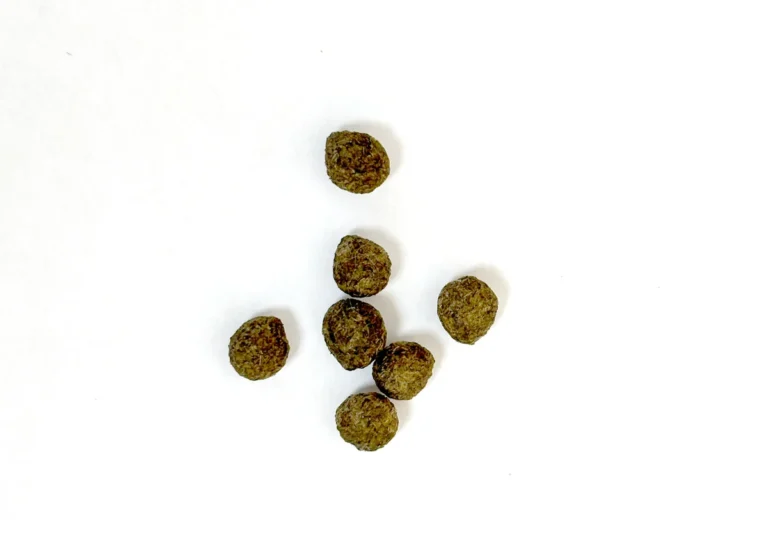
A rabbit's droppings are a direct indicator of its digestive health. Healthy droppings are round, firm, and consistently sized, typically about the size of a blueberry or slightly larger. Small, dry, or misshapen droppings, or a complete lack of droppings, can signal serious digestive issues like gut stasis, often brought on by an inappropriate diet.
Any significant change warrants attention.
Provide Clean, Fresh Water
Water is as crucial as hay. Ensure your rabbit always has access to clean, fresh water. This can be provided in a heavy ceramic crock or a sipper bottle, though crocks are often preferred as they encourage more natural drinking behavior and are easier to clean thoroughly.
Check and refresh water daily.
Know Your Rabbit's Breed Needs
Different rabbit breeds can have slightly different dietary needs or predispositions to certain health issues. For instance, some larger breeds might be more prone to obesity, while smaller breeds might have more delicate digestive systems. Familiarizing yourself with what is the best rabbit breed for beginners and researching the specific needs of your rabbit's breed can offer valuable insights into tailored nutrition.
Frequently Asked Questions About Rabbit Diets
Is a tiny piece of bread okay as a treat?
No, even a tiny piece of bread is not recommended. A rabbit's digestive system is sensitive, and the high starch and sugar content in bread can disrupt the gut flora. This can lead to serious health problems like digestive upset and bloat, even with small amounts.
What are the best healthy treats for rabbits?
The best healthy treats for rabbits are small pieces of rabbit-safe fruits (like apple, banana, or berries, given sparingly due to sugar content) or small portions of certain vegetables not already part of their daily greens. Fresh herbs like parsley or mint are also excellent, low-calorie options.
How many pellets should a rabbit eat daily?
The amount of rabbit-specific pellets you feed depends on the rabbit's size and age. Generally, adult rabbits should eat about 1/4 cup of high-quality pellets per 4-5 pounds of body weight per day. Younger rabbits and growing bunnies may need more.
Always ensure the pellets are high in fiber and low in protein and calcium.
Can rabbits eat crackers or biscuits?
No, crackers and biscuits are generally not safe for rabbits for the same reasons bread isn't. They are typically made with flour, starches, and sometimes sugars and fats, all of which can cause digestive distress and nutritional imbalances in rabbits. Stick to hay, greens, and approved treats.
What should I do if my rabbit ate something it shouldn't have?
If your rabbit eats something unsafe, such as bread, the first step is to remove the offending food. Then, monitor your rabbit for any signs of illness like lethargy, loss of appetite, changes in droppings, or bloating. If you observe any concerning symptoms, contact your veterinarian immediately, as rabbit digestive issues can escalate quickly.