Why Do Rabbits Flatten Their Bodies on the Ground?
Ever seen your rabbit suddenly go all "pancake" on the floor and wondered what's up? It's a super common sight for rabbit owners, and honestly, it can make you do a double-take! But there's usually a good reason, and knowing those reasons can help you be a better pet parent.
Think of it like this: rabbits are prey animals. Their whole lives are about staying safe. So, a lot of what they do, especially with their bodies, is about communicating how they're feeling, whether that's relaxed, scared, or even in pain.
Per veterinary behavioral studies, understanding these signals is key to proper care, with many common behaviors having direct links to their psychological state.
Quick Answer
Rabbits flatten their bodies on the ground for several reasons. Most often, it's a sign of deep relaxation and comfort. Sometimes, they flatten out of fear or stress, trying to appear smaller.
In serious cases, a flattened posture can indicate pain or illness, a critical signal for owners to seek veterinary attention.
The "Chill Out" Flatten: Signs of a Relaxed Rabbit
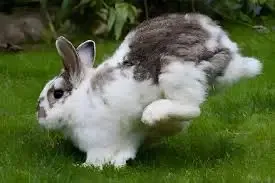
This is the one you probably hope for! When your rabbit is totally relaxed and feels super safe in their environment, they might just sprawl out, sometimes with their legs tucked under, sometimes stretched out long. This is often called "making biscuits" or a "sploot." It’s a clear indication that your bunny feels secure enough to let their guard down completely.
This behavior is consistent across many common domestic breeds, from Netherland Dwarfs to Flemish Giants, as discussed in general rabbit welfare guidelines.
What the "Pancake" Pose Looks Like When They're Happy
When your rabbit is truly at ease, their entire body will be low to the ground. Their limbs might be splayed out to the sides, or they might tuck their legs neatly underneath them, resembling a furry puddle or a loaf of bread. You might even see their eyes slightly open, or they may close them entirely in contentment.
This posture is a physical manifestation of trust and comfort in their surroundings.
- Body low and spread out: Limbs extended or tucked.
- Ears relaxed: Typically held in a neutral or forward position, not pinned back.
- Eyes may be partially or fully closed: A sign of deep relaxation.
- Slow breathing: Indicating a calm state.
- No apparent tension: The whole body looks soft and at rest.
This super-chilled state can be observed after a vigorous play session, while basking in a sunbeam, or simply when they feel safe and undisturbed in their enclosure.

The "Tense" Flatten: When Your Rabbit Feels Uneasy
Now, this is the one you need to pay a bit more attention to. Sometimes, a rabbit will flatten their body, but they'll look tense. Their ears might be back, or they might seem unusually still, with a rigid posture.
This isn't the soft, sprawled-out relaxation of a happy bunny; it's a more guarded stance. This type of body language is a classic prey animal defense mechanism, aimed at minimizing visibility to potential threats.
Recognizing Fear and Anxiety in Their Body Language
If you see your rabbit flattened but rigid, try to figure out what might be causing it. Is there a loud noise? A new pet they're unsure of?
A strange shadow from outside? Even something as simple as a new object in their environment can trigger this response. Their focus will likely be intense, eyes wide, and they might be scanning their surroundings constantly.
- Body pressed flat to the ground: But with visible muscle tension.
- Ears pinned back: Or held stiffly against the head.
- Eyes wide and alert: Staring fixedly at a perceived threat.
- Whiskers might be held forward: Or tense.
- Immobility: They might freeze in place, hoping not to be noticed.
If you observe this, the best course of action is usually to remove the source of stress if possible, or at least provide them with a safe hiding space where they can feel more secure. Understanding how rabbits communicate with each other can also shed light on how they perceive external threats within their social environment.

The "Ouch" Flatten: A Red Flag for Pain or Illness
This is the most serious reason for flattening, and it's why understanding rabbit body language is so important. When a rabbit is in pain or feeling unwell, they might flatten themselves and refuse to move. This is a sign of significant discomfort and a potential health crisis, as rabbits are masters at hiding their ailments to avoid predation.
Their instinct is to appear as healthy as possible, so showing clear signs of distress, like extreme lethargy paired with flattening, indicates a severe issue.
Why Rabbits Hide Discomfort and What Flattening Signals
If your bunny is flattened and seems unwilling or unable to get up, it's a critical warning. They might be hunched over, and their hind legs could be stretched out behind them in an unusual way. This isn't just a little under the weather; this is often a sign that they are suffering from something significant like gastrointestinal stasis, dental pain, or an internal injury.
According to guidelines from veterinary associations, immediate professional intervention is crucial when such symptoms are observed. As of 2026, veterinary research continues to highlight the urgency of recognizing these subtle but vital distress cues.
- Extreme lethargy: Little to no movement or response.
- Hunched posture: The body may appear to be "tucked" or "hunched" over.
- Legs in unusual positions: Often stretched out unnaturally.
- Lack of appetite: Refusal to eat or drink is common.
- Grinding teeth (loudly): While some teeth grinding is normal (contentment purring), loud, audible grinding often signals pain.
If you see your rabbit flattened and displaying these signs of lethargy or discomfort, it's imperative to call your rabbit-savvy veterinarian immediately. Don't wait it out. Conditions like GI stasis can become fatal within 24-48 hours if left untreated.

Putting It All Together: Reading Your Rabbit's Flattened Pose
So, you've seen your rabbit flatten themselves. Now what? The key is to stop and assess the context.
It's not enough to just see the posture; you need to combine that observation with everything else you notice about your bunny and their environment. This holistic approach helps you correctly interpret their signals, moving from simple observation to meaningful understanding of their needs and well-being.
How to Assess the Situation and What to Look For
When you see your rabbit flattened, ask yourself a series of questions. Is this a new behavior, or something they do often? What was happening right before they flattened?
What is their demeanor like now? By answering these, you can often distinguish between a happy sprawl, a fearful freeze, or a distressed collapse. For example, a rabbit that flattens after a nap and then stretches luxuriantly is clearly relaxed.
One that flattens suddenly and stares wide-eyed at the ceiling is likely stressed.
Consider these factors:
- Environment: Is the area quiet and familiar, or is there a new, potentially frightening element (loud noise, new pet, unfamiliar person)?
- Demeanor: Is your rabbit's body loose and soft, or stiff and tense? Are their ears forward, back, or twitching nervously?
- Activity Level: Are they breathing normally and appearing relaxed, or are they panting, hunched, or lethargic?
- Interaction: Do they seem to want attention, or are they trying to retreat and be left alone?
- Recent History: Have they been eating and drinking normally? Any changes in litter box habits? This is where knowledge about how rabbits communicate with each other can be helpful in understanding their social cues.
This detailed observation is crucial for determining the best course of action, whether it’s giving them space, offering comfort, or making that urgent call to the vet.
When to Seek Expert Help: Recognizing Emergency Signs
For rabbit owners, knowing when a flattened posture signals a true emergency is paramount. Rabbits are not like cats or dogs; they cannot vocalize pain in the same way, and their instinct to hide illness means that by the time you see obvious signs of distress, they may already be in critical condition. A flattened body, especially when accompanied by lethargy or apparent discomfort, should never be ignored.
Prompt veterinary attention can be the difference between a manageable health issue and a life-threatening crisis.
Knowing When a Flattened Rabbit Needs a Vet
The most critical indicator that a flattened rabbit needs immediate veterinary care is a combination of immobility and signs of distress. If your rabbit is flattened on the ground and shows any of the following, do not delay:
- Refusal to eat or drink: This is a major red flag, especially if it persists for more than a few hours.
- Extreme lethargy: They are unresponsive, difficult to rouse, or seem profoundly weak.
- Abnormal breathing: Shallow, rapid, or labored breathing.
- Pale gums or ears: Healthy rabbits have pinkish mucous membranes. Pale or bluish coloring can indicate shock or poor circulation.
- Distended abdomen: A swollen belly can signal serious gastrointestinal issues.
- Unusual posture: Extreme hunching, hind legs stretched out unnaturally, or a rigid, tense body.
- Evidence of injury: If you suspect they have been hurt.
Remember, your rabbit's normal behavior is your best baseline. If their flattened posture is unusual for them, or if it's accompanied by any of these concerning signs, it's time to contact a veterinarian experienced with rabbits immediately. While the cost of owning a rabbit can vary, veterinary care for emergencies is a necessary expense for responsible pet ownership.
Frequently Asked Questions About Rabbit Flattening
Is it normal for a rabbit to flatten themselves?
Yes, it can be perfectly normal for rabbits to flatten themselves on the ground. It often signifies they are deeply relaxed and feel very safe in their environment, a behavior sometimes referred to as "splooting" or "making biscuits."
How can I tell if my rabbit is stressed when they flatten?
You can tell if your rabbit is stressed when they flatten by observing their body tension and overall demeanor. Stressed rabbits will often appear rigid, with pinned-back ears, wide eyes staring intently, and a general lack of relaxed posture. Unlike a happy sprawl, their body will seem tense.
What should I do if my rabbit is flattened and seems ill?
If your rabbit flattens themselves and appears ill, lethargic, refusing to eat, or shows any other signs of distress, you must contact a rabbit-savvy veterinarian immediately. This flattened posture can be a critical indicator of pain or a serious health issue like GI stasis.
Can flattening indicate a rabbit is playing dead?
No, rabbits do not "play dead" as a conscious behavior. Flattening in a fearful or distressed state is a survival instinct to appear less noticeable to a predator, not a deliberate act of feigning death. Their instinct is to hide, not to deceive.
How often should you clean a rabbit cage?
Regular cleaning is vital for your rabbit's health. Generally, spot-cleaning the litter box daily and performing a more thorough cleaning of the entire enclosure weekly is recommended. This helps prevent ammonia buildup and reduces the risk of respiratory and skin issues for your pet.