What Is the Best Hay for Rabbits?

Image source: Bing (Web (fair-use with source credit))
So, you're trying to figure out what is the best hay for rabbits? It's a really common question, and honestly, it's one of the most important choices you'll make for your bunny's health. Getting the hay right is the foundation for a happy, healthy rabbit, impacting everything from their digestion to their teeth.
Choosing the wrong hay can lead to digestive upset or other health issues down the line. For instance, manufacturer specifications often highlight that good quality grass hays should have a minimum of 17% crude fiber. We'll break down the most common and recommended types, so you can make the best choice for your furry friend and ensure they're getting the nutrients they need.
Quick Answer
Timothy hay is generally the best hay for adult rabbits. It offers a balanced mix of fiber, protein, and calcium. For baby rabbits, alfalfa hay is ideal due to its higher nutrient density.
Why Hay is the Most Important Part of Your Rabbit's Diet
Hay isn't just a food for rabbits; it's the absolute bedrock of their entire dietary system. Their bodies are uniquely designed to process a constant supply of fibrous material. Without enough of it, their digestive tracts can slow down or even stop, which is a life-threatening emergency known as GI stasis.
It's not just about keeping things moving, though. Chewing on hay also naturally wears down their ever-growing teeth. Rabbit teeth grow continuously throughout their lives, and if they aren't constantly being ground down by fibrous hay, they can become overgrown, leading to pain, difficulty eating, and serious dental disease.
Think of the amount of hay a rabbit should eat: ideally, it should make up about 80-90% of their daily intake. This constant grazing provides essential roughage for their complex digestive system, helping to stimulate the necessary gut bacteria and muscle contractions that break down food. Beyond the physical benefits, the act of foraging for and chewing hay also provides crucial mental stimulation, preventing boredom and encouraging natural behaviors.
Our research indicates that readily available, high-quality hay is fundamental for promoting long-term health and preventing common health issues in pet rabbits.
Timothy Hay: The Everyday Champion for Adult Rabbits
When most people think of rabbit hay, they're likely thinking of Timothy hay. It's widely recognized and recommended by veterinarians and rabbit care experts for a reason: it hits that sweet spot for most adult rabbits. Timothy hay is a grass hay, which means it's lower in protein and calcium compared to legume hays like alfalfa.
This nutritional profile is exactly what mature rabbits need to maintain a healthy digestive system and prevent issues like bladder stones.
Its appeal isn't just about nutrition; most rabbits find Timothy hay quite palatable. The texture is typically a good balance of leafy material and stems, making it satisfying to chew. It's also one of the most readily available types of hay, which is a significant practical advantage for owners.
When purchasing Timothy hay, look for options that are fresh, green (though some natural variations in color are normal), and free from dust or a musty smell, as these can indicate spoilage or poor storage.
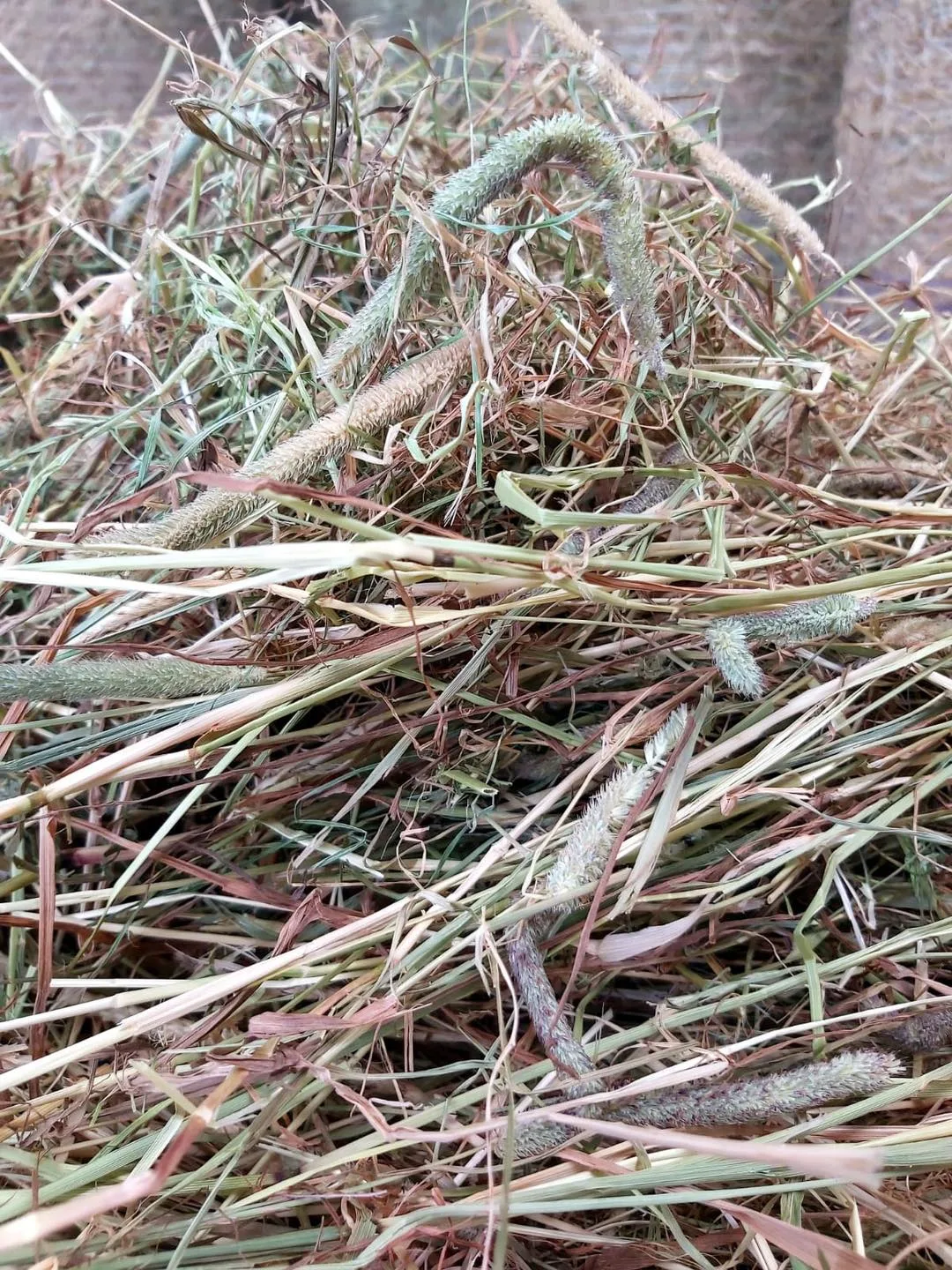
Image source: Web (Bing) / winzerequine.co.uk (Web image (fair-use with source credit))
- Nutritional Balance: Ideal for adult rabbits, providing sufficient fiber without excessive protein or calcium.
- Digestive Support: Promotes healthy gut motility and function.
- Dental Wear: Helps keep continuously growing teeth trimmed.
- Availability: Commonly found in pet stores and online.
- Palatability: Generally well-loved by most rabbits.
This type of hay is the workhorse for adult rabbit diets, supporting their daily nutritional needs and contributing significantly to their overall well-being.
Orchard Grass & Meadow Hay: Tasty Alternatives for Adult Bunnies
While Timothy hay is the go-to, Orchard Grass hay and Meadow Hay are fantastic alternatives, and many owners choose to offer them alongside or instead of Timothy. Orchard Grass hay is another type of grass hay, often characterized by its softer texture and slightly sweeter taste compared to Timothy. This makes it a great option for rabbits who might be a bit picky or for those who simply enjoy a change of flavor and texture.
Meadow hay, on the other hand, is typically a blend of various grass hays and sometimes includes other non-toxic weeds and wildflowers. The variety in Meadow Hay can be a benefit, offering a broader spectrum of nutrients and a more natural foraging experience for your rabbit. Like Timothy, both Orchard Grass and Meadow Hay are low in protein and calcium, making them perfectly suitable for adult rabbits and promoting similar digestive and dental health benefits.
When selecting these, look for the same indicators of quality: fresh scent, vibrant green color, and absence of dust or mold.
- Softer Texture: Orchard Grass can be easier for some rabbits to eat.
- Variety of Nutrients: Meadow Hay offers a diverse mix of grasses and plants.
- Low Protein & Calcium: Suitable for adult rabbit maintenance.
- Palatability: Often highly enjoyed by rabbits, encouraging consumption.
Offering a mix of these grass hays can ensure your rabbit doesn't get bored with their diet and benefits from a range of textures and subtle flavor differences, all while meeting their fundamental dietary requirements.
Alfalfa Hay: Essential for Young & Growing Rabbits, But Not for Adults
Alfalfa hay is quite different from the grass hays we've discussed. It's a legume hay, meaning it's much richer in nutrients, particularly protein, calcium, and calories. This higher nutrient density makes it an invaluable food source for rabbits in specific life stages where they need more energy and building blocks for growth and development.
For baby rabbits, who are rapidly growing and developing their skeletons and organs, Alfalfa hay provides the necessary support.
Similarly, pregnant and nursing does require a significant increase in nutrients to sustain themselves and their offspring. Alfalfa hay perfectly meets this demand, offering the extra protein and calcium needed for milk production and fetal development. However, it's crucial to understand that this rich profile makes Alfalfa unsuitable as a primary hay for healthy adult rabbits.
The high calcium content, for example, can overload their system and potentially contribute to the formation of bladder stones.
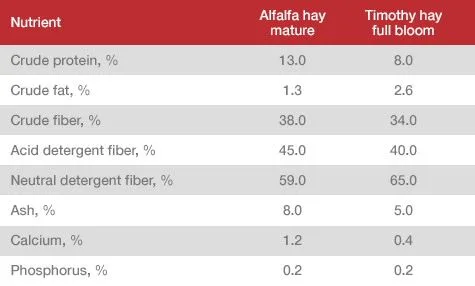
Image source: Bing (Web (fair-use with source credit))
- High in Protein & Calcium: Ideal for rapid growth and development.
- Calorie-Dense: Provides necessary energy for nursing mothers and young kits.
- Not for Adults: Excessive calcium and protein can be harmful to mature rabbits.
- Use Case: Primarily for rabbits under 7 months, and those who are pregnant or nursing.
Transitioning from Alfalfa to grass hays is typically recommended once a rabbit reaches maturity, usually around 6-7 months old, to prevent potential health issues.
Oat Hay: A Crunchy, High-Fiber Option
Oat hay offers another excellent choice for rabbit owners looking to provide variety and essential fiber. Unlike the finer textures of Timothy or Orchard grass, Oat hay is characterized by its more prominent, mature stalks and seed heads. This gives it a delightfully crunchy texture that many rabbits find very appealing.
The fibrous stalks are excellent for stimulating digestion and contributing to overall gut health.
Nutritionally, Oat hay generally falls into a similar category as Timothy and Orchard grass, it’s lower in protein and calcium, making it a safe and beneficial option for adult rabbits. Its unique texture can also be a great way to add variety to your rabbit's diet, encouraging more active foraging and chewing. When selecting Oat hay, pay attention to its appearance; it should be golden-green and free from excessive dust.
It’s a great way to ensure your adult rabbit is getting a diverse range of fibers and an engaging eating experience.
- Crunchy Texture: Provides an engaging chewing experience.
- High Fiber Content: Supports digestive health and function.
- Lower Protein & Calcium: Suitable for adult rabbit maintenance.
- Palatability: Many rabbits enjoy the taste and texture.
Oat hay is a solid choice for adult rabbits, especially if you're looking to offer something a bit different from the usual leafy grasses, without compromising on nutritional quality.
When to Mix Hays: Creating a Balanced Hay Buffet
Offering a variety of hays can be a fantastic way to enrich your rabbit's diet and ensure they're getting a broad spectrum of nutrients and textures. For adult rabbits, you can safely mix high-quality grass hays. A common and highly recommended approach is to have Timothy hay as their primary daily hay and then offer Orchard Grass, Meadow Hay, or Oat Hay as a secondary option.
This provides variety, encourages consistent eating, and caters to potentially different preferences or needs.
This "hay buffet" approach is especially useful if you have a rabbit that's a bit of a picky eater. If they're not finishing their primary hay, having a different, equally healthy option available can encourage them to keep their digestive system moving. When mixing, ensure that both types of hay are fresh, dry, and free from any signs of mold or excessive dust.
The key is balance and quality; never mix hays that are spoiled or of poor quality, as this defeats the purpose and can be detrimental to your rabbit's health.
- Enrichment: Prevents dietary boredom and encourages foraging.
- Nutrient Variety: Offers a broader range of micro-nutrients from different plants.
- Picky Eaters: Provides alternatives if one type isn't consumed.
- Adult Rabbit Safe: Combining appropriate grass hays is generally recommended.
Remember, if you're unsure about mixing certain hays or if your rabbit has specific health concerns, it's always best to consult with a rabbit-savvy veterinarian for personalized advice. They can help you create the most appropriate dietary plan.




6 Comments